Best Lip Balms of 2023? Dermatologist Approved Formulas for Every Lip Type
Lip care often gets overlooked in comprehensive skincare routines for glowing skin, yet the delicate lip area demands specialized attention and protection. Unlike the rest of your face, lips lack oil glands and have thinner skin, making them incredibly vulnerable to environmental stressors, dehydration, and UV damage. The market has exploded with lip balm options in 2023, but not all formulations are created equal—some contain ingredients that actually worsen dryness, while others deliver genuine therapeutic benefits backed by dermatological research.
This comprehensive guide explores the best dermatologist-approved lip balms of 2023, breaking down the science behind effective lip care, identifying which ingredients actually work, and helping you select the perfect formula for your specific lip concerns. Whether you struggle with chronic chapping, sensitivity, or simply want preventative protection, understanding lip barrier function and ingredient efficacy will transform your lip care approach from temporary relief to lasting hydration.
Understanding Lip Barrier Function and Why Lips Chap
The lip barrier differs dramatically from facial skin due to its unique anatomical structure. Your lips contain minimal sebaceous glands—typically just 1-2 per square centimeter compared to 400+ on your forehead. This deficiency means lips cannot produce adequate natural oils to maintain hydration independently. The stratum corneum (outermost skin layer) on lips is also significantly thinner, approximately 1/3 the thickness of facial skin, creating a more permeable barrier that loses moisture rapidly through transepidermal water loss (TEWL).
Environmental factors exacerbate this vulnerability considerably. Temperature fluctuations, low humidity, wind exposure, and UV radiation all accelerate moisture evaporation from lip tissue. Additionally, behavioral habits like lip licking—which many people resort to when experiencing dryness—paradoxically worsens the condition. Saliva contains enzymes that strip protective lipids from the lip surface, creating a destructive cycle of increasing dryness and irritation.
Certain systemic conditions amplify lip dryness as well. Dehydration, nutritional deficiencies (particularly B vitamins and iron), hormonal fluctuations, and medications that cause dry mouth all compromise lip health. Understanding these underlying mechanisms helps explain why some lip balms work better than others and why consistent, strategic application matters significantly for maintaining healthy lips throughout the year.
Essential Ingredients in Dermatologist-Approved Lip Balms
Effective lip balms contain carefully selected ingredients that address hydration, barrier repair, and protection simultaneously. Occlusive agents form the foundation of any quality lip balm, creating a protective seal that prevents moisture loss. Beeswax remains the gold standard occlusive, offering proven efficacy, natural origin, and compatibility with sensitive lips. Petrolatum (petroleum jelly) ranks equally effective, though some consumers prefer plant-based alternatives. Shea butter and cocoa butter provide both occlusive and emollient properties, though they offer less substantive barrier protection than beeswax alone.
Beyond occlusives, humectants actively draw moisture into lip tissue and maintain hydration levels. Hyaluronic acid serums have revolutionized lip care, and high-molecular-weight hyaluronic acid in lip balms can hold up to 1000 times its weight in water. Glycerin offers proven hygroscopic properties and has been used in dermatological formulations for decades. Propylene glycol similarly attracts and binds moisture while improving product spreadability and texture.
Niacinamide deserves special attention in lip formulations, particularly for sensitive lips. This vitamin B3 derivative reduces inflammation and strengthens barrier function, making it invaluable for chronically chapped or reactive lips. Research published in dermatological journals demonstrates niacinamide’s ability to increase ceramide and free fatty acid production, directly improving lip barrier integrity.
Natural extracts add therapeutic value when properly formulated. Chamomile and calendula possess anti-inflammatory properties documented in multiple clinical studies. Vitamin E acts as an antioxidant, protecting lip tissue from free radical damage and UV-induced oxidative stress. However, concentration matters tremendously—marketing buzzwords mean nothing without therapeutically effective ingredient percentages.
SPF protection represents a critical component often neglected in lip care routines. The lips receive significant UV exposure yet rarely receive adequate sun protection. Zinc oxide and titanium dioxide provide broad-spectrum mineral UV filters that sit atop the lip surface without absorption, making them ideal for sensitive lip skin. SPF 30 minimum offers reasonable protection for daily use, though SPF 50+ is preferable for extended outdoor exposure.
For sensitive skin concerns, avoiding certain ingredients becomes equally important. Fragrance and essential oils frequently trigger irritation despite their appealing sensory profiles. Menthol and camphor create a cooling sensation that feels pleasant temporarily but actually increases transepidermal water loss and can perpetuate dryness cycles. Salicylic acid and other exfoliating acids have no place in daily lip balms, as they compromise the already-fragile barrier.
Top Lip Balm Recommendations by Skin Type
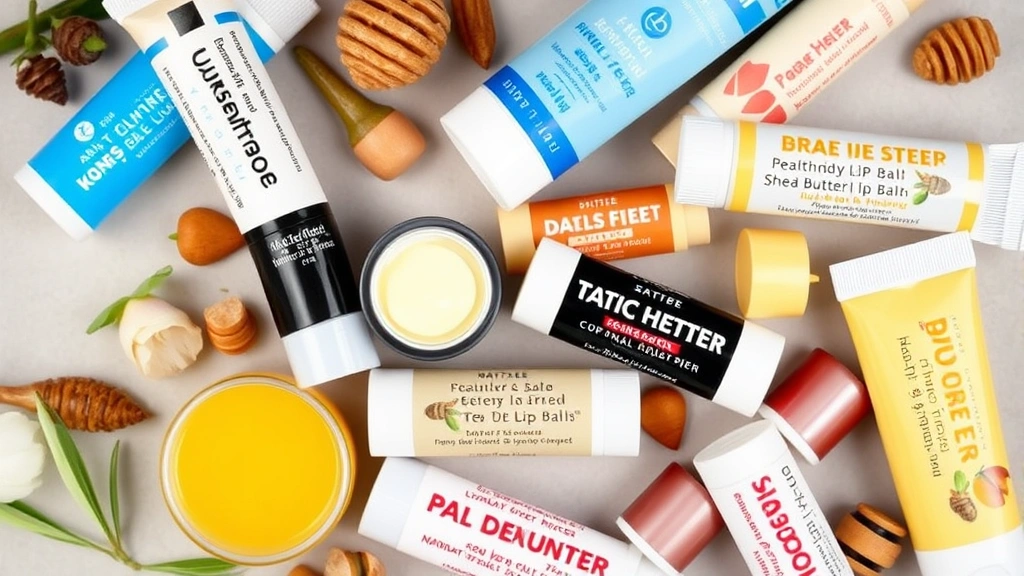
For Dry and Chapped Lips: Dermatologists consistently recommend balms combining petrolatum or beeswax with hyaluronic acid and glycerin. Vanicream Lip Balm offers a fragrance-free, hypoallergenic formulation that delivers substantial occlusive protection without common irritants. CeraVe Lip Balm incorporates ceramides alongside hyaluronic acid, directly addressing barrier repair while maintaining hydration. Aquaphor Advanced Therapy Lip Protectant provides robust occlusion with glycerin for sustained moisture delivery.
For Sensitive and Reactive Lips: Minimalist formulations work best for reactive lip skin, as fewer ingredients reduce irritation risk. La Roche-Posay Cicaplast Lip Balm contains prebiotic thermal water and ceramides specifically formulated for compromised barriers. Aveeno Pure Renewal Lip Balm uses a clean ingredient list free from fragrance and common irritants. For those with significant sensitivity, plain petrolatum remains surprisingly effective and dermatologist-recommended as a baseline treatment.
For Lips Requiring UV Protection: Neutrogena Ultra Sheer Lip Balm SPF 50+ combines mineral sunscreen with moisturizing glycerin in a lightweight formulation. Blue Lizard Australian Sunscreen Lip Balm SPF 30+ uses zinc oxide protection with vitamin E and antioxidants. Burt’s Bees Lip Balm with SPF 15 offers a natural alternative, though the SPF level is somewhat modest for extended sun exposure.
For Lips Prone to Inflammation: Balmex Adult Lip Balm contains zinc oxide (which provides both UV protection and anti-inflammatory benefits) alongside petrolatum and glycerin. Weleda Pomegranate Lip Balm incorporates pomegranate extract rich in antioxidants and tannins that reduce inflammation naturally. Products containing niacinamide prove particularly effective for inflammatory lip conditions, as this ingredient directly reduces inflammatory cytokine production.
For Lips Requiring Intensive Repair: Laneige Lip Sleeping Mask represents a premium overnight treatment option that combines petrolatum with hyaluronic acid and vitamin C for intensive restoration. Tatcha Luminous Dewy Lip Mask offers a luxurious formula with hyaluronic acid and peptides supporting barrier recovery. For budget-conscious consumers, Eucerin Advanced Lip Balm delivers pharmaceutical-grade formulation with ceramides and hyaluronic acid at accessible price points.
How to Apply Lip Balm Correctly for Maximum Efficacy
Application technique significantly influences lip balm effectiveness, yet most people use these products incorrectly. Begin by gently exfoliating lips using a soft toothbrush or dedicated lip scrub no more than twice weekly—aggressive exfoliation damages the already-fragile barrier. For natural lip care alternatives, honey mixed with brown sugar creates a gentle exfoliating paste that simultaneously moisturizes.
Apply lip balm to damp lips rather than dry lips for optimal absorption. This technique leverages the hygroscopic properties of humectants, allowing them to draw moisture into lip tissue before the occlusive layer seals it in. Pat lips gently with a clean finger or applicator rather than rubbing, as friction can trigger irritation and inflammation.
Frequency matters considerably—reapply every 2-3 hours throughout the day, or more frequently if exposed to harsh environmental conditions. Many people apply lip balm insufficiently, using amounts barely visible to the eye. Apply enough product to create a visible, slightly glossy layer covering the entire lip surface including the often-neglected lip line and corners.
Nighttime application deserves special attention. Before bed, apply a thicker layer of occlusive balm and allow it to work overnight when environmental stressors are minimal. This extended contact time permits deeper hydration and barrier repair. Consider using a dedicated sleeping mask or treatment balm for nighttime use, reserving lighter formulations for daytime reapplication.
Timing relative to other skincare products matters as well. Apply lip balm as the final step in your skincare routine, after serums and moisturizers have absorbed. If using facial massage techniques, avoid aggressive lip area manipulation that could compromise the delicate tissue.
Common Lip Care Mistakes to Avoid
Understanding what NOT to do prevents perpetuating dryness cycles. Lip licking represents the most common destructive habit—saliva contains enzymes that strip protective lipids and evaporates rapidly, leaving lips drier than before. Train yourself to apply balm instead whenever you feel the urge to lick your lips. Many people also over-exfoliate lips, using harsh scrubs or peeling products that compromise barrier integrity. Gentle exfoliation once or twice weekly suffices; daily exfoliation causes cumulative damage.
Fragrance sensitivity affects more people than realize it. Fragranced lip balms may feel pleasant initially but frequently trigger contact dermatitis and increased inflammation. Switching to fragrance-free formulations often resolves persistent chapping that resists other treatments. Similarly, flavored lip balms encourage licking due to taste appeal, creating a behavioral cycle that worsens dryness.
Inconsistent application sabotages even the most effective formulations. Lip balms require consistent daily use—skipping applications allows moisture loss to resume. Additionally, using multiple conflicting products confuses the issue when troubleshooting efficacy. Stick with one well-formulated balm for at least two weeks before assessing results, as lip barrier repair requires sustained treatment.
Ignoring systemic factors limits results considerably. If you experience chronic severe chapping unresponsive to topical balms, underlying issues like nutritional deficiencies, hormonal imbalances, or medication side effects may require medical attention. Consulting a dermatologist helps identify whether lip issues reflect barrier dysfunction or systemic health concerns.
Neglecting SPF protection causes cumulative UV damage that accelerates aging and increases skin cancer risk. Lips receive substantial sun exposure yet rarely receive adequate protection. Make SPF lip balm a non-negotiable daily habit, particularly during spring and summer months or at high altitudes where UV intensity increases.
FAQ
Can lip balm addiction actually happen, or is it psychological?
Lip balm addiction typically reflects psychological habit rather than true physiological dependence. However, certain ingredients—particularly menthol, camphor, and fragrance—can create cycles of irritation and increased dryness that encourage frequent reapplication. Switching to fragrance-free, non-mentholated formulations often breaks these cycles within 1-2 weeks as the lip barrier recovers.
How long does it take for a lip balm to show visible results?
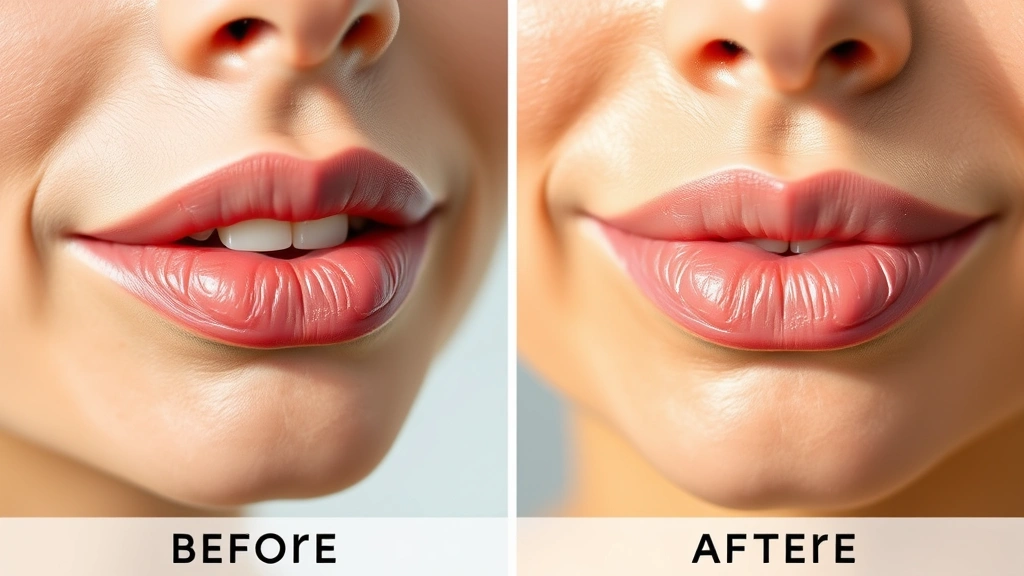
Most people notice improvement within 3-5 days of consistent application with a quality formulation. Significant barrier repair typically requires 2-3 weeks of dedicated use. If lip condition hasn’t improved after three weeks of consistent application with a well-formulated balm, dermatological consultation becomes advisable to rule out underlying conditions.
Are natural lip balms more effective than conventional formulations?
Efficacy depends on ingredient concentration and formulation quality rather than natural versus synthetic origin. Natural ingredients like beeswax and shea butter can be highly effective, but many natural balms lack adequate occlusive concentration or include irritating essential oils. Conversely, some synthetic formulations (like those containing hyaluronic acid) offer superior performance. Evaluate based on ingredient functionality rather than marketing claims.
Should I use different lip balms for day and night?
Yes, differentiation often improves results. Daytime balms should contain SPF protection and lighter texture for comfortable reapplication throughout the day. Nighttime formulations can be heavier, occlusive-focused treatments that work during extended contact hours without concern for greasiness or makeup compatibility. This dual approach addresses different needs efficiently.
Can lip balm prevent cold sores?
While lip balm cannot prevent herpes simplex virus transmission or activation, maintaining optimal lip barrier function and using SPF protection may reduce outbreak frequency. UV exposure triggers cold sore recurrence in susceptible individuals, making SPF lip balm valuable for prevention. During active outbreaks, consult a healthcare provider regarding antiviral treatments rather than relying solely on balms.
What’s the difference between lip balm and lip gloss?
Lip balm prioritizes therapeutic function—hydration, barrier repair, and protection—with minimal color. Lip gloss emphasizes aesthetic shine and often contains less occlusive ingredients, making it less suitable for treating dryness. For lip care purposes, balms deliver superior functionality, though combining a therapeutic balm with tinted gloss works well for those prioritizing appearance.
Is petroleum jelly safe for lips?
Yes, petrolatum (petroleum jelly) is among the safest, most dermatologist-recommended lip care ingredients. It’s hypoallergenic, non-comedogenic, and provides excellent occlusive protection. Concerns about petroleum-derived products are largely unfounded from a safety perspective, though some consumers prefer plant-based alternatives for philosophical reasons. Both approaches work effectively when properly formulated.
External Authoritative Resources:
- American Academy of Dermatology – Professional organization providing evidence-based skincare guidance
- BeautyCounter Ingredient Index – Comprehensive ingredient safety and efficacy database
- INCIDecoder – Cosmetic ingredient dictionary with research-backed information
- Paula’s Choice Research Team – Evidence-based skincare and ingredient analysis
- Society of Cosmetic Chemists – Professional organization advancing cosmetic science