60s Makeup Trends: Beauty Expert Insights on Iconic Cosmetics
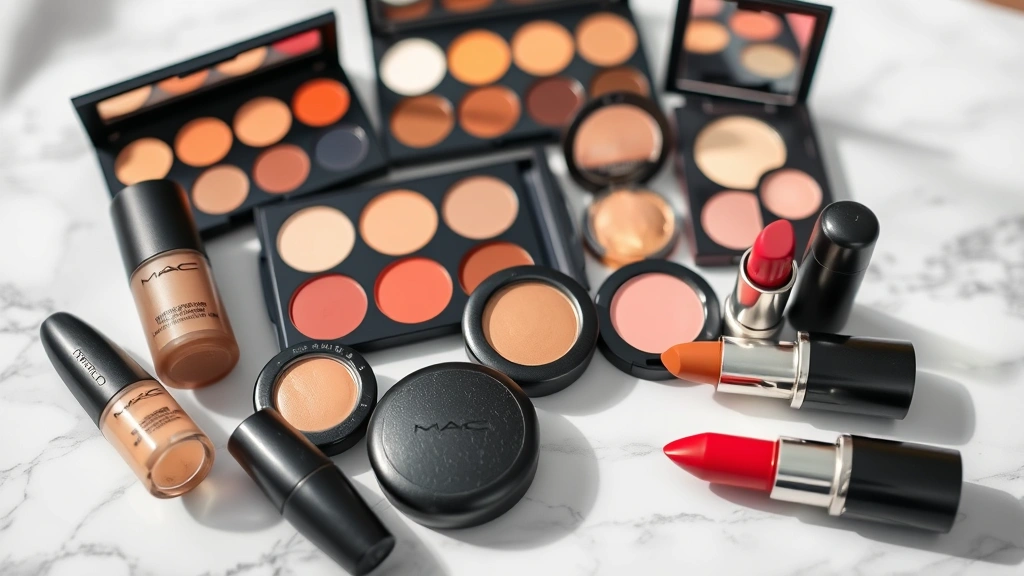
The 1960s revolutionized the beauty industry with bold, experimental makeup trends that challenged conventional aesthetics and celebrated youth culture. From the mod movement’s graphic eyeliner to the hippie era’s natural glow, 60s cosmetics reflected a transformative decade of social change, artistic expression, and innovative formulations. Beauty experts credit this era with introducing techniques and products that fundamentally shaped modern makeup application, proving that skincare and cosmetic artistry could work in harmony to create transformative looks.
Understanding 60s makeup trends offers contemporary beauty enthusiasts valuable insights into timeless techniques, ingredient innovations, and the psychology behind why certain looks resonate across generations. Whether you’re recreating vintage aesthetics or drawing inspiration from classic beauty principles, exploring this iconic era reveals how proper skincare foundation with niacinamide benefits complements bold makeup statements, and how ingredient knowledge enhances your beauty routine.
The Mod Movement and Graphic Eyeliner
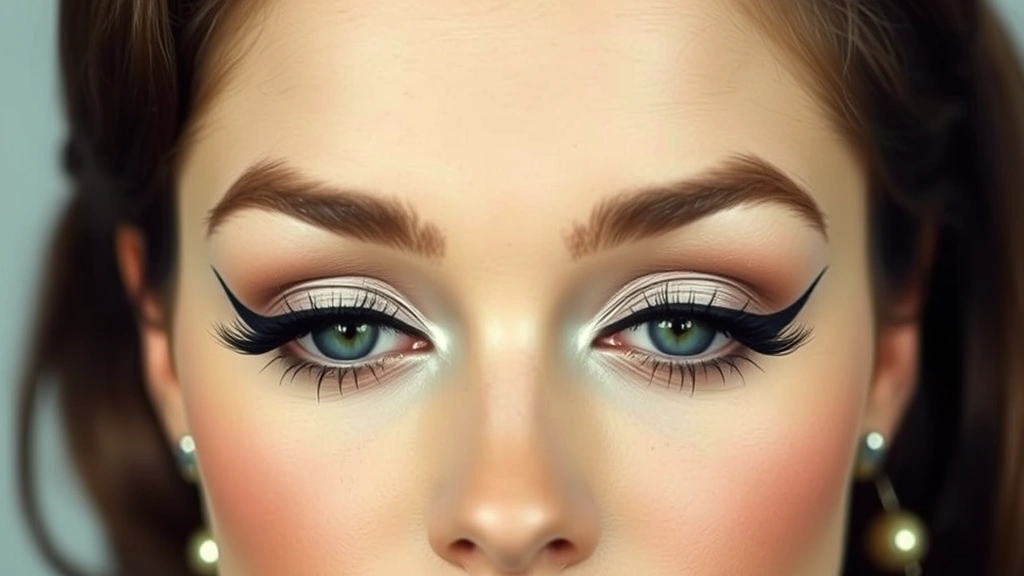
The mod movement, originating in London during the early 1960s, introduced graphic eyeliner styles that became synonymous with the decade’s most iconic beauty looks. Beauty experts emphasize that mod makeup represented a radical departure from the heavily blended, naturalistic styles of previous eras. Instead, mod cosmetics featured sharp geometric lines, bold black eyeliner, and high-contrast eye makeup that demanded precision application and innovative product formulations.
The signature mod eyeliner technique involved creating dramatic wings that extended beyond the eye’s natural shape, often paired with thick black lines on the upper and lower lash lines. Dermatologists and cosmetic chemists note that achieving these precise lines required waterproof formulations and precise applicators that didn’t exist in previous decades. The 1960s saw significant advancements in eyeliner chemistry, with manufacturers developing long-wearing liquid and pencil formulas that could withstand movement and moisture while maintaining sharp definition.
Beauty professionals highlight that successful mod makeup depended heavily on skincare products for sensitive skin preparation, as the dramatic eye makeup styles emphasized every skin texture and imperfection. Creating a smooth, even base became essential for showcasing graphic eyeliner designs. The mod movement’s emphasis on bold eyes also introduced the trend of minimal lip color, allowing the eye makeup to dominate the face.
Twiggy’s Influence on 60s Eye Makeup
No discussion of 60s makeup trends is complete without addressing Twiggy’s revolutionary impact on eye makeup aesthetics. The British model’s distinctive makeup style, characterized by exaggerated lower lashes and pale eyeshadow, became the most imitated beauty look of the decade. Beauty experts credit Twiggy with popularizing lower lash emphasis through innovative mascara application techniques and false lash styling.
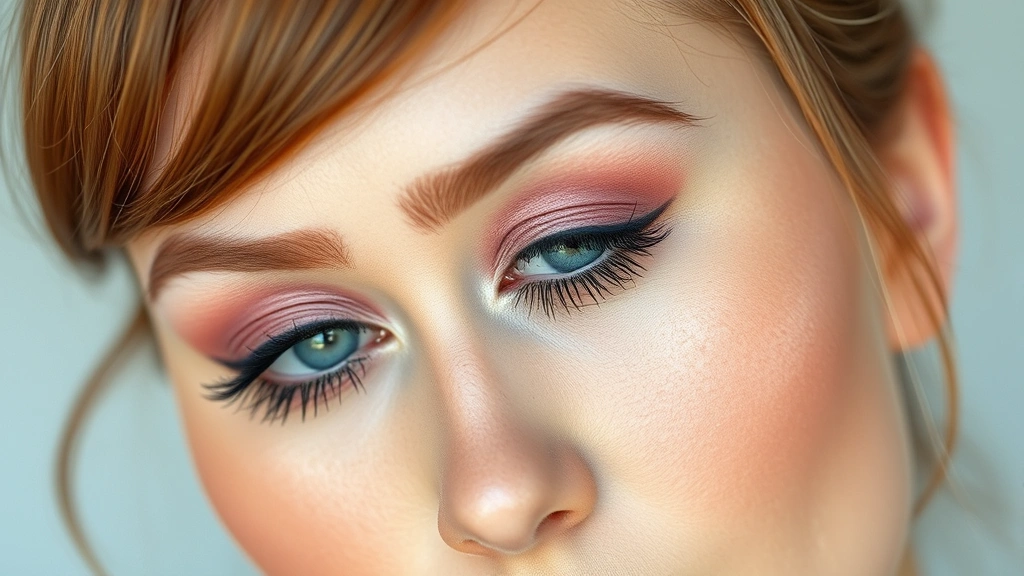
Twiggy’s signature look featured white or pale pink eyeshadow on the eyelids, paired with dramatic black eyeliner and multiple coats of mascara concentrated on the lower lashes. Cosmetic chemists explain that creating this effect required volumizing mascaras with thicker brush formulas and false lashes specifically designed to create the illusion of doll-like, wide-eyed innocence. The look demanded products that could build substantial lash volume without clumping, representing significant innovation in mascara formulation technology.
Skincare professionals note that Twiggy’s pale eyeshadow technique actually served a practical purpose beyond aesthetics. The light-reflecting pigments helped brighten the eye area and created optical illusions that made eyes appear larger. This strategic use of color psychology and light-reflecting ingredients demonstrates how 1960s beauty experts understood the relationship between pigment selection, skin tone, and visual perception.
Beauty historians emphasize that Twiggy’s influence extended beyond just eye makeup. Her overall aesthetic promoted skincare routine for teenagers principles emphasizing clear, flawless skin as the foundation for dramatic makeup application. Young people throughout the 1960s recognized that properly prepared skin enhanced the impact of bold cosmetic looks.
Bold Lip Colors and Formulation Advances
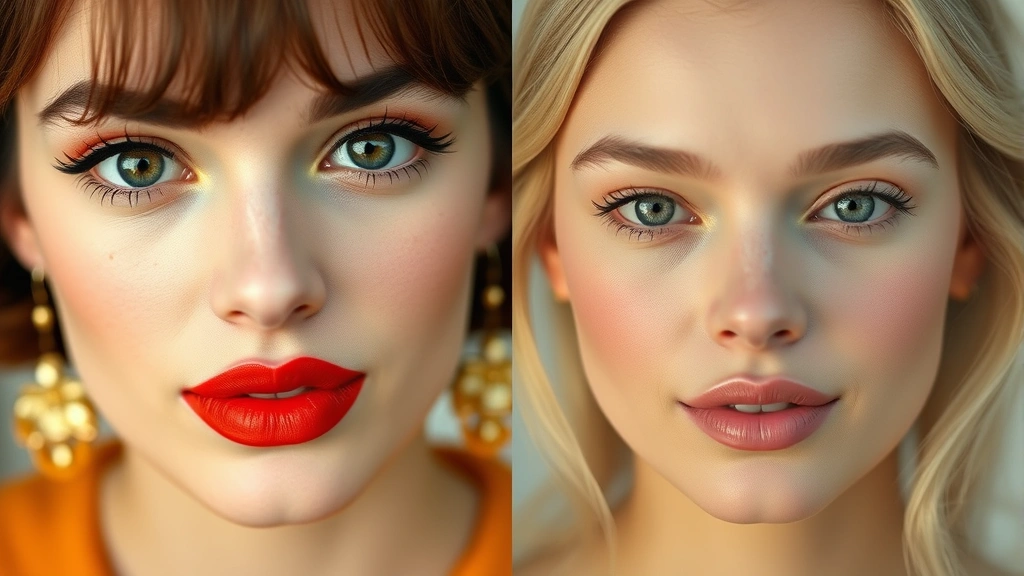
The 1960s witnessed a remarkable evolution in lipstick formulations and color innovation. While the early part of the decade favored pale or nude lip colors to complement graphic eye makeup, the later 60s introduced vibrant reds, oranges, and even unconventional shades that reflected the era’s increasingly experimental aesthetic. Cosmetic chemists developed advanced lipstick bases incorporating conditioning ingredients like lanolin, vitamin E, and moisturizing oils to maintain color intensity while preventing dryness.
Expert makeup artists point out that 60s lip trends revealed important insights about pigment chemistry and wear longevity. The development of long-wearing lipstick formulas with improved staying power allowed bold lip colors to maintain their vibrancy throughout the day. Beauty publications from the era documented how manufacturers incorporated synthetic pigments and advanced binding agents that created richer colors while improving texture and application consistency.
The shift toward bold lip colors also coincided with innovations in lipstick packaging and applicators. The 1960s introduced refined bullet-shaped lipstick applicators and more precise tubes that enabled cleaner application. Dermatologists acknowledge that improved formulations also reduced common lipstick-related issues like feathering and bleeding, making bold lip looks more accessible to everyday consumers.
Beauty experts emphasize that maintaining lip health remained essential despite bold color choices. The importance of benefits of green tea for skin extended to lip care routines, with natural ingredients providing antioxidant protection and conditioning benefits. Many 60s beauty guides recommended lip exfoliation and moisturizing treatments before applying bold colors, establishing skincare principles still relevant today.
The Hippie Era Natural Beauty Aesthetic
As the 1960s progressed, the counterculture movement introduced a dramatically different beauty philosophy that rejected heavy makeup in favor of natural skin, minimal cosmetics, and earth-toned color palettes. This shift represented a philosophical departure from mod makeup’s graphic boldness, emphasizing authenticity and natural beauty enhancement over dramatic transformation.
Hippie-era makeup trends featured minimal eyeshadow, light mascara application, and natural lip colors that celebrated skin texture and freckles rather than concealing them. Beauty experts note that this aesthetic actually required exceptional skincare routines, as less makeup meant skin imperfections became more visible. The hippie movement’s emphasis on natural beauty inadvertently promoted comprehensive skincare awareness and the importance of homemade face masks for glowing skin using natural ingredients.
Cosmetic chemists highlight that the natural beauty movement drove innovation in tinted moisturizers, light foundations, and skin-tinted products that provided subtle coverage while allowing skin to show through. These formulations required advanced ingredient technology to provide light coverage without appearing heavy or artificial. The era introduced consumers to products emphasizing skin health rather than just coverage, shifting beauty industry focus toward skincare-cosmetics integration.
Beauty historians note that hippie makeup often incorporated unconventional products like natural pigments, homemade preparations, and botanical ingredients. Many young people created their own cosmetics using herbs, flowers, and natural colorants. This DIY beauty movement established principles that continue influencing clean beauty and natural cosmetics industries today.
Skincare Foundation for 60s Makeup Looks
Regardless of whether one favored mod or hippie aesthetics, beauty experts universally acknowledged that exceptional skincare provided the essential foundation for 60s makeup success. The decade’s beauty publications emphasized thorough cleansing, toning, and moisturizing as non-negotiable steps before makeup application.
1960s skincare routines typically involved cleansing with dedicated makeup removers or cold cream, applying astringent toners, and using rich moisturizers to prepare skin for cosmetic application. Beauty professionals recognized that proper skincare prevented makeup from settling into fine lines, emphasized texture, and allowed colors to appear more vibrant and true to their intended shade.
Dermatologists from the era documented the importance of addressing specific skin concerns before makeup application. Acne-prone skin required different preparation than dry or sensitive skin types. This personalized approach to skincare established principles that remain central to modern beauty routines. The recognition that makeup application should follow, not replace, proper skincare represents an important 60s beauty contribution.
Beauty experts emphasized that benefits of facial steaming enhanced makeup application by opening pores and improving skin texture. Many 60s beauty guides recommended facial steaming before makeup application, particularly for special occasions. This practice improved product absorption and created a smoother canvas for cosmetic application.
Ingredient Innovations in 1960s Cosmetics
The 1960s represented a pivotal decade for cosmetic chemistry, introducing synthetic pigments, advanced preservative systems, and conditioning ingredients that revolutionized product performance and safety. According to the Personal Care Products Council, the 1960s saw significant regulatory advances and ingredient standardization that improved cosmetic safety and efficacy.
Beauty chemists developed synthetic iron oxides, FD&C colorants, and advanced binding agents that provided richer, more stable colors compared to earlier natural pigments. These innovations enabled the vibrant reds, oranges, and unusual shades that defined 60s makeup trends. The development of silicone-based formulations improved product texture, wear longevity, and skin feel, making cosmetics more comfortable for extended wear.
Cosmetic preservation technology advanced significantly during the 1960s, introducing parabens and other antimicrobial agents that extended product shelf life while maintaining safety standards. Beauty experts acknowledge that improved preservation systems made cosmetics more accessible and affordable for average consumers, democratizing access to quality makeup products.
The decade also witnessed innovations in emulsification technology and surfactant chemistry that improved foundation formulations and makeup remover effectiveness. These advances created smoother, more blendable products that applied more evenly and felt lighter on skin. Cosmetic chemists incorporated botanical extracts, vitamins, and conditioning oils into makeup formulations, recognizing that cosmetics could provide skincare benefits while delivering color and coverage.
According to research from The Society of Cosmetic Chemists, the 1960s established many formulation principles still used in modern cosmetics. The decade’s innovations in pigment stability, product texture, and ingredient functionality created foundations upon which contemporary cosmetic chemistry continues building.
Recreating 60s Makeup with Modern Products
Contemporary beauty enthusiasts interested in recreating authentic 60s makeup looks benefit from understanding how modern products relate to their vintage counterparts. Today’s formulations offer superior performance, safety, and ingredient sophistication while enabling accurate recreation of iconic aesthetic styles.
For mod makeup enthusiasts, modern liquid eyeliners provide precision application, waterproof durability, and sharp definition that surpasses 1960s formulations. Beauty experts recommend selecting eyeliners with fine-tipped applicators and long-wearing formulas that maintain crisp lines throughout the day. Pairing graphic eyeliner with contemporary complete skincare routine with niacinamide benefits ensures skin remains healthy and balanced despite bold makeup application.
Recreating Twiggy’s signature look requires volumizing mascaras with thick brush formulas and false lashes designed for lower lash emphasis. Modern mascaras offer superior conditioning benefits compared to 60s formulations, incorporating ingredients like proteins, panthenol, and botanical extracts that nourish lashes while building volume. Beauty professionals recommend selecting pale eyeshadows with light-reflecting pigments and smooth, blendable textures that create the characteristic Twiggy aesthetic.
For hippie-inspired natural beauty looks, modern tinted moisturizers, BB creams, and light foundations provide the sheer coverage that defines this aesthetic. Beauty experts emphasize that achieving the natural hippie look actually demands exceptional skincare, as minimal makeup means skin quality becomes paramount. Focusing on comprehensive skincare routines that address specific skin concerns creates the flawless base that hippie aesthetics require.
Makeup artists specializing in vintage aesthetics recommend combining modern products with period-appropriate techniques. Understanding 60s makeup philosophy—whether mod boldness or hippie naturalism—helps contemporary beauty enthusiasts make informed product selections that authentically recreate these iconic looks while benefiting from modern formulation advances.
According to The Beauty Society, vintage makeup recreation has become increasingly popular among beauty enthusiasts seeking to understand cosmetic history and develop technical makeup skills. Modern beauty influencers and makeup artists regularly feature 60s-inspired looks, demonstrating the enduring appeal of this transformative era’s aesthetic innovations.
FAQ
What was the most iconic 60s makeup trend?
The most iconic 60s makeup trend was arguably Twiggy’s exaggerated lower lashes paired with pale eyeshadow and graphic eyeliner, which became the decade’s most imitated look. However, mod movement graphic eyeliner and hippie-era natural beauty aesthetics equally defined 60s makeup diversity, reflecting the decade’s broader social and cultural fragmentation.
How did 60s makeup differ from previous decades?
60s makeup introduced graphic eyeliner, exaggerated lash emphasis, and bold color experimentation that contrasted sharply with the subtle, blended aesthetics of the 1950s. The decade also saw the emergence of competing beauty philosophies—mod boldness versus hippie naturalism—reflecting broader cultural divisions and generational differences in beauty values.
What skincare products were essential for 60s makeup application?
Essential 60s skincare included dedicated cleansers, astringent toners, and rich moisturizers that prepared skin for makeup application. Beauty experts emphasized thorough cleansing to remove makeup and allow skin to breathe overnight, establishing skincare routines that remain foundational to modern beauty practices.
Can I recreate 60s makeup with modern products?
Absolutely. Modern cosmetics offer superior formulations, safety profiles, and performance characteristics that enable authentic 60s makeup recreation while providing better results. Contemporary products incorporate advanced ingredients and delivery systems that enhance both aesthetics and skin health compared to 1960s cosmetics.
Which skin types could achieve 60s makeup looks most easily?
Beauty experts note that oily and combination skin types often achieved 60s looks more successfully, as these skin types provided natural moisture that helped cosmetics adhere and maintain definition. However, proper skincare preparation allowed all skin types to successfully recreate 60s aesthetics by establishing appropriate hydration and texture balance.
What ingredients made 60s cosmetics innovative?
The 1960s introduced synthetic pigments, advanced preservatives, silicone-based formulations, and conditioning ingredients that revolutionized cosmetic performance. These innovations enabled richer colors, improved wear longevity, and more comfortable product textures compared to earlier formulations.