Is Cosmetic Surgery Safe? Expert Insights on Advanced Cosmetic Surgery
Cosmetic surgery has become increasingly popular over the past two decades, with millions of procedures performed annually worldwide. From rhinoplasty to liposuction, breast augmentation to facelift surgery, the demand for aesthetic enhancement continues to rise. However, with this surge in popularity comes an important question that many prospective patients ask: Is cosmetic surgery truly safe? The answer is nuanced and depends on multiple factors including surgeon credentials, facility standards, patient health status, and realistic expectations. This comprehensive guide explores the safety landscape of advanced cosmetic surgery procedures, examining both the benefits and potential risks while providing expert insights to help you make informed decisions about your aesthetic goals.
The safety of cosmetic surgery has dramatically improved over the past several decades thanks to advances in surgical techniques, anesthesia protocols, and facility standards. Modern cosmetic surgeons undergo rigorous training and certification, and many procedures that were once considered high-risk are now performed with minimal complications. However, it’s crucial to understand that no surgical procedure is completely risk-free. By understanding the factors that contribute to safe outcomes and knowing what questions to ask your surgeon, you can significantly reduce your risk and achieve the results you desire.
Understanding Advanced Cosmetic Surgery Safety Standards
The safety of advanced cosmetic surgery relies heavily on established medical standards and regulatory frameworks. In the United States, the American College of Surgeons sets stringent guidelines for surgical facilities and practitioners. These standards cover everything from sterile technique protocols to emergency preparedness and staff qualifications. When you choose a surgeon and facility that adheres to these standards, you’re ensuring that your procedure meets rigorous safety benchmarks established by leading medical organizations.
Advanced cosmetic surgery encompasses a wide range of procedures, each with its own safety profile. The most commonly performed cosmetic surgeries—including breast augmentation, liposuction, and facelift procedures—have complication rates that typically range from 1-5% for minor issues and less than 1% for serious complications when performed by qualified surgeons in accredited facilities. These statistics are reassuring, but they underscore the importance of thorough patient selection and meticulous surgical technique.
One critical aspect of cosmetic surgery safety is the distinction between cosmetic and reconstructive procedures. While both fall under the umbrella of aesthetic surgery, reconstructive procedures often address functional concerns alongside cosmetic goals. Understanding this distinction helps patients appreciate why certain safety measures are non-negotiable.
Surgeon Credentials and Qualifications Matter
The most significant factor in cosmetic surgery safety is choosing a qualified, experienced surgeon. Board certification is your first line of defense. A surgeon certified by the American Board of Plastic Surgery (ABPS) has completed extensive training—typically 5-7 years of surgical residency plus additional fellowship training—and has passed rigorous written and oral examinations. This certification ensures that your surgeon has demonstrated competency in anatomical knowledge, surgical technique, patient safety, and ethical practice.
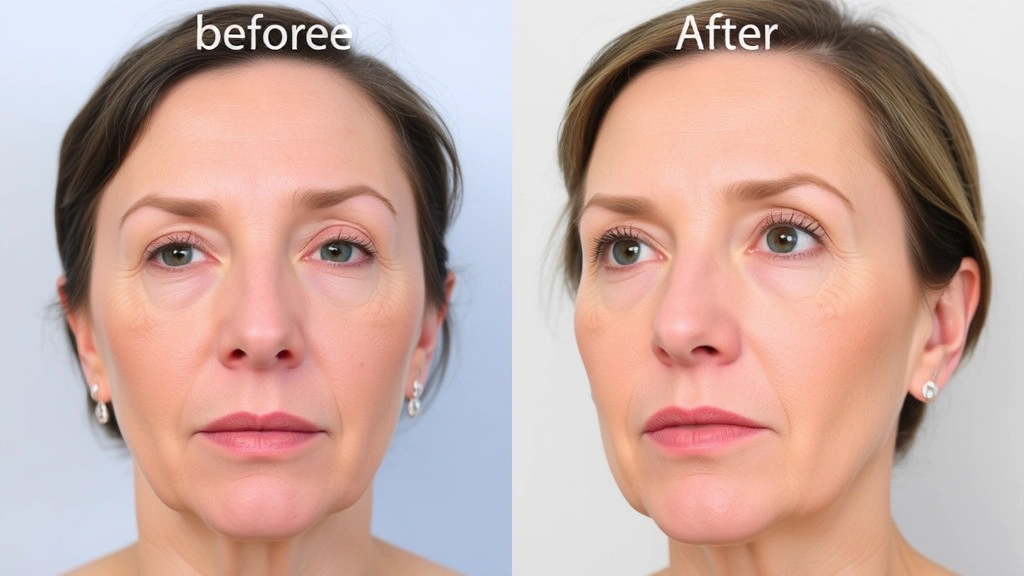
However, board certification alone doesn’t tell the complete story. You should also verify that your surgeon has specific experience with the procedure you’re considering. A surgeon who performs hundreds of facelifts annually will have different expertise than one who performs the procedure occasionally. Request information about the surgeon’s complication rates, before-and-after photos, and patient testimonials. Don’t hesitate to ask how many times they’ve performed your specific procedure.
Professional memberships also indicate a surgeon’s commitment to continuing education and safety standards. Membership in organizations like the American Society of Plastic Surgeons (ASPS) requires adherence to a strict code of ethics and ongoing professional development. When researching surgeons, look for these credentials prominently displayed and verified through official organizational databases.
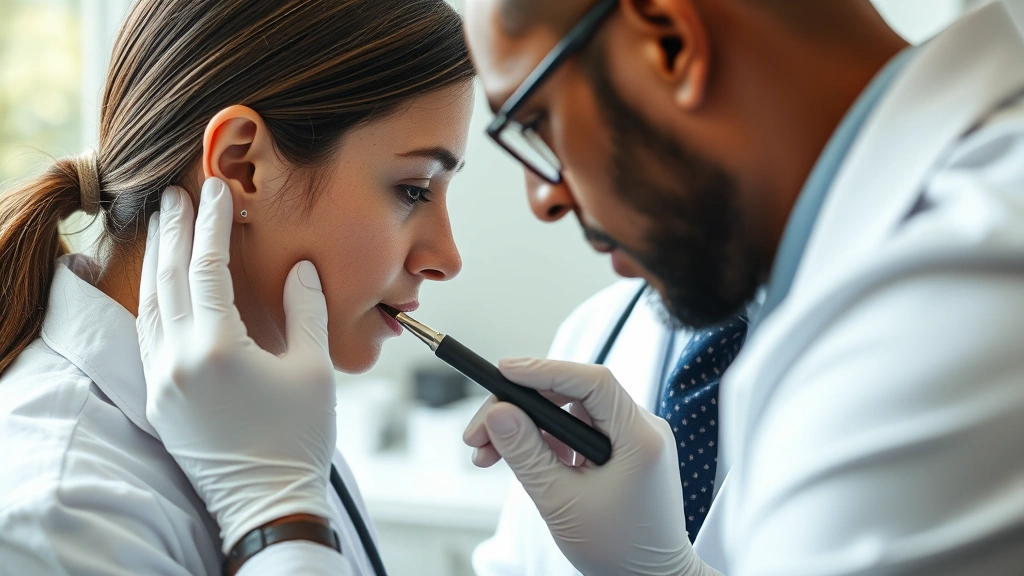
The consultation process itself reveals much about a surgeon’s approach to safety. A responsible cosmetic surgeon will thoroughly discuss potential risks and complications specific to your situation, explain realistic outcomes, and never pressure you into a procedure. They should spend adequate time understanding your goals and assessing whether you’re a good candidate for surgery. Red flags include surgeons who promise guaranteed results, minimize risks, or rush through consultations.
Common Cosmetic Procedures and Their Risk Profiles
Different cosmetic procedures carry varying levels of risk. Understanding the specific risks associated with your desired procedure is essential for making an informed decision. Let’s examine some of the most popular advanced cosmetic surgery procedures:
Breast Augmentation is one of the most commonly performed cosmetic procedures. When performed by a qualified surgeon, serious complications are rare, occurring in less than 1% of cases. The most common concerns include capsular contracture (where scar tissue tightens around the implant), implant rupture, and changes in nipple sensation. Modern implants and surgical techniques have significantly reduced these risks compared to earlier generations.
Liposuction carries slightly higher risks than some other procedures because it involves removing fatty tissue from beneath the skin. Potential complications include contour irregularities, fluid accumulation (seroma), infection, and in rare cases, deep vein thrombosis. The safety of liposuction improves dramatically when the procedure is limited in scope and performed on healthy patients without significant medical conditions.
Facelift Surgery is a more complex procedure with longer recovery times. While serious complications are uncommon, patients should be aware of potential issues including nerve injury (which may cause temporary or permanent facial weakness), hematoma (blood collection), and poor scarring. The risk of serious complications increases with age and certain medical conditions, making careful patient selection crucial.
Rhinoplasty (nose surgery) requires exceptional surgical skill because the nose is highly visible and even minor irregularities are noticeable. Complications may include breathing difficulties, asymmetry, and the need for revision surgery. However, when performed by experienced surgeons, satisfaction rates are high and complications are relatively uncommon.
Abdominoplasty (tummy tuck) involves removing excess skin and tightening abdominal muscles. This is a more invasive procedure with longer recovery periods. Potential complications include seroma, hematoma, and in rare cases, blood clots. The procedure carries higher risks for patients who smoke or have certain medical conditions.
If you’re concerned about surgical options, consider that non-surgical treatments for skin concerns may sometimes provide satisfactory results for certain conditions. Additionally, understanding your skin type and sensitivity before surgery helps your surgeon plan the safest approach.
Pre-Surgery Health Considerations
Your overall health significantly impacts cosmetic surgery safety. Before any procedure, you’ll undergo a comprehensive medical evaluation including blood work and possibly cardiac testing depending on your age and medical history. This pre-operative assessment identifies risk factors that might complicate surgery or anesthesia.
Certain medical conditions increase surgical risk. Uncontrolled diabetes, heart disease, bleeding disorders, and lung disease all warrant careful consideration before cosmetic surgery. Patients with these conditions may still be candidates for surgery, but additional precautions and modifications to the surgical plan may be necessary. Be completely honest with your surgeon about your medical history, medications, and any previous surgical complications.
Smoking is one of the most significant modifiable risk factors for cosmetic surgery complications. Smoking impairs wound healing, increases infection risk, and can lead to tissue death in extreme cases. Most surgeons require patients to quit smoking at least 2-4 weeks before surgery and continue abstaining for several weeks afterward. Some surgeons won’t operate on active smokers due to the substantially increased complication rates.
Medications also play an important role in surgical safety. Blood thinners like aspirin, warfarin, and novel anticoagulants increase bleeding risk during and after surgery. Certain supplements including ginkgo biloba, garlic, and fish oil have blood-thinning properties. Your surgeon will provide specific instructions about which medications to continue and which to stop before surgery. Always disclose all medications and supplements you take, even if you think they’re insignificant.
Psychological readiness is equally important as physical health. Patients with unrealistic expectations, body dysmorphic disorder, or unstable mental health conditions face higher dissatisfaction rates and may experience negative psychological outcomes after surgery. A responsible surgeon will screen for these issues during consultation.
Anesthesia Safety in Cosmetic Procedures
Anesthesia safety has improved dramatically over the past decades through better monitoring technology, improved drugs, and more rigorous training standards. Most cosmetic surgeries use one of three anesthesia options: local anesthesia with sedation, twilight anesthesia (conscious sedation), or general anesthesia.
Local anesthesia with sedation is appropriate for minor procedures and carries minimal systemic risk. The anesthetic is injected directly into the surgical area, numbing tissue while allowing you to remain conscious though relaxed. This option has the lowest complication rate and fastest recovery.
Twilight anesthesia (monitored anesthesia care) is used for intermediate procedures. You’re sedated but not completely unconscious, and your breathing remains spontaneous. This requires careful monitoring by a trained anesthesia professional but is very safe in appropriate candidates.
General anesthesia is necessary for more extensive procedures. You’re completely unconscious and your breathing is controlled. While general anesthesia carries more risk than lighter sedation, the risk of serious complications in healthy patients undergoing elective cosmetic surgery is extremely low—estimated at less than 1 in 10,000 cases.
The safety of anesthesia depends critically on who administers it. Board-certified anesthesiologists or certified registered nurse anesthetists (CRNAs) supervised by anesthesiologists provide the safest anesthesia care. Avoid facilities where anesthesia is administered by non-anesthesia professionals or where anesthesia is provided without proper monitoring equipment.
To optimize anesthesia safety, follow all pre-operative instructions regarding fasting. Eating or drinking before surgery increases aspiration risk. Also disclose your complete medical history, as conditions like sleep apnea, heart disease, and allergies affect anesthesia planning and safety.
Post-Operative Complications and Recovery
While many people focus on intra-operative safety, post-operative complications are equally important. Most cosmetic surgery complications occur after you leave the surgical facility, making proper aftercare essential. Your surgeon should provide detailed post-operative instructions covering wound care, activity restrictions, medication use, and warning signs requiring immediate attention.
Infection is one of the most common post-operative complications, though it remains relatively uncommon (1-3% of procedures). Signs include increasing redness, warmth, swelling, pus drainage, or fever. Infections are typically treatable with antibiotics if caught early but can become serious if ignored. Follow your surgeon’s wound care instructions meticulously and don’t hesitate to contact them if you notice signs of infection.
Hematoma and seroma involve fluid accumulation around the surgical site. Small amounts may resolve spontaneously, but larger collections may require drainage. These complications cause swelling, discomfort, and delayed healing. Proper surgical technique and post-operative compression garments help prevent these issues.
Scarring is inevitable with any surgical procedure, but the quality of scarring varies. Most surgical scars fade significantly over 12-18 months. However, some people develop hypertrophic (thick, raised) or keloid (overgrown) scars, particularly those with darker skin tones or genetic predisposition. Your surgeon can discuss your individual scarring risk and techniques to minimize visible scarring.
Nerve injury can occur with procedures affecting nerves, particularly facial surgery. Temporary numbness or weakness is common and usually resolves within weeks to months. Permanent nerve injury is rare but possible, potentially causing persistent numbness or weakness. Your surgeon should discuss this specific risk during consultation.
Understanding collagen production and skin healing after surgery helps you optimize recovery. Additionally, proper facial care during recovery supports healing and reduces infection risk. Using appropriate hydrating serums as your surgeon recommends can support skin recovery.
Recovery time varies dramatically between procedures. Minor procedures may require only a few days of recovery, while major surgery like abdominoplasty requires 2-3 weeks of significant activity restriction and 6-8 weeks before returning to normal exercise. Don’t rush recovery—returning to activities too quickly increases complication risk and can compromise results.

Choosing the Right Facility
The facility where your surgery is performed significantly impacts safety. There are three main types of surgical facilities: hospital operating rooms, accredited ambulatory surgery centers (ASCs), and office-based surgical suites.
Hospital operating rooms offer the highest level of resources and support, including immediate access to emergency services and intensive care if needed. This makes hospitals the safest choice for complex procedures or patients with significant medical conditions.
Accredited ambulatory surgery centers are outpatient facilities that meet rigorous accreditation standards through organizations like the Accreditation Association for Ambulatory Health Care (AAAHC). These facilities must maintain strict standards for equipment, staffing, infection control, and emergency protocols. ASCs are appropriate for most cosmetic procedures when performed by qualified surgeons.
Office-based surgical suites vary widely in their safety standards. Some office-based surgeries are performed in well-equipped, properly staffed facilities with excellent safety records. However, others lack adequate monitoring equipment, trained staff, or emergency protocols. If your surgeon performs surgery in an office setting, verify that the facility is accredited, properly equipped, and staffed with trained personnel including anesthesia professionals.
Before choosing a facility, ask about accreditation status, infection rates, complication rates, and emergency protocols. Verify that the facility has appropriate monitoring equipment, backup power, emergency medications, and trained staff capable of managing complications. Don’t be shy about requesting this information—responsible facilities are proud of their safety records and happy to share them.
The facility’s infection control practices are particularly important. Ask about sterilization procedures, cleaning protocols, and infection rates. Facilities should use FDA-approved sterilization methods and maintain detailed records. Recent outbreaks of infections traced to poor sterilization practices at cosmetic surgery facilities underscore the importance of verifying these standards.
FAQ
What is the safest cosmetic surgery procedure?
Minor procedures like injectable treatments (Botox, fillers) and laser treatments carry minimal risks when performed by qualified professionals. Among surgical procedures, smaller operations like eyelid surgery or minor liposuction in healthy patients have excellent safety records. However, “safest” depends on individual health status, so discuss your specific situation with your surgeon.
How can I minimize cosmetic surgery risks?
Choose a board-certified surgeon with extensive experience in your specific procedure, use an accredited surgical facility, maintain good overall health, quit smoking, follow all pre-operative instructions, disclose your complete medical history, and carefully follow post-operative care instructions. Realistic expectations and proper patient selection are equally important.
What should I do if I experience complications after cosmetic surgery?
Contact your surgeon immediately if you experience signs of infection (fever, increasing redness, pus), excessive bleeding, severe pain not controlled by prescribed medication, chest pain, difficulty breathing, or any other concerning symptoms. Don’t wait to see if symptoms resolve—early intervention prevents serious complications.
Is it safe to have multiple cosmetic procedures at once?
Combining multiple procedures can be safe in healthy patients, and it reduces overall anesthesia exposure and recovery time. However, extensive combined procedures increase operative time and anesthesia exposure, which can increase complication risk. Your surgeon will recommend the safest approach based on your health and the specific procedures planned.
How do I verify my surgeon’s credentials and experience?
Check board certification through the American Board of Plastic Surgery website, verify membership in professional organizations like ASPS, ask for specific complication rates and revision rates, request before-and-after photos, read verified patient reviews, and ask directly about their experience with your procedure. Don’t rely solely on marketing materials—do independent verification.
What’s the difference between a plastic surgeon and a cosmetic surgeon?
Plastic surgeons complete extensive training in both cosmetic and reconstructive surgery. “Cosmetic surgeon” is a less regulated term that may refer to plastic surgeons or surgeons from other specialties with cosmetic surgery training. Always verify that your surgeon is board-certified in plastic surgery by an organization like ABPS.