Is Cosmetic Perm Safe? Expert Insights on Hair Treatment Risks and Benefits
Cosmetic perms have been a popular hair styling option for decades, offering the promise of long-lasting waves and curls without daily styling effort. However, many people wonder about the safety of these chemical treatments and whether the results justify potential risks to hair health and scalp condition. Understanding what happens during a perm process, the chemicals involved, and how to protect your skin and hair is essential before committing to this transformative treatment.
A cosmetic perm works by breaking down the protein bonds in your hair structure through chemical application, reshaping those bonds into a new curl pattern, and then setting them permanently. While perms can deliver stunning results, they involve potent chemicals that can affect not only your hair but also your scalp and facial skin. This comprehensive guide explores the safety profile of cosmetic perms, examines the chemicals used, discusses potential risks, and provides expert recommendations for protecting your skin during and after the treatment.
How Cosmetic Perms Work: The Chemical Process
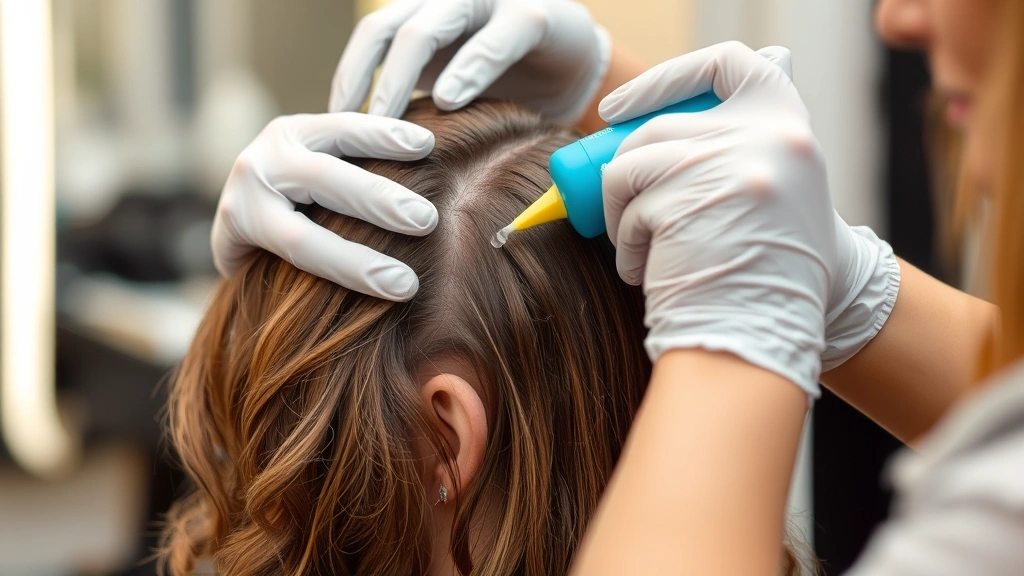
Understanding how a cosmetic perm functions chemically helps explain why safety considerations matter. The perm process involves three main stages: reduction, processing, and oxidation. During the reduction phase, a chemical solution—typically containing ammonium thioglycolate or glyceryl thioglycolate—penetrates the hair shaft and breaks the disulfide bonds that give hair its natural structure. These bonds hold the amino acids in your hair together, determining whether your hair is straight, wavy, or curly.
Once these bonds are broken, your hair becomes moldable. Hair is wound tightly around rods of various sizes, and the processing solution continues working while the hair is in this new shape. The timing is crucial; leaving the solution on too long can damage hair irreparably, while removing it too soon results in a failed perm. After the appropriate processing time—usually 15 to 30 minutes depending on hair type and desired curl intensity—a neutralizing solution containing hydrogen peroxide is applied. This oxidizing agent reforms the disulfide bonds in their new curved configuration, essentially locking in the curl pattern permanently.
The entire process can take two to four hours, and the chemicals involved are strong enough to permanently alter hair structure. This same strength that creates beautiful curls can also pose risks to your skin, scalp, and hair health if not applied carefully. Understanding this chemical mechanism is the first step in assessing whether a cosmetic perm is safe for your individual needs.
Chemicals Involved in Perm Treatments: What’s in the Solution
The primary active ingredients in perm solutions are thiols or thioglycolic acid derivatives. Ammonium thioglycolate has been the industry standard for decades, while glyceryl thioglycolate is considered a gentler alternative. These chemicals work by cleaving disulfide bonds, but they’re potent substances that require professional handling. The chemical odor many people associate with perms comes primarily from thioglycolic acid, which is quite pungent and can cause respiratory irritation in poorly ventilated spaces.
Beyond the main active ingredient, perm solutions typically contain ammonia to raise the pH level, making the solution alkaline enough to open the hair cuticle and allow the reducing agent to penetrate. Ammonia itself can cause scalp irritation, chemical burns, and respiratory issues if inhaled in high concentrations. Many modern perm systems have reduced ammonia content to improve safety and comfort, but it remains a significant component in most traditional formulations.
The neutralizer, usually containing hydrogen peroxide, is equally important and potentially irritating. Hydrogen peroxide oxidizes the reformed bonds and stops the reduction process. Depending on the concentration, hydrogen peroxide can cause scalp irritation, chemical burns on sensitive skin, and may contribute to skin inflammation in susceptible individuals. Some professional formulations include conditioning agents, buffering systems, and protective ingredients to minimize irritation, but these don’t eliminate the inherent risks of the chemical process.
Additionally, perm solutions often contain surfactants, preservatives, and other additives. Sodium lauryl sulfate and other surfactants help the solution penetrate hair evenly, but they can also strip natural oils from your scalp and cause irritation. Preservatives prevent bacterial growth but may trigger allergic reactions in sensitive individuals. Before any perm treatment, professionals should conduct a patch test to identify potential allergic reactions to these various chemical components.
Skin and Scalp Risks: Understanding Potential Adverse Reactions
The most common skin-related risk from cosmetic perms is chemical irritation or burns on the scalp. If perm solution comes into direct contact with the scalp—which can happen if the application isn’t done carefully or if the scalp has any cuts or abrasions—it can cause painful chemical burns. The alkaline nature of perm solutions makes them particularly problematic for skin contact, as they can denature proteins and damage skin cells. Symptoms include redness, burning sensation, itching, and in severe cases, blistering or open sores.
Allergic contact dermatitis is another significant concern. Some individuals are allergic to thioglycolic acid, ammonia, hydrogen peroxide, or other components in perm solutions. An allergic reaction can manifest as a rash, severe itching, swelling, or even anaphylaxis in extreme cases. This is why professional patch tests are so important—they can identify these allergies before a full-head application. However, some people develop allergies over time after multiple perm treatments, meaning you could have had successful perms in the past but react negatively to a new treatment.
Scalp sensitivity increases after chemical treatments. The alkaline perm solution temporarily raises your scalp’s pH, disrupting its natural acid mantle. This protective barrier normally keeps your skin healthy and prevents bacteria and irritants from penetrating. When compromised, your scalp becomes more vulnerable to irritation from shampoos, conditioners, and environmental factors. This is why using gentle cleansers for sensitive skin becomes particularly important after a perm.
People with existing scalp conditions like psoriasis, eczema, or seborrheic dermatitis face elevated risks. Chemical treatments can exacerbate these conditions, causing flare-ups that may take weeks to resolve. Additionally, if you have any open wounds, cuts, or infections on your scalp, a perm treatment is contraindicated until the skin has fully healed. The chemicals can enter the bloodstream through broken skin and cause systemic reactions.
Facial skin can also be affected, particularly around the hairline, temples, and ears. Perm solution that drips or splashes onto facial skin can cause irritation or burns. The skin around these areas is often more delicate than scalp skin and more prone to irritation. Some salons apply petroleum jelly or protective creams along the hairline to prevent this, but even with precautions, some irritation can occur in sensitive individuals.
Hair Damage and Breakage: Long-Term Effects on Hair Health
While the primary concern for many is skin safety, the effects on hair structure are equally important. A cosmetic perm permanently alters your hair’s protein structure, and this chemical alteration comes with consequences. The reduction process that creates the curl can also weaken hair strands, making them more prone to breakage. This is especially true for hair that’s already compromised by previous chemical treatments like coloring, relaxing, or straightening.
Hair porosity—the hair’s ability to absorb and retain moisture—changes after a perm. The cuticle layer, which normally lies flat and smooth, becomes slightly raised during the perm process. While this allows the chemical solution to penetrate, it also means your hair’s surface becomes rougher and more porous. Porous hair loses moisture more quickly, leading to dryness, frizz, and a straw-like texture if not properly maintained. This is why post-perm hair care is critical and involves using hydrating products like hyaluronic acid serum adapted for hair, along with protein-rich treatments and ceramides to restore the hair’s moisture barrier.
Split ends and breakage become more common after a perm. The weakened protein structure and increased porosity make hair more susceptible to damage from heat styling, friction, and environmental stressors. Many people find they need regular trims more frequently after getting a perm to maintain healthy-looking hair. In some cases, particularly with fine or previously damaged hair, the breakage can be severe enough that the perm result looks disappointing within weeks.
The cumulative effect of multiple perms compounds the damage. If you get a perm every six to eight months, as some people do to maintain their curls, your hair undergoes repeated chemical stress. Over years, this can lead to severely compromised hair integrity, with hair that breaks easily, tangles constantly, and lacks shine. Professional stylists often recommend spacing perms at least three to four months apart and limiting them to once or twice yearly for healthier hair.
Additionally, combining a perm with other chemical treatments multiplies the risk. If you color your hair and get a perm, or if you straighten your hair and then perm it, the cumulative chemical exposure can cause dramatic damage. Many experts recommend spacing these treatments at least two weeks apart and avoiding them simultaneously. Some hair types, particularly fine, thin, or previously damaged hair, may not be suitable candidates for perms at all due to the high risk of severe damage.
Safety Precautions and Aftercare: Protecting Your Skin and Hair
If you decide to proceed with a cosmetic perm, following proper safety protocols is essential. The first step is choosing a reputable, experienced salon with professional stylists trained in perm application. Professionals understand how to properly assess your hair type, determine appropriate processing times, and apply the chemicals safely to minimize scalp contact. They should conduct a thorough consultation, asking about your hair history, previous chemical treatments, scalp condition, and any known allergies.
A patch test should always be performed 24 to 48 hours before the perm appointment. This involves applying a small amount of the perm solution and neutralizer to a small area of skin, usually behind the ear, and monitoring for allergic reactions. Even if you’ve had perms before without problems, patch testing for each new treatment is wise, as allergies can develop over time. Some salons skip this step to save time, but any professional worth trusting will insist on it.
Before your perm appointment, ensure your scalp is healthy and intact. Avoid aggressive brushing, scalp treatments, or anything that might cause irritation for at least a week beforehand. Don’t wash your hair the day of the appointment; the natural oils on your scalp provide protection during the chemical process. If you have any scalp irritation, cuts, or active skin conditions, reschedule your appointment until your scalp has fully healed.
During the application, communicate clearly with your stylist about any discomfort. Some tingling is normal, but burning or intense pain indicates a problem that should be addressed immediately. If you experience significant discomfort, ask your stylist to rinse the solution out early, even if this means the perm won’t take properly. Your skin health is more important than achieving the perfect curl.
After your perm, proper aftercare is crucial for both scalp health and hair integrity. Wait at least 48 hours before shampooing to allow the newly formed bonds to fully stabilize. When you do wash, use lukewarm water—hot water can open the cuticle and loosen the curl. Invest in a sulfate-free shampoo and conditioner designed for curly or chemically treated hair. Regular sulfate-based shampoos can strip away the conditioning agents and cause frizz.
Deep conditioning treatments should become a weekly or bi-weekly ritual after a perm. Consider treatments containing aloe vera gel or other soothing botanicals to calm the scalp while nourishing the hair. Protein treatments help rebuild the hair structure damaged during the perm process. Leave-in conditioners and hair oils can help manage frizz and maintain moisture levels in the newly porous hair.
Minimize heat styling for at least the first two weeks after a perm, and ideally longer. Heat can disrupt the newly set bonds and cause the curl to relax prematurely. If you must use heat, always apply a heat protectant product first. Avoid chlorine, as it can interact with the perm chemicals and cause color changes or texture damage. If you swim, wet your hair with fresh water and apply conditioner first, then wear a swim cap to minimize chlorine exposure.
Safer Alternatives to Cosmetic Perms: Exploring Other Options
If you’re concerned about the safety risks of chemical perms but still desire curly or wavy hair, several alternatives exist that pose fewer risks to your skin and hair health. Temporary wave-setting methods like pin curls, roller sets, or flexi-rods create waves or curls that last until your next shampoo. While this requires regular styling effort, it poses no chemical risk and can actually improve hair health by encouraging natural air-drying instead of heat styling.
Semi-permanent wave enhancers and curl-setting lotions offer a middle ground. These products, often containing ingredients like polyquaterniums and conditioning agents, can enhance your hair’s natural wave pattern or create loose waves without the permanent chemical alteration of a perm. They wash out gradually over several weeks or months, making them reversible if you don’t like the results. While they still contain chemicals, they’re generally gentler than traditional perm solutions.
Heatless curling methods have gained popularity recently. Techniques like the “wet set” method, using curl-setting sprays, or sleeping in braids or pin curls can create beautiful waves without any chemicals or heat damage. These methods require patience and practice but pose zero risk to scalp or hair health. Many people find that combining these methods with the right skincare and hair care routines for their specific hair type yields excellent results.
Japanese thermal straightening (also called Japanese hair straightening) is sometimes considered an alternative for those wanting to change their hair texture, though it carries its own risks similar to perms. Keratin treatments offer a gentler way to reduce frizz and add smoothness without permanent alteration, though they also involve chemicals and require careful application.
For those with naturally straight hair wanting curls, embracing your natural texture or using non-chemical methods might be the safest long-term option. Many people find that using the right products and techniques for their hair type—whether straight, wavy, or curly—allows them to work with their natural texture rather than against it, ultimately resulting in healthier, more manageable hair.
FAQ
Are cosmetic perms safe for sensitive skin?
Cosmetic perms carry increased risks for people with sensitive skin because the chemicals involved can trigger irritation or allergic reactions more easily. If you have sensitive skin, a thorough patch test is essential, and you should discuss your sensitivity with your stylist before proceeding. Many professionals recommend avoiding perms altogether if you have conditions like eczema or psoriasis on your scalp, as the chemical treatment can exacerbate these conditions significantly.
How long does a perm last, and is it worth the risk?
A cosmetic perm typically lasts 3 to 6 months, depending on your hair growth rate and how well you maintain the curls. As your hair grows, new straight hair appears at the roots, creating a two-toned effect. Whether the temporary results justify the chemical risks is a personal decision that depends on how much you value having curly hair and how well your hair tolerates the treatment. If you find yourself needing frequent touch-ups, the cumulative damage may outweigh the aesthetic benefits.
Can I perm my hair if I’ve recently colored it?
It’s best to wait at least 1-2 weeks between coloring and perming, and ideally longer. Both processes involve strong chemicals that stress your hair, and doing them too close together dramatically increases damage risk. Some professionals recommend spacing these treatments 3-4 weeks apart or limiting them to different seasons. Always consult with your stylist about the best timing based on your hair’s condition and the specific products being used.
What should I do if I experience a chemical burn from a perm?
If you develop a chemical burn during or after a perm, rinse the affected area immediately with cool water for at least 15 minutes. Remove any contaminated clothing and do not apply any products to the burned area. Seek medical attention if the burn is severe, blistered, or covers a large area. For minor irritation, cool compresses and fragrance-free moisturizers may help, but avoid applying anything without medical guidance if the burn is significant.
Is there a way to make perms safer?
While no perm is completely risk-free, several measures can reduce risks: choose an experienced professional, always get a patch test, ensure your scalp is healthy before treatment, communicate discomfort during the process, and follow meticulous aftercare. Some salons offer gentler perm formulations with reduced ammonia or alternative reducing agents, which may be less irritating. Additionally, limiting perm frequency and avoiding combining perms with other chemical treatments reduces cumulative damage.
Can men get perms, and are there different safety considerations?
Yes, men can get perms, and the chemical process is identical. However, men often have shorter hair, which means the chemicals are applied closer to the scalp throughout the process. Additionally, men’s hair is often thicker and coarser, which can affect how the chemicals work. The same safety precautions apply: patch testing, professional application, and proper aftercare are equally important for men getting perms.