Can Makeup Art Improve Skills? Artist Insights
Makeup artistry transcends mere cosmetic application—it’s a sophisticated discipline that develops technical precision, color theory mastery, and creative problem-solving abilities. Professional makeup artists consistently report that their practice transforms not only their artistic capabilities but also their understanding of facial anatomy, light manipulation, and skin chemistry. Whether you’re exploring cosmetics drawings as a learning tool or considering makeup artistry as a career path, the skill development potential is substantial and measurable.
The intersection of makeup application and artistic growth reveals compelling insights about how hands-on practice with pigments, textures, and formulations accelerates learning across multiple domains. Artists who dedicate themselves to understanding both the aesthetic and scientific aspects of cosmetics develop a unique skill set that enhances their professional marketability and creative confidence. This comprehensive exploration examines how makeup artistry cultivates transferable skills, backed by practitioner experiences and industry standards.
Understanding Makeup Art as a Skill Development Tool
Makeup artistry functions as a comprehensive skill-building platform that integrates artistic expression with scientific understanding. When artists engage in cosmetics drawings and practical application, they’re simultaneously developing hand-eye coordination, spatial reasoning, and aesthetic judgment. The discipline requires understanding how different formulations interact with various skin types and sensitivities, which deepens knowledge about skin chemistry and ingredient compatibility.
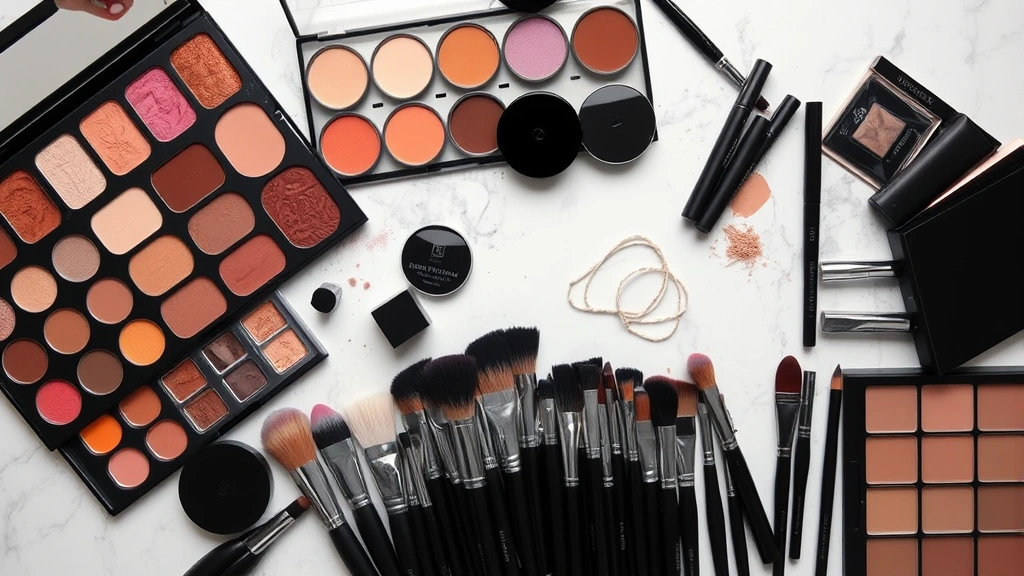
Professional makeup artists emphasize that consistent practice with different product types—from foundations to pigments to specialty formulations—builds muscle memory and intuitive understanding that cannot be acquired through theoretical study alone. The tactile experience of blending, layering, and shaping with cosmetic products creates neural pathways that enhance overall artistic capability. Many successful artists report that their makeup practice improved their abilities in other visual arts, including painting, sculpture, and digital design.
The skill development process in makeup artistry follows established progression patterns. Beginners typically start with basic application techniques, gradually advancing toward complex corrections, special effects, and editorial work. This structured learning path provides clear benchmarks for improvement and allows artists to identify specific areas requiring additional focus and refinement.
Technical Skills Enhanced Through Cosmetics Practice
Makeup application demands exceptional technical precision that rivals surgical or engineering disciplines. Artists must develop steady hands, precise control over pressure application, and the ability to work symmetrically across facial features. These technical skills transfer directly to other professional contexts, from illustration to healthcare applications. The practice of blending pigments seamlessly, creating defined lines, and maintaining product consistency builds foundational technical competencies.
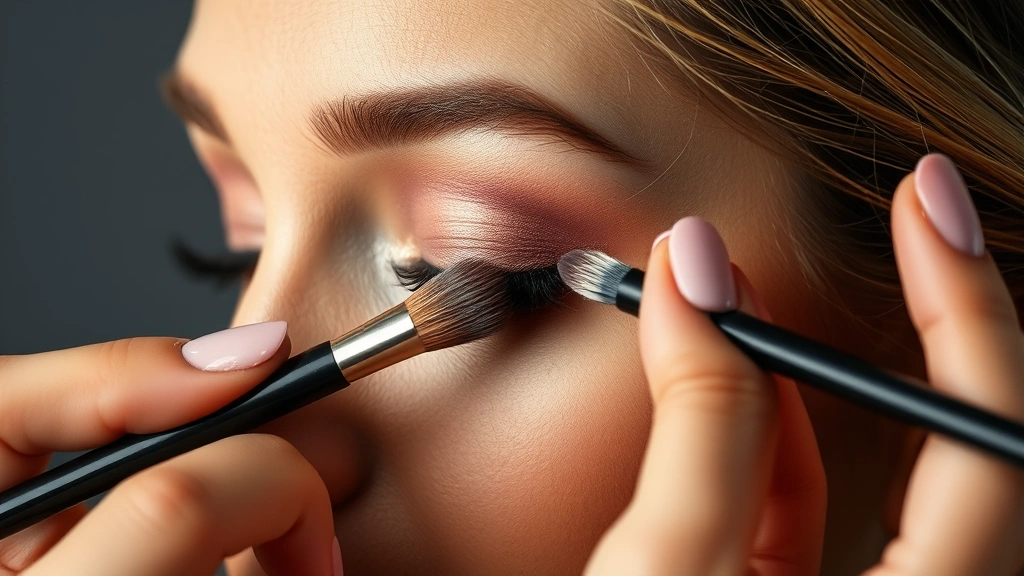
Brush control represents one of the most critical technical skills developed through makeup practice. Artists learn to manipulate various brush shapes and sizes to achieve specific effects—from delicate detail work to broad coverage applications. This brush mastery parallels skills required in traditional painting, illustration, and decorative arts. Professional makeup artists often report that their brush technique improvements directly enhanced their performance in other artistic mediums.
Product knowledge acquisition constitutes another significant technical skill. Understanding viscosity, blending properties, setting capabilities, and longevity characteristics of different formulations requires systematic study and experimentation. Artists develop quality assessment abilities, learning to identify premium products versus inferior alternatives through texture analysis, application experience, and performance evaluation. This discriminating eye extends to evaluating other products and materials across industries.
Corrective techniques represent advanced technical skills that require understanding facial geometry and light interaction. Learning to use proper application methods to minimize skin inflammation while achieving desired aesthetic outcomes demonstrates sophisticated technical integration. Artists master contouring, highlighting, and corrective shading to address specific facial features, which requires mathematical understanding of proportion and three-dimensional visualization.
Color Theory and Pigment Knowledge
Makeup artistry provides intensive, practical application of color theory principles that academic study alone cannot replicate. Artists working with cosmetics drawings and actual pigments develop intuitive understanding of complementary colors, undertones, saturation levels, and color harmony. The immediate visual feedback from mixing and applying colors accelerates learning exponentially compared to theoretical instruction.
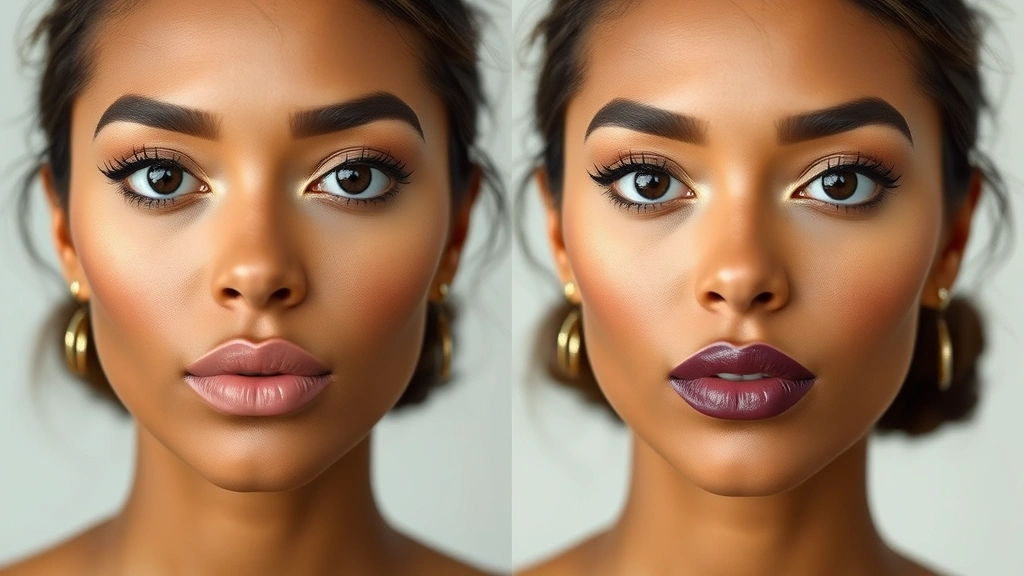
Undertone analysis becomes second nature through consistent makeup practice. Artists learn to identify warm, cool, and neutral undertones in both products and skin, understanding how these interactions affect overall appearance. This knowledge extends beyond makeup application to wardrobe selection, interior design consultation, and other color-dependent professions. The ability to assess undertones quickly and accurately represents a quantifiable skill enhancement.
Pigment chemistry understanding develops as artists experiment with different formulations and ingredient combinations. Learning why certain pigments interact with specific base ingredients, how stabilizers affect color intensity, and why some combinations separate or change over time builds chemistry knowledge applicable beyond cosmetics. This scientific foundation supports understanding of skincare products with antioxidants and protective ingredients, demonstrating the interconnected nature of cosmetic science.
Color matching skills represent another measurable competency developed through makeup practice. Artists become skilled at identifying the precise shade needed to match skin tone, correct discoloration, or achieve specific aesthetic goals. This color-matching ability transfers to photography, fashion styling, graphic design, and numerous other professional fields requiring precise color identification and reproduction.
Facial Anatomy Mastery Through Application
Practical makeup application necessitates detailed anatomical knowledge that transcends typical art education. Artists must understand facial bone structure, muscle placement, skin thickness variations, and how these anatomical features change with age and movement. This hands-on learning approach embeds anatomical knowledge more effectively than studying diagrams or textbooks alone.
The study of facial proportions becomes intuitive through makeup practice. Artists learn standard proportional relationships—eye placement relative to face width, nose width relative to eye spacing, lip proportions relative to face dimensions—and develop the ability to identify deviations from these standards. This proportional literacy enhances all figurative artwork and demonstrates measurable skill improvement in representational arts.
Age-related anatomy understanding develops as artists work with clients across different age groups. Learning how skin changes with maturation, how facial features shift with gravity and muscle tone loss, and how to address these changes through strategic product application builds sophisticated anatomical knowledge. This expertise supports career advancement into specialized areas like bridal makeup, editorial work, and age-specific styling consultation.
Muscle dynamics knowledge emerges from understanding how facial expressions affect makeup appearance and longevity. Artists learn which muscles control different expressions, how movement affects product placement, and how to apply makeup that accommodates natural facial movement. This dynamic anatomical understanding surpasses static anatomical study and provides insights applicable to animation, character design, and performance arts.
Building Professional Competency
The progression from hobbyist to professional makeup artist demonstrates clear, measurable skill development across multiple dimensions. Professional competency encompasses technical excellence, business acumen, client communication, and portfolio development. Artists who systematically advance through these competency levels report significant improvements in overall professional capabilities and earning potential.
Portfolio development represents a critical competency-building exercise. Creating diverse makeup looks that demonstrate range, technique mastery, and creative vision requires strategic planning, execution excellence, and critical self-assessment. The process of curating portfolio pieces develops aesthetic judgment, understanding of market trends, and ability to identify personal strengths and areas requiring improvement.
Client consultation skills develop through consistent practice with diverse clientele. Artists learn to assess client preferences, explain technical limitations, manage expectations, and deliver results that exceed anticipated satisfaction. These communication and interpersonal skills transfer directly to other professional contexts, enhancing overall career marketability beyond makeup artistry specifically.
Time management and efficiency represent measurable skill improvements in professional makeup artistry. Artists working toward career advancement must develop the ability to execute complex looks within time constraints while maintaining quality standards. This efficiency improvement demonstrates broader professional capability development that supports success across industries and contexts.
Specialized Techniques and Advanced Artistry
Advanced makeup artistry encompasses specialized techniques including special effects makeup, theatrical applications, bridal artistry, and editorial work. Each specialization requires developing distinct technical skills and knowledge bases. Artists pursuing specialization report significant skill development acceleration and enhanced creative satisfaction through focused practice in chosen areas.
Special effects makeup demands understanding of prosthetics, adhesives, blood simulation products, and realistic injury recreation. This specialization requires anatomical knowledge, chemistry understanding, and artistic skill integration at sophisticated levels. Artists working in this field develop expertise applicable to film production, theater, and entertainment industries.
Bridal makeup specialization requires understanding of skincare routines that promote glowing skin, longevity techniques, and how makeup photographs under various lighting conditions. This specialization demands expertise in addressing common skin concerns while maintaining desired aesthetic results. The skill development here extends to understanding lighting, photography, and how products perform under professional photography conditions.
Editorial and creative makeup artistry pushes artistic boundaries and develops conceptual thinking alongside technical skills. Artists working in this space develop visual storytelling abilities, trend forecasting capabilities, and creative problem-solving skills. The collaborative nature of editorial work enhances communication, teamwork, and ability to interpret creative direction from diverse sources.
Business and Communication Skills
Professional makeup artistry development inherently includes business skill development. Successful artists must develop pricing strategies, marketing capabilities, client management systems, and financial literacy. These business competencies represent measurable skill improvements that support entrepreneurial success regardless of industry context.
Social media marketing skills develop through necessity in modern makeup artistry. Artists learn photography, image editing, caption writing, and audience engagement strategies to build professional platforms. These digital marketing skills transfer directly to other business contexts and represent increasingly valuable professional competencies in contemporary markets.
Negotiation and contract understanding become essential for artists working in various professional capacities. Learning to negotiate rates, understand usage rights, manage client expectations through contracts, and protect intellectual property develops sophisticated business literacy. These competencies enhance professional capability and financial stability.
Networking and relationship-building skills develop naturally through makeup artistry practice. Building relationships with photographers, stylists, designers, and other creative professionals expands opportunities and develops sophisticated professional communication abilities. The collaborative nature of makeup artistry in many contexts—film production, fashion, theater—requires and develops strong interpersonal and networking skills.
Continuing education commitment represents another professional skill developed through makeup artistry. Successful artists recognize the importance of staying current with product innovations, technique developments, and industry trends. This commitment to lifelong learning demonstrates professional maturity and supports sustained career success and skill development across decades.
FAQ
How long does it take to develop significant makeup artistry skills?
Measurable skill improvement typically occurs within 3-6 months of consistent practice, with professional competency developing over 1-2 years of dedicated study and application. However, skill development is ongoing, with experienced artists continuously refining techniques and expanding specializations throughout their careers.
Can makeup artistry skills transfer to other artistic disciplines?
Absolutely. Skills developed through makeup practice—color theory mastery, anatomical understanding, hand precision, creative problem-solving—transfer directly to painting, illustration, sculpture, and digital design. Many professional artists report that makeup practice significantly enhanced their abilities in other artistic mediums.
What role does skin knowledge play in makeup artistry skill development?
Understanding skin types, conditions, and how to address concerns like those discussed in articles about dark circles under eyes and facial massage benefits is essential for professional makeup artistry. This knowledge ensures makeup application enhances skin health rather than causing damage, and develops sophisticated understanding of skin physiology applicable across beauty and wellness industries.
Does makeup artistry require formal education?
While formal education provides structured learning and industry connections, many successful makeup artists developed skills through self-directed practice, online resources, and mentorship. However, formal programs accelerate learning and provide credibility in competitive markets. The most successful artists often combine formal education with continuous self-directed learning.
How do cosmetics drawings contribute to skill development?
Cosmetics drawings serve as planning and practice tools that develop visualization abilities, proportional accuracy, and creative ideation. Sketching makeup designs before application enhances planning capabilities and allows artists to experiment with concepts without product waste, accelerating skill development through thoughtful practice.
What resources support makeup artistry skill development?
Professional resources include beauty industry associations, cosmetic chemistry databases, beauty trade publications, and cosmetic scientists organizations that provide education, networking, and industry standards information. Supplementing these resources with mentorship, portfolio building, and consistent practice optimizes skill development.