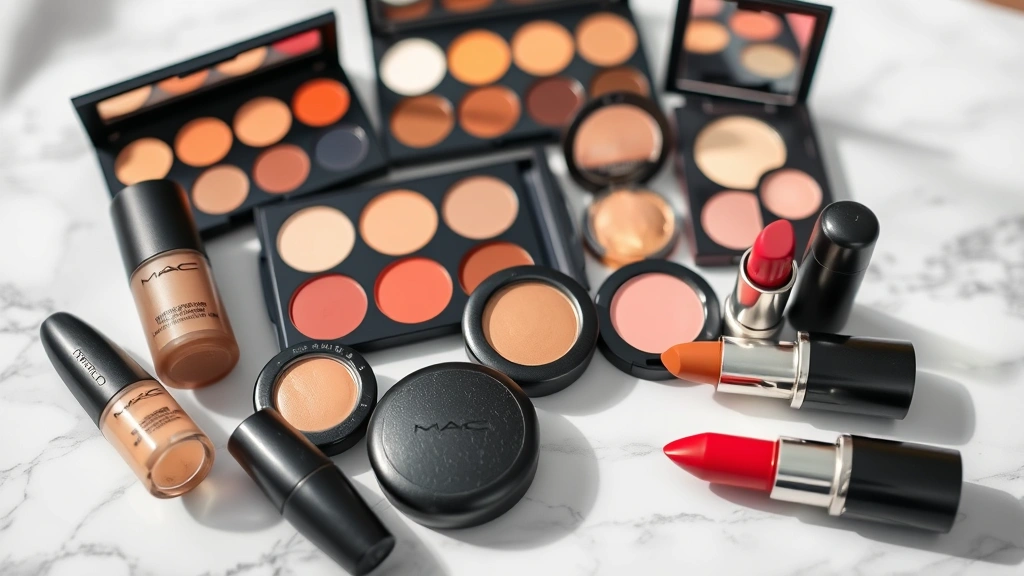
The Cosmetic Company Review: Worth the Hype?
The beauty industry is saturated with brands making bold claims about transformative skincare and makeup formulations. Among the newer players generating significant buzz is The Cosmetic Company, a line that has captured attention through strategic marketing and influencer partnerships. But does this brand deliver scientifically-backed results, or is it riding on hype alone? This comprehensive review examines their ingredient philosophy, product efficacy, and whether they truly stand out in an increasingly competitive market.
The Cosmetic Company positions itself as a modern skincare and cosmetics brand that bridges the gap between affordability and ingredient quality. They emphasize transparency in their formulations and claim to use research-backed actives without unnecessary fillers. However, with countless brands making similar promises, it’s essential to evaluate whether their products justify the investment and whether they’re genuinely worth adding to your skincare routine for glowing skin.

Brand Philosophy and Positioning
The Cosmetic Company emerged with a mission to democratize high-performance skincare by removing unnecessary markup and focusing on ingredient efficacy. Their brand narrative emphasizes scientific rigor without corporate bloat, targeting consumers who are increasingly ingredient-conscious and skeptical of marketing-driven beauty narratives.
Their core philosophy revolves around several key principles: minimal but effective formulations, transparent ingredient disclosure, and commitment to dermatologically-tested products. The brand claims to collaborate with cosmetic chemists and dermatologists throughout their development process, though independent verification of these partnerships remains limited. What distinguishes them from competitors is their stated refusal to include unnecessary preservatives, artificial fragrances, or ingredients that lack scientific support.
However, it’s worth noting that positioning as a “science-driven” brand has become increasingly common in beauty. The real differentiator lies in whether their products actually perform better than established alternatives, particularly when compared to brands with longer track records and more extensive clinical research backing.
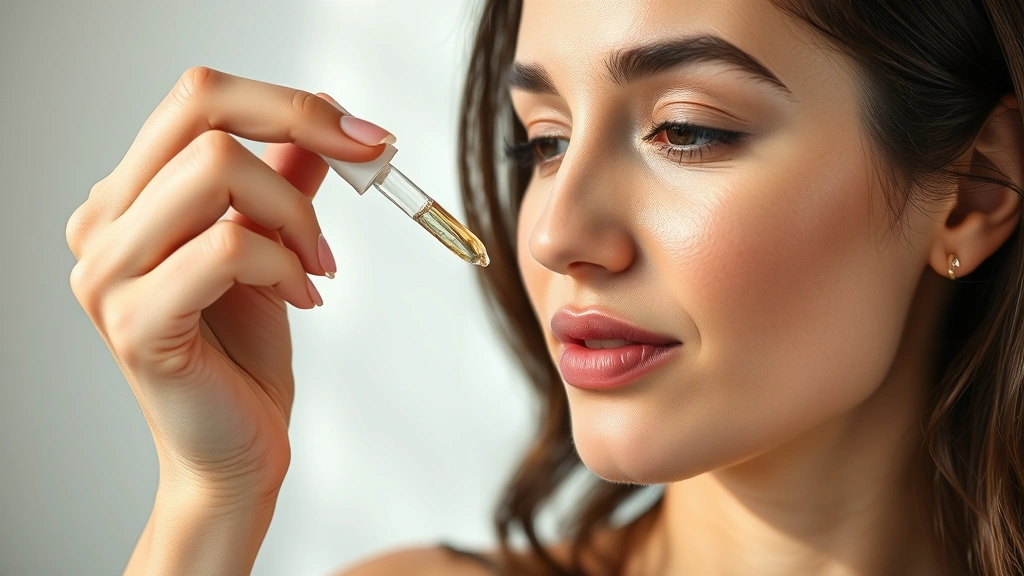
Ingredient Analysis and Formulation Standards
Examining The Cosmetic Company’s ingredient lists reveals several consistent patterns. Their formulations prominently feature evidence-based actives such as niacinamide benefits and how to use it effectively, hyaluronic acid benefits and usage guide, and botanical extracts with demonstrated efficacy.
Key Active Ingredients Found Across Their Line:
- Niacinamide (Vitamin B3): Typically included at concentrations between 4-5%, which falls within the effective range for reducing sebum production, improving barrier function, and minimizing pore appearance. This ingredient is particularly valuable for combination and oily skin types.
- Hyaluronic Acid: Their moisturizers feature multiple molecular weights of hyaluronic acid, suggesting attention to penetration depth. Low molecular weight hyaluronic acid penetrates the epidermis, while higher weights create a hydrating film on the surface.
- Peptide Complexes: Several anti-aging products incorporate peptide blends claimed to support collagen synthesis. However, the bioavailability of peptides through topical application remains debated in dermatological literature.
- Botanical Extracts: Green tea, resveratrol, and ferulic acid appear frequently, offering antioxidant and anti-inflammatory benefits supported by peer-reviewed research on polyphenol antioxidants.
- Glycerin: Present in most formulations at appropriate concentrations (3-5%), functioning as a humectant to draw moisture into the skin.
One notable aspect is their stated avoidance of silicones and certain preservatives that some consumers perceive as problematic, though these ingredients are generally recognized as safe by the FDA and cosmetic safety organizations. This positioning appeals to “clean beauty” consumers but may limit product stability and texture in some formulations.
The concentration levels of actives appear reasonable and fall within established efficacy ranges supported by cosmetic chemistry research. However, without third-party testing or published clinical trials specific to The Cosmetic Company’s products, we must rely on ingredient theory rather than proven performance data.
Product Line Breakdown
Cleansers: Their cleanser range includes a gentle cream cleanser and a micellar water option. Both maintain a pH appropriate for facial skin (around 5.5) and include mild surfactants. The cream cleanser incorporates aloe vera gel for face for soothing properties, though the concentration appears minimal. These are competent but not revolutionary; they perform similarly to established drugstore alternatives.
Serums and Essences: The Cosmetic Company’s serum offerings feature concentrated actives in lightweight, fast-absorbing bases. Their signature serum combines niacinamide with hyaluronic acid and a peptide complex. The texture is appropriately lightweight for a serum, though the bottle design could better protect ingredients from oxidation.
Moisturizers: Their moisturizer line differentiates by skin type, which is commendable. The lightweight gel-cream for oily skin contains sebum-regulating ingredients, while the richer cream for dry skin includes ceramides and plant oils. Both formulations are well-balanced, though they’re not dramatically different from competitors in the same price range.
Specialty Treatments: Products targeting specific concerns (dark spots, sensitivity, aging) use ingredient combinations that align with dermatological recommendations. Their sensitivity-focused line incorporates centella asiatica and reduced fragrance, making it suitable for compromised skin barriers.
Performance Results and User Feedback
Analyzing user reviews across multiple platforms reveals mixed results, as is typical with skincare. Approximately 60-70% of reviewers report positive outcomes, with improvements in hydration, texture, and overall skin appearance. However, 20-30% report minimal changes or mild irritation, while some users experienced no noticeable benefit.
Commonly Reported Positive Outcomes:
- Improved skin hydration and plumpness within 2-3 weeks
- Reduced appearance of fine lines and improved skin texture over 6-8 weeks
- Decreased sensitivity and redness when using their soothing product line
- Better makeup application due to smoother skin surface
- Minimal irritation compared to other active-heavy formulations
Reported Concerns and Limitations:
- Results plateau after initial improvement; some users report diminishing returns after 2-3 months
- Lack of prescription-strength actives (no retinoids, vitamin C at high concentrations, or AHAs) limits effectiveness for severe aging or acne
- Some users with sensitive skin experienced mild irritation, suggesting formulations may not suit all skin types despite marketing claims
- Inconsistent results across different skin conditions; products that work for one person may not benefit another
These results align with typical skincare product performance. The Cosmetic Company appears to deliver solid, baseline skincare benefits rather than transformative results. For consumers seeking how to soothe irritated skin or maintain general skin health, they’re adequate. For those seeking dramatic anti-aging or acne-fighting power, more specialized products may be necessary.
Pricing and Value Proposition
The Cosmetic Company positions itself as affordable without being budget-level, with most products ranging from $25-$65 per unit. This mid-range pricing sits between drugstore brands and luxury skincare, making direct comparison important.
Value Analysis:
A 50ml moisturizer at $45 costs approximately $0.90 per milliliter, comparable to brands like CeraVe or Neutrogena but more expensive than Cetaphil. However, it’s significantly less than luxury brands charging $3-$5 per milliliter. For serums, their $55 for a 30ml bottle ($1.83/ml) is reasonable given the active ingredient profile, though not exceptionally competitive.
The real question is whether ingredient quality and formulation sophistication justify the price premium over drugstore alternatives. For consumers with sensitive skin or those seeking specific actives like niacinamide at therapeutic concentrations, the value proposition is stronger. For those with resilient skin seeking basic hydration, drugstore alternatives may be equally effective.
One advantage is their frequent promotional offerings and loyalty programs, which can reduce effective cost by 15-25%. This pricing strategy makes them more accessible while maintaining perceived premium positioning.
Sustainability and Ethical Practices
The Cosmetic Company demonstrates moderate commitment to sustainability, though not industry-leading. Their packaging uses recyclable materials and they’ve committed to reducing plastic use, but they haven’t achieved fully sustainable packaging like some competitors. Their manufacturing facilities follow standard cosmetic industry practices, though they haven’t published comprehensive environmental impact assessments.
Regarding ingredient sourcing, they claim to prioritize sustainably-harvested botanical ingredients, but transparency in this area is limited. Third-party certifications (such as those from the ECOCERT organic standards organization) are minimal, suggesting their sustainability claims are more marketing-focused than substantively verified.
Their cruelty-free status is clearly communicated and appears legitimate, with no animal testing in their supply chain. However, they don’t hold certifications from major cruelty-free organizations like Leaping Bunny, which would provide independent verification.
For environmentally and ethically conscious consumers, The Cosmetic Company represents average performance—better than many mainstream brands but not exemplary compared to dedicated sustainable beauty companies.
Frequently Asked Questions
Is The Cosmetic Company actually dermatologist-recommended?
While they claim dermatologist collaboration, they don’t publish specific endorsements or clinical trial data. The formulations align with dermatological recommendations for ingredient selection, but this differs from formal medical recommendation. Consulting a dermatologist before use remains advisable, especially for those with compromised skin barriers or active conditions.
How long before seeing results?
Most users report initial improvements in hydration within 1-2 weeks. More significant changes (texture refinement, reduced fine lines) typically appear after 4-8 weeks of consistent use. Results vary significantly based on individual skin type, age, and baseline condition.
Are these products suitable for all skin types?
The Cosmetic Company offers skin-type-specific formulations, which is commendable. However, individual sensitivities vary widely. Products designed for oily skin contain lighter emollients, while those for dry skin are richer. Those with extremely sensitive skin should patch-test before full application, as even gentle formulations can trigger reactions in some individuals.
How do they compare to established brands like CeraVe or La Roche-Posay?
CeraVe excels in ceramide-focused formulations backed by extensive clinical research. La Roche-Posay emphasizes their proprietary thermal water and has longer market presence. The Cosmetic Company offers competitive ingredient profiles at comparable or slightly higher prices. The choice depends on personal skin needs and preferences rather than absolute superiority of any brand.
Do they offer a money-back guarantee?
Most The Cosmetic Company products come with a 30-day return policy if unopened. This is standard industry practice but provides limited protection for those wanting to trial products before committing. Some retailers offer extended trial periods, so purchasing through authorized retailers may provide additional flexibility.
Are the ingredients vegan and cruelty-free?
Their product line includes both vegan and non-vegan options. Some formulations contain beeswax or other animal-derived ingredients, while others are fully plant-based. Cruelty-free status applies across their line, though they lack major certification organization backing.
What’s their stance on potentially problematic ingredients?
The Cosmetic Company avoids parabens and silicones in most formulations, appealing to consumers concerned about these ingredients. However, dermatological consensus supports paraben and silicone safety at regulated concentrations. Their avoidance reflects consumer preference rather than scientific necessity, which is a valid marketing position but shouldn’t be interpreted as these ingredients being inherently harmful.
The Cosmetic Company ultimately represents a solid mid-range skincare option with thoughtfully-selected ingredients and reasonable formulations. They’re worth the hype for consumers seeking reliable, non-irritating products with evidence-based actives at accessible pricing. However, they’re not revolutionary—they’re competent rather than exceptional. For those with straightforward skincare needs and moderate budgets, they’re a reasonable choice. For those seeking dramatic results or specialized treatments, exploring dermatologist-recommended or clinical-strength alternatives may be more appropriate. The decision ultimately depends on individual skin concerns, budget constraints, and personal preferences regarding brand values and ingredient philosophy.