
Is Advanced Dermatology Worth It? Expert Insight on Cosmetic and Clinical Treatments
Advanced dermatology has transformed from a luxury pursuit into a science-backed approach to skin health and aesthetics. Whether you’re considering professional treatments in Alexandria or exploring options for specific skin concerns, understanding the value proposition of advanced dermatological care requires examining both clinical benefits and realistic expectations. This comprehensive guide breaks down what advanced dermatology entails, who benefits most, and how to determine if these treatments align with your skincare goals and budget.
The decision to invest in advanced dermatological services goes beyond vanity—it’s about leveraging professional expertise, medical-grade technology, and personalized treatment plans that over-the-counter products simply cannot replicate. From laser therapies to injectables, chemical peels to surgical interventions, advanced dermatology offers solutions for acne scars, aging skin, pigmentation issues, and structural concerns that demand professional intervention.

What Is Advanced Dermatology?
Advanced dermatology encompasses medical and cosmetic treatments that go beyond basic skincare routines. Unlike over-the-counter products that work on the skin’s surface, advanced dermatological procedures penetrate deeper layers, stimulate cellular regeneration, and address structural skin concerns with clinical precision. These treatments are administered by board-certified dermatologists or licensed professionals under medical supervision.
The distinction between general dermatology and advanced dermatology lies in specialization and technology. General dermatology addresses common conditions like acne and eczema through topical and oral medications. Advanced dermatology incorporates cutting-edge technology, sophisticated injectables, laser systems, and surgical techniques to tackle complex aesthetic and medical concerns. In Alexandria, advanced dermatology and cosmetic surgery facilities offer comprehensive services ranging from preventative treatments to corrective procedures.
Professional dermatological care is particularly valuable because practitioners can diagnose skin conditions accurately, prescribe medical-grade ingredients, and customize treatment protocols based on individual skin types, tones, and sensitivities. This personalized approach yields superior results compared to generic product recommendations.
Clinical Benefits and Proven Results
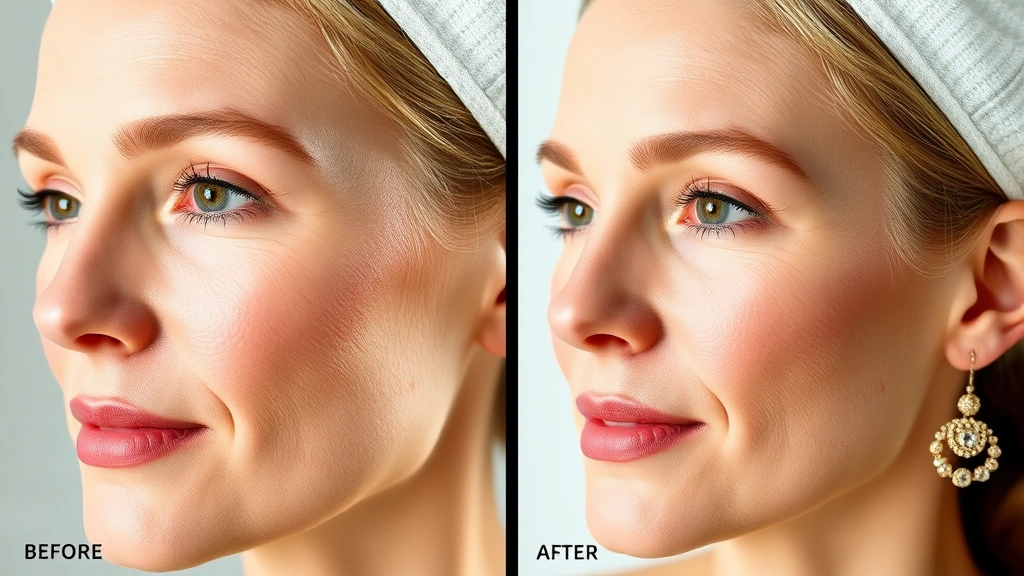
The evidence supporting advanced dermatology is substantial. Clinical studies demonstrate that professional treatments deliver measurable improvements in skin texture, elasticity, pigmentation, and overall appearance. These results occur because dermatological procedures work at the cellular level, triggering collagen production, promoting cell turnover, and addressing root causes rather than symptoms.
For individuals struggling with skin peeling and compromised barriers, professional assessment is crucial. A dermatologist can determine whether peeling results from dehydration, sensitivity, or a medical condition, then prescribe appropriate treatments. Similarly, those dealing with persistent skin inflammation and redness benefit from professional-grade solutions like targeted laser therapy or prescription-strength anti-inflammatory compounds.
Research published by the American Academy of Dermatology confirms that professional treatments show higher efficacy rates than consumer products. For example, laser resurfacing achieves 70-90% improvement in fine lines and wrinkles, while professional chemical peels eliminate 50-75% of surface pigmentation issues. These statistics matter because they represent realistic expectations when investing in advanced dermatology.
Advanced dermatology also prevents future damage. Preventative treatments like professional sunscreen recommendations, early intervention for sun damage, and maintenance therapies help preserve skin health long-term, potentially reducing the need for more invasive corrections later.
Advanced Treatments and Technologies
Laser and Light-Based Therapies
Laser treatments represent a cornerstone of advanced dermatology. Different laser wavelengths target specific concerns: fractional CO2 lasers resurface skin and address deep wrinkles, while IPL (intense pulsed light) systems treat pigmentation, redness, and vascular concerns. These technologies stimulate collagen remodeling, resulting in firmer, more radiant skin. Treatment sessions typically require minimal downtime, with visible results developing over weeks as collagen rebuilds.
Injectable and Filler Treatments
Injectables like botulinum toxin and dermal fillers represent non-surgical approaches to facial rejuvenation. These treatments address dynamic wrinkles, restore lost volume, and enhance facial structure. When administered by skilled practitioners, results appear natural and proportionate. The key advantage is customization—practitioners adjust dosage and placement based on individual facial anatomy and aesthetic goals.
Chemical Peels and Professional Exfoliation
Professional chemical peels penetrate beyond surface-level exfoliation. Formulations containing glycolic acid, salicylic acid, or trichloroacetic acid (TCA) dissolve dead skin cells and stimulate cellular turnover. Unlike at-home treatments, professional peels use higher concentrations under controlled conditions, delivering dramatic improvements in texture, tone, and clarity. Those with sensitive skin requiring gentle cleansing should consult dermatologists about customized peel formulations that won’t compromise their barrier.
Microneedling and Radiofrequency
Microneedling creates controlled micro-injuries, triggering the body’s natural healing response and collagen production. Radiofrequency (RF) technology heats deeper skin layers, tightening tissue and reducing laxity. These treatments excel for textural concerns, scarring, and mild to moderate skin laxity without surgical intervention.
Cost-Benefit Analysis for Different Skin Concerns
Determining whether advanced dermatology is worth it depends on your specific concerns, current skincare regimen, and budget. Let’s break down cost-benefit scenarios:
Acne Scars and Textural Damage
This is where advanced dermatology provides exceptional value. Acne scars don’t respond to topical treatments—they require professional intervention like laser resurfacing, microneedling, or subcision. A series of treatments (typically 3-6 sessions) costs $1,500-$5,000 but delivers permanent improvements that topical products cannot achieve. For severe scarring, this investment transforms appearance and self-confidence.
Fine Lines and Early Aging Signs
Preventative treatments at the first signs of aging—fine lines, loss of elasticity, subtle pigmentation—cost significantly less than correcting advanced damage. A consistent home routine with retinol and hyaluronic acid combined with annual professional treatments (microneedling or light chemical peels at $300-$800) maintains youthful skin and delays need for more invasive procedures.
Sun Damage and Pigmentation
Melasma, sunspots, and uneven tone often resist topical treatment. Professional IPL or laser therapy addresses these concerns in 3-6 sessions ($600-$2,500 total). The cost-benefit is strong because results are visible and long-lasting, especially with proper sun protection maintenance.
Significant Wrinkles and Volume Loss
For pronounced aging signs, dermatologists typically recommend combination approaches: injectables for dynamic wrinkles, fillers for volume loss, and laser resurfacing for texture. Total investment ranges from $2,000-$8,000 annually but achieves results comparable to surgical facelifts without surgery’s risks and recovery time. For those who can afford it, this represents excellent value.
Acne and Problem Skin
Persistent acne benefits tremendously from professional assessment. Dermatologists prescribe appropriate medications (topical retinoids, antibiotics, oral medications) and may recommend professional extractions, light therapy, or chemical peels. Treating acne professionally prevents permanent scarring, making the investment worthwhile for long-term skin health.
Combining Professional Treatments with Home Care
Advanced dermatology works best when combined with consistent home skincare. Professional treatments create the foundation; home care maintains and extends results. This synergistic approach maximizes your investment.
After professional treatments, dermatologists recommend specific home care protocols. For example, post-laser treatment requires diligent sun protection and gentle cleansing. Post-chemical peel care involves hydrating products and avoiding irritants. Those dealing with winter dryness or seasonal sensitivity need professional guidance on maintaining skin barrier health during treatment recovery.
Medical-grade skincare products recommended by dermatologists differ from consumer products. These formulations contain higher concentrations of active ingredients, superior stability, and proven efficacy. Common recommendations include:
- Prescription retinoids (tretinoin, adapalene) for collagen stimulation and cell turnover
- Professional-strength vitamin C serums for antioxidant protection and brightening
- Hydrating ceramides and peptides for barrier repair
- Prescription-strength sunscreens (mineral formulations with higher concentrations)
- Niacinamide and azelaic acid for barrier support and inflammation reduction
The combination of professional treatments (quarterly or semi-annual) with daily medical-grade skincare creates comprehensive skin optimization. This integrated approach prevents new damage while correcting existing concerns, maximizing the value of professional investment.
Choosing a Qualified Dermatologist
Advanced dermatology’s value depends heavily on practitioner qualifications. Board certification matters significantly. The American Board of Dermatology certifies dermatologists who complete medical school, dermatology residency, and pass rigorous examinations. Board-certified dermatologists have the training to diagnose conditions accurately, understand skin physiology deeply, and handle complications appropriately.
When selecting advanced dermatology and cosmetic surgery providers in Alexandria or elsewhere, verify:
- Board certification by the American Board of Dermatology
- Specialized training in cosmetic dermatology or relevant subspecialties
- Current knowledge of latest technologies and techniques
- Before-and-after portfolios demonstrating consistent results
- Patient reviews emphasizing natural-looking results and safety
- Transparent pricing and realistic expectations during consultations
Consultation quality reveals practitioner competence. Qualified dermatologists ask detailed questions about goals, examine skin thoroughly, explain treatment options with pros and cons, and never pressure patients into unnecessary procedures. They discuss realistic timelines, potential side effects, and maintenance requirements honestly.
Avoiding unqualified practitioners is essential. Non-dermatologists administering advanced treatments risk complications from inadequate training. Choosing qualified professionals ensures safety, superior results, and genuine value from your investment.
FAQ
How long do advanced dermatology results last?
Results vary by treatment type. Laser resurfacing and chemical peels produce long-lasting results (years to permanent for texture improvement), though maintenance treatments extend benefits. Injectable results typically last 3-6 months, requiring ongoing appointments. Microneedling results continue improving for months post-treatment, with benefits lasting 1-2 years. Consistent home care and sun protection significantly extend all results.
Is advanced dermatology painful?
Most advanced treatments involve minimal discomfort. Practitioners apply topical anesthetics before procedures. Laser treatments feel like gentle heat; chemical peels cause tingling; microneedling involves mild pressure sensations. Downtime varies—some treatments have zero downtime, while others involve temporary redness or peeling lasting days to weeks. Practitioners discuss comfort management during consultations.
Can I combine multiple advanced treatments?
Yes, combination approaches often yield superior results. For example, combining laser resurfacing with injectables addresses both texture and volume. However, treatments must be spaced appropriately to allow healing. Dermatologists create customized protocols scheduling treatments strategically. Attempting multiple treatments simultaneously risks complications and compromised results.
Who shouldn’t pursue advanced dermatology?
Individuals with certain medical conditions (active skin infections, keloid tendencies, severe immunosuppression) may not be candidates. Pregnant women typically avoid most treatments. Those with unrealistic expectations or seeking treatments for psychological issues rather than cosmetic concerns may not benefit. Honest consultations help identify unsuitable candidates before treatment begins.
How do I maintain results after professional treatment?
Maintenance involves consistent home skincare with medical-grade products, strict sun protection (SPF 30+ daily), periodic touch-up treatments, and lifestyle factors (hydration, sleep, stress management). Dermatologists provide specific maintenance protocols. Without proper maintenance, results gradually diminish, reducing the long-term value of initial investment.
What’s the difference between dermatology treatments and medical spas?
Medical spas operate under physician supervision but may employ non-dermatologist practitioners. Dermatology practices are led by board-certified dermatologists with medical training. For complex concerns or those requiring medical judgment, dermatology offices provide superior expertise. For maintenance treatments and less complex concerns, medical spas offer more affordable options, though with potentially less personalized care.
Advanced dermatology represents a worthwhile investment when addressing specific skin concerns that resist topical treatment, when performed by qualified practitioners, and when combined with consistent home care. The value lies not just in immediate aesthetic improvements but in preventing future damage and maintaining skin health long-term. Whether pursuing professional treatments in Alexandria or elsewhere, thorough research, realistic expectations, and qualified practitioners ensure your investment delivers genuine benefits.