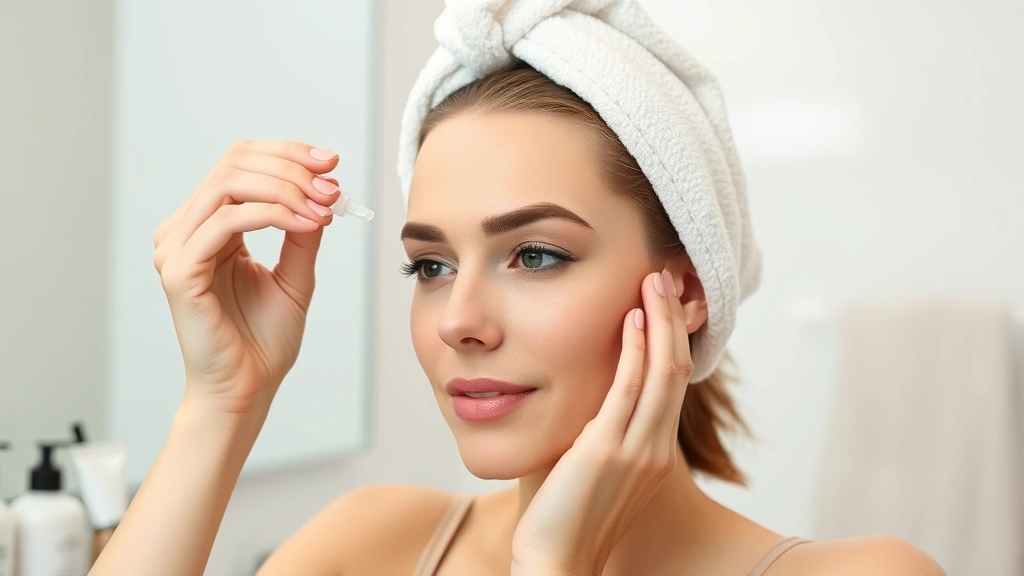
A cosmetic headband is an essential accessory for anyone serious about their skincare and makeup routine. Whether you’re applying a face mask, doing your morning skincare ritual, or getting ready for a special event, the right headband keeps hair away from your face while protecting your products and allowing for flawless application. After testing dozens of options across various price points and materials, we’ve compiled the ultimate guide to finding the perfect cosmetic headband for your needs.
The best cosmetic headbands combine functionality with comfort, offering secure hold without leaving marks on your skin or pulling at delicate hairlines. They come in various widths, materials, and styles—from terry cloth designs that absorb excess product to adjustable options that fit all head sizes. In this comprehensive guide, we’ll explore what makes a quality cosmetic headband, highlight our top picks, and help you choose the perfect one for your beauty routine.
What Is a Cosmetic Headband and Why You Need One
A cosmetic headband is a specialized hairband designed specifically for beauty and skincare routines. Unlike regular headbands, these are engineered to keep hair pulled back securely while you apply makeup, perform facial treatments, or use skincare products. The primary purpose is twofold: protecting your hair from product stains and preventing hair from interfering with makeup application or facial treatments.
If you’re someone who regularly applies face masks, uses sheet masks, or follows a multi-step skincare routine, a cosmetic headband becomes invaluable. It eliminates the frustration of hair sticking to wet serums, creams, or sheet mask adhesive. Additionally, when you match cosmetics to your skin tone or apply foundation, having hair completely out of the way ensures even, professional-looking results.
Professional makeup artists and estheticians have relied on cosmetic headbands for decades, and now beauty enthusiasts at home recognize their importance. They’re particularly useful if you have long hair, thick hair, or hair prone to frizz. The right headband prevents accidental hair contact with wet products and reduces the need for constant hair adjustments during your beauty routine.
Key Features to Look For
When shopping for a cosmetic headband, several features determine whether it’s worth your investment. The most important consideration is the grip strength—it must hold hair securely without slipping, even when your hands are wet or covered in product.
- Width: Wider bands (2-3 inches) provide better coverage and prevent hair from escaping on the sides. Narrower bands (0.5-1 inch) work better for those with fine or shorter hair.
- Elasticity: Quality headbands use premium elastic that maintains its shape after repeated stretching. Poor elasticity means the band loosens quickly and won’t hold throughout your routine.
- Absorbency: Terry cloth and microfiber materials absorb excess water and product, preventing drips down your face during skincare applications.
- Comfort: Look for padded or soft inner linings to prevent marks on your forehead and reduce pressure on your scalp during extended wear.
- Non-slip backing: Some premium options feature silicone or rubberized backing that prevents slipping on wet skin.
- Hypoallergenic materials: If you have sensitive skin, choose headbands made from hypoallergenic fabrics that won’t irritate your hairline or forehead.
The durability of the stitching is equally important. Headbands that unravel or lose their shape after a few washes won’t provide good value. Look for reinforced seams and quality construction that withstands regular washing.
Best Cosmetic Headbands by Category
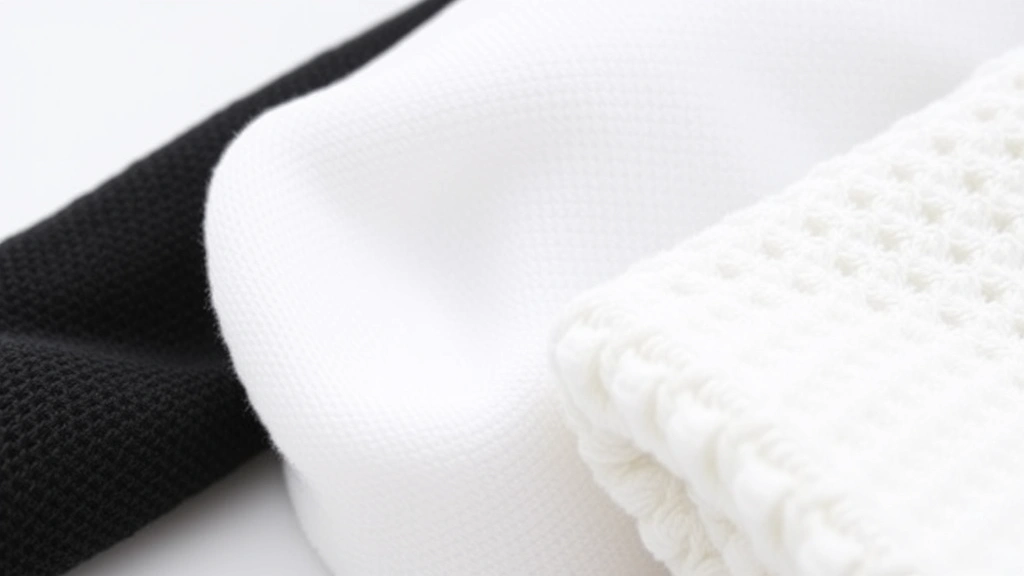
Premium Terry Cloth Option: Terry cloth headbands remain the gold standard in the beauty industry. These absorbent bands feature soft cotton loops on one side that trap water and product without scratching delicate facial skin. Premium versions use Egyptian or Turkish cotton for superior softness and durability. They’re ideal if you use hydrating serums, sheet masks, or water-based treatments that might drip.
Budget-Friendly Choice: If you’re just starting to build your beauty toolkit, affordable cotton headbands offer excellent value. While they may not have all the premium features of high-end options, quality budget headbands still provide secure hold and basic absorbency. Many beauty enthusiasts keep multiple budget headbands on rotation for easy washing.
Adjustable and Flexible: Some cosmetic headbands feature adjustable closures or come in one-size-fits-most designs. These are perfect if you share your headband with family members or prefer options that accommodate different head sizes. Velcro closures or snap buttons allow customized fit without the pressure of elastic.
Spa-Style Headbands: Oversized spa headbands with wraparound designs provide maximum coverage and often include a protective barrier for your hairline. These professional-grade options are excellent for extensive skincare routines or when you’re applying multiple products.
Material Comparison: Terry Cloth vs. Microfiber vs. Cotton
Understanding material differences helps you choose a headband suited to your specific needs. Each fabric offers distinct advantages depending on your skincare routine and product preferences.
Terry Cloth: This looped cotton fabric excels at absorbency, making it ideal for water-based serums and masks. The loops trap moisture effectively, preventing drips and allowing you to maintain your beauty routine without interruption. Terry cloth is gentle on skin and rarely causes irritation. However, it requires more frequent washing than other materials and can pill with heavy use.
Microfiber: Microfiber headbands offer exceptional absorbency in a more compact, lightweight package. They dry quickly and resist pilling better than terry cloth. Microfiber is excellent for oil-based products and makeup removal routines. The material is durable and maintains its shape well through multiple wash cycles. Some individuals with very sensitive skin note that microfiber feels slightly less soft than premium cotton options.
Cotton: Standard cotton headbands provide a balanced option between absorbency and durability. They’re softer than microfiber and more durable than lower-quality terry cloth. Cotton headbands work well for most skincare routines and are particularly comfortable for extended wear. They’re also the easiest to care for, as they withstand frequent washing without degradation.
When you’re using skincare products with hyaluronic acid, a microfiber headband prevents the product from drying too quickly on the band itself, maintaining its efficacy on your skin. Conversely, if you apply thick creams or oils, cotton or terry cloth better manages excess product without leaving residue.
How to Use Your Cosmetic Headband Properly
Maximizing the benefits of your cosmetic headband requires proper technique. Position the band across your forehead about one inch above your eyebrows, ensuring it’s secure but not so tight that it restricts blood flow or causes discomfort. Pull all hair back smoothly, including baby hairs and shorter layers, so nothing falls forward during your routine.
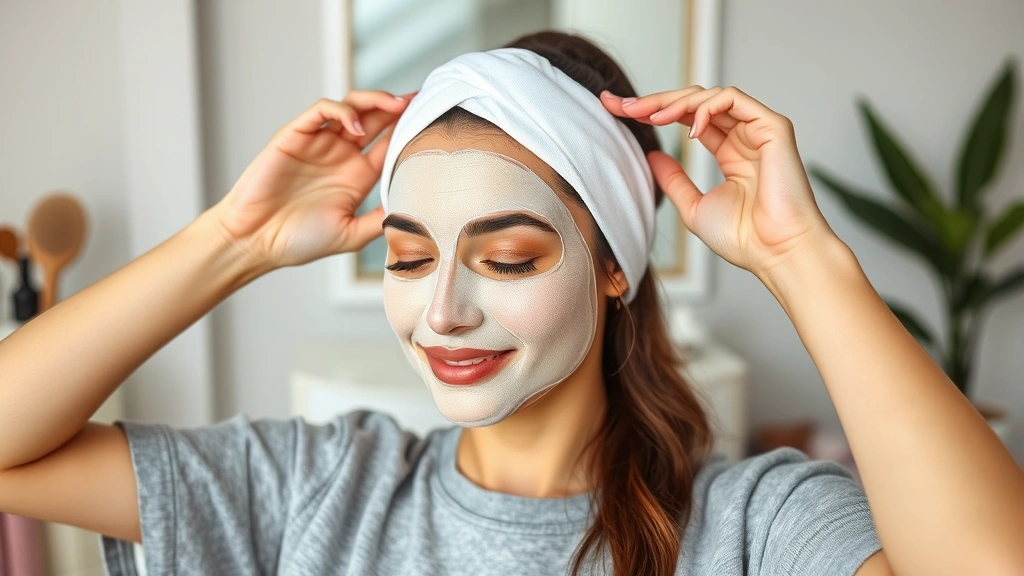
For applying aloe vera gel or other soothing treatments, wear your headband slightly higher on your forehead to prevent the band itself from blocking product absorption. When applying sheet masks, ensure the headband sits above the mask’s top edge so it doesn’t interfere with adhesion or pull the mask away from your skin.
If you have a sensitive hairline or experience marks from regular headband use, try positioning the band slightly further back on your head or choosing a wider band that distributes pressure more evenly. Some people prefer wearing their headband for only the duration of active product application rather than throughout their entire routine.
When working with organizing cosmetics in clear pouches, keep your headband easily accessible so you can quickly put it on when you’re ready to start your beauty routine. Having it readily available encourages consistent use and prevents the frustration of searching for it mid-routine.
For makeup application, wear your headband throughout the process, from primer application through final setting spray. This prevents hair from getting caught in wet foundation or powder products and ensures your hairline remains clean and product-free.
Maintenance and Care Tips
Proper care extends your cosmetic headband’s lifespan and maintains its functionality. Wash your headband after every 2-3 uses, or more frequently if you use oil-based products or masks regularly. Hand washing in lukewarm water with gentle soap is ideal, as it prevents the elastic from degrading faster than machine washing would.
Never use hot water, as extreme heat can damage the elastic and cause the fabric to shrink. Avoid bleach and harsh chemicals that might discolor the headband or cause skin irritation if residue remains. When drying, lay the headband flat or hang it to air dry completely before storing it. Machine drying can damage the elastic and cause premature wear.
Store your headband in a cool, dry place away from direct sunlight, which can fade colors and weaken elastic over time. If you notice the elastic beginning to lose its grip, you can sometimes restore some functionality by hand-stretching it gently or storing it rolled rather than folded. However, once the elastic deteriorates significantly, replacement is recommended.
Keep multiple headbands on rotation if you use one daily. This allows each headband adequate drying time between uses and extends the lifespan of all your headbands. Rotating also ensures you always have a clean option available, which is important for maintaining good hygiene during your skincare routine.
If your headband develops odors despite regular washing, soak it in a solution of equal parts white vinegar and water for 30 minutes before washing normally. This eliminates bacteria and odors without damaging the fabric. Ensure complete drying before use to prevent mildew development.
Check your headband periodically for signs of wear, including loose stitching, pilling, or elastic degradation. When you notice signs that your beauty products need replacing, it’s also a good time to assess whether your headband needs renewal. A worn-out headband can’t provide adequate hold and may leave marks on your skin.
FAQ
Can I use a regular headband for skincare instead of a cosmetic headband?
While regular headbands can technically keep hair back, they lack the specialized absorbency and comfort features of cosmetic headbands. Regular headbands may slip when wet, leave marks on your skin, or fail to absorb excess product effectively. Cosmetic headbands are specifically engineered for beauty routines and provide superior results.
How often should I replace my cosmetic headband?
With proper care, a quality cosmetic headband lasts 6-12 months with daily use. Replace it sooner if you notice elastic degradation, pilling, or persistent odors that washing doesn’t eliminate. Budget headbands may need replacing every 3-6 months, while premium options last longer.
Are cosmetic headbands suitable for all hair types?
Yes, cosmetic headbands work for all hair types, but width and grip strength matter. Fine or shorter hair benefits from narrower bands, while thick or long hair needs wider bands with stronger elasticity. Curly hair requires particularly secure headbands to prevent slipping throughout your routine.
Can I wear a cosmetic headband if I have a sensitive hairline?
Absolutely. Choose wider, padded headbands that distribute pressure evenly and don’t dig into your hairline. Microfiber or premium cotton options feel gentler than lower-quality materials. If marks persist, position the band slightly further back on your head or limit wear duration to only active product application.
What’s the difference between a cosmetic headband and a turban-style headwrap?
Cosmetic headbands are designed for functionality during beauty routines, offering secure hold and absorbency. Turban-style wraps provide more coverage and are often used for post-shower or spa-like treatments. Both serve beauty purposes, but headbands are better for active makeup application while wraps excel for mask treatments.
Should I wash my headband before using it for the first time?
Yes, washing your new headband removes manufacturing chemicals and dust. This is particularly important if you have sensitive skin. Wash it gently in cool water and air dry completely before your first use.
Can cosmetic headbands cause hair breakage?
Quality cosmetic headbands don’t cause hair breakage if worn properly and not too tightly. Avoid pulling hair excessively tight, and ensure the elastic isn’t frayed or damaged. If you experience hair breakage, loosen the band or choose a wider option that distributes pressure more evenly.