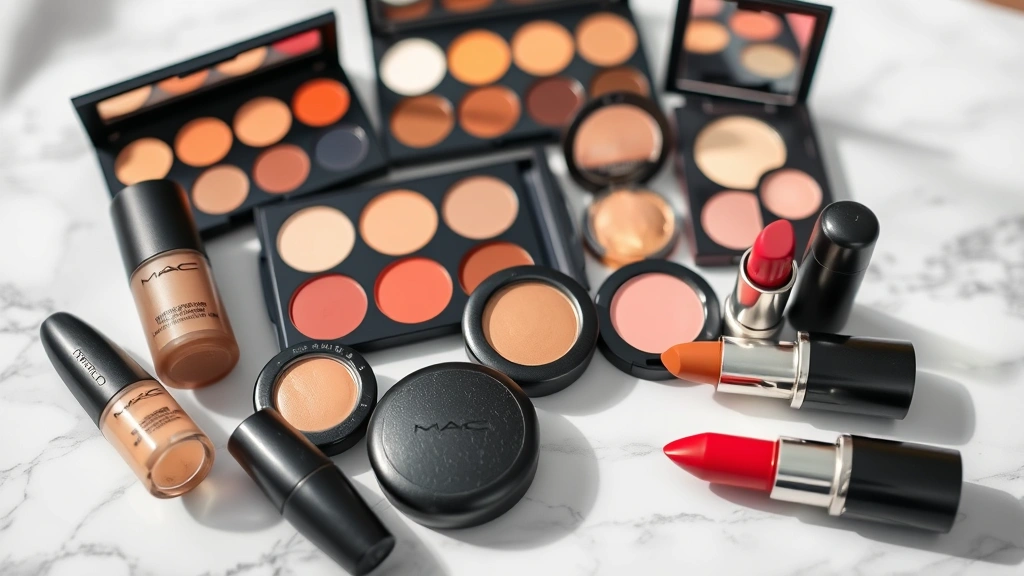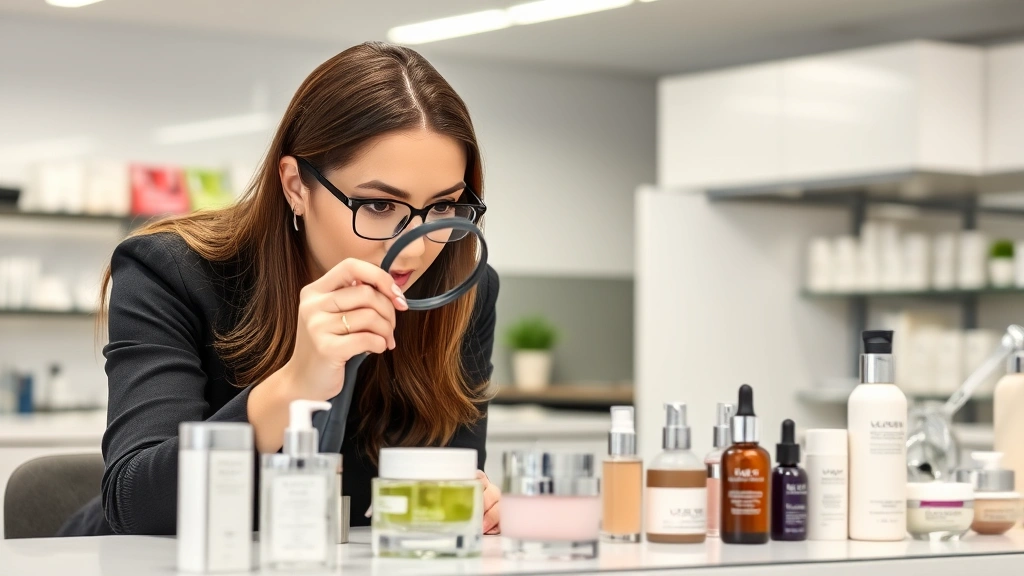
Wholesale Cosmetics: Buyer’s Guide for Beginners
Entering the wholesale cosmetics market can be both exciting and overwhelming for first-time buyers. Whether you’re launching a beauty brand, stocking a retail store, or building an online cosmetics business, understanding how to navigate cosmeticos al por mayor (wholesale cosmetics) is essential for success. This comprehensive guide walks you through supplier selection, quality assessment, pricing strategies, and regulatory compliance to help you make informed purchasing decisions that align with your business goals.
The wholesale cosmetics industry has experienced significant growth, with beauty professionals and entrepreneurs increasingly recognizing the value of bulk purchasing. By buying directly from manufacturers and distributors, you can achieve better margins, access exclusive formulations, and build stronger relationships with suppliers. However, success requires knowledge of industry standards, ingredient quality, and market demands. This guide provides the foundational insights you need to become a confident wholesale cosmetics buyer.
Understanding Wholesale Cosmetics Markets
The wholesale cosmetics sector encompasses various product categories, from skincare formulations to color cosmetics, haircare, and specialty treatments. Understanding market segmentation helps you identify which products align with your business model. Prestige cosmetics command higher price points and appeal to luxury-conscious consumers, while mass-market products offer higher volume potential at lower margins. Mid-range brands balance quality and affordability, making them increasingly popular among budget-conscious beauty enthusiasts.
Market research is crucial before making initial wholesale purchases. Analyze consumer trends in your target demographic, study competitor offerings, and identify gaps in the market. Social media platforms, beauty forums, and industry publications reveal which ingredients and formulations resonate with consumers. For instance, natural ingredients like aloe vera gel continue gaining popularity, influencing wholesale buyers’ purchasing decisions toward clean beauty options.
Geographic considerations also matter significantly. Different regions have distinct beauty preferences—Korean beauty trends emphasize hydration and multi-step routines, while European markets often prioritize sustainable and organic certifications. Understanding these regional preferences helps you select wholesale products that resonate with your specific customer base and create relevant product assortments.

Finding Reliable Suppliers
Locating trustworthy wholesale cosmetics suppliers requires systematic research and due diligence. Start by exploring established supplier directories, industry trade shows, and B2B platforms that connect buyers with manufacturers. Trade shows like Cosmoprof and regional beauty expos offer opportunities to meet suppliers face-to-face, evaluate product samples, and negotiate terms directly.
Online B2B platforms including Alibaba, Global Sources, and industry-specific marketplaces host thousands of cosmetics suppliers. However, verify supplier credentials thoroughly—request business licenses, certifications, and client references. Legitimate suppliers willingly provide documentation proving their manufacturing capabilities and compliance with international standards. Check whether they hold certifications from recognized bodies like Cosmetics Europe or equivalent regulatory organizations in their country.
Communication quality indicates supplier reliability. Professional suppliers respond promptly to inquiries, provide detailed product specifications, offer transparent pricing structures, and demonstrate knowledge about their formulations. Request samples before committing to large orders—this allows you to assess product quality, packaging standards, and actual performance. Pay attention to minimum order quantities (MOQs), as they vary significantly based on supplier size and product type.
Building relationships with multiple suppliers provides flexibility and reduces supply chain risk. However, balance supplier diversity with the practicality of managing numerous accounts. Many successful buyers maintain relationships with 3-5 primary suppliers while exploring new options periodically. This approach ensures competitive pricing while maintaining consistent product quality and reliable fulfillment.
Industry networks and professional associations provide vetted supplier lists. The Personal Care Products Council maintains resources connecting businesses with reputable manufacturers. Additionally, connecting with industry peers through online communities and professional groups offers invaluable insights about supplier reliability and performance.
Quality Assessment and Testing
Quality evaluation extends far beyond visual inspection. Professional cosmetics buyers implement multi-layered quality assessment protocols before finalizing purchases. Begin by requesting comprehensive documentation including ingredient lists, stability test results, microbiological testing reports, and safety data sheets (SDS). Reputable manufacturers provide this information transparently and maintain strict quality control standards.
Ingredient transparency is non-negotiable in today’s market. Verify that all ingredients comply with regulations in your target markets—what’s acceptable in one region may be restricted or banned in another. Familiarize yourself with FDA cosmetics regulations if selling in the United States, EU Cosmetics Regulations for European markets, and other regional requirements. This knowledge prevents costly compliance issues after purchase.
Request stability testing documentation proving products maintain efficacy and safety throughout their shelf life. Cosmetics undergo various stress tests—heat, light, humidity exposure—to ensure formulation integrity. Products claiming specific benefits (like anti-aging or hydration) should have supporting stability data. Ask suppliers about their testing protocols and request access to third-party testing results when available.
Microbiological testing ensures products are free from harmful pathogens and meet safety standards. Suppliers should test for bacteria, fungi, and other microorganisms that could compromise product safety. This is especially critical for products containing water-based ingredients or applied near sensitive areas like eyes. Request copies of microbiological test reports covering relevant pathogens for your product categories.
For skincare products, understanding ingredient functionality helps assess formulation quality. Products addressing concerns like minimizing large pores should contain appropriate active ingredients like niacinamide, salicylic acid, or peptides at effective concentrations. Request information about active ingredient percentages and their scientific backing. This knowledge helps you evaluate whether products deliver on their claims and justify their wholesale pricing.
Pricing and Negotiation Strategies
Understanding wholesale pricing structures enables smart negotiation. Most suppliers offer tiered pricing where larger orders receive better per-unit rates. Request detailed price quotes breaking down costs for products, packaging, labeling, and shipping. Transparent pricing structures reveal where you can negotiate and identify cost-saving opportunities.
Volume discounts represent the primary negotiation point. As you increase order quantities, per-unit costs decrease significantly. However, balance lower prices against storage capacity and cash flow requirements. Buying excessive inventory to achieve minimal price reductions creates cash flow problems and risks product obsolescence. Calculate your break-even point and realistic sales velocity before committing to large orders.
Payment terms impact your overall costs. Suppliers offering 30, 60, or 90-day payment terms provide working capital flexibility, while cash-on-delivery arrangements require immediate payment. Negotiate favorable payment terms as your relationship develops and you establish a reliable purchase history. Some suppliers offer early-payment discounts—paying in 15 days instead of 30 might yield 2-3% savings.
Shipping costs significantly affect final product pricing. Negotiate freight rates, especially for larger shipments. Ocean freight costs less than air freight but takes longer, affecting cash flow timing. Compare landed costs (total cost including shipping) rather than just product prices. Some suppliers include shipping in their quoted prices while others charge separately, so clarify before comparing quotes.
Build negotiating leverage through long-term commitment. Suppliers reward reliable, consistent customers with better pricing and priority service. Start with smaller orders, build a positive relationship, then negotiate improved terms as volume increases. Discussing future expansion plans and demonstrating commitment to the supplier relationship creates goodwill and negotiating opportunities.
Avoid the temptation of suspiciously low prices. Products priced significantly below market rates may indicate quality issues, counterfeit ingredients, or manufacturing problems. Reputable suppliers maintain consistent pricing reflecting their quality standards. If a price seems too good to be true, investigate thoroughly before purchasing.
Regulatory Compliance Requirements
Navigating regulatory requirements is non-negotiable for legitimate cosmetics operations. Different markets impose specific regulations governing ingredient restrictions, labeling requirements, product claims, and safety documentation. Before purchasing wholesale cosmetics, understand regulations in your intended sales markets.
The EU Cosmetics Regulations strictly limit certain ingredients and require comprehensive safety assessments. The FDA regulates cosmetics differently than drugs in the United States, with specific rules about permissible claims and ingredient restrictions. Canada, Australia, and other markets maintain their own regulatory frameworks. Ensure wholesale products comply with all applicable regulations before importing or reselling.
Labeling requirements vary by market. Products must list ingredients in required formats (INCI nomenclature), display warning statements where necessary, include manufacturer information, and provide usage instructions. Some markets require labels in local languages. Work with suppliers to obtain compliant labeling or plan for relabeling to meet regional requirements. Factor relabeling costs into your wholesale pricing calculations.
Product claims require substantiation. If a product claims to reduce wrinkles, provide anti-aging benefits, or treat skin conditions, you must have supporting clinical data. Making unsupported claims violates regulations and creates liability. Review supplier claims carefully and request scientific substantiation. When in doubt, use conservative language describing product benefits rather than making specific therapeutic claims.
Safety documentation protects your business legally. Maintain records of supplier certifications, ingredient sourcing, stability testing, microbiological testing, and safety assessments. If regulatory issues arise, this documentation demonstrates your due diligence. Keep detailed records of all wholesale purchases, including supplier information, product specifications, batch numbers, and testing results.
Storage and Inventory Management
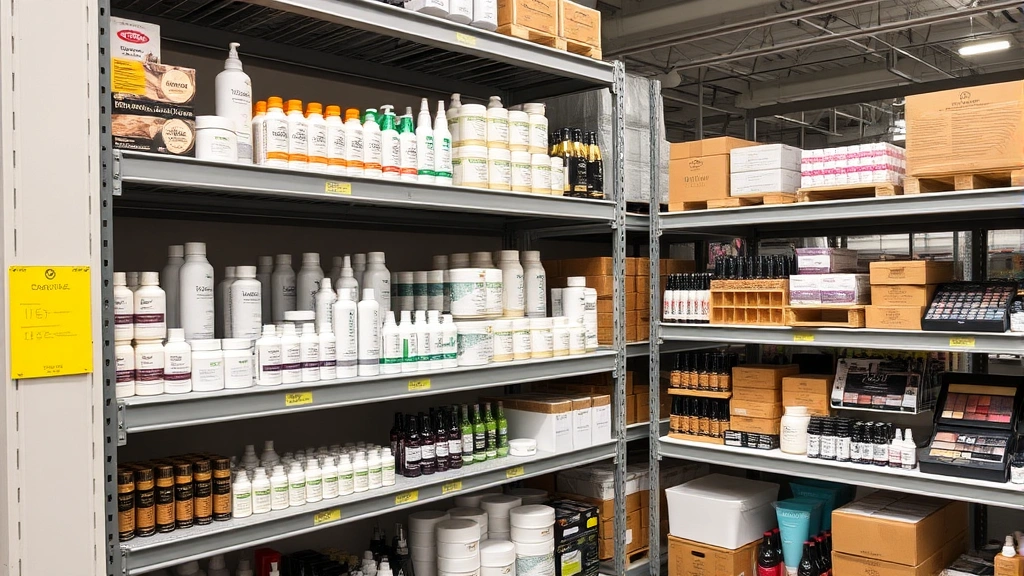
Proper storage directly impacts product quality and shelf life. Cosmetics are sensitive to temperature fluctuations, light exposure, and humidity. Establish storage conditions maintaining stable temperatures (ideally 60-75°F), protecting products from direct sunlight, and controlling humidity levels (typically 40-60%). Inadequate storage degrades product formulations, reducing efficacy and potentially creating safety issues.
Inventory management systems track stock levels, expiration dates, and product rotation. Implement first-in-first-out (FIFO) systems ensuring older inventory sells before newer stock. Monitor expiration dates closely—selling expired cosmetics violates regulations and damages your reputation. Establish clear protocols for removing expired products from inventory.
Organize storage areas by product category and frequency of use. High-turnover items should be easily accessible, while seasonal products can occupy less convenient storage. Proper organization reduces picking errors, accelerates fulfillment, and improves operational efficiency. Invest in shelving systems designed for cosmetics storage, protecting products from contamination and damage.
Temperature-sensitive products require special attention. Certain formulations containing natural ingredients or specific actives may require refrigeration. Understand each product’s storage requirements and maintain appropriate conditions. Products shipped during extreme weather may arrive compromised—establish protocols with suppliers ensuring proper packaging for temperature protection during transit.
Tracking inventory costs helps optimize purchasing decisions. Calculate carrying costs including storage space, utilities, insurance, and potential waste. Products sitting in inventory for extended periods increase these carrying costs, reducing profitability. Use sales data to forecast demand accurately, balancing inventory investment against storage costs.
Building Supplier Relationships
Long-term supplier relationships create mutual benefits, improved pricing, priority service, and access to new products. Treat suppliers as partners rather than mere vendors. Communicate clearly about your business goals, growth plans, and product needs. Reliable suppliers reward consistent, professional partners with better terms and support.
Regular communication maintains strong relationships. Provide feedback about product performance, customer reception, and market trends. Suppliers appreciate insights helping them understand market demands and improve their offerings. Share sales data demonstrating product popularity—this information helps suppliers understand your business and plan inventory accordingly.
Pay invoices promptly and honor agreed terms. Reliability builds trust and demonstrates your professionalism. Suppliers prioritize reliable customers when allocating limited inventory or managing supply constraints. Conversely, late payments and contract violations damage relationships and may result in reduced service quality or higher prices.
Attend industry events and maintain face-to-face contact when possible. Personal relationships strengthen business connections and facilitate problem-solving. Trade shows provide opportunities to discuss new products, negotiate terms, and demonstrate commitment to the partnership. Even brief annual meetings strengthen relationships significantly.
Discuss expansion opportunities and growth plans with suppliers. As your business grows, suppliers can help you scale operations, access new products, and develop custom formulations. Many suppliers offer private label services allowing you to develop branded products—a significant competitive advantage. These opportunities typically emerge from strong, trusting relationships.
When issues arise—delayed shipments, quality concerns, or damaged products—address them professionally and promptly. Work with suppliers to find solutions rather than immediately seeking alternatives. Most suppliers appreciate the opportunity to resolve problems and strengthen relationships through effective problem-solving.
FAQ
What minimum order quantities should I expect when buying cosmeticos al por mayor?
Minimum order quantities vary significantly based on supplier size and product type. Large manufacturers may require orders of 1,000+ units per product, while smaller suppliers might accept 100-unit minimums. Specialty or custom formulations typically have higher MOQs. Discuss MOQ flexibility during initial supplier conversations—some suppliers reduce minimums for committed partners.
How do I verify a wholesale cosmetics supplier’s legitimacy?
Request business licenses, manufacturing certifications, and client references. Verify certifications through issuing organizations. Ask for sample products and test them thoroughly. Check online reviews and industry directories. Legitimate suppliers provide transparent documentation, respond professionally to inquiries, and maintain established business operations. Avoid suppliers unwilling to provide credentials or documentation.
What documents should I request from suppliers before purchasing?
Request ingredient lists, stability test results, microbiological testing reports, safety data sheets (SDS), manufacturing certifications, liability insurance information, and regulatory compliance documentation. For products making specific claims, request clinical study results supporting those claims. Maintain organized records of all documentation for compliance and liability protection.
How can I ensure wholesale cosmetics comply with local regulations?
Research regulations for your target markets before purchasing. Verify that all ingredients meet local restrictions and approved ingredient lists. Confirm labeling compliance with regional requirements. Consult with regulatory experts if uncertain about specific requirements. Many suppliers specialize in specific markets and understand relevant regulations—ask about their compliance expertise.
What’s the best strategy for negotiating wholesale cosmetics pricing?
Start by requesting detailed quotes from multiple suppliers to establish market rates. Build relationships and demonstrate commitment before aggressive negotiation. Focus on volume discounts, payment terms, and shipping costs as primary negotiation points. Avoid suppliers offering suspiciously low prices. Remember that price is only one factor—quality, reliability, and service matter equally.
Should I buy from local suppliers or international manufacturers?
Both options have advantages. Local suppliers offer faster shipping, easier communication, and simpler logistics. International manufacturers often provide better pricing on bulk orders and access to unique formulations. Many successful buyers use both—local suppliers for quick restocks and international suppliers for larger volume purchases at better rates. Consider your cash flow, storage capacity, and business needs when deciding.
How do I store wholesale cosmetics properly?
Maintain stable temperatures (60-75°F), protect from direct sunlight, and control humidity (40-60%). Store products in cool, dry areas away from heat sources. Use FIFO inventory rotation ensuring older stock sells first. Monitor expiration dates closely and remove expired products. For temperature-sensitive products, maintain appropriate conditions and protect during shipping. Proper storage preserves product quality and shelf life.
What’s the difference between wholesale and retail pricing?
Wholesale pricing reflects bulk purchasing at significantly reduced per-unit costs compared to retail prices. The difference between wholesale and retail prices creates your profit margin. Typical markups range from 50-300% depending on product category, market positioning, and business model. Understanding this markup helps you evaluate whether wholesale prices align with your profitability goals.