Best Lipstick Shades? Beauty Expert Recommends
Finding the perfect lipstick shade is one of the most transformative beauty decisions you can make. The right color doesn’t just enhance your lips—it can brighten your entire complexion, boost confidence, and become a signature element of your personal style. With thousands of formulations and hues available, understanding which shades work best for your unique skin tone, undertone, and lip characteristics is essential to building a versatile lipstick collection that truly serves you.
In this comprehensive guide, I’ll share expert recommendations for the best lipstick shades across every skin tone and undertone category. Whether you’re seeking a classic red that works for fair complexions, a deep berry for olive skin, or a warm terracotta for deeper skin tones, you’ll discover the science behind shade selection and the specific formulations that deliver both color payoff and lasting wear. We’ll explore how to identify your undertone, understand the difference between cool, warm, and neutral lipstick pigments, and build a curated collection that maximizes your investment in quality cosmetics.
Understanding Your Undertone: The Foundation of Shade Selection
Before investing in any lipstick shade, you must identify your skin’s undertone. Undertone is the subtle hue that sits beneath your skin’s surface and remains constant regardless of whether you have a fair, medium, or deep complexion. There are three primary undertone categories: cool, warm, and neutral. Understanding which category applies to you is the most critical step in selecting lipstick shades that will complement rather than clash with your natural coloring.
Cool undertones have hints of pink, red, or blue beneath the skin’s surface. If you have cool undertones, your veins typically appear blue or purple, gold jewelry may look slightly off against your skin, and you likely tan slowly or burn easily. Warm undertones contain yellow, peachy, or golden hues and are associated with veins that appear green, a preference for gold jewelry, and a tendency to tan easily. Neutral undertones are a balanced blend of cool and warm, making them incredibly versatile—people with neutral undertones can often pull off both cool and warm lipstick shades with equal success.
The easiest way to determine your undertone is the vein test: look at the veins on the inside of your wrist in natural daylight. If they appear blue or purple, you likely have cool undertones. If they appear green or olive, you have warm undertones. If you see a mix of both colors, you’re probably neutral. This simple test is more reliable than trying to match your skin to color swatches, which can be misleading due to lighting conditions and display settings.
Best Lipstick Shades for Fair Skin Tones
Fair skin provides a beautiful canvas for a wide range of lipstick colors, but the undertone within fair complexions varies dramatically. Cool-toned fair skin looks stunning in classic reds with blue undertones, such as Peak Cosmetics offerings that emphasize cooler pigments. Think true reds, berry shades, and mauve-toned pinks that create striking contrast against pale complexions.
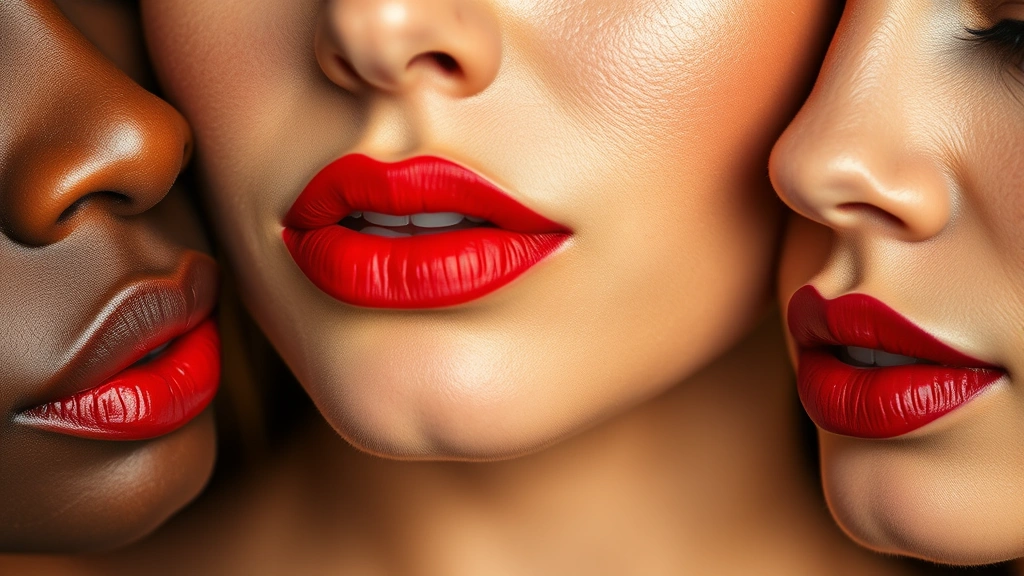
For fair skin with cool undertones, I recommend shades like true red (neither orange nor blue-leaning), berry wine, dusty mauve, and cool plum. These colors create depth and sophistication without overwhelming delicate complexions. Avoid warm orangey-reds and peachy shades, which can make fair cool-toned skin appear washed out or sallow.
Fair skin with warm undertones thrives with warm reds that contain orange or brick undertones, warm coral, peach, and warm brown shades. Infallible Cosmetics formulations often work beautifully for this undertone, as they provide warm pigment delivery without appearing garish. Warm-toned fair skin should avoid cool pinks and berry shades, which can create an unflattering contrast.
Fair skin with neutral undertones has the advantage of versatility—you can successfully wear both cool reds and warm reds, though you may find that true reds or slightly warm reds feel most natural to your coloring. Experiment with both categories to discover your personal preference, as neutral undertones don’t have the same restrictions as cool or warm.
Best Lipstick Shades for Medium Skin Tones
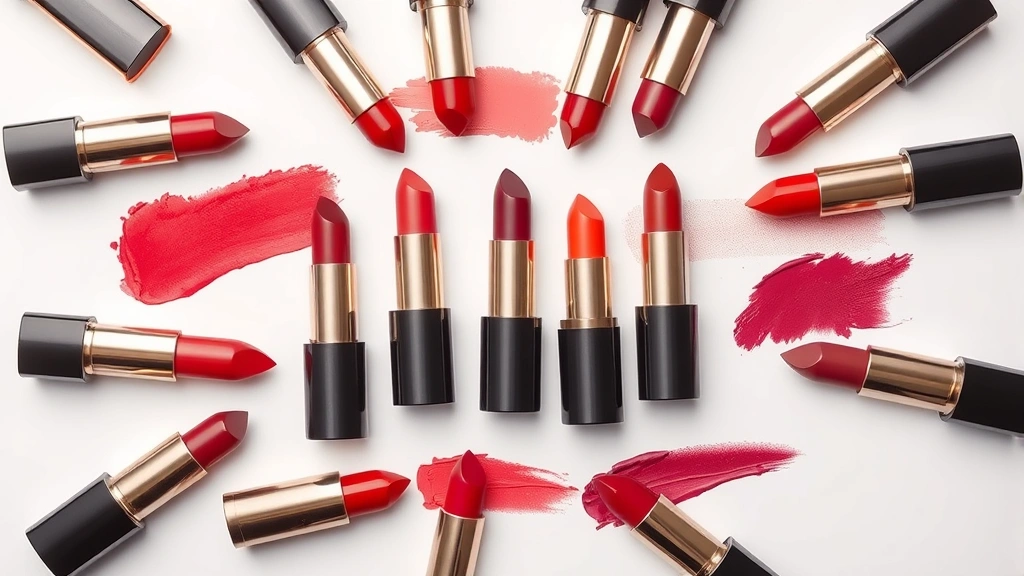
Medium skin tones are incredibly common and offer beautiful opportunities for both bold and subtle lipstick choices. The key to finding your best shades lies in understanding whether your medium complexion leans cool, warm, or neutral, then selecting colors that harmonize with that undertone.
Medium skin with cool undertones looks radiant in jewel tones like deep burgundy, cool red, wine, raspberry, and mauve-pink. These shades provide beautiful contrast and depth without appearing harsh. Cool-toned medium skin should avoid warm coral and warm orange-based reds, which can appear unflattering against the cool undertones in the skin.
Medium skin with warm undertones is perhaps the most versatile category, as warm tones in skin naturally harmonize with a vast array of lipstick colors. Warm terracotta, warm red, coral, warm pink, rust, and warm brown all look gorgeous on medium warm-toned skin. Thrive Cosmetics Reviews often highlight formulations that work particularly well for medium skin tones, as these products are frequently tested across diverse complexions during development.
Medium skin with neutral undertones benefits from a balanced approach—you can wear both cool and warm shades, though you may find that shades with balanced undertones (true reds rather than blue-reds or orange-reds) feel most natural. Medium neutral skin is ideal for experimenting with trending shades, as your undertone won’t restrict your choices as severely as cool or warm undertones do.
Best Lipstick Shades for Deep Skin Tones
Deep skin tones are a canvas for rich, saturated lipstick colors that create stunning visual impact. The challenge many people with deep complexions face is finding shades with sufficient pigment payoff—many mainstream lipsticks are formulated with lighter undertones that don’t show up adequately on deeper skin. Seek out lipstick collections curated for diverse skin tones, as these typically offer deeper, more pigmented shades.
Deep skin with cool undertones looks magnificent in deep burgundy, wine, plum, cool red, and deep mauve. These jewel tones create beautiful contrast and sophistication. Cool-toned deep skin should avoid warm orange and peachy shades, which can clash with the cool undertones in the complexion.
Deep skin with warm undertones is beautifully complemented by warm terracotta, warm red, burnt orange, rust, deep coral, and warm brown shades. Warm-toned deep skin has the advantage of being able to wear very saturated, bold colors that might appear overwhelming on lighter complexions but create perfect balance on deeper skin. Avoid cool berry and mauve shades, which can appear ashy against warm-toned deep skin.
Deep skin with neutral undertones can wear virtually any lipstick shade with confidence, from cool jewel tones to warm earthy shades. The richness of neutral deep skin provides a beautiful foundation for experimentation, and you may find that both cool and warm shades feel equally natural to your coloring.
Special Considerations for Olive Undertones
Olive undertones deserve special attention, as they present unique challenges and opportunities in lipstick selection. Olive skin contains a greenish hue that requires lipstick shades carefully selected to either complement or balance this undertone. Olive skin typically falls into the warm or neutral category but has distinctly different needs than standard warm undertones.
Olive skin looks best in lipstick shades that either echo the green undertones (warm terracotta, rust, warm brown, brick red) or provide complementary contrast (deep burgundy, plum, cool red). The key is avoiding shades that create a muddy appearance—orange-based colors without sufficient warmth or cool colors without sufficient depth can look unflattering against olive undertones.
If you have olive undertones, seek out skincare products formulated for sensitive skin, as olive-toned skin often experiences sensitivity. The health and hydration of your lips affect how lipstick colors appear on your complexion, so maintaining lip health is essential for shade selection to work optimally.
Understanding Lipstick Formulas: Beyond Shade Selection
The shade you choose matters, but the formula significantly impacts how that color looks on your lips and how long it lasts. Different lipstick formulas have distinct characteristics regarding pigment payoff, texture, wear time, and suitability for various lip conditions.
Matte lipsticks offer maximum color saturation and longevity, making them ideal for statement looks and all-day wear. However, matte formulas can emphasize dry patches and require well-hydrated lips to avoid an uncomfortable, chalky appearance. If you choose a matte formula, exfoliate your lips gently before application and apply a nourishing lip balm underneath.
Cream lipsticks provide rich color with slightly more comfort than mattes, as they contain emollients that prevent the drying effect some people experience with pure matte formulas. Cream formulas typically last 4-6 hours and work well for everyday wear when you want both color and comfort.
Satin lipsticks offer a middle ground between matte and cream, providing good color payoff with a subtle sheen that’s flattering on most lip shapes. Satin formulas are versatile and work across various occasions, from professional settings to evening events.
Glossy lipsticks prioritize shine and moisture over long-wearing power. These formulas work beautifully for people who prefer a lighter lip color or who want to add dimension to darker matte shades. Glossy formulas typically last 2-4 hours and require more frequent touch-ups throughout the day.
Liquid lipsticks offer extreme longevity—many formulas last 12+ hours—but can feel heavy or uncomfortable on lips. These formulas work best for special occasions or all-day events where you won’t have time for touch-ups. Always choose liquid lipsticks from reputable brands, as poorly formulated liquid lipsticks can be drying and difficult to remove.
Application Techniques for Perfect Lipstick Results
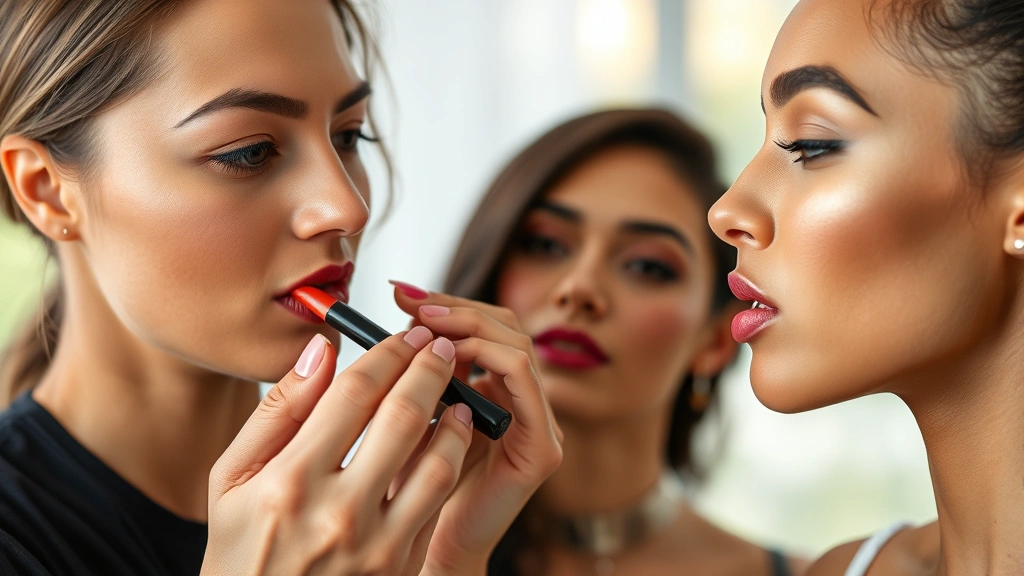
Even the perfect shade won’t look its best if application technique is flawed. Professional application requires preparation, precision, and the right tools to achieve polished results that last.
Begin by exfoliating your lips gently with a soft toothbrush or lip scrub to remove dead skin cells that can cause uneven color application. Follow with a hydrating lip balm, allowing it to absorb for a few minutes before blotting away excess. This creates a smooth base for lipstick application.
Use a lip liner in a shade matching your natural lip color or your chosen lipstick shade to define lips and prevent feathering. Apply the liner just outside your natural lip line to slightly enhance lip shape if desired, then fill in the entire lip with liner. This creates a base that helps lipstick adhere longer and prevents it from bleeding into fine lines around the mouth.
Apply lipstick directly from the bullet or use a lip brush for more precision. Build color gradually, starting with the center of the lower lip and working outward, then repeating on the upper lip. Use a lip brush if you’re wearing a matte formula, as this technique provides better control and more even color distribution.
For longevity, blot your lips gently on a tissue after application, then apply a second layer of lipstick. This technique, called the blot-and-reapply method, significantly extends wear time for most formulas. Avoid eating or drinking immediately after application, as this removes the initial layer of color.
If you’re concerned about how lipstick color interacts with other facial features, remember that your overall makeup look should be cohesive. Bold lipstick colors typically pair with neutral eye makeup, while subtle lip colors allow for more dramatic eye makeup.
Frequently Asked Questions About Lipstick Shade Selection
How do I find my perfect lipstick shade if I can’t determine my undertone?
If the vein test doesn’t provide clear results, try the metal test: hold gold and silver jewelry near your face in natural daylight and observe which metal looks more flattering. If gold looks better, you likely have warm undertones. If silver looks better, you likely have cool undertones. If both look equally good, you probably have neutral undertones. You can also take a photo of yourself in natural daylight next to color swatches and compare how different shades interact with your skin.
Can I wear any lipstick shade if I have a neutral undertone?
While neutral undertones provide more flexibility than cool or warm undertones, you may still find that certain shades feel more natural or flattering than others. Experiment with both cool and warm lipstick shades to discover your personal preferences. Many people with neutral undertones find that true reds (neither blue-red nor orange-red) feel most balanced, but this varies individually.
What’s the best way to test lipstick shades before purchasing?
Always test lipstick shades on your lips in natural daylight if possible, as artificial store lighting distorts color perception. Many beauty retailers offer samples or return policies—take advantage of these to test shades at home in your regular lighting. Avoid testing shades solely on the back of your hand, as lip color often appears different on lips due to undertones and texture differences.
How often should I replace my lipstick collection?
Opened lipsticks last approximately 2 years, though liquid lipsticks may have shorter shelf lives due to their formulation. If a lipstick develops an off-smell, changes texture, or the color appears separated, discard it. To extend lipstick longevity, store them in a cool location away from direct sunlight and heat sources.
Are expensive lipsticks always better than drugstore options?
Price doesn’t always correlate with quality. Many drugstore lipsticks offer excellent color payoff and longevity, while some high-end lipsticks underperform. Focus on finding formulas that work for your specific lip type (dry, oily, sensitive) and shades that complement your undertone, regardless of price point. Read reviews from people with similar skin tones to get honest assessments of how shades perform.
Can I make a lipstick shade work even if it’s not technically my color?
Yes, with the right techniques. If you love a shade that isn’t technically ideal for your undertone, try applying it as a stain with a lip brush and blending it with a more neutral shade, or wear it with a different liner shade to shift the overall color. You can also balance an unconventional lip color with strategic eye makeup or additional face makeup to create harmony in your overall look.