Top Foundations for Dry Skin: Expert Picks and Complete Guide
Finding the perfect foundation for dry skin requires understanding both your skin’s unique needs and the formulation science behind cosmetic products. Dry skin demands foundations that deliver moisture, prevent flaking, and create a flawless finish without emphasizing texture or fine lines. Unlike oily or combination skin types, dry skin benefits from hydrating bases, nourishing ingredients, and formulas that provide long-lasting comfort throughout the day.
The challenge with selecting foundation for dry skin lies in balancing coverage with hydration. Many traditional foundations can accentuate dry patches, settle into fine lines, and create an unflattering, cakey appearance. However, modern cosmetic chemistry has revolutionized foundation formulations with innovative ingredients like hyaluronic acid, glycerin, plant oils, and peptides that actively moisturize while providing buildable coverage. This guide explores expert-recommended foundations specifically formulated for dry skin, ingredient breakdowns, application techniques, and complementary skincare strategies to maximize your complexion.
Understanding Dry Skin and Foundation Needs
Dry skin occurs when the skin barrier lacks sufficient moisture and natural oils, resulting in reduced sebum production and compromised water retention. This condition creates visible signs including tightness, flaking, sensitivity, and pronounced fine lines. When selecting a cosmetics foundation, individuals with dry skin must prioritize formulations that address these concerns rather than exacerbate them.
The fundamental difference between dry skin foundations and standard formulas lies in their base composition and active ingredients. Hydrating foundations typically feature fluid or cushion textures rather than powder or matte finishes. They contain occlusives (ingredients that seal moisture into the skin), humectants (ingredients that draw moisture from the environment), and emollients (ingredients that soften and smooth the skin). These three categories work synergistically to maintain skin hydration throughout the day.
Dry skin foundation selection also depends on your specific concerns. Those with sensitive skin prone to inflammation should seek foundations free from fragrance, essential oils, and common irritants. If you experience chapped lips, ensure your foundation extends seamlessly to the lip area without causing additional dryness. Understanding your specific dry skin profile enables more targeted foundation selection.
Best Foundations for Dry Skin
1. Estée Lauder Double Wear Light Soft Matte Hydrating Makeup
Despite its name, this foundation offers exceptional hydration for dry skin types. The liquid formula contains a blend of hydrating polymers and moisturizing agents that create a luminous, second-skin finish. The lightweight texture provides medium to full coverage without feeling heavy, and the formula sets to a natural matte that resists creasing. This foundation includes ingredient technology from dermatological research, making it suitable for sensitive, dry complexions. Application with a damp beauty sponge enhances the hydrating properties and creates an imperceptible blend.
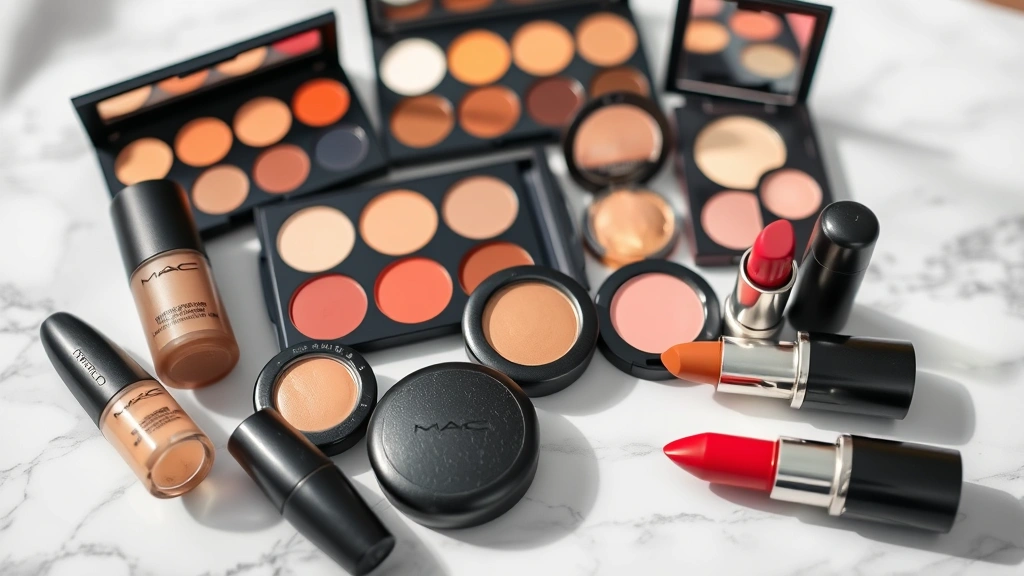
2. MAC Face and Body Foundation
This cult-favorite foundation remains a top choice for dry skin due to its incredibly lightweight, water-based formula. The sheer to medium coverage builds beautifully without caking, and the natural finish appears skin-like and fresh. The water-based composition makes it exceptionally hydrating, and it plays well with moisturizing primers and skincare products. MAC Face and Body is particularly praised for its extensive shade range and ability to adapt to various undertones, making it universally accessible for diverse skin tones.
3. Fenty Beauty Pro Filt’r Hydrating Longwear Foundation
Formulated specifically for hydration, this foundation features hyaluronic acid and marine extract to maintain moisture throughout wear. The liquid formula provides buildable medium to full coverage with a natural, dimensional finish that doesn’t appear flat or powdery. The inclusion of skin-conditioning agents ensures the foundation feels comfortable during extended wear. Fenty’s Pro Filt’r Hydrating line demonstrates how modern cosmetics brands integrate skincare-level ingredients into color cosmetics.
4. Dior Forever Skin Glow Liquid Foundation
This luxurious foundation combines skincare benefits with professional coverage. The formula includes hyaluronic acid derivative, vitamin E, and plant-derived hydrating compounds. The liquid texture applies smoothly and provides medium to full coverage with a radiant, skin-like finish. Dior Forever Skin Glow resists settling into fine lines and maintains a dewy appearance that flatters dry skin throughout the day. The formula’s longevity ensures minimal touch-ups are needed, reducing product layering that can appear heavy on dry complexions.
5. Glossier Perfecting Cream Foundation
This cream-to-liquid foundation offers a unique texture that appeals to dry skin types seeking lightweight coverage with hydration. The formula contains squalane and glycerin, creating a moisturizing base that feels comfortable on dry skin. The buildable coverage ranges from sheer to medium, and the dewy finish enhances natural skin texture. Glossier’s approach prioritizes skin health, making it an excellent choice for those who prefer minimal product layering.
6. Armani Beauty Luminous Silk Foundation
A timeless choice for dry skin, this foundation features a silky liquid formula with light-diffusing pigments that create an ethereal, luminous finish. The formula includes moisturizing silicones and conditioning agents that prevent dryness and flaking. Luminous Silk provides sheer to medium coverage that appears natural and skin-like, making it ideal for those preferring minimal makeup appearance while maintaining hydration benefits.
7. Charlotte Tilbury Beautiful Skin Foundation
This foundation prioritizes skincare integration, featuring hyaluronic acid, peptides, and antioxidants alongside color-correcting pigments. The liquid formula provides medium coverage with a natural, skin-like finish that doesn’t emphasize texture. Charlotte Tilbury’s approach combines professional makeup artistry with dermatological expertise, resulting in a foundation that actively supports skin health while providing coverage.
Key Ingredients to Look For
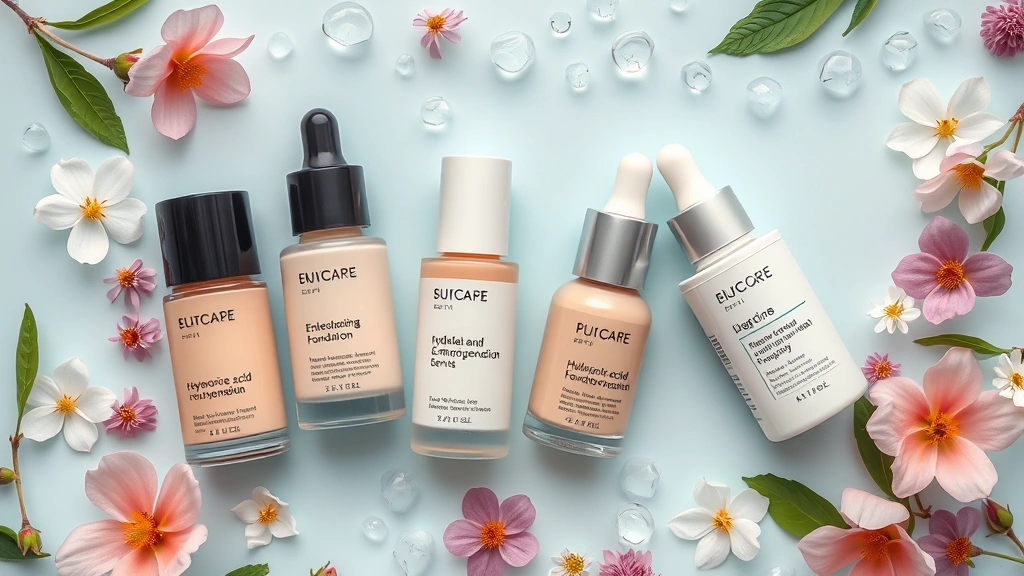
Understanding cosmetics ingredient chemistry empowers informed foundation selection for dry skin. When reviewing product labels and ingredient lists, prioritize the following categories:
Humectants and Hydrating Agents
- Hyaluronic Acid: A polysaccharide that holds up to 1000 times its weight in water, hyaluronic acid is the gold standard for skin hydration. This ingredient appears in virtually all hydrating foundations and works by drawing moisture from the environment into the skin.
- Glycerin: A humectant that attracts water molecules and maintains skin moisture balance. Glycerin is gentler than hyaluronic acid for sensitive dry skin and provides consistent hydration.
- Sorbitol and Panthenol: These humectants support moisture retention and improve skin barrier function. They’re particularly beneficial for compromised or sensitive dry skin.
- Marine and Plant Extracts: Seaweed, algae, and botanical extracts contain natural hydrating compounds and minerals that support skin moisture.
Emollients and Skin-Conditioning Agents
- Squalane and Squalene: Plant-derived oils that mimic skin’s natural sebum, these ingredients provide lightweight moisture without heaviness or greasiness. They’re ideal for dry skin seeking oil-based hydration.
- Jojoba Oil and Argan Oil: These plant oils contain fatty acids and vitamin E, supporting skin barrier function and providing long-lasting hydration.
- Ceramides: These lipid molecules strengthen the skin barrier and prevent transepidermal water loss. Foundations containing ceramides provide therapeutic benefits beyond coverage.
- Silicones (Dimethicone, Cyclomethicone): While sometimes controversial, silicones create a smooth, non-occlusive barrier that holds moisture without clogging pores.
Antioxidants and Anti-Inflammatory Compounds
- Vitamin E: A fat-soluble antioxidant that protects skin from environmental stressors and supports barrier function.
- Green Tea Extract: Contains polyphenols with anti-inflammatory and antioxidant properties, soothing dry, irritated skin.
- Niacinamide: Also known as vitamin B3, niacinamide reduces inflammation, strengthens the skin barrier, and regulates sebum production.
For comprehensive skincare support, consider pairing your hydrating foundation with a skincare routine with retinol and hyaluronic acid to maximize skin health and foundation performance.
Application Tips for Optimal Results
Foundation application technique significantly impacts how well the product performs on dry skin. Even the most hydrating cosmetics foundation will appear suboptimal if applied incorrectly.
Prep Your Skin
Begin with a moisturizing skincare base. Apply a hydrating toner or essence, followed by a lightweight facial moisturizer or hydrating serum. Allow products to absorb for 2-3 minutes before applying primer. This step is non-negotiable for dry skin, as it creates an optimal canvas for foundation application. The moisturized base prevents the foundation from absorbing into dry patches and ensures even color payoff.
Choose the Right Primer
For dry skin, select a hydrating primer rather than mattifying formulas. Look for primers containing hyaluronic acid, glycerin, or silicone-based hydrating agents. Apply primer to the entire face, focusing on areas prone to dryness. A quality hydrating primer extends foundation wear while maintaining skin hydration throughout the day. Consider primers with built-in skincare benefits that actively moisturize while creating a smooth application surface.
Application Method
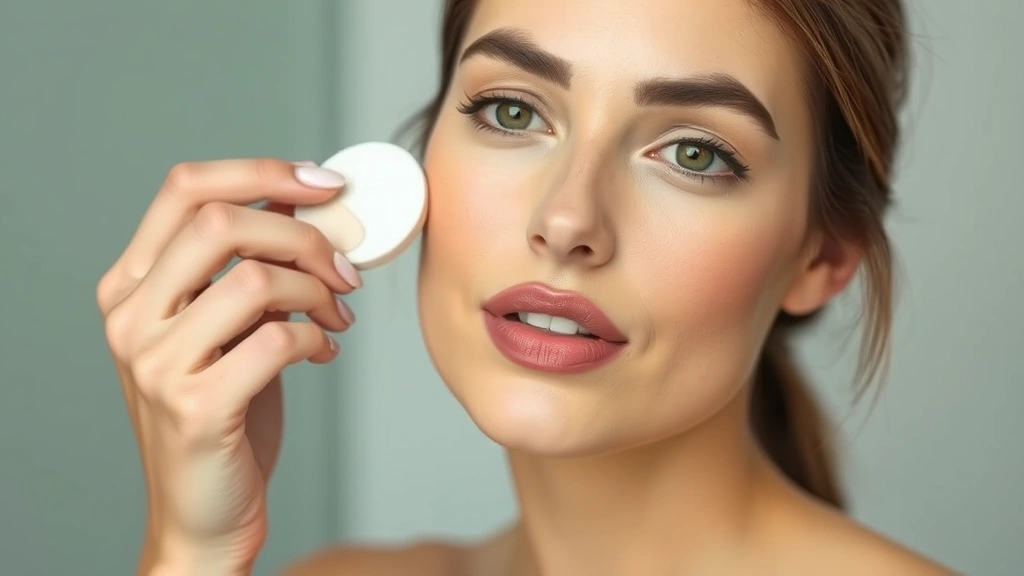
Dampen a beauty sponge with setting spray before applying foundation. This technique hydrates the sponge, allowing seamless foundation blending without absorbing excessive product. Apply foundation in thin layers, building coverage gradually rather than applying one thick coat. This approach prevents caking and allows the hydrating formula to work optimally. Use gentle bouncing motions rather than dragging or rubbing, which can emphasize dry patches.
Focus on Problem Areas
Pay special attention to areas prone to dryness, including the under-eye region, around the nose, and the forehead. Apply an extra layer of hydrating primer to these zones before foundation. Consider using a slightly lighter hand with foundation in these areas, allowing the primer’s hydrating properties to show through while maintaining coverage.
Blend Thoroughly
Take time to blend foundation edges seamlessly, particularly around the jawline, temples, and hairline. Use a damp sponge to buff foundation into the skin, ensuring no harsh lines or patchy areas remain. Thorough blending creates a natural, skin-like finish that appears as though it’s part of your complexion rather than sitting on top.
Prep and Skincare Routine
Foundation performance for dry skin depends significantly on the skincare routine supporting it. Even exceptional cosmetics products cannot compensate for inadequate skincare preparation.
Cleansing
Begin your routine with a gentle, hydrating cleanser that removes impurities without stripping natural oils. Use gentle face cleansers for sensitive skin specifically formulated to maintain the skin barrier. Avoid sulfate-based cleansers, which can exacerbate dryness. Cleanse with lukewarm water rather than hot water, which disrupts the skin barrier and increases moisture loss.
Exfoliation Strategy
Dry skin requires gentle exfoliation to remove dead skin cells without causing irritation or further dryness. Use chemical exfoliants (AHAs or BHAs) rather than physical scrubs, limiting use to 1-2 times weekly. These exfoliants dissolve dead skin cells while hydrating formulas in the product maintain skin moisture. Over-exfoliation exacerbates dryness and compromises the skin barrier, making foundation application more challenging.
Toning and Hydration
Apply a hydrating toner or essence immediately after cleansing while skin is still slightly damp. These products contain humectants that draw moisture into the skin and prepare it for subsequent skincare products. Pat gently rather than rubbing, as dry skin is often more sensitive and prone to irritation.
Serums and Treatments
Layer hydrating serums before moisturizer to maximize hydration. Hyaluronic acid serums, glycerin-based treatments, and niacinamide products all support dry skin health. These treatments work synergistically with moisturizers to create multiple hydration layers, ensuring your skin remains plump and moisturized throughout the day and under foundation.
Moisturizing
Apply a rich, nourishing moisturizer appropriate for your skin type. Look for products containing ceramides, peptides, and plant oils. Apply moisturizer to damp skin to lock in hydration from previous steps. Allow the moisturizer to absorb for several minutes before applying primer or foundation, preventing product pilling or separation.
Eye and Lip Care
The delicate eye and lip areas require specific attention for dry skin. Apply a dedicated eye cream before moisturizer, allowing it to absorb into this sensitive zone. Use a nourishing lip balm or treatment to prevent chapping and ensure your foundation applies smoothly across the lips. These small steps prevent the appearance of dryness in areas where fine lines and texture are most noticeable.
Optional: Facial Steaming
Incorporate facial steaming benefits into your routine 1-2 times weekly. Steaming opens pores, enhances product absorption, and prepares skin for optimal foundation application. Follow steaming with hydrating toner, serum, and moisturizer to maximize the treatment’s benefits.
Setting and Longevity
Proper setting techniques ensure your foundation remains flawless throughout the day while maintaining the hydrated appearance that flatters dry skin.
Setting Spray Selection
Rather than traditional powder setting products that can emphasize dryness, use a hydrating setting spray to lock foundation in place while maintaining moisture. Look for sprays containing glycerin, hyaluronic acid, or botanical extracts. These products set makeup while actively hydrating skin, preventing the flat, chalky appearance sometimes associated with powder setting on dry complexions. Use NYX Cosmetics setting spray or similar hydrating formulas for optimal results.
Light Powder Application
If powder is necessary for longevity, use a very light hand and select finely-milled, hydrating powders specifically formulated for dry skin. Avoid heavy powder application that can appear cakey and emphasize texture. Apply powder only to areas prone to shine (typically the T-zone), using a large fluffy brush to ensure seamless blending. Consider skipping powder entirely and relying solely on setting spray for a more natural, hydrated appearance.
Throughout-the-Day Touch-ups
Rather than reapplying foundation throughout the day, use a hydrating facial mist to refresh makeup and maintain moisture. These mists revitalize your complexion and ensure foundation remains fresh without requiring full reapplication. Keep a compact mirror and small setting spray bottle in your bag for midday touch-ups without compromising hydration.
Evening Removal
Remove foundation gently using a makeup remover or oil cleanser, followed by a hydrating cleanser. This double-cleanse method ensures complete makeup removal without stripping skin. Follow with your full nighttime skincare routine to replenish hydration and support skin barrier repair overnight. Proper evening care directly impacts foundation application quality the following day.
FAQ
Can I use matte foundation if I have dry skin?
While hydrating and luminous foundations are generally preferable for dry skin, some matte formulas are specifically designed with dry skin in mind. These foundations contain hydrating ingredients alongside matte-finish pigments. However, traditional matte foundations often emphasize dryness and texture, so proceed cautiously. Always test matte foundations on a small area before full application, and ensure your skincare routine provides ample hydration to support matte makeup wear.
How often should I exfoliate if I have dry skin?
Dry skin typically tolerates gentle chemical exfoliation 1-2 times weekly. Avoid physical scrubs and over-exfoliation, which compromise the skin barrier and exacerbate dryness. Choose gentle AHA or BHA exfoliants in hydrating formulations, and always follow with robust moisturizing products. Listen to your skin; if you experience increased sensitivity or flaking, reduce exfoliation frequency.
What’s the best way to store foundation for dry skin?
Store foundation in a cool, dark location away from direct sunlight and heat. Extreme temperatures can alter foundation formula consistency and efficacy. Keep bottles tightly sealed to prevent oxidation and contamination. Proper storage ensures your foundation maintains optimal hydrating properties and performance throughout its shelf life.
Should I use a hydrating primer under all foundations?
For dry skin, a hydrating primer is highly recommended under all foundations, particularly those with matte or semi-matte finishes. Primers create a smooth application surface, extend foundation longevity, and provide an additional hydration layer. Even when using inherently hydrating foundations, a quality primer enhances performance and ensures optimal skin comfort throughout the day.
Can foundation alone address my dry skin concerns?
While hydrating foundations provide temporary moisture and improve appearance, they cannot replace a comprehensive skincare routine. Foundation is a cosmetic product designed for color and coverage; it cannot provide therapeutic benefits equivalent to dedicated skincare treatments. Combine hydrating foundations with robust skincare including cleansers, toners, serums, and moisturizers to address dry skin comprehensively and maintain long-term skin health.
How do I prevent foundation from settling into fine lines?
Prevent fine line visibility by ensuring thorough skin hydration before foundation application, using hydrating primer, applying foundation in thin layers with a damp sponge, and avoiding powder setting products. Keeping skin moisturized through robust skincare minimizes fine line appearance naturally. Additionally, consider products containing light-diffusing pigments that minimize fine line visibility through optical effects rather than relying solely on coverage.
What’s the difference between hydrating and luminous foundations?
Hydrating foundations prioritize moisture delivery and skin comfort, often featuring fluid textures and ingredients like hyaluronic acid and glycerin. Luminous foundations emphasize radiant, dewy finishes through light-diffusing pigments and reflective ingredients. While these terms sometimes overlap, hydrating foundations focus on skin health and hydration, while luminous foundations emphasize aesthetic finish. For dry skin, hydrating formulas are generally preferable, though many modern luminous foundations incorporate hydrating ingredients.
Is it necessary to use a beauty sponge for foundation application on dry skin?
While not strictly necessary, damp beauty sponges are highly recommended for dry skin foundation application. Sponges allow seamless blending, minimize product absorption, and create a skin-like finish. If you prefer brushes, choose dense, soft-bristled options and dampen them slightly with setting spray. The key is using application tools that blend foundation smoothly without over-buffing or disturbing the base layer.