Deluxe Makeup Tips: Expert-Approved Advice from Professional Cosmetic Centers
Achieving a flawless makeup application requires more than just quality products—it demands professional techniques, ingredient knowledge, and a deep understanding of your unique skin type. At a deluxe cosmetic center, makeup artists and skincare specialists collaborate to create personalized beauty solutions that enhance your natural features while maintaining skin health. This comprehensive guide explores expert-approved makeup tips that professionals use daily to deliver exceptional results.
Whether you’re preparing for a special event, building a daily makeup routine, or seeking to elevate your beauty game, understanding the science behind cosmetic application and product selection is essential. Professional makeup artists at premier deluxe cosmetic centers invest years in mastering color theory, skin analysis, and application techniques. By implementing their evidence-based strategies, you can achieve salon-quality results at home while protecting your skin’s integrity and radiance.
Foundation: The Base of Professional Makeup
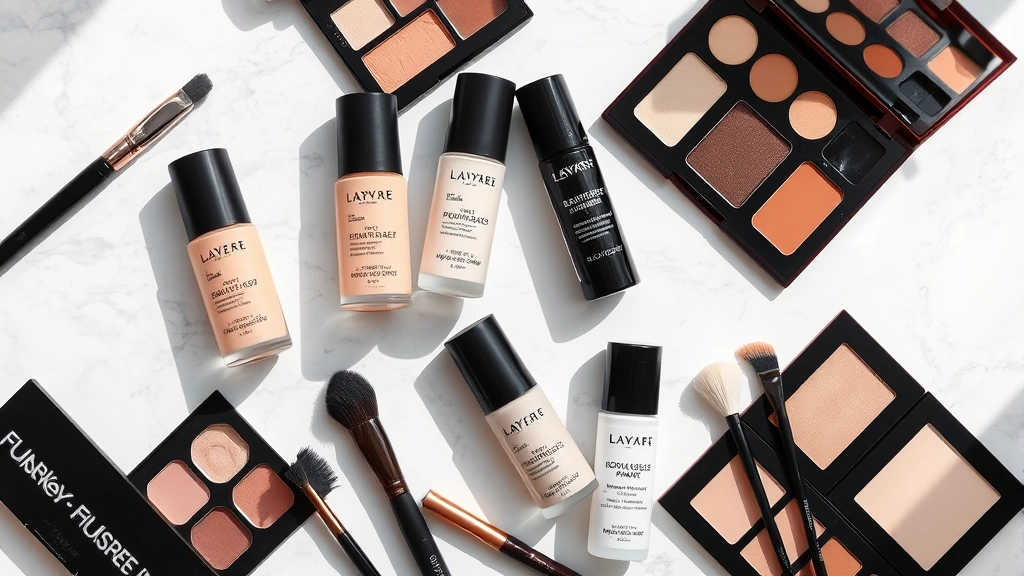
Professional makeup artists understand that foundation selection is the cornerstone of any successful makeup application. At a deluxe cosmetic center, specialists perform comprehensive skin analysis to determine your undertone, skin type, and specific texture concerns before recommending foundation products. The foundation serves multiple purposes: it creates an even canvas, provides coverage where needed, protects skin from environmental stressors, and ensures makeup longevity throughout the day.
When selecting foundation, experts consider several critical factors. First, the formula type matters significantly—whether you need water-based, silicone-based, or oil-based foundations depends on your skin’s moisture levels and texture. Those with oily or combination skin typically benefit from mattifying formulas with oil-control technology, while dry skin types require hydrating foundations with emollient ingredients like glycerin, hyaluronic acid, and plant oils. The coverage level is equally important; sheer coverage suits those seeking a natural finish, while medium to full coverage addresses hyperpigmentation, redness, and significant skin imperfections.
Expert application technique also distinguishes professional results from amateur efforts. Rather than applying foundation with fingers alone, professionals use damp beauty sponges or brushes to blend the product seamlessly into skin. The damp sponge technique, specifically, helps foundations blend without disturbing underlying primer and ensures a skin-like finish rather than a mask-like appearance. Professionals also apply foundation in thin, layered coats rather than one thick application, which prevents caking and allows skin texture to show through naturally.
Color Theory and Undertone Matching
Understanding color theory is fundamental to professional makeup application, and specialists at deluxe cosmetic centers use this knowledge to create harmonious, flattering looks. Your undertone—the subtle hue beneath your skin’s surface—determines which colors complement your complexion and which ones clash. Undertones fall into three categories: warm (golden, peachy, or yellow undertones), cool (pink, red, or blue undertones), and neutral (a balanced combination of warm and cool undertones).
Professional makeup artists identify undertones through several methods. The vein test involves examining the veins on your wrist; blue or purple veins suggest cool undertones, while green veins indicate warm undertones. The metal test—holding gold and silver jewelry near your face—reveals which metal complements your complexion better. Additionally, professionals observe how certain colors interact with your skin; if warm peachy tones make you glow while cool pinks look ashen, you likely have warm undertones.
Once your undertone is established, color selection becomes scientific rather than arbitrary. Warm undertones pair beautifully with Morphe Cosmetics eyeshadow palettes featuring warm bronzes, terracottas, and warm reds. Cool undertones complement jewel tones, cool pinks, and silvers. This understanding extends beyond eyeshadow to foundation shade, contour color, and lip choices. Professional makeup artists at deluxe cosmetic centers use color wheels and undertone charts to ensure every product harmonizes with your natural coloring, creating cohesive, sophisticated looks that appear intentional and flattering rather than mismatched.
Eye Makeup Mastery with Premium Pigments
Eye makeup represents one of the most transformative aspects of a complete makeup look, and professional techniques at deluxe cosmetic centers elevate this application dramatically. Premium eyeshadow formulations from brands like Nabla Cosmetics offer superior pigmentation, blendability, and longevity compared to budget alternatives. The difference lies in pigment concentration, binder ratios, and the inclusion of silicones and polymers that enhance adhesion and color payoff.
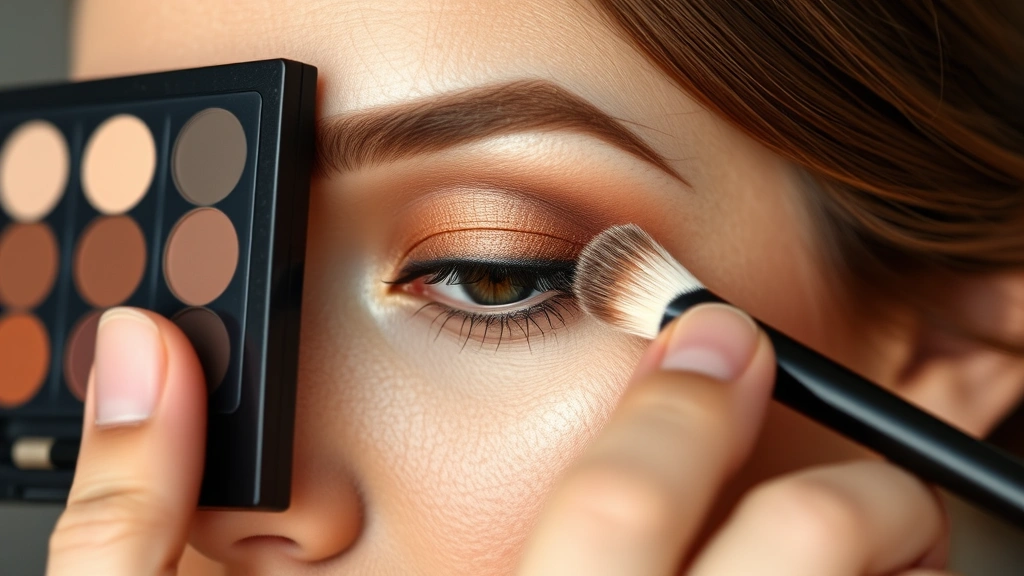
Professional eye makeup application follows a structured approach. First, eyeshadow primer is applied to the eyelid to create a smooth, adherent base that prevents creasing and extends wear time. Primers typically contain silicones and film-forming polymers that grip eyeshadow particles, preventing migration into fine lines. Second, professionals apply transition shades—neutral, matte colors slightly darker than skin tone—to create depth and dimension without harsh lines. These transition shades are applied with fluffy blending brushes using windshield wiper motions to diffuse edges seamlessly.
Next, mid-tone or primary eyeshadow colors are applied to the lid using flat or dome-shaped brushes, pressing color into the lid rather than swiping to maximize pigment deposit. Professionals then add depth with darker shades applied to the crease and outer lid, always blending thoroughly to prevent visible demarcation lines. Highlight shades—typically champagne, gold, or white metallics—are applied to the inner corner and brow bone to create luminosity and lift the eye area. The final step involves lining the upper lash line with eyeliner and applying mascara to frame and define lashes.
Understanding eyeshadow formulas is crucial for professional application. Powder shadows offer versatility and blendability, cream shadows provide long wear and intensity, and liquid shadows deliver maximum pigmentation with minimal fallout. Many professionals use hybrid formulations or layer different textures for optimal results. The key is selecting formulas appropriate for your eyelid type; oily lids require more long-wear products and less emollient primers, while dry lids benefit from hydrating primers and cream-based shadows.
Lip Color Selection and Application
Lip color serves as the finishing touch to any makeup look, and professional lip application techniques ensure color stays put while maintaining comfort and a polished appearance. At deluxe cosmetic centers, specialists recognize that lip color selection depends on several factors: undertone, skin depth, occasion, and personal preference. Professional lip artists often use lip liners to define the lip shape, prevent feathering, and extend color wear significantly.
The application process begins with lip preparation. Exfoliating dead skin cells and applying a hydrating lip balm creates a smooth canvas for color application. Professionals then use a lip liner in a shade matching the natural lip color or the chosen lipstick to outline the lip shape, slightly overlining if desired to create fuller-appearing lips. The lip liner is then blended slightly inward to prevent a harsh outline. Next, lipstick or liquid lip color is applied precisely using a lip brush, ensuring even coverage and clean edges. For liquid lipsticks, professionals often apply a thin first coat, allow it to set slightly, then apply a second coat for enhanced color saturation and longevity.
Professional lip formulations vary widely. Traditional lipsticks offer moisture and comfortable wear, while liquid lipsticks provide long-wear and intense color but may feel drying. Tinted lip balms deliver sheer color with maximum comfort, and lip stains offer long-lasting, natural-looking tints that develop color over time. Many professionals layer products strategically; for example, applying a long-wear liquid lipstick base, allowing it to set, then topping with a moisturizing balm creates both longevity and comfort. Understanding ingredient composition helps professionals recommend products suitable for sensitive lips or those prone to dryness or irritation.
Skin Preparation and Primer Essentials
Professional makeup application begins long before makeup products touch the skin. Proper skincare preparation is essential for achieving flawless makeup results and maintaining skin health. Experts at deluxe cosmetic centers emphasize that skincare is the foundation of makeup. A comprehensive skincare routine should include cleansing, toning, treatment serums, moisturizing, and sun protection.
Cleansing removes oil, dirt, and makeup residue that would otherwise compromise makeup application and skin integrity. Professionals recommend double cleansing for those wearing makeup daily: first using an oil-based cleanser to dissolve makeup and sebum, followed by a water-based cleanser to remove residual impurities. Toning balances pH after cleansing and prepares skin for subsequent products. Treatment serums address specific concerns like hyperpigmentation, texture irregularities, or dehydration using active ingredients such as vitamin C, niacinamide, or hyaluronic acid. Moisturizing hydrates skin and creates a plump, smooth surface ideal for makeup application. Sunscreen protects skin from UV damage that causes premature aging, hyperpigmentation, and compromises skin barrier function.
After skincare, primer application is crucial for makeup longevity and finish quality. Primers come in multiple formulations: pore-minimizing primers contain silicones that fill fine lines and pores, creating a smooth surface; hydrating primers suit dry skin and contain humectants like glycerin; mattifying primers control shine on oily skin; and color-correcting primers address redness or sallowness. Professional makeup artists select primers based on skin type, skin concerns, and the specific makeup look desired. A damp beauty sponge or brush applies primer evenly, allowing it to set for one to two minutes before foundation application.
Blending Techniques for Seamless Results
Blending is the hallmark of professional makeup application, transforming distinct color applications into cohesive, polished looks. Expert blending requires appropriate tools, technique, and product formulations that allow sufficient working time. Professional makeup artists invest in high-quality brushes specifically designed for blending—fluffy, domed brushes for eyeshadow blending, and fan brushes for powder product diffusion.
The blending technique involves using circular or windshield wiper motions with light pressure to soften edges between colors. Professionals work in layers, applying darker shades to areas requiring definition, then using clean brushes with lighter shades to blend and transition between colors. The key is working gradually rather than applying heavy color that requires excessive blending, which can muddy colors and destroy pigment payoff. When blending cream or liquid products, professionals use damp sponges or stippling brushes to blend without disrupting the product’s integrity.
Understanding product formulation is essential for successful blending. Powder products blend more easily than creams, but cream products offer superior blending capability if formulated correctly. Professionals often use setting sprays between product applications to allow layering without color disturbance. Additionally, blending brushes must be clean or lightly loaded with product; overly pigmented brushes can muddy blended areas. Professional makeup artists clean brushes between color applications or keep multiple brushes on hand to maintain color clarity and seamless transitions.
Contouring and Highlighting Science
Contouring and highlighting are advanced techniques that sculpt and enhance facial features through strategic color and light placement. Professional makeup artists understand the science behind these techniques: darker shades recede visually, making features appear smaller or less prominent, while lighter shades advance, making features appear larger or more prominent. This principle, rooted in color theory and perception psychology, allows professionals to create subtle or dramatic facial transformations.
Contouring involves applying shades slightly darker than skin tone to areas you wish to minimize or define. Common contouring areas include the hollows of cheeks (to create cheekbone definition), the sides of the nose (to create the illusion of a narrower nose), the jawline (to enhance definition), and the temples (to create facial structure). Professional makeup artists use matte, cool-toned shades for contouring, as these shades recede more effectively than warm or shimmery options. Application involves blending thoroughly to prevent visible stripes or harsh lines that appear unnatural.
Highlighting, conversely, applies lighter, typically shimmery shades to areas you wish to emphasize. Common highlighting areas include the inner corners of eyes, the tops of cheekbones, the center of the nose, the cupid’s bow, and the brow bone. Professionals use warm, luminous shades for highlighting to create an ethereal, lifted appearance. The technique involves applying highlighting products with light hands and blending softly to create a natural glow rather than an obvious stripe of shimmer. Many professionals layer highlighting products; applying a subtle matte highlight first, then topping with a luminous shimmer creates dimension and complexity that appears more sophisticated than a single highlight shade.
Understanding facial anatomy and structure allows professionals to customize contouring and highlighting for individual face shapes. Round faces benefit from contouring along the jawline and temples to create angularity, while square faces may use contouring to soften the jawline. Oblong faces can be balanced by contouring the temples and highlighting the center of the face. This customization ensures that contouring and highlighting enhance individual features rather than following a generic formula.
Longevity and Setting Strategies
Professional makeup application extends beyond achieving a beautiful look; it must also withstand environmental stressors, perspiration, and time. Expert makeup artists at deluxe cosmetic centers employ multiple strategies to ensure makeup remains flawless throughout the day or evening. Setting sprays are fundamental tools that lock makeup in place, preventing migration and extending wear time significantly. These sprays typically contain silicones, polymers, and preservatives that create a flexible film over makeup, holding products in place while allowing natural facial movement.
Powder setting represents another essential technique. Translucent or skin-toned powders applied with fluffy brushes set cream and liquid products, preventing shine and extending longevity. Professional makeup artists apply powder strategically to areas prone to creasing or shine—the T-zone, under eyes, and eyelids—rather than applying powder uniformly, which can appear heavy or mask skin texture. Some professionals use blotting papers throughout the day to remove excess oil without disturbing makeup, then reapply powder as needed.
Long-wear formulations are critical for professional makeup longevity. Choosing foundations, eyeshadows, and lip products specifically formulated for extended wear ensures makeup remains intact. Many professional-grade brands offer waterproof or sweat-resistant formulations ideal for special events, outdoor activities, or those with oily skin or sensitive skin concerns. Understanding ingredient labels helps professionals and consumers identify products with superior staying power; silicones, acrylates, and film-forming polymers enhance longevity significantly.
The concept of makeup layering also extends wear time. Applying primer before foundation, eyeshadow primer before eyeshadow, and lip liner before lipstick creates multiple adhesion points that prevent product migration. Additionally, setting each layer before applying the next product creates a stable foundation for subsequent applications. This technique requires more time but dramatically improves makeup longevity and finish quality.
For those seeking professional results with premium products, exploring RMS Cosmetics reviews provides insight into high-end, long-wearing formulations. Additionally, understanding how facial steaming affects makeup is important; the benefits of facial steaming include improved skin texture and enhanced product absorption, but steaming should occur before makeup application to prevent compromising longevity. For those concerned about ingredient safety, consulting skincare products safe for pregnancy ensures makeup and skincare choices support health throughout all life stages.
Environmental factors also impact makeup longevity. Heat, humidity, and perspiration challenge makeup staying power, particularly in warmer climates or during physical activity. Professional makeup artists recommend waterproof formulations for these conditions and suggest touch-up products for midday refreshing. Understanding antioxidant benefits in skincare is also valuable; benefits of green tea for skin extend to makeup preparation, as antioxidant-rich skincare creates a healthy, resilient canvas that supports superior makeup application and longevity.
FAQ
What makes a deluxe cosmetic center different from regular makeup counters?
Deluxe cosmetic centers employ highly trained makeup artists with extensive product knowledge, skincare expertise, and advanced technique training. They provide personalized consultations, skin analysis, and customized recommendations rather than generic advice. These centers typically carry premium product lines with superior formulations, offer makeup application services for special events, and provide educational resources about proper application and skincare. The investment in professional expertise and quality products results in superior makeup results and skin health outcomes compared to standard makeup counters.
How often should I update my makeup routine based on seasonal changes?
Seasonal changes significantly impact skin condition and makeup needs. During humid summers, opt for mattifying primers, long-wear foundations, and waterproof formulations. Winter’s dry conditions require hydrating primers, luminous foundations, and cream-based eyeshadows that don’t emphasize dry patches. Spring and fall often allow moderate adjustments. Additionally, sun exposure increases in summer, necessitating higher SPF in primers and foundations. Professional makeup artists recommend consulting with specialists seasonally to adjust skincare and makeup formulations accordingly, ensuring optimal results year-round.
Can professional makeup techniques be applied to everyday makeup routines?
Absolutely. Professional techniques translate directly to everyday makeup application. Investing in quality brushes, understanding your undertone, properly preparing skin with skincare and primer, and practicing blending techniques elevates daily makeup significantly. While professional makeup artists may use more products or spend additional time on application, the fundamental principles—proper foundation matching, strategic blending, and appropriate product selection for your skin type—apply to both professional and everyday makeup routines. Starting with professional consultations helps identify which techniques and products work best for your unique features and skin type.
What ingredients should I avoid in makeup products if I have sensitive skin?
Individuals with sensitive skin should avoid common irritants including fragrance, essential oils, certain preservatives (like parabens or formaldehyde releasers for some people), and synthetic dyes. Additionally, avoid products containing alcohol denat, which can be drying and irritating. Hypoallergenic formulations free from common allergens are preferable. Professional makeup artists at deluxe cosmetic centers can identify sensitive skin concerns and recommend fragrance-free, dermatologist-tested products formulated for reactive skin. Patch testing new products on a small area before full application helps identify potential sensitivities before they affect your entire face.
How do I determine my undertone if I’m unsure?
Several methods help identify undertone. Examine veins on your inner wrist; blue or purple veins suggest cool undertones, while green veins indicate warm undertones. Hold gold and silver jewelry near your face; if gold appears flattering, you likely have warm undertones, while silver suggests cool undertones. Additionally, observe how different colors interact with your complexion; if warm peachy tones make you glow while cool pinks appear ashen, you have warm undertones. Professional makeup artists at deluxe cosmetic centers can definitively determine your undertone through expert analysis, ensuring all product recommendations harmonize with your natural coloring.