NC Cosmetic Arts License: Essential Steps Explained
Pursuing a cosmetic arts license in North Carolina opens doors to a rewarding career in beauty, skincare, and makeup artistry. Whether you’re passionate about helping clients achieve flawless skin or mastering advanced makeup techniques, understanding the licensing requirements is your first step toward professional success. The NC cosmetic arts license demonstrates your commitment to industry standards, client safety, and professional excellence.
North Carolina’s cosmetic arts licensing process is regulated by the NC Board of Cosmetic Arts, which ensures that beauty professionals meet rigorous educational and practical standards. This comprehensive guide walks you through every essential step, from initial requirements to final certification, so you can confidently navigate your path to becoming a licensed cosmetic artist in the state.
The journey to obtaining your NC cosmetic arts license involves understanding prerequisite qualifications, completing accredited training programs, passing state examinations, and meeting ongoing professional development requirements. Each step builds your expertise in skincare fundamentals, makeup application, client consultation, and safety protocols that protect both you and your clients.
Eligibility Requirements for NC Cosmetic Arts License
Before enrolling in a cosmetic arts program, you must meet North Carolina’s basic eligibility requirements. The NC Board of Cosmetic Arts mandates that applicants must be at least 17 years old and possess a high school diploma or GED equivalent. These foundational requirements ensure that aspiring cosmetic artists have the maturity and educational background necessary for professional licensure.
Beyond age and education, you’ll need to demonstrate good moral character. This means providing a clean background check and disclosing any criminal history that might affect your licensure. North Carolina takes client safety seriously, so the board reviews all applications thoroughly. Additionally, you must be a legal resident or have proper work authorization in the United States to qualify for an NC cosmetic arts license.
Some applicants may be exempt from certain requirements if they hold valid licenses from other states or have prior professional experience in cosmetic arts. If you’re transferring your license from another state, contact the NC Board of Cosmetic Arts directly to explore reciprocity options. Understanding these eligibility criteria early helps you prepare a complete application and avoid delays in your licensing journey.
Choosing an Accredited Cosmetic Arts School
Selecting the right cosmetic arts school is crucial for your professional development and licensing success. North Carolina requires that you complete your training at a school approved by the NC Board of Cosmetic Arts. Accredited schools maintain high educational standards, employ qualified instructors, and provide comprehensive curricula that align with state licensing requirements.
When evaluating schools, consider factors like location, program length, cost, instructor credentials, and student support services. Visit potential schools in person to observe classroom environments, meet instructors, and speak with current students. Ask about their pass rates on the state licensing exam—schools with high pass rates demonstrate effective teaching and preparation. Additionally, inquire about job placement assistance and alumni networks that can support your career launch after obtaining your NC cosmetic arts license.
Accredited schools provide more than just technical training; they teach the professional standards and ethical practices essential in beauty and skincare industries. Look for programs that emphasize client consultation, sanitation protocols, and product knowledge. The best schools also cover foundational skincare science, helping you understand how to soothe irritated skin and address common client concerns with professional competence.
Curriculum and Training Hours
North Carolina requires cosmetic arts students to complete a minimum of 600 clock hours of instruction. These hours encompass theoretical knowledge, practical application, and hands-on experience across multiple cosmetic arts disciplines. The 600-hour requirement ensures that licensed professionals have adequate preparation in all essential areas of cosmetic artistry and skincare.
Your curriculum will cover several key areas: facial makeup application, including contouring and highlighting techniques; eye makeup artistry; lip color application and correction; skin analysis and assessment; sanitization and safety protocols; product knowledge and ingredient understanding; client consultation and communication; and business practices for working in salons or establishing independent practices.
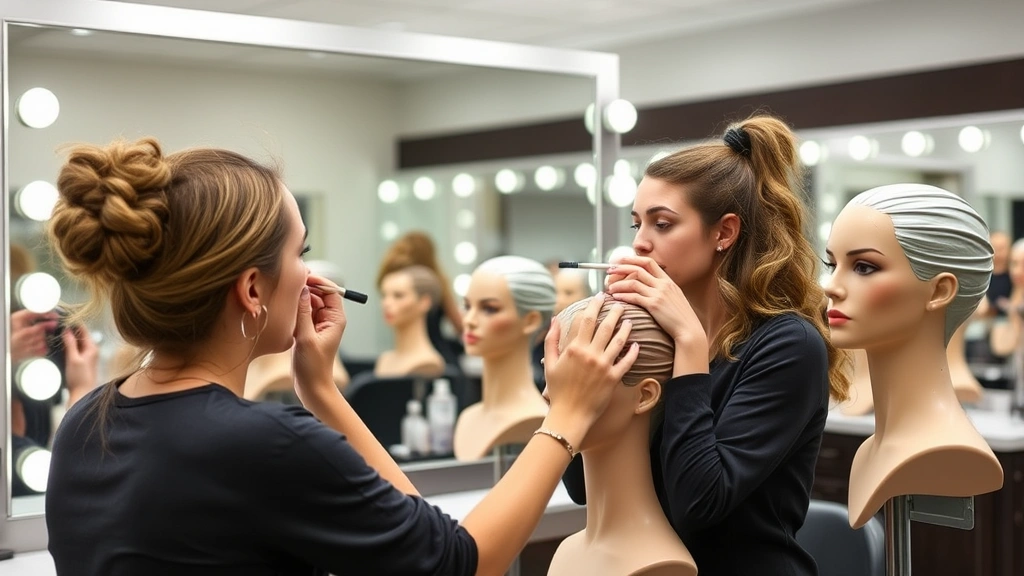
Advanced topics often include special effects makeup, bridal makeup design, and corrective makeup techniques. You’ll learn to identify different skin conditions like contact dermatitis and understand when to recommend professional dermatological care versus cosmetic solutions. Understanding ingredients in skincare products with antioxidants and products with ceramides helps you recommend appropriate skincare to clients. You’ll also master hygiene standards, learn about cross-contamination prevention, and understand regulations governing cosmetic product safety and ingredient restrictions.
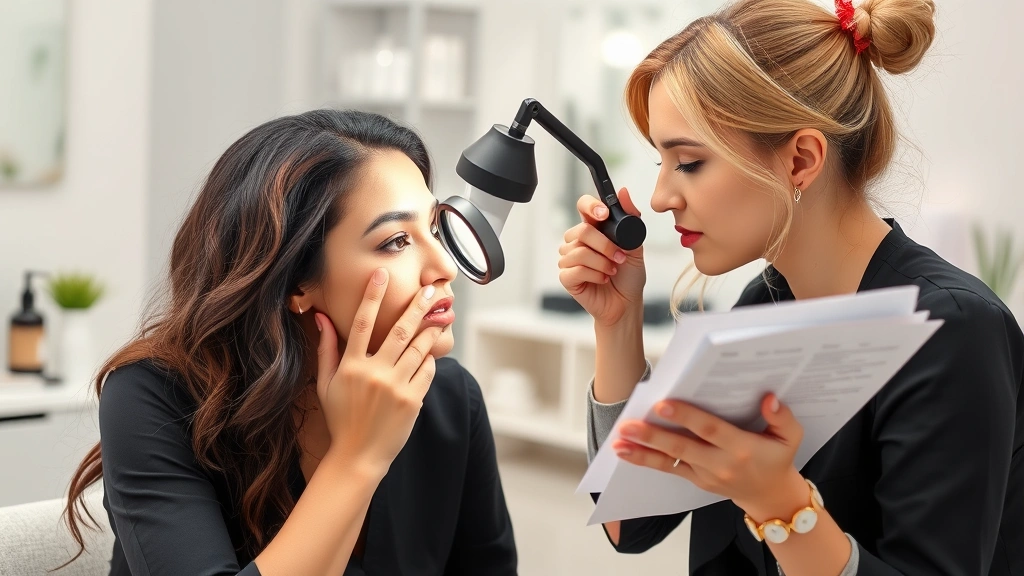
The practical hours are particularly important—you’ll work with real clients under instructor supervision, developing the technical skills and client communication abilities necessary for professional success. Many schools require students to complete a minimum number of client services before graduation, ensuring you have genuine hands-on experience before taking the licensing exam.
” alt=”Professional makeup artist applying eyeshadow to client with precision brushes in well-lit salon environment” />
State Examination Process
After completing your 600 training hours, you’re eligible to take North Carolina’s cosmetic arts licensing examination. The exam consists of two components: a written test and a practical skills assessment. Both portions evaluate your knowledge and abilities to ensure you meet the professional standards required to work safely and effectively in the cosmetic arts field.
The written examination tests your theoretical knowledge across all curriculum areas covered during your training. You’ll answer multiple-choice questions about skin anatomy, product ingredients, sanitation procedures, safety regulations, and professional ethics. The exam also includes questions about recognizing skin conditions and knowing when to refer clients to dermatologists for issues beyond cosmetic arts scope, such as heat rash or other dermatological concerns.
The practical examination requires you to demonstrate makeup application skills on live models or mannequins. You’ll complete makeup looks within specified timeframes while maintaining proper sanitation and safety protocols. Examiners assess your technique, creativity, product knowledge, and ability to follow specific makeup design requirements. This practical component ensures you can actually perform cosmetic artistry services to professional standards.
To prepare for the exam, review all course materials, practice makeup techniques repeatedly, and take practice tests offered by your school. Many successful candidates study in groups, practice on diverse skin tones and face shapes, and seek feedback from instructors. Understanding that skin hydration and condition affect makeup application helps you adapt techniques to different client needs—an important exam competency.
Application and Fees
Once you’ve passed both exam components, you’ll submit your formal application for your NC cosmetic arts license to the Board of Cosmetic Arts. The application requires documentation of your completed training hours, exam scores, proof of identity, background check clearance, and payment of licensing fees. Application fees typically range from $100-$200, though prices may vary annually.
Prepare all required documentation carefully—incomplete applications delay processing. You’ll need official transcripts from your training school, your exam score reports, a government-issued photo ID, and proof of Social Security number. The board verifies all information before issuing your license, so accuracy is essential. Processing typically takes 2-4 weeks after submission.
Some applicants need to provide additional documentation, such as court records for background verification or immigration documents for work authorization. If you have any questions about specific requirements, contact the NC Board of Cosmetic Arts directly—they can clarify documentation needs and ensure your application is complete before submission.
Continuing Education Requirements
Your NC cosmetic arts license isn’t permanent—it requires renewal every two years. To renew, you must complete continuing education hours and pay renewal fees. North Carolina typically requires 16 continuing education hours per renewal period, though requirements may change. These hours ensure that licensed professionals stay current with industry trends, new product innovations, and evolving safety standards.
Continuing education covers diverse topics: advanced makeup techniques, new product launches, skin condition updates, business management, client communication skills, and industry regulations. Many schools and professional organizations offer approved continuing education courses both in-person and online. You can earn credits through workshops, webinars, conferences, and specialized training programs. Maintaining your license through continuing education demonstrates your commitment to professional excellence and client safety.
Additionally, staying informed about skincare advances helps you serve clients better. Learning about emerging concerns like irritated skin solutions and understanding new product formulations keeps your knowledge current. Many professionals find that continuing education also inspires career growth, whether you’re expanding into specialized makeup artistry, salon management, or product education roles.
” alt=”Beauty professional conducting detailed skin analysis on diverse client using magnifying lamp in consultation” />
Career Opportunities with Your License
Your NC cosmetic arts license opens numerous career pathways in the beauty industry. Most licensed professionals work in salons, spas, or beauty studios, providing makeup services to individual clients. Many build loyal clienteles performing daily makeup application, special occasion makeup for weddings and events, and corrective makeup techniques. The salon environment offers stability, steady income, and opportunities for client relationship building.
Some licensed cosmetic artists establish independent businesses, offering mobile makeup services or operating private studios. This entrepreneurial path requires additional business planning and marketing skills but offers flexibility and potentially higher earnings. Others specialize in theatrical makeup, film and television production, or special effects artistry—fields that highly value licensed professionals with demonstrated expertise.
Beauty counter positions, makeup artist roles at photography studios, and cosmetic brand representation opportunities also welcome licensed professionals. Many cosmetic companies prefer hiring licensed artists for brand ambassador and educator roles. Additionally, some professionals transition into education, teaching at cosmetic arts schools and training the next generation of beauty professionals.
Your license also provides credibility for consulting services. Many clients specifically seek licensed cosmetic artists for their expertise, viewing the license as proof of professional training and competence. Whether you’re focused on everyday makeup artistry, special event services, or specialized makeup applications, your NC cosmetic arts license demonstrates your professional commitment and opens doors to diverse career opportunities.
FAQ
How long does it take to get an NC cosmetic arts license?
Most cosmetic arts programs take 3-6 months to complete 600 required hours, depending on whether you attend full-time or part-time. After graduation, exam scheduling and processing typically adds another 1-2 months. Total timeline is usually 4-8 months from enrollment to licensure.
Can I transfer my cosmetic arts license from another state to North Carolina?
North Carolina has reciprocity agreements with some states. If you hold a valid license from a reciprocal state with comparable training requirements, you may qualify for licensure without retesting. Contact the NC Board of Cosmetic Arts to determine if your state qualifies and what documentation you’ll need.
What’s the difference between a cosmetic arts license and other beauty licenses in NC?
NC cosmetic arts licenses specifically cover makeup application and artistry. Other beauty licenses include esthetician licenses (skincare treatments), hair stylist licenses (hair services), and nail technician licenses (nail services). Each requires separate training and licensing. Some professionals pursue multiple licenses to expand their service offerings.
How much does an NC cosmetic arts license cost?
Training costs vary by school but typically range from $3,000-$8,000 for the 600-hour program. Licensing fees are approximately $100-$200 for initial licensure and similar amounts for renewal every two years. Total investment depends on your chosen school and whether you attend full-time or part-time.
Do I need liability insurance as a licensed cosmetic artist in NC?
While not legally required, professional liability insurance is highly recommended. It protects you if a client has an allergic reaction to products or claims dissatisfaction with services. Insurance typically costs $200-$500 annually and provides essential financial protection for your business.
Can I work as a cosmetic artist while completing my training hours?
No, you cannot legally work as a cosmetic artist in North Carolina without your license. You must complete all 600 training hours, pass the state exam, and receive your license before providing paid cosmetic artistry services. However, you can practice on friends and family during your training period.
What happens if I don’t renew my NC cosmetic arts license?
Your license becomes inactive if not renewed within 30 days of expiration. You cannot legally provide cosmetic artistry services with an inactive license. Reactivating an expired license typically requires paying renewal fees plus any late penalties and completing current continuing education requirements.