Best Anti-Aging Creams? Expert’s Top Picks!
Finding the right anti-aging cream can feel overwhelming with countless products flooding the market, each promising to turn back the clock. However, the most effective anti-aging creams aren’t necessarily the most expensive ones—they’re formulated with proven ingredients backed by dermatological research and tailored to your specific skin type and concerns. Whether you’re dealing with fine lines, loss of elasticity, or uneven texture, understanding what actually works in anti-aging formulations is your first step toward achieving visible results.
The key to successful anti-aging skincare lies in combining active ingredients that address multiple concerns simultaneously. Retinoids boost cell turnover, peptides support collagen production, antioxidants protect against environmental damage, and humectants maintain skin hydration—all essential components of a comprehensive anti-aging strategy. In this guide, we’ll explore the science behind the best anti-aging creams, highlight expert-recommended products across different price points, and show you how to integrate these powerhouse formulas into your daily routine for maximum efficacy.
Understanding Anti-Aging Ingredients
The most effective anti-aging creams contain scientifically-validated ingredients that have demonstrated measurable improvements in skin texture, firmness, and appearance. Retinoids remain the gold standard in anti-aging skincare, with decades of research supporting their ability to increase cell turnover, stimulate collagen synthesis, and reduce the appearance of fine lines. Retinol, retinyl palmitate, and prescription-strength retinoids like tretinoin work by binding to retinoid receptors in skin cells, triggering cellular renewal processes that smooth wrinkles and improve overall skin quality.
Peptides function as amino acid chains that signal skin cells to produce more collagen and elastin, the structural proteins responsible for skin firmness and elasticity. When skin loses these proteins with age, peptides help restore the skin’s supportive framework. Look for formulas containing dipeptides, tripeptides, or more complex peptide sequences like palmitoyl pentapeptide, which studies show can reduce wrinkle depth by up to 30% with consistent use.
Vitamin C (L-ascorbic acid) is a potent antioxidant that not only neutralizes free radicals causing premature aging but also boosts collagen production and brightens skin tone. However, vitamin C is notoriously unstable; look for products with concentrations between 10-20% in opaque packaging to ensure efficacy. Complementary antioxidants like green tea extract enhance vitamin C’s protective effects when combined.
Hyaluronic acid deserves special mention because proper hydration is fundamental to reducing the appearance of fine lines. This naturally-occurring humectant can hold up to 1000 times its weight in water, plumping skin and creating a smoother appearance. When combined with niacinamide, which strengthens the skin barrier, hyaluronic acid’s hydrating benefits are significantly enhanced.
Neuropeptides like acetyl hexapeptide-8 work by relaxing facial muscles responsible for expression lines, offering a non-invasive alternative to injectables. These peptides inhibit the release of neurotransmitters that trigger muscle contractions, gradually softening dynamic wrinkles over 2-4 weeks of consistent application.
Alpha-hydroxy acids (AHAs) and beta-hydroxy acids (BHAs) provide chemical exfoliation that removes dead skin cells, revealing smoother, more radiant skin underneath. Glycolic acid (AHA) works on the skin’s surface, while salicylic acid (BHA) penetrates pores, making these acids excellent for improving texture and reducing the appearance of age spots and sun damage. Regular chemical exfoliation also helps minimize the appearance of enlarged pores, a common sign of aging skin.
Top Anti-Aging Creams by Skin Type
For Dry, Mature Skin: Look for rich creams with occlusive ingredients like squalane, ceramides, and plant oils that lock in moisture while delivering anti-aging actives. Products featuring retinol combined with peptides and hyaluronic acid work excellently for dry skin types, as the hydrating base prevents the irritation that can accompany retinoid use. Ingredients like shea butter and jojoba oil provide additional nourishment without feeling greasy.
For Oily and Combination Skin: Lightweight gel-creams and serum-based anti-aging formulas are ideal, featuring faster-absorbing hydrators like niacinamide and hyaluronic acid instead of heavy oils. Retinol in gel bases works beautifully for oily skin, as the lightweight texture won’t clog pores. Consider products with salicylic acid to address both aging and congestion concerns simultaneously. These formulations often include mattifying agents like silica to control shine throughout the day.
For Sensitive Skin: Choose gentle cleansing routines paired with anti-aging creams formulated without fragrance, essential oils, or common irritants. Start with lower concentrations of active ingredients—perhaps 0.3% retinol instead of 1%—and introduce them gradually. Look for soothing ingredients like centella asiatica (cica), allantoin, and panthenol that calm inflammation while retinoids work. Encapsulated retinol offers a gentler delivery system that reduces irritation while maintaining efficacy.
For Acne-Prone Aging Skin: This combination requires careful ingredient selection. Lightweight anti-aging creams with retinoids (which also treat acne), niacinamide (which regulates sebum), and salicylic acid address both concerns. Avoid heavy occlusive ingredients that might trigger breakouts. Peptide-based formulas offer excellent anti-aging benefits without the irritation potential of stronger actives.
How to Choose Your Perfect Formula
Selecting the best anti-aging cream requires honest assessment of your primary concerns. Are you targeting fine lines and wrinkles, loss of firmness, uneven texture, or dark spots? Different ingredients excel at different problems. Retinoids are your best choice for comprehensive anti-aging, while vitamin C specifically brightens and protects, peptides rebuild structural support, and AHAs improve texture and tone.
Consider your skin sensitivity level and tolerance for active ingredients. If you’re new to anti-aging skincare, start with a stable ingredient like niacinamide or peptides before introducing retinoids. Your skin barrier’s health significantly impacts how well you tolerate active ingredients; if your skin is compromised, establish a solid foundational routine before adding potent actives.
Evaluate the formulation stability and packaging. Vitamin C oxidizes quickly in clear bottles or when exposed to air; look for opaque, airless pump packaging. Retinoids degrade in sunlight, so dark glass or opaque containers are essential. Products in jars expose active ingredients to oxidation each time you open them, making pump or tube packaging superior for ingredient preservation.
Price doesn’t always correlate with effectiveness. A $30 retinol cream with proper formulation chemistry can outperform a $300 luxury option with inferior concentrations or unstable formulations. Research the specific ingredient concentrations listed on the label, and check independent reviews from dermatologists and cosmetic chemists rather than relying solely on marketing claims.
Your climate and lifestyle matter too. If you live in a dry climate or spend significant time in air-conditioned environments, choose richer creams with occlusive ingredients. If you’re frequently outdoors, prioritize formulas with antioxidants and consider pairing your anti-aging cream with a broad-spectrum SPF 30+ sunscreen—UV protection is arguably the most important anti-aging step you can take.
Application Techniques for Maximum Results
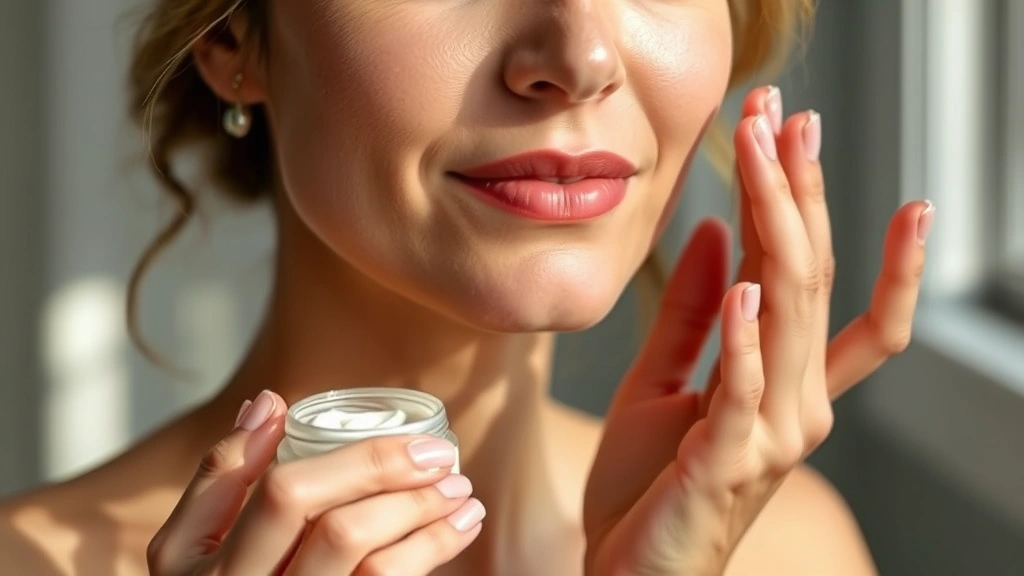
How you apply your anti-aging cream significantly impacts its effectiveness. Begin with a clean, dry face; applying products to damp skin dilutes active ingredients and reduces their potency. Pat your skin completely dry after cleansing, then wait 1-2 minutes before applying your anti-aging cream to allow your skin to fully recover its pH balance.
Use the “pea-sized” amount principle—a quantity about the size of a pea is sufficient for your entire face and neck. More product doesn’t mean better results; excess cream simply sits on the surface and may cause irritation. Warm the product between your palms before pressing it gently into your skin using upward motions, which supports circulation and helps the formula penetrate more effectively.
Layering order matters. Apply products from thinnest to thickest consistency: serums first, then lightweight creams, finishing with richer moisturizers or occlusives. If using multiple active ingredients, apply them separately on alternate nights initially to assess tolerance. For example, use retinol on Monday and Wednesday, vitamin C on Tuesday and Thursday, allowing your skin to adjust gradually.
Timing your application optimizes results. Retinoids work best at night when your skin naturally repairs itself and you’re not exposing the product to sunlight. Vitamin C performs excellently in morning routines, providing antioxidant protection throughout the day. Peptides and hyaluronic acid work effectively morning and night.
Consistency is critical. Anti-aging results require 6-8 weeks of regular use before visible improvements appear. Retinoids typically show results within 8-12 weeks, while peptides and vitamin C may demonstrate benefits within 4-6 weeks. Skipping applications or inconsistent use dramatically reduces effectiveness, so establish a simple routine you’ll actually maintain.
Building Your Complete Anti-Aging Routine
The best anti-aging cream works optimally within a comprehensive skincare routine that addresses all aging factors. Your morning routine should include a gentle cleanser, vitamin C serum or antioxidant-rich toner, lightweight anti-aging cream, and broad-spectrum SPF 30+ sunscreen. This combination provides antioxidant protection and shields skin from UV damage—the primary cause of visible aging.
Your evening routine should feature a thorough cleanse, optional chemical exfoliant (2-3 times weekly), retinoid-based anti-aging cream or serum, and a richer moisturizer to support your skin barrier during sleep. This is when your skin regenerates most actively, making evening the ideal time for potent actives like retinoids.
Weekly treatments enhance your routine’s effectiveness. A hydrating sheet mask provides intensive moisture for dry skin types, while a clay or enzyme mask can help oily skin. Consider your life stage when selecting treatments—certain ingredients require special consideration during pregnancy or while nursing.
Seasonal adjustments optimize year-round results. Winter typically requires richer anti-aging creams and more frequent moisturizing, while summer may allow lighter formulations and increased focus on sun protection. Adjust your routine as environmental conditions change to maintain consistent skin health.
Professional treatments complement home anti-aging routines beautifully. Consult a dermatologist about laser treatments, chemical peels, or microneedling that work synergistically with your anti-aging cream regimen. These professional treatments can accelerate results and address concerns that topical products alone cannot resolve.
Remember that building an effective skincare routine takes time and patience. Your skin’s natural cell turnover cycle is approximately 28 days, meaning true anti-aging results require minimum 4-8 weeks of consistent use. Avoid jumping between products constantly; give each formula adequate time to demonstrate its benefits before switching.
FAQ
Can I use multiple anti-aging actives simultaneously?
Combining actives requires careful consideration. Retinoids and vitamin C can be used together but should be applied at different times—vitamin C in the morning and retinoids at night—to prevent irritation. Avoid combining retinoids with AHAs/BHAs initially; introduce these sequentially as your skin builds tolerance. Always patch test new combinations on a small area first.
How long until I see results from anti-aging creams?
Timeline varies by ingredient. Hydrating ingredients show immediate plumping effects, while retinoids typically demonstrate visible improvements within 8-12 weeks. Vitamin C and peptides may show benefits within 4-6 weeks with consistent use. Fine lines improve gradually; deeper wrinkles require extended use or professional treatments for significant reduction.
Are expensive anti-aging creams always better?
Price doesn’t guarantee effectiveness. Research the specific ingredient concentrations and formulation chemistry rather than brand prestige. Many affordable anti-aging creams contain identical active ingredients at similar concentrations as luxury products. Focus on proven ingredients like retinoids, peptides, and vitamin C at appropriate concentrations rather than brand name.
Can anti-aging creams replace professional treatments?
Topical creams are excellent for maintenance and prevention but have limitations for severe aging concerns. Deep wrinkles, significant volume loss, or extensive sun damage may require professional treatments like lasers, injectables, or chemical peels. Anti-aging creams work best alongside professional treatments as part of a comprehensive approach.
Should I use anti-aging cream if I’m in my 20s?
Prevention is more effective than correction. Starting gentle anti-aging ingredients like vitamin C and sunscreen in your 20s prevents significant aging signs from developing. You don’t need intensive retinoid formulas yet, but antioxidants and consistent sun protection establish excellent skincare foundations for long-term skin health.
What’s the difference between retinol and retinoids?
Retinol is a weaker form of vitamin A that your skin must convert to retinoic acid to become effective. Prescription retinoids like tretinoin are already in their active form, making them more potent and faster-acting but also more irritating. Retinol offers a gentler entry point to retinoid therapy with fewer side effects for sensitive skin.