Asian Eyelid Cosmetic Surgery: A Surgeon’s Complete Guide to Double Eyelid Procedures
Asian eyelid cosmetic surgery, commonly known as double eyelid surgery or blepharoplasty, represents one of the most requested cosmetic procedures among patients of Asian descent. This surgical approach differs significantly from traditional Western eyelid surgery due to distinct anatomical variations, including thicker subcutaneous fat, different muscle attachments, and unique skin characteristics. Understanding the nuances of Asian eyelid surgery requires comprehensive knowledge of both the aesthetic goals and the technical surgical considerations that make this procedure distinctive.
The decision to undergo Asian eyelid cosmetic surgery is deeply personal and often influenced by cultural beauty standards, individual aesthetic preferences, and functional concerns. Modern surgeons specializing in this field have developed refined techniques that respect ethnic identity while delivering natural-looking results. This guide explores the surgical approaches, considerations, and insights from experienced practitioners who understand the complexities of enhancing Asian eyelids with precision and artistry.
Understanding Asian Eyelid Anatomy
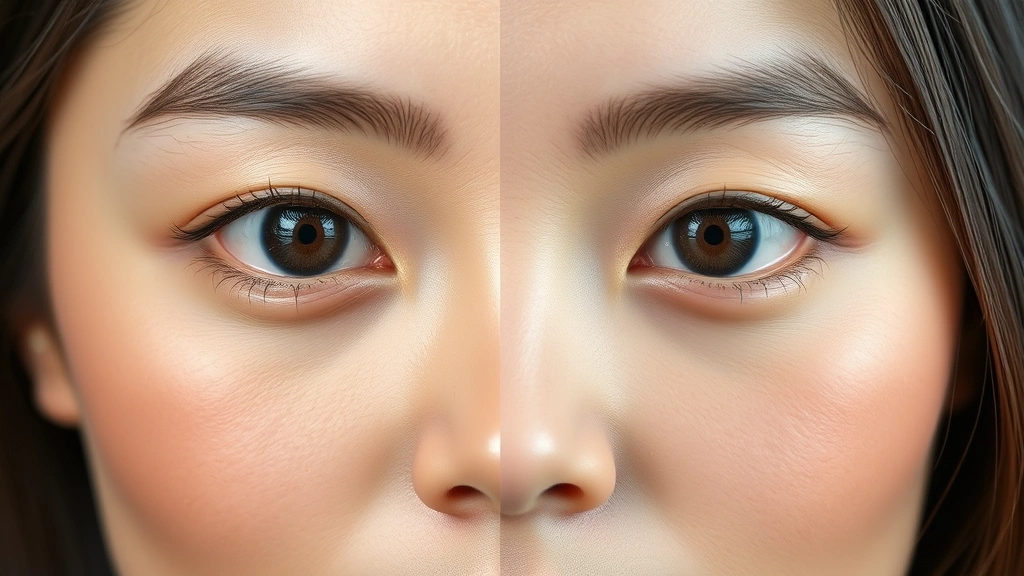
The anatomical differences between Asian and Western eyelids are fundamental to understanding why specialized surgical techniques are necessary. Asian eyelids typically feature a lower or absent supratarsal crease, meaning the eyelid fold sits lower or doesn’t exist at all. This structural variation stems from differences in the levator aponeurosis attachment and the distribution of subcutaneous fat in the upper eyelid.
One of the most significant anatomical characteristics is the presence of more abundant subcutaneous fat in the upper eyelid. This fuller appearance, while sometimes desired for its youthful quality, can obscure the eye opening and create the appearance of a smaller eye. Additionally, Asian eyelids often have a thicker skin envelope and stronger orbicularis oculi muscle, which requires different surgical approaches compared to thinner, more delicate Caucasian eyelids.
The medial fat pad distribution also differs substantially. In Asian eyelids, fat extends more medially, which can contribute to a puffy appearance at the inner corner of the eye. Understanding these anatomical variations allows surgeons to create results that appear natural and harmonious with the patient’s facial features. The goal isn’t to westernize the eyelid but to enhance it in a way that respects the individual’s ethnic features while achieving their aesthetic objectives.
Surgeons specializing in cosmetic procedures must develop keen observational skills to assess eyelid height, symmetry, and the relationship between the eyelid and eyebrow. The distance from the lid margin to the brow, known as the brow-to-lid distance, significantly influences surgical planning and the final aesthetic outcome.
Types of Double Eyelid Surgery Techniques
Several distinct surgical techniques exist for creating or enhancing the supratarsal crease in Asian eyelids. The primary methods include the incisional technique, the non-incisional or suture technique, and hybrid approaches that combine elements of both. Each method has specific advantages and limitations, and the choice depends on individual anatomy, desired crease height, and patient preferences regarding recovery time.
The incisional method involves creating a surgical line along the desired crease location, allowing the surgeon to remove excess skin and fat while establishing a permanent connection between the skin and the underlying levator aponeurosis. This technique provides more control and permanence but requires a longer recovery period and results in a fine scar along the eyelid crease.
The non-incisional method uses sutures to create the crease without removing tissue, making it less invasive with minimal downtime. However, this technique may not be suitable for all patients, particularly those with significant skin excess or very thick eyelids. The hybrid approach combines minimal incision with suture fixation, offering a middle ground between the two primary techniques.
Selecting the appropriate technique requires detailed assessment of eyelid characteristics, skin elasticity, and the patient’s lifestyle and recovery expectations. Experienced surgeons can guide patients through the decision-making process by explaining how each technique would address their specific anatomical features and aesthetic goals.
The Incisional Method Explained
The incisional or open technique represents the gold standard for Asian eyelid cosmetic surgery, particularly for patients with significant skin excess, prominent fat, or those seeking long-lasting, dramatic results. This method provides surgeons with maximum control and visibility, allowing precise sculpting of the eyelid anatomy.
During the incisional procedure, the surgeon marks the desired crease location, typically ranging from 6 to 10 millimeters above the eyelid margin. The incision follows this marked line, allowing access to the subcutaneous tissues. The surgeon then carefully removes excess fat pads, which is often the primary concern in Asian eyelids. The amount of fat removal must be judicious—removing too much can create an unnatural appearance or lead to hollowing, while removing too little may not achieve the desired aesthetic improvement.
After fat removal, the surgeon establishes a connection between the dermis of the skin and the levator aponeurosis, creating a permanent crease. This is typically accomplished using absorbable sutures that anchor the skin to the underlying muscle. The incision is then closed with fine sutures, which are typically removed within 5 to 7 days.
The incisional approach allows surgeons to address additional concerns such as skin redundancy, asymmetry, and ptosis simultaneously. Patients choosing this method should understand that while results are generally permanent, the fine scar along the eyelid crease typically becomes inconspicuous over time as it settles into the natural eyelid fold.
Non-Incisional and Hybrid Approaches
The non-incisional or suture technique has gained popularity due to its minimal invasiveness and quick recovery time. This method involves creating small puncture sites above and below the eyelid, through which sutures are passed to anchor the skin to the levator aponeurosis. No tissue is removed, and no incision is made along the eyelid.
This approach is particularly appealing to patients who want to avoid visible scarring and prefer rapid return to normal activities. Recovery is typically much faster, with minimal bruising and swelling. However, the non-incisional method has limitations. It works best for patients with thin to moderate eyelid thickness, minimal fat, and good skin elasticity. Results may not be as dramatic or long-lasting as the incisional technique, and some patients may require revision procedures as sutures gradually absorb.
Hybrid techniques combine elements of both approaches, using a minimal incision to address fat removal while utilizing suture fixation to create the crease. This method can offer a balance between the permanence of the incisional technique and the quick recovery of the non-incisional approach. Some surgeons prefer hybrid methods for patients with moderate fat excess and reasonable skin elasticity.
The choice between these techniques should be made collaboratively between the surgeon and patient, considering individual anatomy, recovery expectations, and long-term aesthetic goals. Patients should be honest about their lifestyle, work requirements, and how much downtime they can accommodate.
Pre-Surgical Consultation and Planning
A thorough pre-surgical consultation is essential for successful Asian eyelid cosmetic surgery outcomes. During this consultation, the surgeon should perform detailed measurements and assessments to understand the patient’s current eyelid anatomy and desired aesthetic outcome.
Key measurements include the height of the current eyelid crease (if present), the distance from the lid margin to the desired crease location, eyelid thickness, and the amount of fat present. The surgeon should also assess eye shape, brow position, and the relationship between the upper and lower eyelids. Photography from multiple angles provides valuable documentation for surgical planning and allows patients to visualize potential outcomes.
Discussing aesthetic goals is crucial. Some patients desire a subtle enhancement that maintains their natural appearance, while others want a more dramatic transformation with a higher and more defined crease. The surgeon should explain how different crease heights and shapes will affect the overall eye appearance and facial balance. Additionally, patients should understand that while both eyes are treated, achieving perfect symmetry is anatomically challenging, as most people have naturally asymmetrical eyelids.
Pre-operative instructions typically include avoiding blood-thinning medications and supplements, discontinuing certain skincare products, and arranging transportation for surgery day. Patients should also discuss their medical history, including any bleeding disorders, previous eyelid surgery, or contact lens use, as these factors can influence surgical planning and recovery.
Recovery Timeline and Aftercare
Recovery from Asian eyelid cosmetic surgery varies depending on the surgical technique used. Patients undergoing the incisional method typically experience more significant initial swelling and bruising compared to those having non-incisional procedures.
In the immediate post-operative period (first 24 to 48 hours), patients should expect swelling, bruising, and some discomfort. Cold compresses applied intermittently help reduce swelling, while prescribed pain medication manages discomfort. During this time, patients should rest with their head elevated, as this position helps minimize fluid accumulation in the eyelids.
By one week post-surgery, sutures are typically removed, and patients can usually return to light activities. However, significant swelling and bruising may still be present. Many patients choose to wear sunglasses during this period to conceal residual bruising. Strenuous activities, heavy lifting, and contact sports should be avoided for at least two to three weeks.
The eyelid continues to improve over several months as swelling gradually resolves and scars mature. Most patients see the majority of their results by three months, though final results may take six to twelve months as all swelling resolves and scars fade. During this healing period, proper skincare is essential. Using gentle cleansers and avoiding harsh products helps protect healing tissues. Patients should also consider using skincare products for sensitive skin during the recovery phase, as the eyelid area is particularly delicate.
Sun protection is crucial during recovery, as UV exposure can darken healing scars. Sunscreen with SPF 30 or higher should be applied daily, and patients should wear sunglasses when outdoors. Some surgeons recommend scar management treatments such as silicone gel sheets or topical scar creams to optimize healing.
Risks and Complications to Consider
While Asian eyelid cosmetic surgery is generally safe when performed by experienced surgeons, potential complications exist. Understanding these risks allows patients to make informed decisions and recognize warning signs that require immediate medical attention.
Common temporary complications include excessive swelling, bruising, and mild discomfort, which typically resolve within two to three weeks. Some patients experience dry eyes temporarily due to altered eyelid mechanics, which usually improves as healing progresses. Lubricating eye drops can help manage this symptom.
More serious but less common complications include infection, bleeding, and hematoma formation. Infection requires prompt antibiotic treatment, while significant bleeding or hematoma may necessitate additional intervention. Asymmetry is another potential issue, where one eyelid heals differently than the other, though this can often be corrected with revision surgery.
Rare but serious complications include damage to the levator muscle, leading to eyelid ptosis, or overcorrection resulting in an unnatural appearance. Some patients may experience difficulty closing their eyes completely, a condition called lagophthalmos, which requires additional treatment. Chemical conjunctivitis can occur if surgical solutions contact the eye, though this typically resolves with irrigation and eye drops.
Choosing a board-certified surgeon with extensive experience in Asian eyelid surgery significantly reduces complication risks. Patients should feel comfortable asking surgeons about their complication rates and how they manage adverse outcomes.
Combining Eyelid Surgery with Other Procedures
Many patients choose to combine Asian eyelid cosmetic surgery with complementary procedures to achieve comprehensive facial enhancement. This approach can create more harmonious and balanced results.
Combining eyelid surgery with brow lift procedures can enhance the entire upper eye region. A subtle brow lift can improve brow position and reduce the appearance of forehead lines while complementing the newly created eyelid crease. Ptosis correction, which elevates a drooping eyelid, is often performed simultaneously with double eyelid surgery when both concerns are present.
Lower eyelid procedures such as lower blepharoplasty address under-eye bags and dark circles, creating a more refreshed appearance. When combined with upper eyelid surgery, lower eyelid procedures can create balanced, harmonious eye enhancement. Some patients also choose to combine eyelid surgery with eyeshadow application techniques consultation to maximize their new eyelid’s visual impact with makeup.
Rhinoplasty and chin augmentation are commonly combined with eyelid surgery as part of comprehensive facial enhancement plans. These procedures work synergistically to improve overall facial proportion and balance. Additionally, some patients consider combining eyelid surgery with skincare treatments such as chemical peels or laser resurfacing to address skin texture and tone concerns simultaneously.
Timing is important when combining procedures. While multiple procedures can be performed during one surgery session, recovery is more intensive, and swelling may be more pronounced. The surgeon will recommend the optimal combination and sequencing based on individual circumstances.
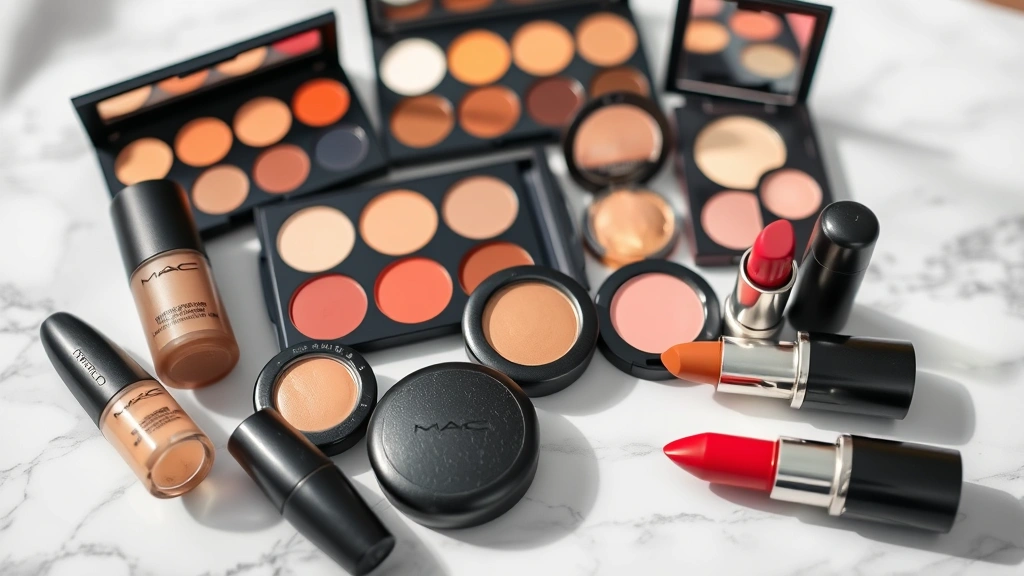
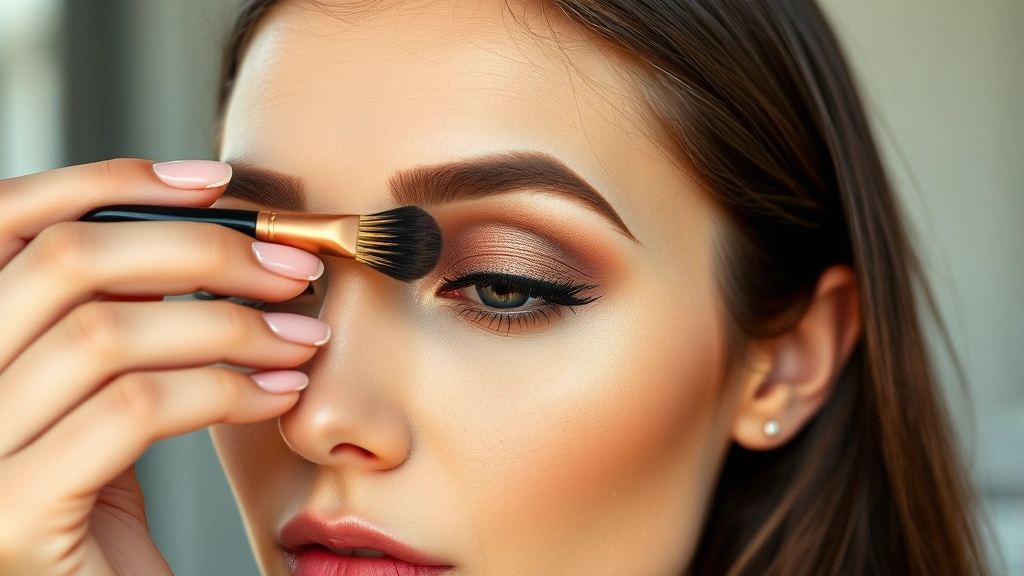
For patients interested in makeup techniques to enhance their new eyelids, exploring resources about MAC Cosmetics Bronzing and professional makeup application can help maximize the visual impact of their surgical results. Additionally, understanding proper makeup brush techniques ensures optimal application on the newly enhanced eyelids.
Proper organization of makeup and skincare products is also beneficial during recovery. A cosmetic organizer helps keep frequently used recovery items and gentle makeup products easily accessible during the healing period.
FAQ
How long do results from Asian eyelid surgery last?
Results from incisional double eyelid surgery are typically permanent, as the surgical connection between the skin and levator aponeurosis creates a lasting crease. Non-incisional methods may require revision after several years as sutures gradually absorb. Most surgeons estimate that non-incisional results last 3 to 5 years, though individual variation exists.
Will the scar be visible after eyelid surgery?
The surgical scar from incisional double eyelid surgery typically becomes inconspicuous over time as it settles into the natural eyelid fold. Within 6 to 12 months, most scars fade significantly and blend with the eyelid crease. Proper scar care during the healing process helps optimize the final appearance. The non-incisional method avoids visible scarring altogether.
When can I resume wearing contact lenses after surgery?
Patients should wait at least one week after suture removal before resuming contact lens wear, though some surgeons recommend waiting two to three weeks. The eyes may feel dry initially, making contacts uncomfortable. Patients should consult their surgeon before reintroducing contact lenses to ensure proper healing.
Can I achieve natural-looking results with double eyelid surgery?
Yes, natural-looking results are entirely achievable when working with an experienced surgeon who understands Asian eyelid anatomy. The key is choosing appropriate crease height and shape that harmonizes with your facial features rather than creating an overly dramatic or westernized appearance. Detailed pre-operative consultation helps ensure results match aesthetic goals.
Is Asian eyelid surgery painful?
During surgery, the area is numbed with local anesthesia, so patients don’t experience pain, though they may feel pressure or mild sensations. Post-operative discomfort is typically mild to moderate and well-managed with prescribed pain medication. Most patients report that discomfort is less than expected and resolves within a few days.
How much does Asian eyelid cosmetic surgery cost?
Costs vary significantly based on the surgical technique used, surgeon experience, geographic location, and whether additional procedures are performed. Incisional double eyelid surgery typically costs between $3,000 and $8,000, while non-incisional methods are generally less expensive. Patients should obtain detailed cost estimates during consultation.
What should I look for in a surgeon for Asian eyelid surgery?
Choose a board-certified plastic surgeon or ophthalmologist with extensive experience specifically in Asian eyelid surgery. Review before-and-after photos demonstrating natural-looking results on Asian patients. Ask about their complication rates, approach to asymmetry, and how they handle revisions. Schedule consultations with multiple surgeons to compare perspectives.