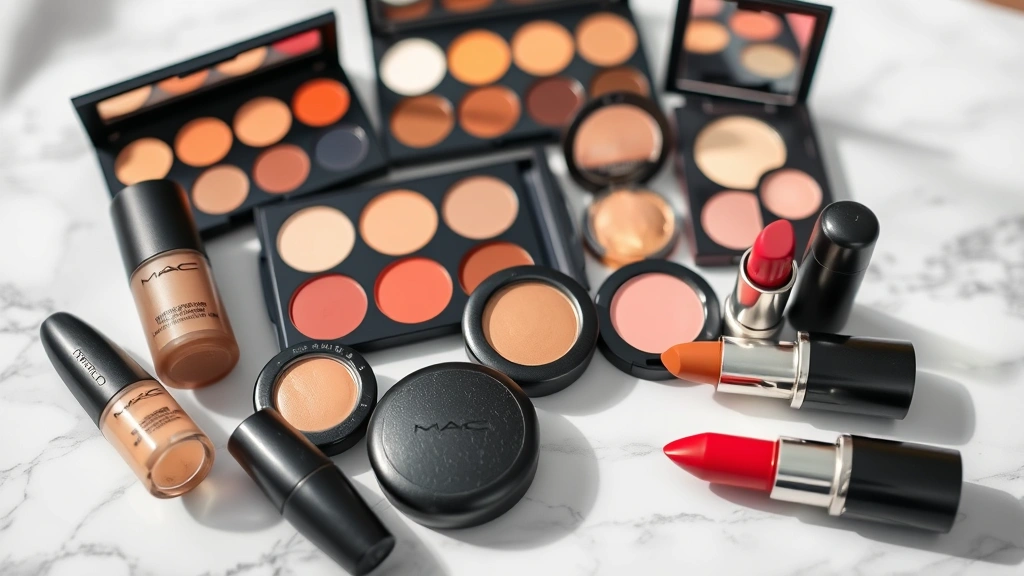
Becca Highlighters: Makeup Artist’s Top Picks for Luminous Skin
Becca Cosmetics has established itself as a powerhouse in the highlighter category, offering formulations that range from subtle luminosity to bold, multidimensional radiance. Whether you’re a professional makeup artist seeking reliable products for client work or a beauty enthusiast building your collection, understanding the nuances of Becca’s highlighter range is essential. These products deliver exceptional performance across different skin tones, undertones, and finish preferences, making them a staple in professional kits and personal makeup collections worldwide.
The brand’s commitment to pigmentation quality and blendability has made their highlighters legendary among makeup professionals. Each formula is engineered to sit seamlessly on the skin, creating a natural glow rather than a chalky or glittery finish. This article explores the most coveted Becca highlighter products, their ingredient profiles, application techniques, and how they perform on various skin types. We’ll also discuss how to incorporate these luminizing products into a comprehensive beauty routine that starts with proper skincare routine for glowing skin.
Becca’s Most Iconic Highlighter Formulations
Becca’s highlighter lineup includes several standout products that have earned cult status among makeup professionals. The Becca Shimmering Skin Perfector Liquid remains the brand’s flagship product, offering a luminous, skin-like finish that works beautifully on all skin types. This liquid formula provides buildable coverage and seamless blending, making it ideal for both natural and dramatic applications. The product’s lightweight texture prevents the heavy, mask-like appearance that some powder highlighters create, instead melting into the skin for a dewy, authentic glow.
The Becca Pressed Highlighter line offers a powder alternative with exceptional pigmentation. These finely-milled powders provide a refined sheen without excessive glitter particles, creating a sophisticated luminosity that photographs beautifully. Professional makeup artists appreciate the powder format for its longevity and ease of layering, allowing them to build intensity gradually. The pressed formula maintains its integrity throughout the day, resisting creasing or fading even in humid conditions or under professional lighting.
Becca’s Highlighter Trio Sets provide curated shade combinations that work harmoniously together. These sets typically include complementary undertones—warm, cool, and neutral—allowing artists to customize the glow based on client skin tone and undertone. This strategic approach to shade selection demonstrates the brand’s understanding that one-size-fits-all highlighters don’t serve diverse complexions effectively. When building professional cosmetic kits, these trio sets offer excellent value and versatility.
Skin Tone Matching and Shade Selection
Selecting the appropriate highlighter shade is crucial for achieving a flattering, natural-looking glow. For fair skin tones, Becca’s cooler-toned shades like Moonstone and Pearl create a luminous, icy radiance that complements pink and cool undertones. These shades prevent the orange or bronze cast that warmer highlighters might create on lighter complexions. Fair skin with warm undertones benefits from shades like Opal or Prosecco, which provide a champagne-like shimmer without appearing ashy.
Medium skin tones have excellent flexibility with Becca’s mid-range shades. Champagne Pop serves as a universal shade that flatters most medium complexions, offering a warm, golden luminosity that enhances natural radiance. For medium skin with deeper undertones, shades like Rose Gold or Warm Topaz provide dimension while maintaining a cohesive, skin-toned appearance. These shades enhance the natural undertones rather than competing with them.
Deep skin tones benefit significantly from Becca’s expanded shade range, which includes rich, pigmented options like Liquid Gold, Sunlit, and Topaz. These shades provide genuine luminosity on deeper complexions rather than appearing ashy or washed out. The pigmentation in these shades ensures visibility and impact, preventing the common problem where lighter highlighters disappear on deep skin tones. Understanding your undertone—whether warm gold, cool red, or neutral bronze—ensures you select shades that enhance rather than clash with your natural coloring. Those managing skincare products for sensitive skin should verify that chosen highlighters contain no irritating dyes or fragrances.
Application Techniques for Maximum Impact
Professional makeup artists employ specific techniques to maximize highlighter impact and longevity. The placement strategy significantly influences the final result. Traditional placement focuses on the high points of the face—cheekbones, brow bones, inner corners of eyes, and the bridge of the nose. However, modern techniques expand this approach, subtly highlighting the cupid’s bow, temples, and even the center of the forehead for multidimensional radiance.
For liquid highlighters, application method determines the final finish. Using fingertips allows for seamless blending and a skin-like finish, as the warmth of your fingers helps the product meld with the skin. Beauty sponges provide a more buffed, diffused application, perfect when you want luminosity without distinct highlighting. Brushes offer precision and control, ideal for professional applications where consistency matters across multiple clients.
Powder highlighters require different techniques depending on desired intensity. Stippling motions with a fluffy brush create a subtle, natural glow, while pressing the product into the skin with a damp sponge intensifies pigmentation. Layering—applying multiple thin layers rather than one heavy application—builds dimension and prevents the muddy, overly-shimmery appearance that sometimes results from heavy-handed application. This technique is especially important on cameras, where excessive highlighter can create blown-out, unflattering reflections.
Timing within the makeup application process matters significantly. Applying highlighter after foundation and concealer allows for proper color coordination and ensures the glow sits atop the base rather than mixing into it. For those following a complete cosmetics for beginners guide, understanding application sequencing prevents common mistakes that undermine the final look.
Ingredient Analysis and Formula Benefits
Understanding the ingredient profiles of Becca highlighters helps professionals select products appropriate for specific skin types and client needs. Becca’s formulations typically include mica, titanium dioxide, and iron oxides as primary light-reflecting ingredients. Mica particles scatter light in multiple directions, creating the multidimensional shimmer Becca products are known for, while titanium dioxide provides luminosity with a subtle white cast that enhances skin brightness.
The brand incorporates silicone-based polymers in most formulations, creating a smooth, blendable texture that adheres to skin without pilling or emphasizing texture. These polymers provide longevity, helping the highlighter maintain its appearance throughout long days or special events. For oily skin types, silicone bases can sometimes feel heavy, making water-based or oil-free alternatives preferable.
Becca highlighters often contain emollients and conditioning agents like glycerin and jojoba oil, particularly in liquid formulations. These ingredients prevent the products from feeling dry or chalky on skin, instead providing a hydrated, luminous appearance. This is especially beneficial for those with dry or mature skin, where highlighter can sometimes accentuate texture. The inclusion of these conditioning agents makes Becca products suitable for most skin types, though those with very oily complexions might prefer powder formulations.
The absence of common irritants—such as fragrance, essential oils, and certain dyes—in most Becca highlighters makes them suitable for sensitive skin types. However, those with reactive skin should always patch test new products, as even hypoallergenic formulations can occasionally trigger reactions in highly sensitive individuals. Combining proper highlighter selection with an appropriate facial massage routine can enhance natural radiance and product performance.
Professional makeup artists appreciate Becca’s commitment to shade accuracy and consistency. Each batch maintains similar pigmentation levels and undertones, ensuring reliable results across multiple applications and purchases. This consistency is crucial in professional settings where client satisfaction depends on reproducible outcomes.
Comparison with Other Brands
While Becca dominates the highlighter category, understanding how their products compare to competitors helps professionals make informed purchasing decisions. MAC Fix+ offers luminizing sprays that provide subtle radiance without product buildup, complementing rather than replacing highlighter. Unlike solid or liquid highlighters, spray formulations work across the entire face, creating overall luminosity rather than targeted glow.
Brands like Anastasia Beverly Hills offer highlighters with similar formulations to Becca but often at different price points. ABH’s glow kits provide multiple shades in one palette, offering versatility for artists working with diverse skin tones. However, many professionals note that Becca’s individual shades offer superior pigmentation and blendability compared to palette options.
Charlotte Tilbury highlighters emphasize luxury packaging and brand prestige, with formulations that deliver beautiful results but sometimes at premium price points that challenge budget-conscious professionals. Her “Hollywood Glow” collection targets specific skin tones with carefully curated shades, similar to Becca’s approach but with different undertone options.
Drugstore alternatives from brands like Maybelline and Wet n Wild offer budget-friendly options with surprisingly good performance. However, professional makeup artists often note that these products lack the refined shimmer and longevity of professional-grade options, making them better suited for personal use than professional kits requiring consistent, high-impact results.
When evaluating Morphe cosmetics eyeshadow alongside highlighters, professionals recognize that brand ecosystems matter. Coordinating highlighters with complementary eyeshadow brands ensures color harmony and professional-looking results across the entire face.
Building a Professional Makeup Kit
Becca highlighters form the foundation of comprehensive professional makeup kits. A well-rounded collection should include at least three to five shades spanning cool, neutral, and warm undertones. This variety ensures you can match any client’s skin tone and undertone, regardless of their natural coloring or the specific look being created.
Professionals typically invest in both liquid and powder formulations, as each serves different purposes. Liquid highlighters excel in natural, dewy applications and work beautifully under professional lighting for photography and video. Powder formulations offer superior longevity for events, theatrical applications, and situations where touch-ups aren’t possible. Having both formats available provides maximum flexibility.
Organizing your highlighter collection by undertone rather than brand name streamlines the selection process during client consultations. Grouping warm-toned shades together, cool-toned shades separately, and neutral options in between allows for quick identification of appropriate products. This organizational system becomes increasingly important as your kit expands.
When building professional cosmetic kits, consider your typical client base. If you work primarily with deeper skin tones, prioritize shades like Sunlit and Topaz. If your client base skews fair-skinned, investing in Moonstone and Pearl ensures you have universally flattering options. This targeted approach to kit-building maximizes usability and minimizes unused products.
Storage and maintenance of your highlighter collection prevents product degradation and ensures longevity. Keep liquid highlighters in cool, dark locations away from direct sunlight, which can alter pigmentation over time. Powder highlighters should be stored upright to prevent settling and separation. Using individual product containers or makeup organizers protects your investment and extends product life significantly.

” alt=”Professional makeup artist applying luminous Becca highlighter to cheekbone of model with medium skin tone, demonstrating placement technique”>
Undertone Matching and Skin Type Considerations
Beyond basic skin tone, understanding undertones—the subtle hues beneath the skin’s surface—ensures optimal highlighter selection. Undertones fall into three primary categories: warm (golden, peachy, red), cool (pink, red, blue), and neutral (combination of warm and cool). Warm undertones pair beautifully with golden and bronze Becca shades, while cool undertones benefit from pink, champagne, and icy options. Neutral undertones have flexibility across the entire spectrum.
Skin type significantly impacts highlighter performance and selection. Oily skin benefits from powder formulations that won’t add excess shine or slide throughout the day. Water-based liquid highlighters can sometimes feel too heavy, though silicone-based options often perform adequately. Blotting the T-zone before application helps maintain the highlighter’s appearance on oily complexions.
Dry skin thrives with liquid highlighters and formulations containing hydrating ingredients. The emollients in Becca’s liquid products prevent the accentuation of dry patches that can occur with powder formulations. Ensuring adequate moisturization before highlighter application prevents patchiness and creates a smooth canvas for product application.
Combination skin requires strategic product selection and placement. Using liquid highlighter on dry areas and powder on oily zones prevents uneven appearance and ensures longevity. Professional makeup artists often keep both formulations available for combination skin clients, allowing customized application based on specific skin conditions.
Sensitive skin benefits from Becca’s generally clean formulations, though patch testing remains essential. Avoiding products with fragrance, essential oils, and certain colorants minimizes irritation risk. Those with rosacea or reactive skin should select cooler-toned shades that don’t emphasize redness and avoid highlighters with irritating particles that might trigger flare-ups.
Advanced Application for Professional Results
Professional makeup artists employ advanced techniques that elevate highlighter application beyond basic placement. Gradient highlighting involves layering multiple shades to create dimensional, multitonal radiance. Starting with a deeper, warmer shade and layering progressively lighter, cooler shades creates depth and prevents the flat, one-dimensional appearance of single-shade highlighting. This technique requires multiple Becca shades but delivers sophisticated results.
Strategic color correcting with highlighter addresses specific concerns. Applying cool-toned highlighter to under-eye areas brightens while minimizing dark circles. Warm-toned shades applied to the center of the face enhance warmth and create welcoming radiance. Cool shades on the sides of the face define and contour subtly. This color-correcting approach transforms highlighter from a simple glow product into a multifunctional tool.
Mixing techniques allow customization of shade and finish. Mixing liquid and powder highlighters creates unique textures and finishes unavailable from either product alone. Mixing different shades creates custom undertones perfectly matched to specific clients. These techniques require practice but deliver professional-grade results that justify the time investment.
Understanding how highlighter interacts with other products prevents common mistakes. Applying highlighter over setting powder can create a chalky, unrefined appearance, so many professionals apply setting powder first, then highlighter, then a light mist of setting spray. This sequencing maintains the product’s integrity while ensuring longevity. Those seeking comprehensive beauty knowledge should explore cosmetics for beginners resources that detail proper product sequencing.

” alt=”Close-up of dewy, luminous skin showing subtle highlighter glow on cheekbone with warm undertone, demonstrating natural radiance”>
FAQ
Which Becca highlighter shade works best for fair skin with cool undertones?
Moonstone and Pearl are ideal for fair, cool-toned complexions. These shades provide icy, luminous radiance without appearing orange or bronze. If you prefer slightly warmer options, Opal offers a champagne glow that still complements cool undertones beautifully.
Can I use Becca liquid highlighter on oily skin?
Yes, though powder formulations often perform better on oily skin. If preferring liquid formulations, apply a primer first, use a light hand with product application, and set with translucent powder. Some professionals use setting spray between base products and highlighter to improve longevity on oily complexions.
How do I prevent highlighter from looking glittery or overly shimmery?
The key is using less product and blending thoroughly. Apply highlighter in thin layers, building intensity gradually rather than applying one heavy coat. Use stippling motions with brushes and blend with sponges or fingertips. Becca products’ refined shimmer generally prevents excessive glitter, but application technique significantly influences the final appearance.
What’s the difference between Becca’s liquid and pressed highlighters?
Liquid highlighters provide a dewy, skin-like finish ideal for natural applications and photography. Pressed powders offer longer wear, easier layering, and work better on oily skin. Liquid formulations typically feel more hydrating, while powders provide more control and precision. Professional kits benefit from having both available.
Are Becca highlighters suitable for sensitive skin?
Most Becca highlighters are formulated without common irritants like fragrance and essential oils, making them generally suitable for sensitive skin. However, always patch test new products first, as individual reactions vary. Those with very reactive skin should consult with dermatologists before introducing new makeup products.
How should I store Becca highlighters to maintain quality?
Store liquid highlighters upright in cool, dark locations away from direct sunlight and heat. Powder highlighters should remain upright to prevent settling. Keep lids tightly sealed to prevent contamination and evaporation. Proper storage extends product life and maintains pigmentation consistency.