Table of Contents
Introduction
You’ve probably heard about aloe vera—maybe your grandmother swore by it, or you’ve seen it trending on social media. Here’s the thing: there’s real science behind the hype. This succulent plant has been soothing skin for thousands of years, and now it’s having a major moment in modern skincare. And honestly? It deserves every bit of attention it’s getting.
Whether you’re dealing with stubborn dryness, those first signs of aging that seem to appear overnight, or breakouts that just won’t quit, aloe vera gel might be exactly what your skin has been craving. It’s gentle enough for sensitive skin but powerful enough to make a real difference. Think of it as nature’s multitasker—one product that can tackle multiple skin concerns without breaking the bank or your face.
Now, let’s be real about skincare. Your skin is unique, and what works for your best friend might not work for you. That’s why understanding gentle, effective ingredients like aloe vera is so valuable. If you’re someone with sensitive skin (and let’s face it, who isn’t these days?), you might want to check out our guide on skincare products for sensitive skin to see how aloe vera fits into a broader gentle-care approach. And if you’re dealing with more specific concerns like sebaceous cysts, we’ve got you covered with practical advice on how to treat sebaceous cysts using natural methods that work beautifully alongside aloe vera’s healing properties.
Here’s what I love about aloe vera gel: it actually delivers on its promises. While other products might leave your skin feeling tight or greasy, aloe vera provides that perfect balance—deep hydration without the heaviness. Your skin drinks it up and genuinely looks better for it. Plus, if you’re someone who occasionally wakes up with puffy, swollen skin (hello, Monday mornings), learning how to reduce facial swelling fast can complement aloe vera’s naturally calming effects. And because great skin starts from within, consider exploring a healthy nutrition plan that supports your skin goals from the inside out.
So what exactly can aloe vera do for your face? We’re talking serious hydration that lasts, anti-aging benefits that help keep your skin looking plump and youthful, and acne-fighting properties that calm inflammation without over-drying. You’ll also discover how to use it safely (because yes, even natural ingredients need proper application), including some amazing DIY face mask recipes that’ll make you feel like you’re getting a spa treatment at home. We’ll cover the few side effects you should know about and when it might be time to chat with a dermatologist about your skincare concerns.
What You’ll Learn in This Guide
Ready to become an aloe vera expert? Here’s everything we’re going to explore together:
- Hydration and Moisturizing: Discover how aloe vera gel effectively locks in moisture, leaving your skin feeling soft and refreshed all day without greasy residues.
- Anti-Aging Properties: Learn about aloe vera’s role in reducing fine lines and wrinkles by promoting skin elasticity and boosting collagen production for a youthful appearance.
- Acne and Blemish Control: Understand aloe vera’s anti-inflammatory and antibacterial effects that help calm acne-prone skin, reduce redness, and prevent future breakouts.
- Safe Application Tips: Gain practical advice for applying pure aloe vera gel safely, including steps for creating natural face masks and avoiding allergic reactions.
As we explore each of these topics, you’ll get the full story on what makes aloe vera such a skincare superstar. We’re talking about its natural properties, why it works so well for common skin issues, and most importantly, how you can make it work for you. I’ll share expert tips that actually make sense, practical recipes you can try tonight, and the safety considerations that’ll keep your skin happy and healthy.
Want to level up even more? Understanding how aloe vera works with other proven ingredients can really amplify your results. That’s why you might find it helpful to learn about benefits of niacinamide in skincare—it’s another gentle powerhouse that pairs beautifully with aloe vera. Building a thoughtful, multi-layered approach to skincare doesn’t have to be complicated, but it can make all the difference in your results.
We’ll also talk honestly about potential side effects (spoiler: they’re pretty rare, but worth knowing about) and the warning signs that might mean it’s time for professional help. By the time you finish reading, you’ll feel confident about adding aloe vera to your routine and joining the millions of people who’ve discovered this natural, versatile ingredient. Trust me—your skin is going to thank you for this.

So we’ve talked about aloe vera gel and why everyone’s obsessed with it lately. Now let’s get into the good stuff—what this amazing plant can actually do for your face. You know that thick, clear gel inside aloe leaves? It’s been a skincare hero for literally thousands of years, and there’s a reason our grandmothers swore by it. The thing is packed with vitamins, antioxidants, and enzymes that your skin absolutely loves. If you’re tired of harsh chemicals that leave your face feeling like sandpaper, aloe vera might just be your new best friend. It’s gentle enough for sensitive skin but powerful enough to actually make a difference. Think of it as nature’s moisturizer with superpowers—hydrating, healing, and helping you look younger without breaking the bank.
Key Benefits of Aloe Vera Gel for Facial Skin
Here’s where aloe vera really shines. This stuff is like a Swiss Army knife for your face—it tackles hydration, fights aging, and keeps breakouts in check all at once. First up: moisture. Aloe vera doesn’t just sit on your skin like some heavy creams do. Instead, it actually penetrates deep into those skin layers and locks in hydration without making you look like an oil slick. Perfect for everyone, whether your skin is dry as the desert or oily as a pizza slice. But wait, there’s more. (I know, I sound like a late-night infomercial, but seriously.) The anti-inflammatory compounds in aloe vera are incredible for calming angry, red skin. Got acne? Rosacea? That post-workout flush that won’t quit? Aloe vera’s got your back. And those antioxidant vitamins—A, C, and E—are basically your skin’s bodyguards against free radicals that age you faster than a president’s term in office.
Want to know the really cool part? Aloe vera doesn’t just fix problems—it prevents them. Those complex polysaccharides (fancy science words, I know) actually tell your skin cells to regenerate faster and boost collagen production. Translation: fewer wrinkles, firmer skin, and that glow everyone’s always chasing. Plus, it’s got natural antibacterial properties that help prevent acne by going after the bacteria that cause breakouts in the first place. It even works as a gentle astringent, tightening pores and controlling oil production. Honestly, if aloe vera were a person, it’d probably have its own skincare empire by now. The best part? Unlike some miracle ingredients that promise the world and deliver disappointment, aloe vera actually has both ancient wisdom and modern science backing it up.
Key Aspects of Aloe Vera Gel Benefits
Let’s break down exactly what aloe vera brings to your skincare game. Understanding these benefits helps you use it more effectively:
- Hydration and Moisturizing: This is where aloe vera really earns its reputation. It floods your skin with moisture and then seals it in like a protective barrier. The best part? It absorbs faster than you can say “skincare routine” and actually balances your skin’s oil production instead of fighting against it.
- Anti-Aging Properties: Think of aloe vera as your skin’s personal trainer. It encourages collagen production (hello, plumper skin!) while fighting off the oxidative stress that creates those unwanted lines. Regular use means fewer wrinkles and that youthful bounce we all miss.
- Acne and Blemish Control: Here’s where aloe vera becomes your skin’s peacekeeper. Its anti-inflammatory and antibacterial powers calm existing breakouts while preventing new ones from crashing the party. Bonus: it actually helps acne scars heal faster.
- Soothing Irritated Skin: Ever wish you had an instant “chill pill” for your skin? That’s aloe vera. It provides this amazing cooling sensation that takes the sting out of irritation, redness, and itching. Perfect for when your skin is having a tantrum.
These benefits explain why skincare enthusiasts can’t stop talking about aloe vera. It’s not just hype—this plant actually delivers on its promises. Using it consistently gives you hydration, protection, and rejuvenation all in one simple step. No complicated routines, no harsh chemicals, no wondering if you’re doing more harm than good.
Effective Ways to Use Aloe Vera Gel on Your Face
Alright, so you’re convinced aloe vera is amazing (because it is). But here’s the thing—how you use it makes all the difference between “meh” results and “wow, what’s your secret?” results. The good news is that aloe vera is pretty forgiving, but there are definitely some smart ways to maximize its benefits. You can use it straight from the bottle, mix it with other natural ingredients, or incorporate it into DIY masks that’ll make your bathroom look like a spa. The key is understanding your skin’s needs and timing your application right. Some people love it as a morning primer under makeup, others swear by it as a nighttime treatment, and many use it as an SOS remedy for sunburns or breakouts.
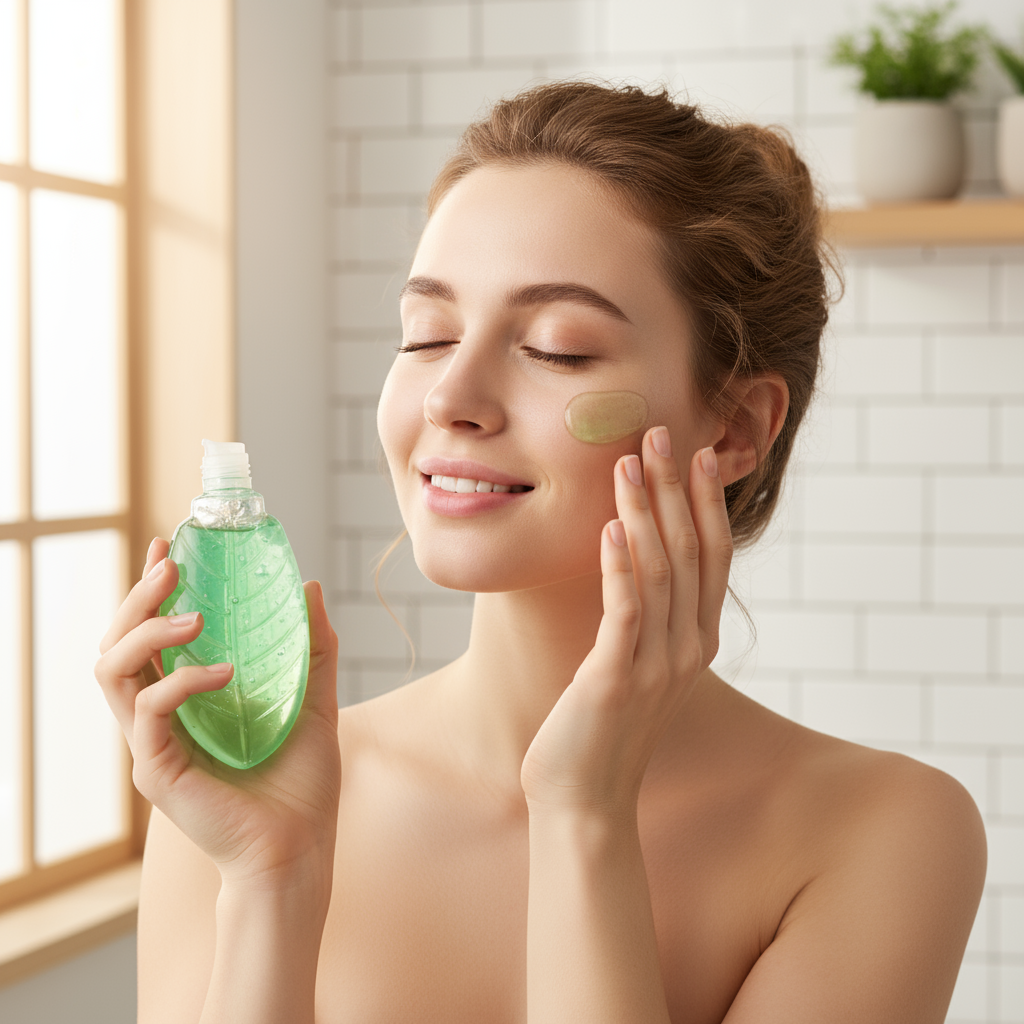
Here’s what I’ve learned from years of experimenting (and making a few mistakes along the way): timing matters. Apply aloe vera right after cleansing while your skin is still slightly damp—it helps lock in that extra moisture. Use gentle upward strokes because your skin deserves some love, not aggressive rubbing. And if you’re feeling creative, try mixing it with honey for extra hydration, or a tiny bit of turmeric for brightening (just don’t use too much unless you want to look like you’ve been eating curry with your hands). The beauty of aloe vera is its versatility—it plays well with almost everything and rarely causes drama.
Practical Tips for Aloe Vera Application
Ready to become an aloe vera pro? These tips will help you avoid rookie mistakes and get the most out of every application:
- Perform a Patch Test: I know, I know—patch tests are about as exciting as watching paint dry. But trust me, spending two minutes testing a small spot behind your ear can save you from a face full of regret later. Better safe than sorry, especially if you have sensitive skin.
- Apply on Clean Skin: This seems obvious, but you’d be surprised how many people skip proper cleansing. Start with a clean canvas—wash your face first so the aloe vera can actually reach your skin instead of just mixing with leftover makeup and dirt.
- Use Gentle Motions: Your face isn’t a scrub brush, so don’t treat it like one. Spread the gel with light, upward strokes using your fingertips. Think massage, not scrubbing. Your skin (and your future self) will thank you.
- Incorporate into Routine: Consistency beats intensity every time. Whether you use aloe vera morning, night, or both, stick with it for at least a few weeks to see real results. Your skin needs time to adjust and show improvement—patience is key.
Follow these simple guidelines, and you’ll be amazed at how much better your skin looks and feels. Aloe vera isn’t magic, but when you use it right, it can feel pretty close to it.

Here’s the thing about aloe vera gel—it really is a game-changer for your face. And the best part? It hydrates your skin without that heavy, greasy feeling that makes you want to wash it off immediately. Whether you’re dealing with dry patches or an oily T-zone, aloe vera just works. It gives you that comfortable, supple feeling that lasts all day.
But wait, there’s more. (I know, I sound like an infomercial, but hear me out.) Aloe vera actually helps fight aging by boosting collagen production and keeping your skin elastic. Those fine lines and wrinkles? They start looking less noticeable, and you get this natural, healthy glow that doesn’t come from a bottle of highlighter. Plus, if you’re battling breakouts, aloe vera’s your friend—it calms inflammation and reduces redness without being harsh on sensitive skin.
What makes aloe vera special isn’t just one thing—it’s everything rolled into one simple gel. Think of it as nature’s multivitamin for your face. You’re getting vitamins, antioxidants, and antibacterial benefits all at once. It doesn’t just fix problems; it actually protects your skin from daily environmental stress and helps new, healthy cells grow. And when your skin is irritated or inflamed? Aloe vera feels like a cool, soothing hug that speeds up healing. No complicated routine required.
Ready to give it a try? Start simple. Learn about choosing the right skincare products for sensitive skin that’ll play nice with aloe vera’s gentle nature. Then get creative with homemade face masks for glowing skin—mixing aloe vera with other natural ingredients can turn your bathroom into a mini spa. Want to level up? Check out our guide on creating a skincare routine with niacinamide to see how these two powerhouses work together. And remember, beautiful skin starts from within—a solid healthy nutrition plan will make everything you put on your face work even better.
As you start this aloe vera journey, keep it simple and listen to your skin. Consistency beats perfection every time. Apply it gently, pay attention to how your skin responds, and don’t be afraid to adjust your routine as needed. Your skin will tell you what it likes. Oh, and if you ever deal with puffiness or swelling, our tips on how to reduce facial swelling fast pair beautifully with aloe vera’s calming effects. Trust the process, embrace the natural approach, and get ready to fall in love with your skin all over again.
Frequently Asked Questions
-
Is aloe vera gel safe for all skin types?
- Generally, aloe vera gel is safe for most skin types, but performing a patch test is recommended for sensitive skin to prevent allergic reactions.
-
Can aloe vera gel help with acne scars?
- Aloe vera gel may help reduce redness and promote skin healing, but results can vary based on individual skin and scar types.
-
How often should I apply aloe vera gel on my face?
- Daily application is recommended for hydration and soothing benefits, or as needed depending on your skin’s response and needs.
-
Can I use aloe vera gel with other skincare products?
- Yes, aloe vera gel can be used with other skincare products, but patch testing is advisable to avoid any adverse reactions.
-
Are there any side effects of using aloe vera gel?
- Some individuals may experience mild irritation or allergic reactions; discontinuing use and consulting a dermatologist is advised if this occurs.