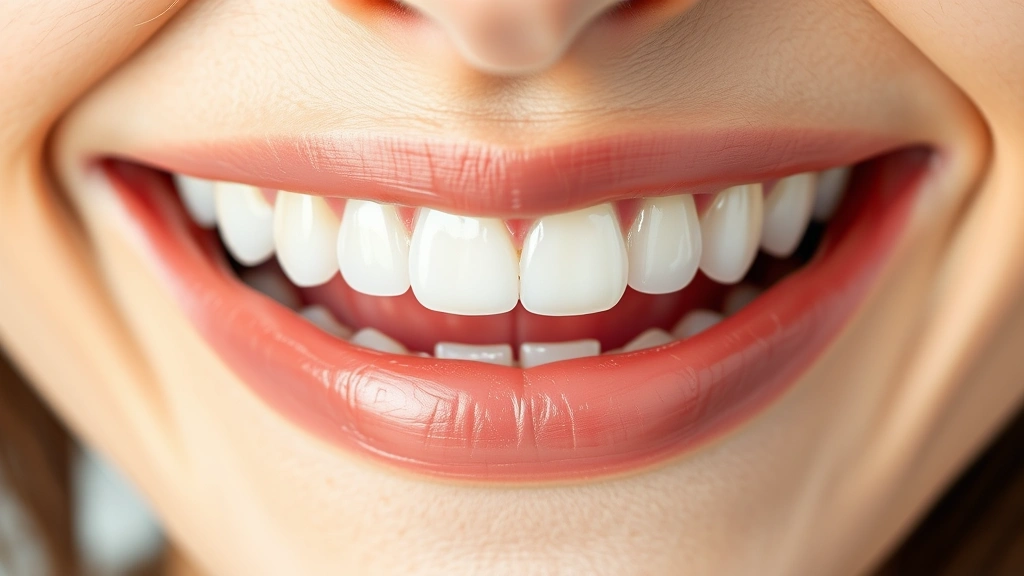
Top Cosmetic Dental Procedures: Dentist-Approved Guide to Your Best Smile
Your smile is one of the first things people notice, and it plays a significant role in your overall confidence and appearance. While skincare and makeup enhance your facial features, cosmetic dental procedures address the foundation of your look—your teeth. Whether you’re dealing with discoloration, misalignment, or gaps, modern cosmetic dentistry offers solutions that are both effective and accessible. This comprehensive guide explores the best cosmetic dental procedures approved by dental professionals, helping you understand your options and make informed decisions about your smile.
The field of cosmetic dentistry has evolved dramatically over the past decade. Today’s procedures combine aesthetic excellence with functional benefits, ensuring that your smile not only looks beautiful but remains healthy and strong. From subtle whitening treatments to complete smile makeovers, there’s a procedure suited to virtually every concern and budget. Let’s dive into the most popular and effective cosmetic dental procedures that dentists recommend.
Professional Teeth Whitening: The Most Popular Cosmetic Dental Procedure
Professional teeth whitening stands as the most requested cosmetic dental procedure worldwide. Unlike over-the-counter whitening kits, professional treatments use stronger bleaching agents under controlled conditions, delivering superior results in a single session. Dentists apply custom-formulated whitening gels that penetrate tooth enamel to break down stains caused by coffee, wine, tobacco, and aging.
The procedure typically takes between 30 to 90 minutes, depending on the desired shade and current tooth color. Professional whitening can lighten teeth by up to eight shades, and results can last anywhere from six months to two years with proper maintenance. Dentists often recommend whitening as the first step in a smile makeover because it’s non-invasive, affordable, and produces immediate visible results.
One advantage of professional whitening over at-home treatments is customization. Your dentist can assess your tooth sensitivity, enamel thickness, and existing restorations to create a safe treatment plan. If you have sensitive skin concerns that extend to your oral care, your dentist can recommend whitening formulas that minimize discomfort. The investment in professional whitening typically ranges from $300 to $1,000, making it accessible for most patients seeking aesthetic improvement.
To maintain whitening results, dentists recommend avoiding staining foods and beverages for at least 48 hours post-treatment. Regular touch-ups every six to twelve months help sustain your bright smile. Many dental offices offer take-home whitening kits for maintenance, which use professional-grade materials at a lower concentration for safe at-home use.
Dental Veneers: Transforming Your Smile with Precision
Dental veneers represent one of the most transformative cosmetic dental procedures available. These ultra-thin shells of porcelain or composite resin are bonded to the front surface of your teeth, instantly correcting discoloration, chips, gaps, and misalignment. Veneers are particularly popular among those seeking a dramatic smile makeover because they address multiple aesthetic concerns simultaneously.
Porcelain veneers are the gold standard in cosmetic dentistry. They’re stain-resistant, durable, and mimic natural tooth appearance better than any other material. The procedure involves removing a thin layer of enamel from your teeth, taking impressions, and then permanently bonding custom-made veneers. The entire process typically requires two to three appointments. Results are permanent and can last 10 to 15 years with proper care.
Composite veneers offer a more conservative and reversible alternative. These tooth-colored resin materials are applied directly to your teeth without removing enamel, making them ideal if you’re unsure about commitment. However, composite veneers are less durable than porcelain, lasting 5 to 7 years, and may stain more easily. They’re also more affordable, costing $250 to $1,500 per tooth compared to porcelain’s $800 to $2,500 per tooth.
The aesthetic possibilities with veneers are virtually limitless. You can achieve a Hollywood smile, correct a gummy smile by adjusting gum display, or create a natural-looking enhancement that complements your facial features. Just as mature skin requires specialized cosmetic approaches, mature smiles benefit from veneers that create a youthful appearance while maintaining natural-looking proportions.

Composite Bonding: Quick, Affordable Smile Enhancement
Composite bonding is a minimally invasive procedure that uses tooth-colored resin to repair chipped, cracked, or discolored teeth. Unlike veneers, bonding doesn’t require enamel removal, making it an excellent option for patients with healthy tooth structure who want minor aesthetic improvements. The procedure can be completed in a single appointment and costs significantly less than veneers.
During composite bonding, your dentist applies a composite resin directly to your tooth surface, sculpts it to the desired shape, and hardens it with a special light. The material bonds directly to your tooth, hence the name. This procedure works wonderfully for closing small gaps between teeth, covering stains, or reshaping teeth that appear too small or oddly proportioned.
The main limitation of composite bonding is durability. While it lasts 5 to 10 years, it’s more susceptible to staining and chipping than porcelain veneers. Composite material can also wear down over time with normal chewing and biting. However, repairs are simple and can often be completed during a regular appointment, making maintenance straightforward.
For patients concerned about the appearance of their smile while maintaining flexibility and affordability, composite bonding bridges the gap between professional whitening and veneers. It’s particularly effective for younger patients who may want to explore cosmetic dentistry before committing to more permanent solutions.
Orthodontic Treatments: Aligning Your Smile for Long-Term Success
Orthodontic treatments address misalignment issues that affect both aesthetics and function. While traditional metal braces remain popular, modern orthodontics offers discreet alternatives like clear aligners and ceramic braces. These options align teeth gradually over months or years, creating a beautiful smile while improving bite function and oral health.
Clear aligners, such as Invisalign, have revolutionized cosmetic orthodontics. These custom-made plastic trays are virtually invisible, removable, and require no dietary restrictions. Treatment typically lasts 6 to 18 months, depending on the complexity of misalignment. Clear aligners are ideal for adults and teenagers who want to straighten their teeth without visible hardware.
Ceramic braces offer a compromise between traditional braces and clear aligners. They work like metal braces but use tooth-colored or clear brackets that blend with your teeth. While more visible than clear aligners, ceramic braces are less noticeable than metal braces and often more affordable than clear aligner treatment.
The investment in orthodontic treatment ranges from $3,000 to $8,000 depending on complexity and treatment type. However, the long-term benefits extend beyond aesthetics. Properly aligned teeth are easier to clean, reducing the risk of decay and gum disease. Many patients find that straightening their teeth improves their overall facial appearance and self-confidence.
Combining orthodontic treatment with other cosmetic procedures often yields the best results. For example, straightening your teeth first, then whitening and adding veneers creates a comprehensive smile transformation that addresses alignment, color, and shape.
Dental Implants: The Gold Standard for Tooth Replacement
Dental implants represent the most advanced solution for replacing missing teeth. Unlike bridges or dentures, implants are surgically anchored into your jawbone, providing a permanent, natural-looking replacement that functions like a real tooth. They’re considered the gold standard in cosmetic and restorative dentistry.
The implant process involves three stages: surgical placement of a titanium post into the jawbone, a healing period of 3 to 6 months, and attachment of a custom-made crown. While the timeline is longer than other procedures, the results are worth the wait. Implants look and feel like natural teeth, maintain jawbone structure, and can last a lifetime with proper care.
Implants are particularly valuable for patients with missing teeth that affect their smile aesthetics. A single implant can replace one tooth, while implant-supported bridges or dentures can replace multiple teeth. The cost ranges from $1,500 to $6,000 per tooth, making it a significant investment. However, the durability and natural appearance justify the expense for most patients.
Successful implant placement requires adequate jawbone density and good oral health. Your dentist will assess your candidacy through imaging and examination. In cases of bone loss, bone grafting procedures may be necessary before implant placement, adding to the overall timeline and cost.
Gum Contouring: Perfecting Your Smile’s Frame
A beautiful smile isn’t just about teeth—the gums that frame them matter equally. Gum contouring, also called gum sculpting, reshapes your gumline to create better tooth-to-gum proportions. This procedure is ideal for patients with a “gummy smile” where excessive gum tissue is visible when smiling, or for those with an uneven gumline.
Gum contouring uses laser technology or surgical techniques to carefully remove excess gum tissue. The procedure is minimally invasive, relatively painless, and produces immediate results. Your smile appears more balanced as more tooth surface becomes visible, and teeth appear longer and more proportionate.
Beyond aesthetics, gum contouring can improve oral health by reducing pockets where bacteria accumulate. The procedure typically costs $500 to $3,000 depending on the extent of reshaping needed. Results are permanent, making it a one-time investment in your smile’s appearance.
Gum contouring works beautifully in combination with other cosmetic procedures. For instance, pairing it with concentrated cosmetic formulations that enhance overall appearance, your entire facial aesthetic improves cohesively. A properly contoured gumline makes veneers, whitening, and bonding appear even more stunning.
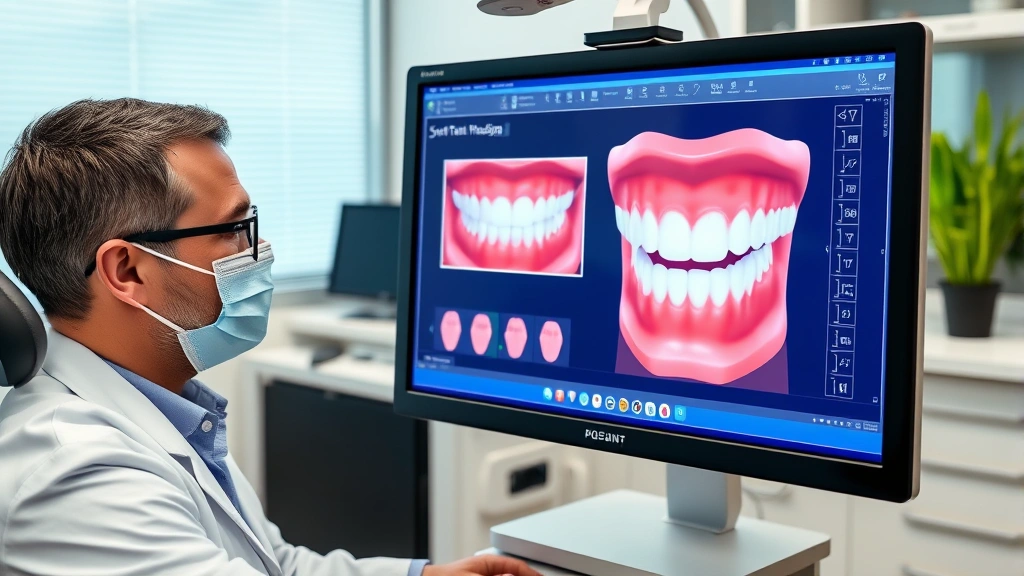
Smile Design: Creating Your Perfect Smile Blueprint
Modern cosmetic dentistry increasingly emphasizes smile design—a personalized approach that considers your facial features, bone structure, lip shape, and personal preferences. Rather than applying a one-size-fits-all standard of beauty, smile designers create smiles that complement your unique characteristics.
The smile design process begins with digital imaging and analysis. Your dentist examines your face proportions, skin tone, eye color, and existing smile to determine ideal tooth shape, size, and color. Computer software allows visualization of potential outcomes before any treatment begins, ensuring you and your dentist are aligned on aesthetic goals.
A well-designed smile considers the golden ratio—mathematical proportions that naturally appear beautiful to the human eye. Your smile should align with your facial midline, display appropriate tooth-to-gum ratios, and showcase teeth that are proportional to each other. These details distinguish a naturally beautiful smile from one that looks artificial or overdone.
Smile design often involves combining multiple procedures. A comprehensive approach might include teeth whitening, orthodontic treatment, veneers, gum contouring, and implants—all coordinated to create a harmonious, beautiful result. While this requires a larger investment and longer timeline, the transformation can be life-changing.
Many cosmetic dentists now offer smile design consultations as the first step in treatment planning. This ensures that every procedure contributes to your overall aesthetic vision rather than being performed in isolation. It’s similar to how comprehensive skincare routines work together synergistically—each element supports and enhances the others.
FAQ
What is the best cosmetic dental procedure for discolored teeth?
Professional teeth whitening is the best starting point for discolored teeth. If whitening alone doesn’t achieve your desired results, veneers or bonding can address stubborn stains. Your dentist can recommend the most appropriate option based on the cause and severity of discoloration.
How long do cosmetic dental procedures last?
Durability varies by procedure. Professional whitening lasts 6 months to 2 years; composite bonding lasts 5-10 years; porcelain veneers last 10-15 years; and dental implants can last a lifetime. Regular maintenance and good oral hygiene extend the longevity of all procedures.
Are cosmetic dental procedures covered by insurance?
Most cosmetic procedures aren’t covered by dental insurance because they’re considered elective. However, procedures that address functional issues—like orthodontics for bite problems or implants replacing missing teeth—may have partial coverage. Check with your insurance provider for specific details.
Can cosmetic dental procedures damage my natural teeth?
Some procedures like veneers require enamel removal, which is permanent. However, dentists remove minimal enamel to preserve tooth structure. Composite bonding and whitening are non-invasive. Discuss preservation of natural tooth structure with your dentist before choosing a procedure.
How do I choose the right cosmetic dental procedure?
Consider your specific concerns, budget, timeline, and desired results. Consult with a cosmetic dentist who can assess your smile and recommend procedures aligned with your goals. Many dentists offer digital smile design consultations to help you visualize outcomes before committing to treatment.
What should I expect during recovery from cosmetic dental procedures?
Most cosmetic procedures require minimal recovery. Whitening may cause temporary sensitivity. Veneers and bonding require no downtime. Implant placement involves surgical recovery lasting several weeks. Your dentist will provide specific aftercare instructions based on your procedure.
How can I maintain my cosmetic dental results?
Maintain results through excellent oral hygiene—brush twice daily, floss, and use mouthwash. Avoid staining foods and beverages, don’t smoke, and visit your dentist regularly. Many procedures benefit from periodic professional touch-ups or maintenance appointments.