Finding the perfect lighted makeup mirror can transform your entire beauty routine. Whether you’re applying foundation, perfecting your eyeshadow, or plucking stray brows, proper lighting and magnification make all the difference. A quality cosmetic mirror with lights ensures you see exactly what you’re doing, preventing makeup mishaps and helping you achieve professional-looking results at home.
The right lighted makeup mirror isn’t just about vanity—it’s about accuracy. Poor lighting can cause you to apply too much product, miss blending opportunities, or create uneven coverage. We’ve researched and tested numerous options to bring you expert recommendations that cater to different budgets, spaces, and beauty needs. From Hollywood-style mirrors to compact travel versions, these picks will elevate your makeup application game.
Why Lighting Matters in Makeup Application
Professional makeup artists understand that proper lighting is non-negotiable for flawless makeup application. Natural daylight remains the gold standard, but lighted mirrors recreate these conditions indoors. When you apply makeup under poor lighting, you often can’t see your true skin tone, which leads to foundation mismatches and uneven blending.
The color temperature of your mirror’s lighting significantly impacts how your makeup appears. Warm lighting (around 2700K) creates a flattering glow but may hide imperfections, while cool lighting (5000-6500K) mimics daylight and reveals every detail. Many beauty experts recommend mirrors offering adjustable color temperature so you can match various environments—home, office, or outdoor settings.
LED technology has revolutionized lighted mirrors. Unlike incandescent bulbs, LEDs consume less energy, produce minimal heat, and last significantly longer. They also provide consistent, flicker-free illumination that reduces eye strain during extended makeup sessions. For anyone serious about makeup artistry or daily beauty routines, investing in a quality lighted mirror pays dividends.
Types of Lighted Makeup Mirrors
Tabletop mirrors are the most popular choice for home use. These sit directly on your vanity or dresser and come in various sizes from 5 inches to 15 inches in diameter. They offer excellent visibility and are perfect for detailed work like eyeliner application and contouring.
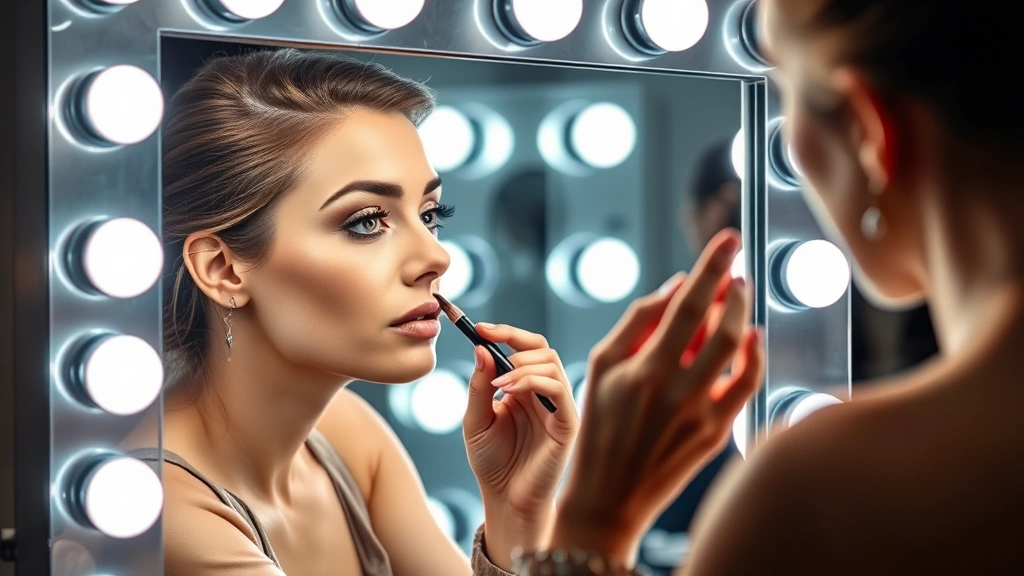
Wall-mounted mirrors provide a permanent solution that saves counter space. These range from simple pendant-style fixtures to elaborate Hollywood-style frames with multiple bulbs. Wall mounting requires electrical work but creates a professional beauty station.
Portable and travel mirrors feature rechargeable batteries or USB charging, making them ideal for on-the-go touch-ups. These compact options are perfect for business travelers, performers, or anyone who needs makeup application flexibility.
Lighted vanity mirrors with storage combine functionality with organization. These often include drawers or shelving to keep brushes, foundations, and other products within arm’s reach. The AOA Cosmetics brand has popularized mirrors that integrate beauty product storage seamlessly.
Key Features to Look For
Magnification levels are crucial for different makeup tasks. Standard 1x magnification shows your full face, while 5x to 10x magnification is perfect for detailed work like eyebrow shaping or applying winged eyeliner. Many professional-grade mirrors offer dual magnification, with a standard side and a magnified side.
The number and placement of lights directly affect shadow elimination. Mirrors with lights surrounding the perimeter provide even illumination without harsh shadows. Look for at least 12 to 16 bulbs arranged strategically around the mirror’s frame.
Brightness control through dimmable settings allows you to adjust intensity based on your needs and environment. Some advanced models include memory settings that remember your preferred brightness level. This feature is especially valuable for people with sensitive eyes or those doing makeup at different times of day.
Mirror size matters for functionality. A 10-inch mirror provides adequate coverage for most people, but those with larger vanities or who prefer seeing more of their face should consider 12 to 15-inch options. However, ensure your space can accommodate the size without overwhelming your vanity setup.
Power source options vary significantly. Some mirrors plug directly into outlets, while others use rechargeable batteries. USB-powered mirrors offer flexibility, and some premium models include both plug-in and battery options for maximum convenience.
The frame material and design affect durability and aesthetics. Stainless steel and aluminum frames resist corrosion and tarnishing. Glass mirrors should be high-quality to avoid distortion, while acrylic options are lighter and more affordable but may scratch easier.
Top Expert-Recommended Mirrors
Premium Hollywood-Style Mirror: This category features large mirrors (typically 15 inches) surrounded by 15-24 LED bulbs arranged in rows. These mirrors provide studio-quality lighting and are ideal for serious makeup enthusiasts or beauty professionals. The bright, adjustable light mimics professional makeup artist stations. Expect to invest $150 to $400 for quality construction and longevity.
Mid-Range Tabletop Mirror: The sweet spot for most consumers, these 10-inch mirrors offer excellent functionality without premium pricing. They typically feature 12 to 16 LED bulbs, dimmable controls, and magnification options. Prices range from $40 to $100, making them accessible for everyday users who want professional results. Many include USB charging capabilities and are lightweight enough to move between rooms.
Budget-Friendly Compact Mirror: For those starting their beauty routine upgrade, compact 5 to 8-inch mirrors with 8 to 12 LED bulbs provide adequate lighting for basic makeup application. These cost $20 to $50 and are perfect for small spaces, dorm rooms, or travel. While lacking advanced features, they still dramatically improve visibility compared to unlit mirrors.
When choosing among options, consider that foundation application requires excellent visibility, making mirror quality directly impact makeup finish quality. Premium mirrors reduce the learning curve and help you apply products more efficiently.
Specialty Mirrors: Some brands offer mirrors with integrated Bluetooth speakers, phone charging pads, or smart features. While these add convenience, focus primarily on the mirror’s core function—lighting and magnification—as these gimmicks sometimes distract from essential performance.
Mirror Selection by Skin Type
Oily and Acne-Prone Skin: If you have oily or acne-prone skin, you need maximum visibility to identify problem areas and apply targeted treatments. Choose mirrors with high magnification (5x to 10x) and bright LED lighting to spot texture issues, clogged pores, and blemishes clearly. This helps you apply acne-fighting foundations and concealers precisely where needed. Cool-temperature lighting (5500-6500K) works best as it reveals true skin condition without flattering away imperfections.
Dry and Sensitive Skin: Those with dry or sensitive skin benefit from mirrors that show where products are flaking or where skin appears irritated. Adjustable lighting is particularly valuable here—you can use softer, warmer light when skin feels reactive. This helps you apply appropriate skincare products for your skin condition without irritation from harsh lighting.
Combination Skin: Combination skin types need versatility. Mirrors with adjustable color temperature and brightness are ideal, allowing you to see both oily T-zone areas and drier cheeks clearly. Standard 1x to 5x magnification usually suffices, as you’re balancing different needs across your face.
Mature and Aging Skin: Aging skin benefits from mirrors showing fine lines and texture clearly so you can apply primers, serums, and foundations strategically. Slightly warmer lighting (3000-4000K) helps you see where products settle into wrinkles. Understanding your skin’s changing needs means choosing a mirror that adapts to different lighting scenarios.
Hyperpigmentation and Uneven Tone: If you have hyperpigmentation, melasma, or uneven skin tone, bright, cool-temperature lighting reveals true color variations. This is essential for matching foundation and applying corrective color theory techniques with precision.
Lighting and Makeup Coverage
The relationship between mirror lighting and makeup coverage is direct. Poor lighting causes over-application of products, wasting money and creating unnatural finishes. Proper lighting helps you use less product while achieving better results. This is why professional makeup artists prioritize lighting setup—it fundamentally improves work quality.
Setup and Placement Tips
Positioning your mirror correctly maximizes its effectiveness. Place your tabletop mirror at eye level when seated, approximately 12 to 18 inches from your face. This distance allows you to see your full face while also focusing on detailed areas without straining your neck.
Ensure your mirror is positioned perpendicular to windows or light sources to avoid conflicting shadows. If using natural light alongside your mirror’s LED lights, position your mirror so both light sources work together rather than creating competing shadows.
Room lighting matters significantly. A lighted mirror performs best in a room with neutral wall colors and minimal glare from other reflective surfaces. Soft, diffused background lighting prevents your mirror from being the only light source, which can create an unnatural makeup appearance.
For wall-mounted mirrors, position them at the center of your face when standing, typically 48 to 60 inches from the floor. Ensure adequate electrical access—avoid running cords across walkways or areas where they might be tripped over.
Ventilation is important for LED mirrors. While LEDs produce minimal heat, ensure air can circulate around your mirror to prevent dust accumulation on bulbs and lens. Clean the mirror and lights regularly to maintain optimal brightness.
Care and Maintenance Guide
Regular cleaning extends mirror life and maintains brightness. Use microfiber cloths to wipe the mirror surface, avoiding harsh chemicals that can damage coatings. For the LED bulbs and frame, use a soft, dry cloth weekly to prevent dust buildup.
Check electrical cords monthly for damage. If you notice fraying, discoloration, or exposed wires, discontinue use immediately and replace the cord or mirror. Water and electricity don’t mix, so keep your mirror away from sinks and moisture-prone areas unless it’s specifically designed for bathroom use.
LED bulbs require minimal maintenance compared to incandescent options. They rarely burn out completely but may gradually dim over several years. Most quality mirrors last 5 to 10 years with normal use. If brightness decreases noticeably, contact the manufacturer about replacement bulb options.
For rechargeable mirrors, follow manufacturer guidelines for charging. Avoid letting batteries completely drain regularly, as this degrades battery lifespan. Store battery-powered mirrors in cool, dry places away from direct sunlight.
Inspect your mirror’s magnification surface periodically. If you notice scratching, cloudiness, or distortion, it may be time to upgrade. A distorted mirror can’t provide accurate makeup application feedback, defeating the tool’s primary purpose.
Keep electrical connections clean and dry. If your mirror uses a plug-in connection, occasionally wipe the connection points with a dry cloth. Corroded connections reduce brightness and may pose safety risks.
FAQ
What’s the best color temperature for makeup application?
Most beauty professionals recommend 5000-6500K (daylight temperature) for accurate makeup application. However, having adjustable temperature is ideal—use cool light for detailed work and slightly warmer light (3000-4000K) for a more flattering final check. This mimics real-world lighting conditions where your makeup will be seen.
Can I use a lighted mirror for skincare routines?
Absolutely. Proper lighting is equally important for skincare application. You’ll see exactly where to apply serums, moisturizers, and treatments. High-magnification mirrors help identify skin conditions that need targeted products, improving your overall skincare effectiveness.
Are LED mirrors safe for daily use?
Yes, modern LED mirrors are completely safe for daily use. LEDs produce minimal UV radiation and don’t generate significant heat. They’re actually safer than older incandescent mirrors, which could cause eye strain and generate excess heat. Use normal precautions like not staring directly into the brightest settings for extended periods.
How do I choose between tabletop and wall-mounted mirrors?
Choose tabletop if you want flexibility and portability. Wall-mounted mirrors work better for permanent beauty stations and save counter space. Consider your living situation—renters may prefer tabletop options to avoid wall installation, while homeowners might invest in permanent wall-mounted setups.
What magnification level do I need?
Standard 1x magnification is sufficient for general makeup application. If you do detailed work like eyebrow shaping, winged eyeliner, or contouring, 5x to 10x magnification is valuable. Many people prefer dual-magnification mirrors offering both options. Start with 1x and upgrade if you find yourself needing more detail.
Are expensive mirrors significantly better than budget options?
Higher-priced mirrors typically offer better build quality, more durable materials, superior LED consistency, and longer lifespans. Budget mirrors work adequately for basic makeup application but may have uneven lighting or dimmer LEDs. Mid-range options ($50-$150) offer excellent value, balancing quality and affordability.
Can lighted mirrors help me match foundation better?
Definitely. Proper lighting is essential for accurate foundation matching. Your mirror should show your true skin tone and undertones. Apply foundation samples on your jawline under your mirror’s light and check how they blend with your neck. This prevents the dreaded “mask effect” where foundation doesn’t match your body tone.
How often should I replace LED bulbs?
Quality LED bulbs rarely need replacement and typically last 10,000 to 50,000 hours. For daily use, this translates to 5-10 years. If your mirror gradually dims, contact the manufacturer before replacing—sometimes cleaning the bulbs or checking connections restores brightness.
What’s the ideal mirror size for a small vanity?
An 8 to 10-inch mirror works well for compact spaces. It provides adequate coverage for makeup application without overwhelming small vanities. You can still see your full face clearly at this size while maintaining proportional desk space for products and brushes.
Do I need a mirror with additional features like Bluetooth or charging pads?
Additional features are nice but shouldn’t compromise core mirror quality. Prioritize excellent lighting, magnification, and durability. Smart features can fail or become outdated, but a quality mirror performs consistently for years. Choose features that genuinely enhance your routine rather than gimmicks.