Bronze Cosmetics: Makeup Artist’s Top Picks for Every Skin Tone
Bronze cosmetics have become an essential component of modern makeup artistry, transcending seasonal trends to become a year-round staple in professional kits and everyday beauty routines. Whether you’re seeking a subtle warm glow or a dramatic sculptural effect, bronze products offer versatility that works across all skin tones when chosen with intention and applied with technique. From finely-milled powders to cream formulations, bronze cosmetics serve multiple purposes—contouring, bronzing, highlighting, and even eyeshadow—making them invaluable for anyone serious about makeup.
As a makeup artist with over a decade of experience, I’ve tested hundreds of bronze cosmetics across different price points, finishes, and undertones. This comprehensive guide shares my professional recommendations, ingredient insights, and application techniques to help you navigate the bronze cosmetics market with confidence. Understanding the difference between quality formulations and mediocre products can transform your makeup results and ensure your investment in these products pays dividends.
Understanding Bronze Cosmetics: Types and Formulations
Bronze cosmetics come in several distinct formulations, each with unique properties suited to different application methods and skin types. Understanding these categories is fundamental to selecting products that will perform optimally for your specific needs and skin condition.
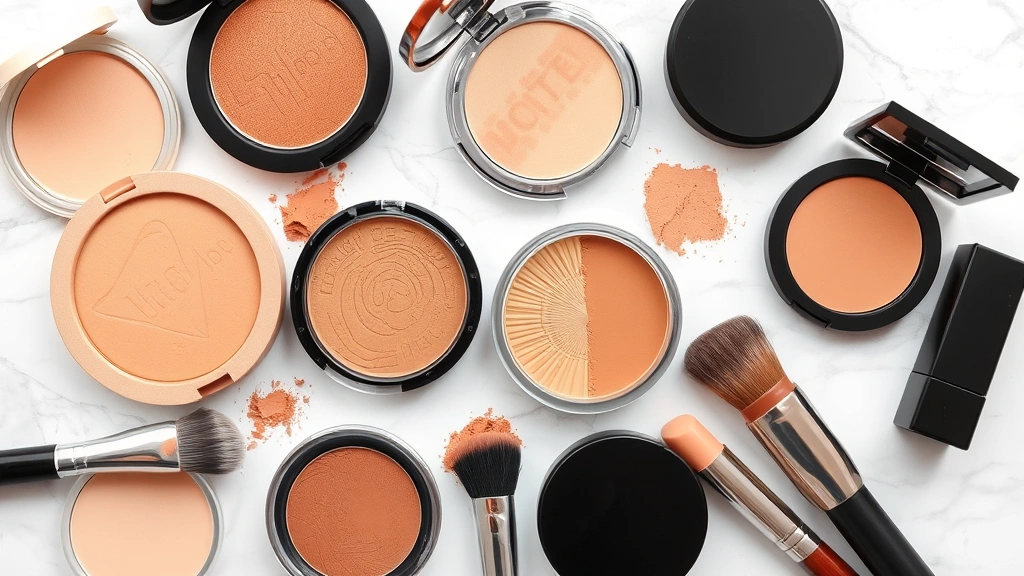
Powder Bronze Cosmetics represent the most common category in the market. These finely-milled formulations contain talc, mica, iron oxides, and various pigments suspended in a powder base. Loose powders offer maximum pigmentation and blendability, while pressed powders provide convenience and portability. The key difference lies in their application—loose powders work best for artists who value precision, while pressed versions suit on-the-go touch-ups. Quality powder bronzers contain minimal fillers and maximum color payoff, typically requiring just one or two swipes for visible results.
Cream and Liquid Bronze Formulations contain emollients, silicones, and conditioning agents that create a smooth, blendable texture. These products excel for individuals with dry skin or those seeking a dewy, natural finish. Cream bronzers adhere beautifully to foundation and don’t settle into fine lines, making them ideal for mature skin. They also provide superior longevity when set with powder, often lasting 12+ hours without touch-ups.
Stick and Cream-to-Powder Bronzers offer convenience with concentrated pigmentation. These hybrid formulations start as creams and set to powder finishes, providing the best of both worlds. They’re excellent for contouring because you can apply them precisely before blending, giving you complete control over placement and intensity.
When selecting cosmetics for beginners, understanding undertones becomes crucial. Bronze products contain warm (golden, orange-toned), cool (taupe, gray-toned), or neutral undertones. Warm bronzes complement golden and olive skin tones, while cool bronzes work beautifully on pink and red undertones. Neutral bronzes are the most versatile for mixed-tone complexions.

Top Professional-Grade Bronze Cosmetics
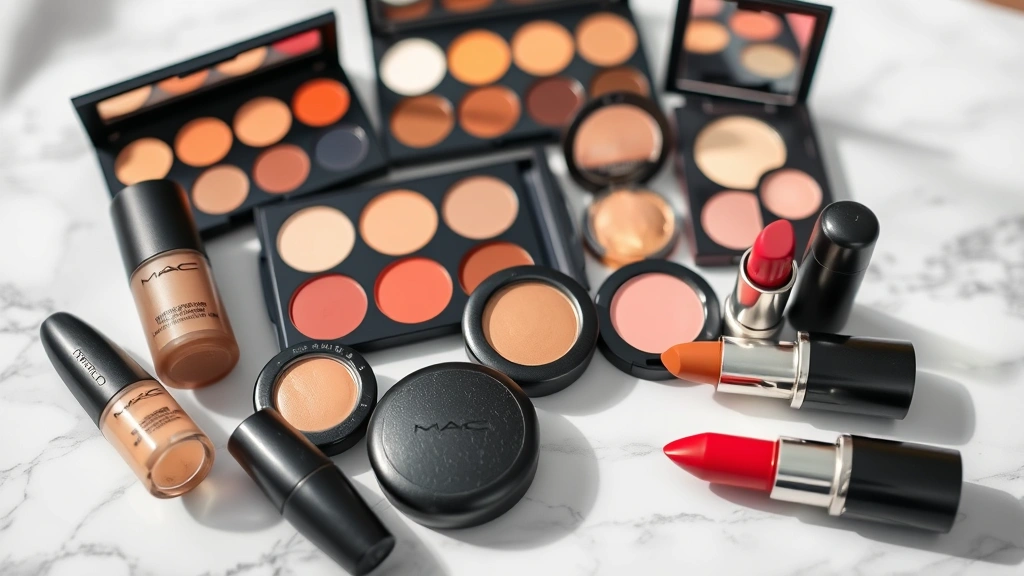
MAC Fix+ paired with MAC Bronzing Powder represents the gold standard in professional makeup artistry. The bronzing powder contains talc, mica, and iron oxides in carefully balanced ratios that create a smooth, non-patchy application. Its neutral-warm undertone works across diverse skin tones, and the finely-milled texture blends seamlessly without requiring excessive buffing. Professional makeup artists prefer MAC because the pigment concentration means one application delivers noticeable color without looking heavy or artificial.
Charlotte Tilbury Bronze Goddess combines luxury packaging with exceptional formulation. This cream-to-powder bronzer contains jojoba oil and vitamin E, providing conditioning benefits alongside color. The formula sets beautifully without creasing, and its warm golden undertone flatters most complexions. What distinguishes this product is its buildable coverage—start light and layer for intensity, ensuring you never overapply.
Estée Lauder Bronze Goddess Powder offers professional-grade performance at department store accessibility. The powder contains micronized pigments and silica spheres that create a luminous, three-dimensional finish. Unlike flat bronzers, this product contains subtle highlight particles that prevent the matte, heavy appearance common with lower-quality formulations. It’s particularly effective for contouring because the light-reflecting particles maintain dimension while adding warmth.
Bobbi Brown Bronzing Powder deserves recognition for its universal appeal. Available in multiple undertones (Light, Medium, Dark), this powder uses a finely-calibrated blend of iron oxides and mica that prevents oxidation and color shifting throughout the day. The texture is so refined that it applies smoothly even with basic brushes, though quality cosmetic brushes enhance the finish significantly.
NARS Laguna remains a cult favorite among makeup artists for its versatility. This powder bronzer transitions seamlessly from face bronzer to eyeshadow, making it an economical choice for those building a starter kit. The warm undertone works across skin tones from light to deep, and the finely-milled formula prevents fallout and patchiness.
Budget-Friendly Bronze Options That Deliver
Professional results don’t require luxury pricing. Several affordable bronze cosmetics perform comparably to high-end alternatives, making them excellent choices for students, hobbyists, and makeup enthusiasts on tight budgets.
Maybelline Fit Me Bronzer offers impressive quality at drugstore pricing. The powder formula contains talc, mica, and iron oxides in proportions that rival products costing three times the price. Available in multiple undertones, this bronzer blends smoothly and provides buildable coverage without looking patchy. The packaging includes a decent brush, though upgrading to a quality ELF cosmetics brush significantly improves application.
e.l.f. Bronzer represents exceptional value for makeup artists building professional kits. The finely-pressed powder applies smoothly and blends beautifully without requiring multiple passes. For the price point, the pigment concentration is remarkable, delivering visible color with minimal product waste. This bronzer works particularly well for contouring because its matte finish provides definition without shimmer interference.
Physicians Formula Butter Bronzer combines affordability with skin-conditioning ingredients. The formula contains cupuaçu butter, murumuru butter, and tucuma butter alongside standard cosmetic pigments. These natural emollients prevent the drying effect some powder bronzers cause, making this option ideal for those with sensitive or dry skin. The warm, buildable color works across most skin tones.
Wet n Wild Color Icon Bronzer delivers surprising performance at minimal cost. The powder formula blends smoothly and provides decent pigmentation, though it requires slightly more buffing than premium alternatives. For practicing application techniques or creating a backup bronzer, this product offers excellent value without sacrificing quality.
Bronze Cosmetics for Different Skin Tones
Selecting the correct bronze shade requires understanding how undertones interact with different complexions. A bronze cosmetic that flatters one skin tone may appear muddy or ashy on another, emphasizing the importance of intentional shade selection.
Fair and Light Skin Tones benefit from warm-toned bronzers with subtle peachy or golden undertones. Look for shades labeled “Light” or “Fair” that provide visible warmth without appearing orange. Products like MAC Fix+ bronzer in lighter shades or Bobbi Brown Light Bronzing Powder work beautifully, adding warmth without overwhelming fair complexions. Apply these bronzers sparingly—one light swipe provides sufficient color for fair skin.
Medium Skin Tones enjoy the most flexibility with bronze cosmetics. Medium shades with balanced warm undertones complement most medium complexions beautifully. Maybelline Fit Me Medium and NARS Laguna work exceptionally well for medium skin, providing noticeable warmth and dimension without appearing unnatural. This skin tone range can typically accommodate both warm and neutral bronzes effectively.
Deep and Dark Skin Tones require bronze cosmetics with sufficient depth and warm undertones that don’t appear ashy. Unfortunately, many brands limit shade ranges, creating challenges for individuals with deeper complexions. Seek out brands offering Dark or Deep shades specifically formulated for rich skin tones. Bobbi Brown’s Dark Bronzing Powder, MAC’s deeper bronze options, and specialty brands focusing on inclusive shade ranges provide appropriate options. Deep skin tones also beautifully showcase bronzes with red or copper undertones that would appear orange on lighter complexions.
Olive Skin Tones present unique challenges because green undertones can clash with certain bronze shades. Olive skin typically looks best with bronzes containing subtle golden or red undertones that warm the complexion without appearing orange. Test bronzers in natural light before purchasing, as artificial lighting can obscure how olive undertones interact with the product’s pigments.
Application Techniques and Best Practices
Even premium bronze cosmetics deliver subpar results with improper application technique. Mastering fundamental application methods ensures you maximize every product in your collection.
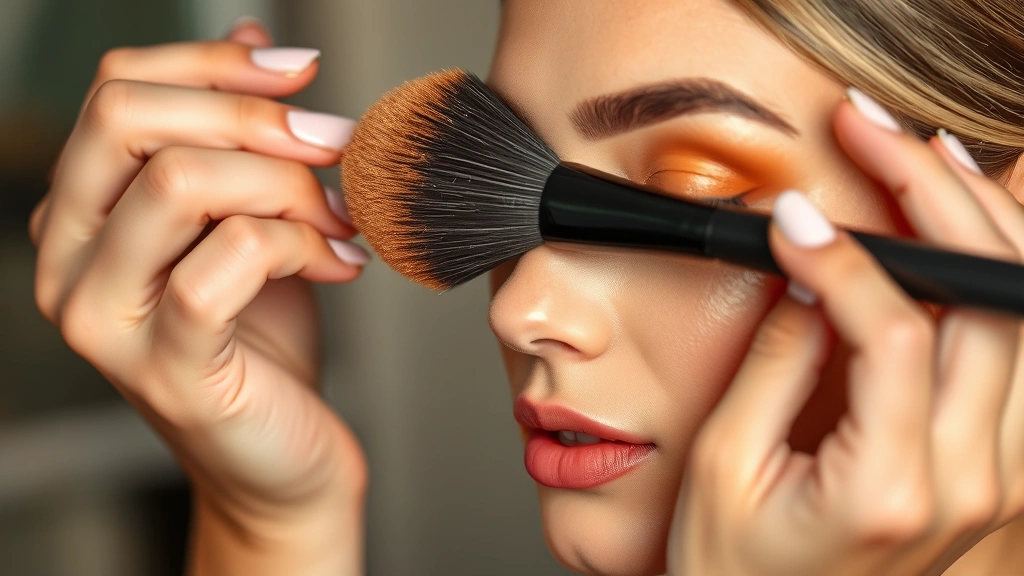
Bronzing Placement begins with identifying where the sun naturally hits your face. Apply bronze cosmetics to the forehead’s perimeter, hollows of the cheeks, sides of the nose, jawline, and temples. This placement mimics natural sun exposure, creating a cohesive, three-dimensional appearance. Use a fluffy brush for powder bronzers, applying product with circular motions while constantly checking intensity in a mirror.
Contouring with Bronze requires precision and blending. Unlike bronzing, which adds warmth across the face, contouring uses bronze to create shadow and definition. Apply bronze to the hollows of your cheeks (suck in your cheeks to locate them), sides of your nose, and jawline. Blend thoroughly using a clean, fluffy brush or a damp beauty sponge. The key to natural-looking contouring is seamless transitions—harsh lines signal amateur application.
Blending Techniques vary depending on your product formulation. Powder bronzers blend best with fluffy, natural-hair brushes that distribute product evenly. Cream and liquid bronzers blend beautifully with damp beauty sponges or stippling motions with synthetic brushes. Always blend in circular motions or in the direction of hair growth to prevent disturbing your foundation and base products.
Layering and Build matter tremendously for achieving natural results. Start with minimal product—you can always add more—and build intensity gradually. This approach prevents over-application and allows you to customize the intensity to match your preferences and skin tone. Professional makeup artists often use the “feather” technique, applying heavier concentration to specific areas and feathering outward with a clean brush to create soft transitions.
For those working with MAC cosmetics and similar professional brands, consider using Fix+ spray or a setting spray to activate powder products. This technique intensifies color payoff and improves blending, particularly useful when working with resistant skin types or achieving dramatic looks.
Ingredient Spotlight: What Makes Quality Bronze Products
Understanding cosmetic ingredients helps you identify quality formulations and avoid products containing problematic substances. Premium bronze cosmetics prioritize skin safety and performance through careful ingredient selection.
Pigments and Colorants form the foundation of bronze cosmetics. Iron oxides (CI 77491 yellow iron oxide, CI 77492 red iron oxide, CI 77499 black iron oxide) create the bronze color through careful combination. Quality products use pure iron oxides in balanced ratios, while inferior formulations may substitute cheaper alternatives that oxidize or shift color throughout the day. Mica and titanium dioxide add luminosity and help distribute pigment evenly, preventing patchiness.
Talc and Talc Alternatives remain controversial in cosmetics despite decades of safe use. Talc provides slip and smoothness but has faced safety concerns (largely disproven by independent research). Many modern bronze cosmetics substitute silica, magnesium stearate, or boron nitride, which offer similar performance without controversy. These alternatives provide excellent slip and blendability while accommodating consumer preferences regarding talc.
Silicones and Film-Formers create the smooth, blendable texture that distinguishes quality bronzers from subpar formulations. Dimethicone and cyclopentasiloxane improve spreadability, reduce patchiness, and enhance wear time. These ingredients form a breathable film on skin that doesn’t clog pores, contrary to common misconceptions. Individuals with silicone sensitivity can seek talc-free, silicone-free alternatives, though these typically require more careful application.
Conditioning Agents in cream and liquid bronzers include jojoba oil, vitamin E, and plant extracts. These ingredients prevent the drying effect some powder products cause and provide additional skincare benefits. When selecting bronze cosmetics, individuals with dry or sensitive skin should prioritize formulations containing conditioning agents. Those prone to breakouts should verify the formula doesn’t contain comedogenic oils.
For comprehensive ingredient information, consult authoritative resources like the Cosmetic Ingredient Review Panel, which evaluates cosmetic safety, and EWG’s Skin Deep Database, which provides ingredient transparency and safety ratings.
Understanding how green tea and other botanical ingredients benefit cosmetic formulations helps you select products aligned with your skin’s needs. Many modern bronze cosmetics incorporate antioxidants like green tea extract, providing anti-inflammatory and protective benefits alongside color.
Longevity and Storage Tips
Proper storage extends the lifespan of your bronze cosmetics and maintains their performance. Environmental factors significantly impact how long these products remain usable and effective.
Temperature Control matters tremendously for cosmetic longevity. Store bronze cosmetics in cool, dry environments away from direct sunlight and heat sources. Excessive heat can cause powder products to harden or develop separation, while cream formulations may separate or become unstable. Ideal storage temperatures range from 65-75°F. Avoid storing cosmetics in bathrooms where humidity and heat fluctuate dramatically, instead choosing bedroom drawers or closets with stable conditions.
Moisture Management prevents contamination and product degradation. Keep cosmetics away from water sources and ensure your hands are completely dry before application. Moisture introduction can promote bacterial growth and cause powders to clump. If you notice moisture accumulation inside powder containers, allow products to air-dry completely before sealing.
Shelf Life Considerations require attention for hygiene and efficacy. Most powder bronzers remain stable for 3-5 years when stored properly, while cream formulations typically last 1-2 years. Once opened, replace products annually to minimize bacterial contamination risks. Professional makeup artists often maintain separate kits for personal and client use, retiring client-use cosmetics more frequently due to contamination exposure.
Organization Systems protect your investment and simplify your routine. Consider investing in a quality cosmetic bag with compartments that protect products from damage and organize by category. Proper organization prevents product loss, reduces accidental damage, and makes selecting the right bronze shade faster and more convenient.
Sanitizing brushes and applicators regularly prevents bacterial transfer to your bronze cosmetics. Weekly cleaning with gentle shampoo or brush cleaner maintains hygiene and product longevity. Never share cosmetics with others without thorough sanitization between uses, as this introduces bacteria and potential pathogens.
FAQ
Can I use bronze cosmetics on oily skin?
Absolutely. Choose powder formulations over cream options, as powders absorb excess oil and provide better longevity on oily skin. Look for bronzers containing silica or magnesium stearate, which help control shine. Always prime with a mattifying primer before application, and set your bronze with translucent powder to extend wear time. Avoid bronzers containing heavy oils or butters that may exacerbate oiliness.
What’s the difference between bronzer and contour?
Bronzer adds warmth and a sun-kissed glow across the face, mimicking natural sun exposure. Contour uses cooler-toned or deeper products to create shadow and definition, sculpting facial features. While bronzers work beautifully for overall warmth, contouring requires more precise placement and blending. Many makeup artists use bronze for bronzing and separate contour products for sculpting, though high-quality bronzers can serve both purposes with intentional application.
How do I prevent my bronze cosmetics from looking patchy?
Patchiness typically results from insufficient blending, using the wrong brush, or applying too much product. Start with minimal product and build gradually. Invest in quality fluffy brushes that distribute product evenly—cheap brushes often cause patchiness despite using quality cosmetics. Blend thoroughly using circular motions, and consider using a damp beauty sponge for final blending. Ensure your base is smooth and well-set before applying bronze, as uneven foundation creates patchiness regardless of your bronzer quality.
Are expensive bronze cosmetics worth the investment?
Premium bronzers often justify their cost through superior formulations, better pigment concentrations, and more reliable performance. However, many affordable options deliver excellent results. The best approach is testing products in your price range and selecting based on performance rather than brand prestige. Professional makeup artists often mix budget and luxury products, using expensive bronzers for personal use while recommending affordable alternatives to clients.
Can I use bronze cosmetics as eyeshadow?
Yes, many bronzers work beautifully as eyeshadow, particularly shimmery or luminous formulations. However, not all bronzers are formulated for eye safety—check ingredient lists to ensure products don’t contain irritating substances or non-eye-safe pigments. When using face bronzers on eyes, apply with a damp brush to intensify color and improve adherence. Always patch-test first to ensure no irritation occurs.
How do I choose between warm and cool-toned bronzes?
Identify your skin’s undertone by examining vein color on your wrist or asking a makeup artist. Blue/purple veins suggest cool undertones (choose cool-toned bronzes), green veins suggest warm undertones (choose warm bronzes), and mixed veins suggest neutral undertones (either works). When uncertain, test bronzers against your skin in natural light before purchasing. Neutral bronzes offer maximum versatility if you’re building your first bronze collection.
What’s the best way to apply bronze to mature skin?
Mature skin benefits from cream or liquid bronzers that don’t settle into fine lines or emphasize texture. Apply with a damp beauty sponge using stippling motions rather than buffing, which can disturb foundation and highlight fine lines. Avoid matte bronzers that can appear heavy; instead, choose luminous formulations that add dimension. Always set with a hydrating setting spray rather than powder, which can emphasize aging skin texture.
For additional information on skincare considerations before makeup application, explore our comprehensive guide on skincare routines that prepare skin for cosmetics.
Bronze cosmetics represent one of makeup’s most versatile and accessible categories, offering solutions for everyone from absolute beginners to professional artists. By understanding formulations, selecting appropriate shades for your skin tone, and mastering application techniques, you’ll unlock the transformative potential these products offer. Whether you invest in luxury formulations or budget-friendly alternatives, the techniques and knowledge shared here will elevate your makeup application and help you achieve professional results consistently.