Is Botox Safe? Expert Cosmetic Insights
Botox has become one of the most widely discussed cosmetic procedures in the beauty and wellness industry. Whether you’re considering this treatment for wrinkle reduction or simply curious about its safety profile, understanding the science behind botulinum toxin is essential. This comprehensive guide explores the clinical evidence, potential risks, and expert perspectives on Botox safety, helping you make informed decisions about cosmetic procedures.
The popularity of Botox reflects both its effectiveness and the ongoing conversation about non-invasive anti-aging solutions. Like any medical procedure, Botox comes with considerations that deserve careful examination. We’ll break down what dermatologists and cosmetic specialists actually know about this treatment, separating myth from evidence-based practice.
What is Botox and How Does It Work?
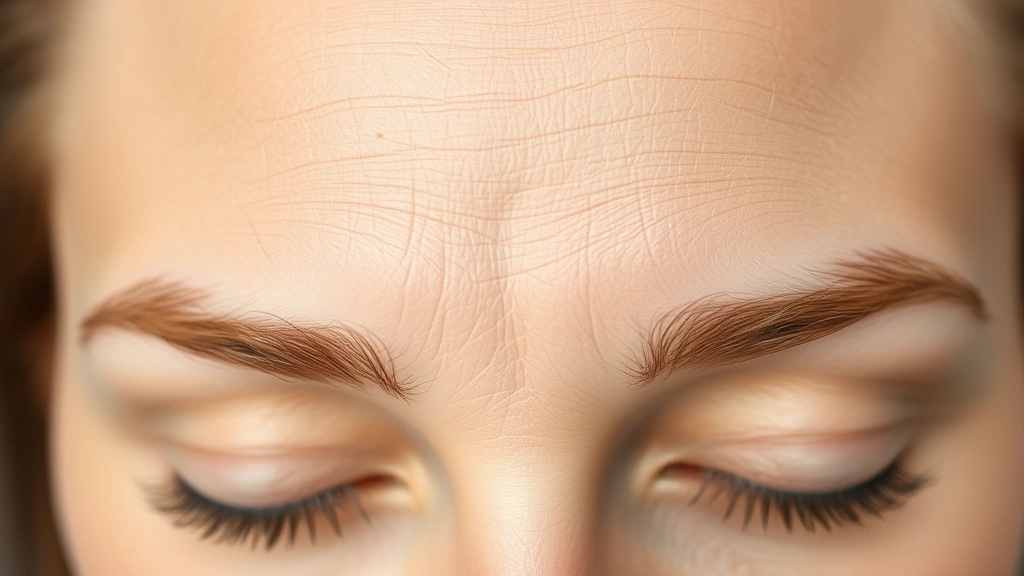
Botox is a brand name for botulinum toxin type A, a neurotoxin produced by the bacterium Clostridium botulinum. When used cosmetically, it’s administered in extremely small, purified doses that work by blocking acetylcholine release at the neuromuscular junction. This temporary paralysis of facial muscles prevents the formation of dynamic wrinkles—those lines that appear when you make facial expressions like frowning or squinting.
The mechanism is surprisingly straightforward from a physiological perspective. When injected into specific facial muscles, Botox prevents muscle contractions that contribute to expression lines. Results typically appear within 3-7 days, with maximum effects visible around two weeks. The effects remain temporary, lasting approximately 3-4 months before the body metabolizes the protein and muscle function gradually returns.
Understanding this mechanism is crucial for safety discussions. The localized action means Botox affects only the injected muscles, making systemic toxicity extremely unlikely when administered properly. Cosmetic doses are measured in units, typically ranging from 20-60 units per treatment area, representing only a fraction of the lethal dose.
[IMAGE_1]
Clinical Safety Data and FDA Approval
The FDA approved Botox for cosmetic use in 2002, following extensive clinical trials demonstrating both efficacy and safety. Since then, millions of treatments have been administered worldwide, generating decades of real-world safety data. According to the Food and Drug Administration, adverse event reporting rates remain remarkably low relative to treatment volume.
Clinical studies published in peer-reviewed dermatology journals consistently show that properly administered Botox has an excellent safety profile. The American Academy of Dermatology recognizes Botox as a standard treatment for dynamic facial wrinkles, with safety data supporting its use in appropriately selected patients. Serious complications occur in less than 1% of treatments, and most adverse events are mild and temporary.
Research from cosmetic chemistry databases and dermatological literature demonstrates that the purified botulinum toxin used in cosmetic formulations undergoes rigorous quality control. Each batch is tested for potency and purity before distribution. This pharmaceutical-grade standardization significantly reduces variability in patient outcomes and safety profiles compared to non-regulated preparations.
The long-term safety data is particularly reassuring. Studies tracking patients who’ve received Botox treatments for 10+ years show no evidence of cumulative toxicity or systemic complications. The body naturally metabolizes the protein, and repeated treatments don’t lead to dangerous accumulation in organs or tissues.
Common Side Effects vs. Serious Complications
Like all medical procedures, Botox carries potential side effects. Understanding the difference between common, mild effects and rare serious complications helps establish realistic expectations. Most side effects are temporary and resolve within days to weeks without intervention.
Common and Mild Side Effects:
- Bruising and swelling at injection sites (typically resolving within 24-48 hours)
- Mild redness and tenderness immediately after injection
- Temporary headache occurring within 24-48 hours post-treatment
- Mild eyelid drooping (ptosis) if injected too close to the eyebrow area
- Temporary facial asymmetry during the settling period
These effects are so common that dermatologists consider them expected outcomes rather than true complications. Most patients experience minimal downtime and can return to normal activities immediately. Applying ice and avoiding strenuous exercise for 24 hours helps minimize bruising.
Serious complications are exceptionally rare but warrant discussion. These include:
- Severe ptosis: Excessive eyelid drooping requiring weeks to resolve, prevented through proper injection technique and anatomical knowledge
- Allergic reactions: Extremely uncommon; true IgE-mediated allergies to botulinum toxin itself are virtually nonexistent in literature
- Botulism-like symptoms: Muscle weakness extending beyond injection sites; occurs only with improper administration or extremely high doses
- Infections: Rare with proper sterile technique; risk similar to any injection procedure
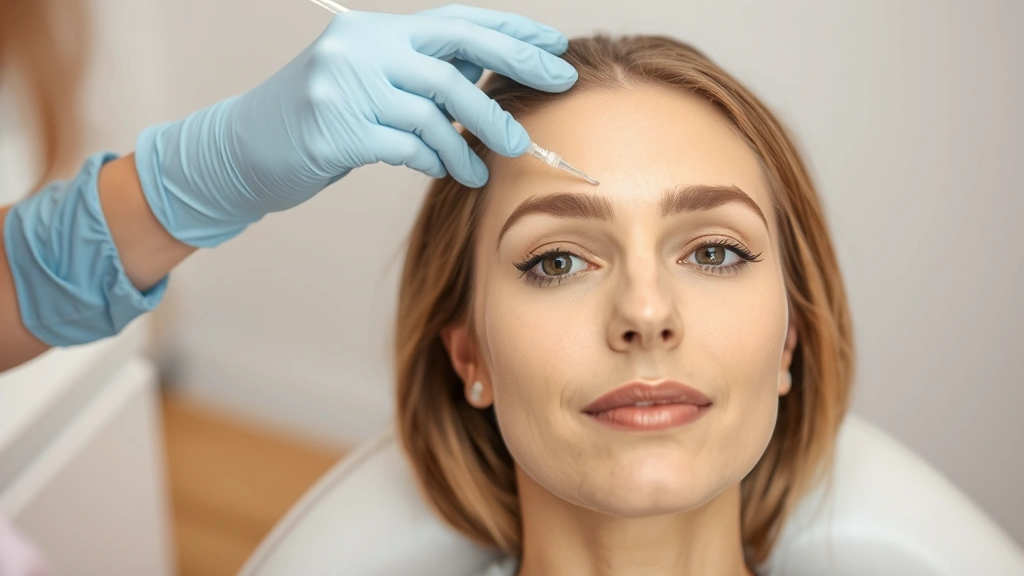
The rarity of serious complications underscores why provider qualifications matter significantly. Board-certified dermatologists and plastic surgeons understand facial anatomy intimately, allowing them to inject precisely while avoiding sensitive structures.
Who Should Avoid Botox Treatments
While Botox is safe for most adults, certain populations should avoid treatment or exercise extreme caution. Understanding contraindications is essential for patient safety and optimal outcomes.
Absolute Contraindications:
- Pregnancy and breastfeeding: While no teratogenic effects have been documented, the precautionary principle suggests avoiding elective cosmetic procedures during these periods
- Known allergy to any Botox formulation component, including human serum albumin
- Active infection or inflammation at proposed injection sites
- Myasthenia gravis and other neuromuscular junction disorders: Botox could exacerbate muscle weakness
- Bleeding disorders or concurrent anticoagulation therapy: Increases bruising risk, though not an absolute contraindication with proper precautions
Relative Contraindications and Cautions:
- Certain medications that may interact with botulinum toxin, including some antibiotics and muscle relaxants
- Unrealistic expectations about results or reluctance to accept temporary effects
- History of adverse reactions to previous Botox treatments
- Recent facial procedures or planned procedures within two weeks of Botox injection
- Severe ptosis or drooping eyelids, which Botox could worsen
Before pursuing Botox, discussing your complete medical history with a qualified provider is crucial. This conversation should include current medications, supplements, previous cosmetic procedures, and any neurological conditions. A thorough consultation allows your provider to assess whether Botox is appropriate for your specific situation.
Comparing Botox to Alternative Anti-Aging Options
Botox isn’t the only approach to addressing dynamic wrinkles and aging skin. Understanding alternatives helps you make informed choices about which treatments align with your preferences and risk tolerance. Each option presents different safety profiles and efficacy considerations.
Dermal Fillers: Unlike Botox, which paralyzes muscles, fillers add volume to soften lines and restore lost facial fullness. Hyaluronic acid fillers offer reversibility through enzymatic dissolution, while permanent fillers carry higher risks. Safety profiles differ significantly based on filler type and injection depth.
Topical Retinoids and Vitamin A Derivatives: Products containing retinol or prescription retinoids stimulate collagen production and increase cell turnover, reducing fine lines over months. These require consistent use and can cause irritation initially. They’re excellent for preventive anti-aging and complement or substitute for injectables.
Chemical Peels and Microdermabrasion: These exfoliative treatments remove damaged skin layers, revealing fresher skin beneath. They’re effective for surface wrinkles and pigmentation but require downtime and sun protection. Safety depends on peel depth and skin type compatibility.
Laser Resurfacing: Fractional and ablative lasers stimulate collagen remodeling and improve skin texture. Results can be dramatic but involve significant downtime and require experienced practitioners. Risks include hyperpigmentation and scarring if improperly performed.
When considering the cosmetic starter kit approach, combining preventive skincare with occasional injectables often yields optimal results. Your skincare routine, including consistent sun protection and quality moisturizers, provides the foundation for healthy skin regardless of whether you choose Botox or alternatives.
Choosing a Qualified Cosmetic Professional
Provider selection significantly impacts both safety and satisfaction with Botox treatment. The difference between an expertly administered injection and a poorly executed one can be dramatic, affecting not just immediate results but also safety outcomes.
Essential Provider Qualifications:
- Board Certification: Dermatologists (American Board of Dermatology) or plastic surgeons (American Board of Plastic Surgery) have undergone rigorous training in facial anatomy and injection techniques
- Licensure: Verify medical licensure through your state’s medical board website
- Specific Botox training: Beyond general medical education, ask about specialized training in cosmetic injections
- Before-and-after portfolio: Review actual patient results to assess aesthetic judgment and technical skill
- Transparent communication: Qualified providers discuss realistic expectations, potential risks, and contraindications without overselling results
Avoid practitioners without medical degrees, including aestheticians and nurses without physician supervision, though nurse injectors under direct supervision of qualified physicians can provide excellent care. The cost of treatment should never be your primary selection criterion—bargain pricing often correlates with less experienced providers or inferior-quality products.
During your consultation, assess how providers respond to your questions. They should explain the mechanism of action, realistic timelines, potential side effects, and why certain injection sites may or may not be appropriate for your face. Red flags include guarantees of permanent results, pressure to purchase multiple treatments upfront, or dismissal of your safety concerns.
Post-Treatment Care and Recovery
Proper post-treatment care optimizes results and minimizes adverse effects. Understanding recovery expectations helps you plan treatment timing appropriately around social or professional commitments.
Immediate Post-Treatment (First 24 Hours):
- Avoid touching or massaging treated areas to prevent toxin migration
- Don’t exercise or engage in strenuous activity that increases blood flow
- Stay upright for at least 4 hours after injection
- Apply ice intermittently to reduce swelling and bruising
- Avoid alcohol, which increases bruising risk
- Skip hot baths, saunas, and intense heat exposure
If you’re concerned about how to reduce facial swelling fast, ice application within the first 24 hours is most effective. Cold reduces inflammation and constricts blood vessels, minimizing bruising. Arnica supplements and topical arnica may provide modest additional benefit, though evidence is limited.
Days 2-14 (Settling Period):
- Results gradually appear as the neurotoxin takes effect
- Temporary asymmetry or uneven results are normal and typically resolve
- Continue avoiding facial massage and pressure
- Maintain excellent sun protection to support skin health
- Use gentle skincare and avoid irritating products
During this period, resist the urge to request touch-ups immediately. Many patients and providers schedule follow-up appointments at 2 weeks to assess final results and make minor adjustments if needed. Premature touch-ups can lead to over-treatment.
Maintaining a comprehensive skincare routine for blackheads and overall skin health supports your skin’s appearance between Botox treatments. Quality skincare doesn’t replace injectables but enhances overall results and skin quality. Products containing how to use hyaluronic acid serum effectively provide hydration support, complementing any cosmetic procedures.
Long-Term Maintenance:
As results fade over 3-4 months, you’ll notice gradual return of muscle function and fine lines. This slow progression allows you to decide whether to continue treatment. Many patients establish regular treatment schedules, typically every 12-16 weeks, to maintain results. Consistent treatment may actually extend duration slightly, as muscles may atrophy slightly with repeated paralysis.
FAQ
Is Botox actually toxic?
Botox uses botulinum toxin, which is toxic in large doses, but cosmetic applications use extremely small, purified amounts injected into specific muscles. The dose used cosmetically is a tiny fraction of the lethal dose. When administered properly, systemic toxicity is virtually impossible because the toxin remains localized to injected muscles and doesn’t enter the bloodstream in significant quantities.
Can Botox cause permanent damage?
No. Botox effects are temporary because the body gradually breaks down the protein over 3-4 months. Even if you experience an unsatisfactory result, waiting for natural metabolism to eliminate the toxin resolves the issue. There’s no permanent damage reported in decades of clinical use, even in patients treated repeatedly for years.
Does Botox cause addiction?
Botox doesn’t cause physical addiction in the pharmacological sense. However, some patients become psychologically dependent on the appearance results, preferring to continue treatments to maintain their appearance. This is a preference choice, not addiction. You can safely discontinue Botox at any time without withdrawal or health consequences.
What’s the difference between Botox and other botulinum toxin brands?
Multiple FDA-approved botulinum toxin formulations exist, including Dysport, Xeomin, and Jeuvéderm Voluma. While all contain botulinum toxin type A, they differ in formulation, diffusion patterns, and potency measurements. A unit of Botox isn’t equivalent to a unit of Dysport. Safety profiles are similar across brands when properly administered, though individual responses may vary.
Can younger people safely use Botox for prevention?
Yes, preventive Botox in patients in their 20s and 30s is increasingly popular and considered safe. Using lower doses to prevent dynamic wrinkles from forming offers a different risk-benefit calculation than treatment of established wrinkles. Discuss appropriate dosing and frequency with your provider, as prevention typically requires less product than correction.
Is Botox safe during menopause?
Yes. Hormonal changes during menopause don’t contraindicate Botox. Some patients find that Botox helps address age-related wrinkles that become more pronounced during this life stage. However, if you’re experiencing significant facial flushing or other menopausal symptoms affecting your face, discuss timing with your provider to optimize results.
What should I do if I have an adverse reaction?
Contact your injecting physician immediately. Most adverse effects are mild and self-limiting, but prompt communication allows your provider to assess the situation and determine if intervention is needed. Serious complications requiring emergency care are exceptionally rare but warrant immediate medical attention if you experience difficulty breathing, severe swelling, or systemic symptoms.
External Resources:
- American Academy of Dermatology – Professional organization with patient education resources
- American Society of Plastic Surgeons – Information on cosmetic procedures and surgeon selection
- PubChem – Botulinum Toxin Database – Chemical composition and scientific data
- Cosmetics Info – Independent cosmetic ingredient safety information
- International Society of Aesthetic Plastic Surgery – Global perspective on cosmetic procedure safety