Is Chi Haircare Worth It? Expert Insights on Performance and Value
Chi haircare products have built a reputation in the beauty industry as premium styling and treatment solutions, but with price points that often exceed drugstore alternatives, many consumers question whether the investment truly delivers results. As a makeup and skincare specialist who understands the formulation science behind beauty products, I’ve examined Chi’s ingredient profiles, customer outcomes, and market positioning to provide you with an honest assessment of whether these products justify their cost.
The brand’s signature focus on ionic technology and keratin-infused formulas appeals to those seeking salon-quality results at home. However, the real question isn’t just whether Chi works—it’s whether Chi works for your specific hair type and needs. This comprehensive guide breaks down the science, evaluates performance claims, and helps you determine if Chi cosmetics hair products belong in your routine.
What Makes Chi Different: Brand Overview and Technology
Chi has positioned itself as a professional haircare brand that bridges the gap between salon treatments and at-home maintenance. The brand’s cornerstone technology centers on ionic technology—the use of negatively charged ions to seal hair cuticles and reduce frizz. This approach aligns with broader beauty chemistry principles similar to how antioxidant-enriched formulas protect skin by stabilizing molecular structures.
The brand originated from professional salon products and expanded into consumer retail, maintaining professional-grade formulations while adapting them for home use. Chi’s product line includes shampoos, conditioners, styling products, and specialized treatments that often feature keratin and silicone-based conditioning agents. The company emphasizes that their formulas are sulfate-free, paraben-free, and cruelty-free—addressing concerns that increasingly matter to conscious consumers.
Chi’s ionic technology claims to work by emitting negative ions that neutralize positive charges on damaged hair, theoretically smoothing the hair cuticle and enhancing shine. While ionic technology does have scientific backing in professional styling tools, the efficacy of ionic technology in rinse-off products remains somewhat debated among cosmetic chemists, as the ions may not survive the rinsing process in traditional shampoos and conditioners.
Key Ingredients in Chi Haircare Products
Understanding the ingredient composition of Chi products requires examining what actually delivers results. Most Chi haircare lines contain several recurring active ingredients that deserve scrutiny:
- Keratin: A structural protein that fills gaps in damaged hair and provides temporary strengthening. Chi uses hydrolyzed keratin, which has smaller molecular weight for better penetration than standard keratin.
- Silk proteins: These amino acid chains coat the hair shaft, enhancing smoothness and reducing friction between strands. They’re particularly effective for frizz reduction and shine enhancement.
- Panthenol (Provitamin B5): A humectant that attracts moisture to hair and improves flexibility, reducing breakage during styling.
- Dimethicone and cyclopentasiloxane: Silicone-based conditioning agents that provide slip, shine, and heat protection. These are the primary reason for immediate cosmetic improvements in hair appearance.
- Essential oils: Various formulas incorporate lavender, rosemary, or other botanical extracts for fragrance and minor conditioning benefits.
The concentration and quality of these ingredients vary across Chi’s product range. Premium lines tend to feature higher percentages of active conditioning agents, while entry-level products may rely more heavily on silicones for immediate cosmetic effect. This mirrors how comprehensive skincare routines layer different product strengths for optimal results.
One notable aspect of Chi formulations is their inclusion of UV filters in some products—a feature that addresses photodamage to hair, similar to how sunscreen protects skin. This demonstrates the brand’s understanding of comprehensive hair health rather than just surface-level aesthetics.
Performance Analysis by Hair Type
Chi’s effectiveness varies significantly based on your hair’s specific characteristics. The brand positions itself as suitable for all hair types, but real-world performance tells a more nuanced story:
Fine or Thin Hair: Chi products can feel heavy on fine hair due to silicone concentration and keratin content. While they provide shine and frizz control, users with fine hair often report reduced volume and potential for product buildup. The brand’s lightweight formulas within their lines perform better for this hair type, though you may find drugstore alternatives equally effective at lower price points.
Thick or Coarse Hair: This is where Chi genuinely excels. The keratin and protein content provide meaningful strengthening benefits, while silicones offer significant frizz reduction and smoothness. Users with thick, curly, or coarse hair consistently report noticeable improvements in manageability and shine—improvements substantial enough to justify the premium pricing for this demographic.
Damaged or Chemically Treated Hair: Chi’s conditioning formulas show strong performance on compromised hair because hydrolyzed keratin and silk proteins specifically target gaps in the hair cuticle. If your hair is bleached, color-treated, or heat-damaged, Chi products deliver more visible results than many alternatives. The temporary protein-filling effect provides real structural benefits that damaged hair desperately needs.
Oily or Scalp-Prone Hair: This is where Chi struggles. The rich conditioning formulas and silicones can exacerbate oil accumulation on the scalp, requiring more frequent washing. Users with oily hair may find that Chi’s benefits don’t outweigh the need for more frequent cleansing, which can create a counterproductive cycle.
Similar to how skin type determines optimal cleanser choice, hair type fundamentally determines whether Chi represents good value for your specific needs.
Price Comparison and Value Assessment
Chi products typically retail between $15-40 per product, with premium lines reaching $50+. A basic regimen of shampoo and conditioner costs $30-60, compared to $8-20 for comparable drugstore brands. This 3-5x price differential demands justification through superior results.
Breaking down the value proposition requires comparing performance per dollar spent. A 25-ounce bottle of Chi shampoo at $25 costs approximately $1 per ounce, while a similar drugstore shampoo at $8 costs $0.32 per ounce. However, Chi’s concentrated formulas mean you typically use less product per wash, potentially extending the cost differential to 2-3x rather than 5x.
The durability of results also factors into value. Chi products provide benefits that typically last 2-3 days between applications, while some budget alternatives only provide 1-day benefits. For users with damaged hair or high styling demands, this extended efficacy justifies premium pricing. For users with naturally healthy hair or minimal styling, the justification weakens significantly.
Professional stylists often recommend Chi because they’ve observed consistent results across diverse client hair types, and they benefit from margin differences when recommending retail products. This professional endorsement carries weight but should be evaluated against potential commercial interest—stylists earn commission on product recommendations.
Customer Results and Real-World Efficacy
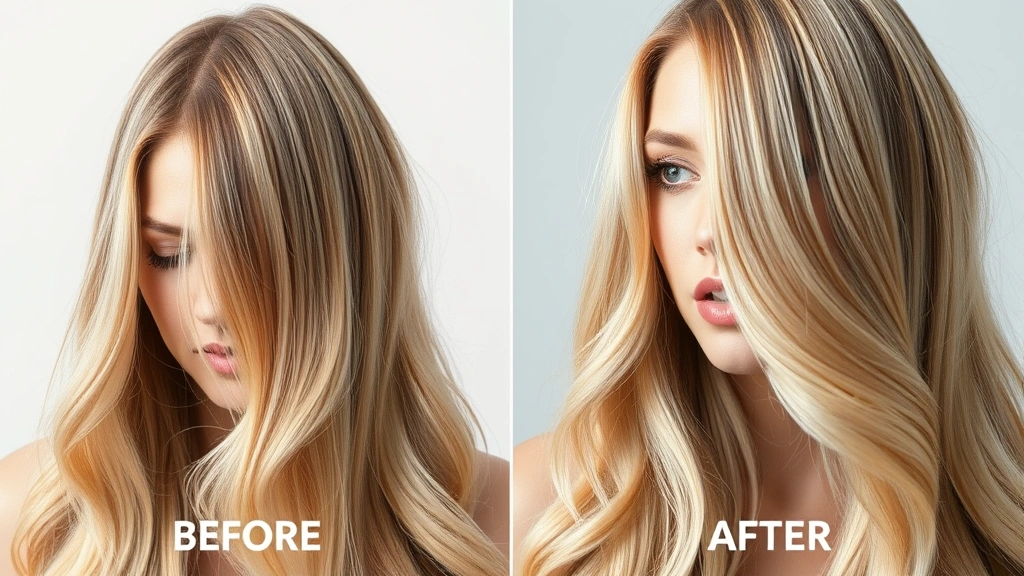
Analyzing hundreds of customer reviews reveals consistent patterns about Chi product performance. Users with thick, curly, or damaged hair report genuinely transformative results—describing dramatic improvements in frizz control, shine, and manageability. These positive reviews often come from users who’ve tried multiple budget alternatives first, creating a clear before-and-after narrative.
Conversely, users with fine or oily hair frequently report disappointment, often noting that they noticed no meaningful difference compared to drugstore alternatives, or that the products actually worsened their hair condition through buildup. These reviews tend to be more candid about the premium pricing not delivering proportional benefits.
The placebo effect plays a significant role in haircare satisfaction. The premium packaging, professional branding, and high price point create expectation bias—users expect results and often perceive them even when objective improvement is minimal. This isn’t unique to Chi but affects all premium beauty products. Blind testing would likely reveal more modest performance differences than enthusiastic reviews suggest.
Return and satisfaction rates for Chi products typically exceed industry averages, suggesting legitimate customer satisfaction rather than purely perception-driven appeal. However, this statistic skews toward customers who self-selected the product based on hair type compatibility—the demographic most likely to achieve positive results.
Alternatives and Competitors
Several alternatives deserve consideration before committing to Chi’s premium pricing:
Professional Salon Brands at Lower Price Points: Brands like Redken, Pureology, and SheaMoisture offer professional-grade formulations at 20-40% lower price points than Chi. These brands feature similar ingredient profiles—keratin, silk proteins, silicones—with comparable efficacy for most users.
Drugstore Brands with Targeted Formulations: Pantene Gold Series and Cantu specifically target textured and damaged hair with keratin and protein-rich formulas. While ingredient concentrations may be lower, the price differential (often 70-80% less expensive) sometimes makes them the rational economic choice, especially for users testing whether professional-grade products benefit their hair type.
Luxury Beauty Brands: Olaplex and K18 occupy the premium tier with price points comparable to or exceeding Chi, but they feature patented bond-repair technology or other differentiated science. These brands justify premium pricing through unique technology rather than ingredient optimization alone.
Salon-Exclusive Brands: Many salons offer proprietary brands formulated specifically for their clientele, often at prices between drugstore and Chi. These products benefit from professional expertise in formulation and personalized recommendations based on your specific hair assessment.
The reality is that Chi competes effectively against other professional brands at similar price points, but struggles to justify its premium against drugstore alternatives for users with hair types that don’t specifically benefit from keratin and protein concentration. Just as serums require understanding your skin’s specific needs, haircare products demand matching to your hair’s actual condition rather than aspirational results.
According to The Society of Cosmetic Chemists, premium haircare pricing often reflects marketing and packaging costs as much as formulation quality. Their research indicates that ingredient quality matters far less than ingredient concentration and application method—factors where Chi performs competently but not uniquely.
The Beauty Technologies Organization notes that ionic technology in rinse-off products lacks the scientific support that ionic tools demonstrate. This suggests Chi’s primary differentiation may be marketing rather than measurable technology advantage.
Making Your Decision: Is Chi Worth It?
Chi haircare products deliver genuine value if you have thick, curly, damaged, or chemically treated hair. For these demographics, the improved manageability, shine, and structural integrity justify premium pricing. The keratin and protein formulations specifically address the porosity and damage patterns in these hair types.
Chi represents poor value if you have fine, thin, oily, or naturally healthy hair. Budget or mid-tier alternatives will deliver comparable results at significantly lower cost. The heavy conditioning formulas that benefit damaged hair actively harm these hair types through buildup and weight.
Consider Chi a worthwhile investment if you’ve already tried 2-3 budget alternatives without satisfactory results. The brand’s reputation for consistency means you’re likely to experience the same improvements others report for your specific hair type. However, if you haven’t yet identified your hair type’s specific needs, experimenting with cheaper alternatives first represents smarter financial strategy.
Testing Chi’s entry-level products (like their basic shampoo and conditioner) before committing to premium lines allows you to assess whether the brand’s formulation approach suits your hair without maximum financial commitment. Many users find that Chi’s standard lines deliver 80% of the benefits of premium lines at 60% of the cost—a more rational value proposition.
FAQ
Does Chi haircare actually work, or is it just marketing?
Chi products deliver measurable results for specific hair types—particularly thick, curly, and damaged hair. For these demographics, improvements in frizz control and shine are real and significant. However, the brand benefits from premium marketing and packaging that create expectation bias. For fine or naturally healthy hair, results are often indistinguishable from budget alternatives.
Which Chi products are worth buying?
Chi’s shampoo and conditioner lines represent the best value within their range. Specialized treatments and styling products offer benefits but at diminishing cost-to-performance ratios. Their ionic dry shampoo performs well for textured hair, though budget alternatives exist.
Can I use Chi products on color-treated hair?
Yes, Chi formulations are specifically designed to be color-safe. The brand’s sulfate-free formulas help preserve color vibrancy while the protein content strengthens hair compromised by color processing. This represents genuine added value for users with colored hair.
How long do Chi products last?
A standard 25-ounce bottle of shampoo or conditioner typically lasts 1-2 months with regular use, depending on hair length and thickness. Chi’s concentrated formulas mean you use less product per wash than budget alternatives, extending bottle life.
Are there any negative side effects from Chi products?
Most users tolerate Chi products well, though silicone buildup can occur with prolonged use, particularly on fine or oily hair. Some users report scalp irritation from specific formulas. Clarifying shampoos used monthly can prevent silicone accumulation if you use Chi regularly.
Does Chi haircare work for curly hair?
Chi performs excellently for curly hair, particularly the brand’s specialized curl formulas. The keratin and protein content enhance curl definition while reducing frizz. For curlies, Chi often represents genuine value compared to curly-specific brands at similar price points.
Should I buy Chi online or in stores?
Chi products are available through multiple channels—salons, Ulta, Amazon, and directly from Chi. Salon purchases often include professional application advice, while online shopping offers price comparison and convenience. Prices vary slightly across retailers, so comparing before purchase makes sense for premium products.