Safe Makeup for Kids? Expert Recommendations for Parents
The question of whether children should wear makeup—and if so, which products are safe—has become increasingly important for parents navigating the world of cosmetics. With social media influence, special occasions, and growing self-expression desires among young people, many parents wonder what makeup options exist that won’t compromise their child’s developing skin health. This comprehensive guide explores expert recommendations for children’s cosmetics, ingredient safety, and age-appropriate practices.
Children’s skin is fundamentally different from adult skin. It’s thinner, more permeable, and still developing its natural protective barrier. This means that products formulated for adult use may cause irritation, sensitization, or adverse reactions when applied to young skin. Understanding which ingredients to avoid and which formulations are genuinely safe is essential for any parent considering makeup for their child.
The cosmetics industry has made significant strides in creating products specifically designed for children, but not all “kids” makeup is created equal. This guide breaks down what dermatologists recommend, which ingredients pose risks, and how to make informed choices about your child’s skincare and cosmetic needs.
Understanding Children’s Skin Development
Before introducing any cosmetic products to a child’s skincare routine, it’s crucial to understand how their skin differs from adults. Children’s skin has a significantly lower barrier function, meaning it cannot protect itself as effectively from environmental irritants and potentially harmful substances. The stratum corneum—the outermost layer of skin—is thinner in children, making it more susceptible to transepidermal water loss and increased absorption of topical substances.
The pH of children’s skin is also different from adult skin. Young children’s skin tends to be more acidic, which actually provides some natural protection against bacterial colonization. However, this delicate balance can be easily disrupted by harsh cleansers or inappropriate products. Additionally, children’s skin is still developing its melanin production capabilities, making sun protection paramount when any makeup or skincare products are used.
According to the American Academy of Dermatology, children’s skin requires a minimalist approach to product use. The fewer unnecessary products applied to young skin, the lower the risk of irritation or sensitization. This principle should guide all decisions about introducing makeup to children.
Another important consideration is that children may not be able to articulate discomfort or mild irritation effectively. A product that causes subtle inflammation might go unnoticed until it develops into a more serious skin condition. This underscores the importance of parental vigilance and choosing products with transparent ingredient lists and dermatological testing.
Age-Appropriate Makeup Guidelines
The American Academy of Pediatrics and dermatological experts generally agree that children under 8 years old should not wear makeup regularly. Their skin is still too delicate, and the risk of accidental ingestion or eye irritation is significantly higher. For very young children, play makeup or washable, non-toxic alternatives designed specifically for ages 3-7 are the only appropriate options if makeup use is desired.
Children aged 8-12 can begin experimenting with minimal, specifically formulated kids’ makeup products. At this age, light lip tints, cheek stains, and clear or lightly tinted glosses are appropriate choices. These products should be free of heavy pigments, fragrances, and potentially irritating preservatives. The focus should remain on teaching proper hygiene and makeup removal rather than encouraging regular use.
Teenagers aged 13 and up may graduate to more traditional makeup products, but parental guidance remains important. Even at this age, choosing products specifically formulated for sensitive or younger skin is preferable to standard adult cosmetics. Many teen-focused makeup brands now offer formulations that account for hormonal skin changes and acne-prone conditions common during puberty.
Regardless of age, special occasions are often when children first want to wear makeup. For these events, it’s worth investing in high-quality, hypoallergenic products specifically designed for young users rather than adapting adult products. This approach ensures the experience is both safe and enjoyable, setting positive precedents for future skincare and makeup habits.
Parents should also consider establishing clear rules about makeup use frequency and removal. Daily makeup use is not recommended for children at any age. When makeup is worn, thorough removal with appropriate gentle face cleansers for sensitive skin should be non-negotiable. This teaches children that makeup is a special-occasion tool rather than a daily necessity.
Ingredients to Avoid in Children’s Cosmetics
Certain ingredients commonly found in adult cosmetics pose particular risks for children’s delicate skin. Understanding which substances to avoid is fundamental to making safe product choices. The FDA maintains a list of banned and restricted ingredients in cosmetics, but many additional substances, though legal, are best avoided in children’s products.
Parabens are preservatives widely used in cosmetics. While regulatory bodies consider them safe in cosmetics, some research suggests potential endocrine-disrupting effects, particularly concerning for developing children. Many brands now offer paraben-free alternatives, which are preferable for young users.
Phthalates are plasticizers sometimes used in fragrances and other cosmetic ingredients. These compounds have been linked to developmental and reproductive issues in animal studies. The European Union has banned several phthalates in cosmetics, though some remain legal in the United States. Children’s products should explicitly state they are phthalate-free.
Heavy metals such as lead, cadmium, and arsenic can be present as contaminants in pigments and mineral-based makeup. While strict limits exist in many countries, cumulative exposure through cosmetics used over time can be problematic. Independent testing organizations provide valuable information about heavy metal content in cosmetic products.
Fragrance is a broad category that can include numerous undisclosed chemicals. Synthetic fragrances are common irritants and sensitizers, particularly in children. Products labeled “fragrance-free” or “unscented” are significantly safer choices. Natural essential oils, while sometimes perceived as safer, can also cause irritation in sensitive young skin.
Formaldehyde and formaldehyde releasers are used as preservatives in some cosmetics. These substances are known allergens and potential carcinogens. Products should be explicitly labeled as formaldehyde-free.
Talc has been used in cosmetics and personal care products for decades. Due to concerns about asbestos contamination and potential ovarian cancer risk with genital exposure, talc-free alternatives are now widely available and preferable, especially for children.
Coal tar dyes are synthetic colorants sometimes used in cosmetics. Some of these dyes have been linked to cancer in animal studies. The European Union has banned or restricted many coal tar dyes; the United States maintains a shorter list of banned colors. Children’s products should use only FDA-approved colorants.
When selecting children’s cosmetics, look for products that explicitly list what they don’t contain. Certifications from organizations like the ECOCERT Cosmos Standard or Leaping Bunny cruelty-free certification often correlate with safer formulations.
Safe and Recommended Product Categories
Several categories of makeup and cosmetic products are generally considered safer for children when sourced from reputable brands focused on young users.
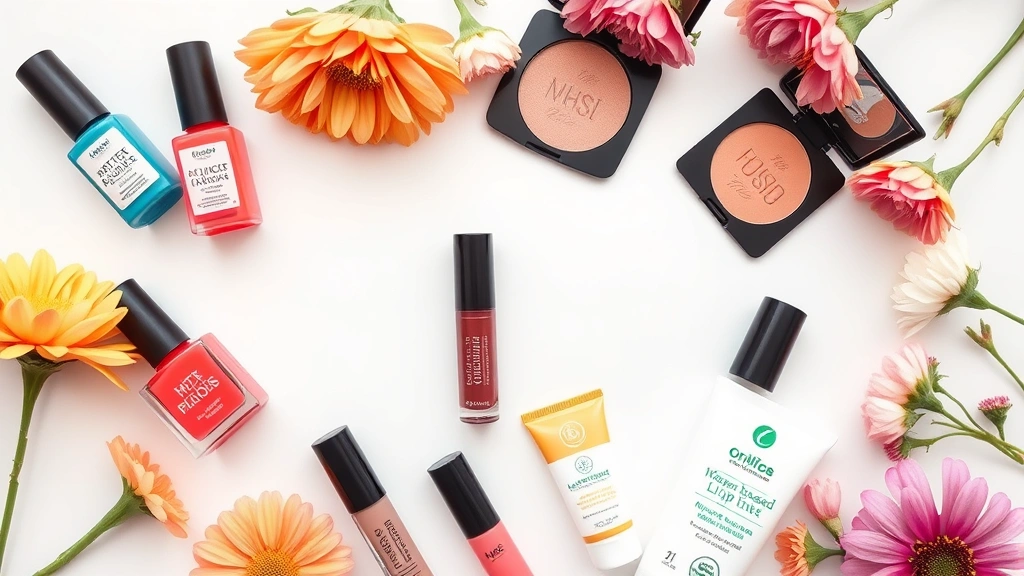
Lip tints and glosses are often the first makeup products children use. Water-based formulations without artificial colors are ideal. Look for products that are non-toxic and safe if accidentally ingested, since lip products inevitably end up in the mouth. Plant-based pigments derived from fruits, vegetables, and minerals are preferable to synthetic colorants.
Cheek stains and blushes formulated for sensitive skin offer a way to add color without heavy pigmentation. Cream-based formulations tend to be gentler than powders, which can be inhaled and may irritate respiratory passages. Mineral-based blushes without talc are a good option.
Clear or tinted moisturizers with SPF provide light coverage while offering sun protection. For children interested in evening out skin tone, these products are preferable to full-coverage foundations. They should be formulated specifically for young or sensitive skin.
Nail products marketed for children are typically water-based and formulated without the “toxic trio” of toluene, dibutyl phthalate (DBP), and formaldehyde. These water-based formulas are easier to remove and less likely to cause respiratory irritation or skin sensitization.
Eyeshadows and eyeliners should only be introduced for older children (14+) and should be specifically formulated for sensitive eyes. Pencil eyeliners are generally safer than liquid formulas for young users, as they’re less likely to migrate into the eye itself. Avoid anything applied directly to the waterline until teenagers are mature enough to handle eye makeup safely.
Many brands now specifically target the children’s and tween cosmetics market with safety-focused formulations. Products from brands emphasizing clean ingredients, dermatological testing, and age-appropriate formulations are worth the investment. Reading reviews from other parents and checking for third-party testing can help identify genuinely safe products.
When in doubt, less is more. A single high-quality lip tint is safer and more age-appropriate than a full makeup collection for young children. This approach also teaches healthy attitudes about makeup as an occasional enhancement rather than a daily necessity.
Reading Labels and Certifications
Understanding how to read cosmetic labels is essential for identifying safe products for children. The ingredient list on cosmetics is required by law in most countries and provides the most transparent information about product composition.
In the United States, the FDA requires cosmetic ingredients to be listed in descending order of concentration. This means the first few ingredients make up the bulk of the product. For children’s makeup, you want to see water or beneficial plant extracts listed first, followed by safe emollients and preservatives.
Certifications can provide additional assurance of product safety and quality. The “Leaping Bunny” certification indicates cruelty-free testing practices. The “EWG Verified” mark from the Environmental Working Group suggests a product meets safety and transparency standards. ECOCERT and USDA Organic certifications indicate natural ingredient sourcing, though natural doesn’t automatically mean safer for children.
Look for labels explicitly stating “hypoallergenic,” “dermatologist-tested,” “fragrance-free,” “dye-free,” and “non-comedogenic.” These terms indicate the product has been formulated with sensitive skin in mind. However, “hypoallergenic” is not federally regulated, so check for third-party testing verification.
The phrase “suitable for sensitive skin” or “for children” on packaging suggests the product has been formulated with young users in mind. Cross-reference this with the actual ingredient list to ensure marketing claims align with product composition.
Websites like the EWG Skin Deep Database allow you to search specific products and see detailed ingredient breakdowns with safety ratings. This resource is invaluable for parents researching cosmetics for their children.
Be cautious of vague marketing terms like “natural,” “organic,” or “clean” without specific certifications. These terms are largely unregulated in the cosmetics industry. A product labeled natural could still contain irritating essential oils or plant-derived allergens problematic for sensitive young skin.
Application Tips for Young Users
Even with safe products, proper application technique is crucial for preventing skin irritation and teaching children healthy makeup habits. Parents should supervise makeup application for younger children and teach proper techniques to older ones.
Hand hygiene is paramount. Hands should be thoroughly washed before applying any makeup to prevent transferring bacteria to the face. This is particularly important for lip products and anything applied near the eyes.
Patch testing should precede first use of any new product. Apply a small amount to a discrete area, such as behind the ear or on the inner arm, and wait 24-48 hours to check for allergic reactions. This simple step can prevent widespread irritation from developing.
Minimal application is key. Children should use less product than adults—a tiny dab of lip tint or a light sweep of blush is sufficient. Emphasize that makeup should enhance, not mask, their natural features.
Avoid sensitive areas until children are old enough to handle products carefully. The under-eye area is particularly delicate and prone to irritation. The eyelid and waterline should be off-limits for young children entirely.
Complete removal is essential. Teach children that makeup must be removed before bed using appropriate cleansers. Leaving makeup on overnight can trap bacteria, cause breakouts, and potentially lead to eye infections. Following makeup removal, moisturizing with an appropriate product helps maintain skin barrier health.
Duration of wear should be limited. Makeup should not be worn for extended periods, particularly for young children. A few hours for a special event is appropriate; daily all-day wear is not suitable for children’s skin.
Make makeup application a bonding activity rather than a routine. This helps children view makeup as a fun occasional activity rather than a necessity or a means of hiding natural features. Positive reinforcement of their natural appearance is just as important as teaching makeup skills.
Addressing Common Skin Concerns
Children may develop skin concerns that make them want to use makeup for coverage. Understanding how to address underlying skin issues while introducing safe makeup practices is important.
For children with skin inflammation and redness, establishing a proper skincare routine for glowing skin should take priority over makeup use. Gentle cleansing, appropriate moisturizing, and sun protection often resolve many childhood skin concerns without cosmetic intervention.
Acne affecting older children and teenagers requires a comprehensive approach. While makeup won’t harm acne-prone skin if applied carefully, non-comedogenic, oil-free formulations specifically designed for acne-prone skin are essential. Mineral-based or powder foundations are generally better tolerated than liquid formulas on acneic skin.
For children with irritated skin or conditions like eczema, makeup use should be minimal or avoided entirely. These conditions require focused skincare attention and potentially dermatological intervention. Makeup can trap moisture and heat, exacerbating inflammation.
Hyperpigmentation or uneven skin tone, sometimes seen in children with certain genetic backgrounds or following inflammation, doesn’t require cosmetic coverage. However, if a child desires coverage, tinted moisturizers with SPF are preferable to full-coverage foundations, as they’re less likely to irritate sensitive skin.
Sensitive skin in children often improves with age as the skin barrier matures. Avoiding unnecessary products and focusing on hydration with appropriate moisturizers is typically more beneficial than introducing makeup. For special occasions, patch-test any product thoroughly before use.
Consult a dermatologist if a child develops persistent skin concerns. Professional guidance ensures that underlying conditions are properly addressed before introducing cosmetic products, and can help identify whether specific ingredients are triggering reactions.
FAQ
At what age can children start wearing makeup?
Children under 8 should not wear traditional makeup. Ages 8-12 can use minimal, specifically formulated kids’ products like light lip tints or cheek stains. Teenagers 13+ can use more traditional makeup with parental guidance, preferably products formulated for sensitive or younger skin.
What are the most important ingredients to avoid in children’s makeup?
Avoid parabens, phthalates, heavy metals, synthetic fragrances, formaldehyde, talc, and coal tar dyes. Look for products explicitly labeled as free from these substances, and check certifications from reputable organizations.
Is natural or organic makeup automatically safer for children?
Not necessarily. Natural ingredients can cause irritation or allergic reactions just like synthetic ones. Look for specific certifications like ECOCERT or USDA Organic, and always check the complete ingredient list rather than relying solely on marketing claims.
How should makeup be removed from children’s skin?
Use gentle, fragrance-free cleansers specifically formulated for sensitive or young skin. Lukewarm water and a soft washcloth should be sufficient for removing most children’s makeup products. Follow cleansing with an appropriate moisturizer.
Can children with sensitive skin wear makeup?
Yes, but only products specifically formulated for sensitive skin, and in minimal amounts. Patch-test any new product before full application. If a child has eczema, psoriasis, or other skin conditions, consult a dermatologist before introducing makeup.
What should I do if my child has a reaction to makeup?
Immediately remove the product with gentle cleansing. Apply a cool compress if there’s swelling or discomfort. If the reaction persists beyond a few hours or worsens, contact a pediatrician or dermatologist. Keep the product packaging to identify the specific formula that caused the reaction.
Are play makeup and washable makeup safer for young children?
Play makeup and washable formulas designed for young children (ages 3-7) are generally safer than traditional cosmetics. These products are typically non-toxic and formulated specifically for accidental ingestion safety. However, always verify that products are age-appropriate and non-toxic.
How often should children wear makeup?
Daily makeup use is not recommended for children at any age. Makeup should be reserved for special occasions. Even then, duration should be limited to a few hours, followed by complete removal and proper skin care.