Christina Cosmetics Review: Is It Worth It?
Christina Cosmetics has built a reputation as a professional-grade skincare and cosmetics brand with roots in the beauty industry since the 1970s. Known for blending cosmetic chemistry with dermatological principles, the brand offers everything from cleansers to advanced serums designed for multiple skin types. But with countless skincare options available today, is Christina Cosmetics truly worth the investment? This comprehensive review examines the brand’s formulations, ingredient quality, price point, and real-world performance to help you decide.
Whether you’re looking to upgrade your skincare routine for glowing skin or searching among affordable cosmetic brands, understanding what Christina Cosmetics delivers is essential. We’ll break down their most popular products, analyze their ingredient lists, and compare their value against competitors in the same price range.

Brand Overview and History
Christina Cosmetics emerged from Israel in the 1970s with a mission to create professional skincare solutions that bridge the gap between dermatology and cosmetics. The brand has maintained its commitment to research-backed formulations and has become particularly popular in professional spa and esthetic settings. Today, Christina Cosmetics operates globally, with products distributed across Europe, North America, and Asia.
The brand’s philosophy centers on understanding skin biology and creating targeted treatments for specific concerns. Rather than offering one-size-fits-all solutions, Christina Cosmetics develops different product lines tailored to oily, dry, sensitive, and combination skin types. This segmentation approach reflects a sophisticated understanding of dermatological needs and ingredient compatibility.
What sets Christina Cosmetics apart is their emphasis on professional-grade ingredients combined with accessible pricing. Many luxury skincare brands charge premium prices for similar formulations, but Christina positions itself as offering professional results without the luxury markup. This positioning has resonated with both estheticians and at-home skincare enthusiasts.
Product Lines and Categories
Christina Cosmetics organizes their extensive catalog into specialized lines, each designed for different skin concerns and types. Understanding these categories helps you identify which products align with your specific skincare needs.
Cleansing Systems: The brand offers multiple cleansing options, from gentle milk cleansers to deeper purifying formulas. Their cleansers typically contain surfactants that remove makeup and impurities without stripping natural oils. Many formulations include botanical extracts like chamomile or green tea for soothing properties.
Toning and Hydration: Christina’s toners and essences are designed to balance pH and prepare skin for serums and moisturizers. If you’re unfamiliar with proper application, our guide on how to use facial toners: a complete guide provides detailed instructions. Many Christina toners incorporate hydrating glycerin and humectants that draw moisture into the skin.
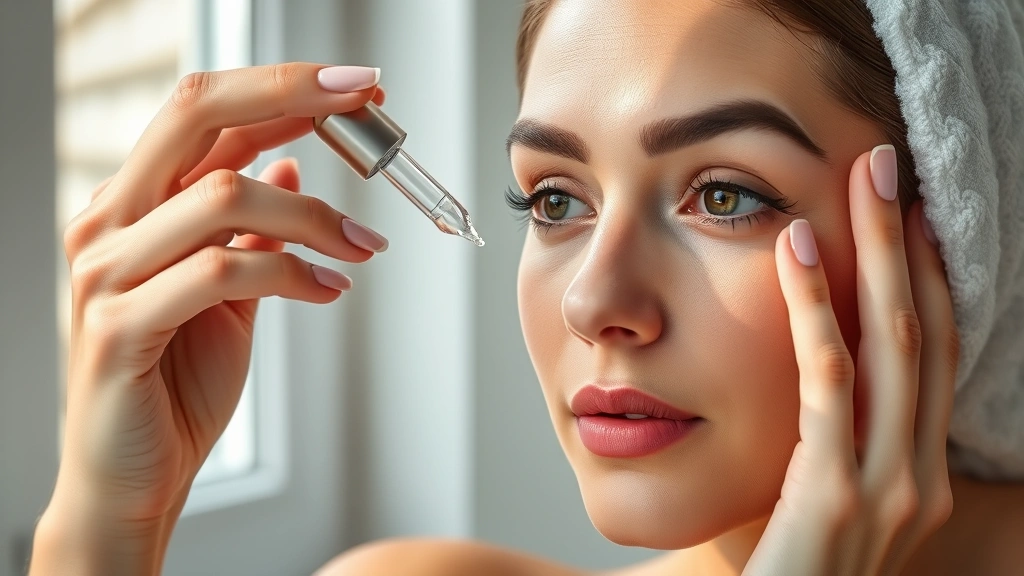
Serums and Concentrates: This category represents some of Christina’s strongest offerings. Their serum lines feature active ingredients like hyaluronic acid serum formulations, vitamin C derivatives, and peptide complexes. These concentrated treatments target specific concerns like hyperpigmentation, loss of elasticity, and dehydration.
Moisturizers: From lightweight hydrating gels to rich nourishing creams, Christina offers moisturizers for every skin type. Their formulations often include ceramides and natural oils that support the skin barrier. The brand distinguishes between day and night moisturizers, with night formulas typically containing richer emollients.
Specialized Treatments: Eye creams, neck serums, and targeted spot treatments round out the collection. These products address delicate areas or specific concerns like fine lines, dark circles, or acne.
Ingredient Analysis and Formulation Quality
Christina Cosmetics demonstrates solid cosmetic chemistry principles in their formulations. The brand consistently includes evidence-backed active ingredients at meaningful concentrations, which distinguishes them from brands that use ingredient names primarily for marketing.
Hyaluronic Acid: Present in many hydrating products, Christina uses hyaluronic acid at concentrations typically between 0.5-2%. At these levels, the ingredient effectively binds moisture to skin, plumping fine lines and improving hydration. The molecular weight matters—Christina often includes both high and low molecular weight forms for multi-level hydration.
Peptides and Amino Acids: Several Christina formulations incorporate peptide complexes designed to support collagen production and improve skin firmness. Peptides like palmitoyl pentapeptide-4 and acetyl hexapeptide-8 have research supporting their efficacy for reducing fine lines when used consistently.
Antioxidants: The brand regularly includes vitamins C, E, and ferulic acid combinations. These antioxidant complexes protect against free radical damage and support skin resilience. Vitamin C in stabilized forms like ascorbic acid or derivatives helps with brightness and collagen synthesis.
Natural Extracts: Christina incorporates botanical ingredients including rose hip, sea buckthorn, and green tea. While these provide antioxidant and soothing benefits, they’re typically secondary to active ingredients rather than primary treatment agents. This balanced approach avoids over-reliance on botanical claims.
Preservative Systems: The brand uses appropriate preservation methods to maintain product stability. Most formulations include paraben and phenoxyethanol systems or natural alternatives like sodium benzoate. The concentrations are within safe regulatory limits established by FDA cosmetics regulations.
pH Balance: Christina formulations typically maintain appropriate pH levels for their intended use. Cleansers are slightly acidic (pH 5.5-6.5) to maintain skin’s natural acid mantle, while treatments vary based on active ingredients. This attention to pH demonstrates cosmetic chemistry sophistication.
Popular Products Worth Trying
Gentle Cleansing Milk: This foundational cleanser effectively removes makeup and impurities while maintaining skin hydration. The creamy formula suits dry to sensitive skin types. It typically contains emollients like jojoba oil and botanical extracts that prevent the tight feeling some cleansers cause.
Hydrating Toner: A lightweight toner that prepares skin for subsequent products. It contains glycerin and botanical extracts that enhance hydration without heaviness. Using this as part of your skincare routine for glowing skin can improve product absorption and skin texture.
Hyaluronic Acid Serum: One of Christina’s standout products, this serum combines hyaluronic acid with peptides for maximum hydration and firmness. The lightweight texture absorbs quickly, making it suitable for layering with other products. It’s particularly effective for dehydrated or aging skin.
Vitamin C Serum: This treatment features a stabilized vitamin C derivative that brightens dull skin and supports collagen production. The formula includes ferulic acid and vitamin E for enhanced antioxidant protection. Results typically include improved radiance within 2-4 weeks of consistent use.
Advanced Eye Cream: Formulated specifically for the delicate eye area, this cream addresses fine lines, dark circles, and puffiness. It contains peptides, caffeine, and botanical extracts. The rich texture provides nourishment without migrating into eyes.
Night Recovery Cream: A luxurious nighttime moisturizer designed to support skin renewal during sleep. It contains ceramides, hyaluronic acid, and nourishing oils that strengthen the skin barrier. The heavier formulation is ideal for dry skin types.
Price Point and Value Assessment
Christina Cosmetics occupies the mid-range to premium segment, with most products priced between $35-$85. This positions them above drugstore brands but below luxury alternatives. When evaluating value, several factors emerge:
Cost Per Use: Most Christina products have a shelf life of 6-12 months with regular use. A $60 serum used daily for 6 months costs roughly $0.33 per application—reasonable for professional-grade skincare. Compare this to luxury brands charging $100+ for similar formulations, and Christina’s value becomes apparent.
Ingredient Quality vs. Price: The brand delivers meaningful concentrations of active ingredients without the premium pricing of luxury houses. Their hyaluronic acid serums, for instance, contain similar ingredient profiles to products costing twice as much. This represents genuine value rather than paying for packaging or brand prestige.
Professional Endorsement: Estheticians and skincare professionals frequently recommend Christina because of its efficacy and ingredient integrity. When professionals choose a brand for their own practices, that endorsement carries weight regarding actual results.
Comparison to Alternatives: When compared to other affordable cosmetic brands, Christina typically offers more sophisticated formulations. Brands like CeraVe focus on simplicity and barrier repair, while Christina emphasizes active treatment. Your choice depends on whether you prioritize basic hydration or targeted treatment.
The brand occasionally runs promotions and offers professional discounts through estheticians, making products even more accessible. Building a basic routine (cleanser, toner, serum, moisturizer) costs approximately $150-$200, which is reasonable for professional-grade skincare.
Customer Reviews and Real Results
Christina Cosmetics maintains strong customer satisfaction across multiple platforms, with average ratings between 4.2-4.7 out of 5 stars. Analyzing common themes in reviews reveals important insights:
Positive Feedback: Customers consistently praise visible improvements in skin hydration, brightness, and texture within 4-6 weeks of use. Those with dehydrated or dull skin report particularly noticeable results. The lightweight texture of serums receives frequent compliments, with users noting quick absorption and no sticky residue. Professional estheticians recommend these products to clients, citing reliable results and ingredient quality.
Concerns and Criticisms: Some users with very sensitive skin report mild irritation from certain formulations, particularly vitamin C serums. This isn’t unusual—vitamin C derivatives can cause sensitivity in some individuals. The brand offers alternative brightening products for sensitive skin. A few customers mention that results plateau after extended use, suggesting the need for occasional product rotation or adjustment. Packaging, while functional, isn’t as luxurious as premium brands—some feel it doesn’t match the price point.
Skin Type-Specific Results: Oily skin users report excellent results with lightweight serums and gel moisturizers, noting reduced congestion and balanced oil production. Dry skin users praise the hydrating toners and rich creams, reporting improved comfort and reduced flaking. Combination skin users appreciate the ability to mix and match products from different lines. Sensitive skin users recommend patch testing, particularly with active treatment serums.
Timeline for Results: Most users observe initial hydration improvements within days. Texture and brightness improvements typically emerge within 2-3 weeks. More significant changes like reduced fine lines or improved firmness require 6-8 weeks of consistent use. Patience and proper application technique contribute significantly to results.
Pros and Cons
Advantages:
- Professional-grade formulations with meaningful concentrations of active ingredients
- Comprehensive product lines for different skin types and concerns
- Reasonable pricing for the quality and ingredient profiles offered
- Research-backed ingredients rather than primarily botanical marketing claims
- Good tolerability for most skin types when used appropriately
- Professional endorsement from estheticians and skincare specialists
- Established brand with decades of formulation experience
- Visible results reported by majority of users within 4-6 weeks
Disadvantages:
- Potential for sensitivity in certain formulations, especially vitamin C serums
- Premium packaging not always reflective of price point for some customers
- Limited availability in some regions, primarily through professional channels
- Results plateau for some users after extended use, requiring rotation
- Not specifically formulated for certain concerns like severe acne or rosacea
- Requires commitment to a complete routine for optimal results
- Some ingredients may not suit extremely sensitive or compromised skin barriers
Understanding these trade-offs helps you make an informed decision aligned with your specific skincare priorities and budget.
FAQ
Is Christina Cosmetics cruelty-free?
Christina Cosmetics does not claim to be certified cruelty-free, though they do not conduct animal testing for finished products. However, some ingredient suppliers may have involved animal testing. If cruelty-free certification is essential for you, verify current status directly with the brand before purchasing.
Can I use Christina Cosmetics if I have sensitive skin?
Christina offers lines specifically formulated for sensitive skin with gentle surfactants and soothing botanical extracts. However, always patch test new products, especially active treatment serums. If you have conditions like rosacea or eczema, consult a dermatologist before introducing new products. Our guide on how to treat skin infections provides additional context for compromised skin conditions.
How long does it take to see results from Christina Cosmetics?
Initial hydration improvements appear within days. Visible changes in skin texture and brightness typically emerge within 2-3 weeks. More significant improvements like reduced fine lines or improved firmness require 6-8 weeks of consistent daily use. Results depend on starting skin condition, age, and product selection.
Can I layer multiple Christina Cosmetics serums?
Yes, layering is effective when done properly. Apply products from thinnest to thickest consistency: water-based serums first, then oil-based treatments, then moisturizer. Allow 1-2 minutes between applications for absorption. Avoid combining ingredients that may interact negatively—consult product recommendations or a skincare professional for specific combinations.
What’s the difference between Christina day and night products?
Day products typically feature lightweight textures, SPF in some cases, and antioxidant protection. Night formulations contain richer emollients and higher concentrations of treatment ingredients since skin’s natural repair processes are more active during sleep. Using appropriate formulations for each time optimizes results and comfort.
Are Christina Cosmetics suitable for acne-prone skin?
Christina offers products designed for oily and acne-prone skin, including clarifying cleansers and lightweight serums. However, they’re not specifically formulated as acne treatment products like those containing benzoyl peroxide or salicylic acid. Those with active acne should consult a dermatologist for prescription or clinical-strength solutions.
How should I store Christina Cosmetics products?
Store in a cool, dry place away from direct sunlight. Most formulations maintain stability at room temperature (68-72°F). Avoid extreme heat, which can degrade active ingredients like vitamin C. Keep containers tightly sealed to prevent oxidation and contamination. Refrigerating serums can enhance their efficacy and provide a soothing application experience.
Is Christina Cosmetics worth the investment compared to drugstore brands?
This depends on your skincare goals. Drugstore brands offer basic hydration and cleansing adequately. Christina provides professional-grade active ingredients at meaningful concentrations, making them worthwhile if you’re addressing specific concerns like aging, dullness, or dehydration. For basic skincare needs, drugstore options suffice. For targeted treatment, Christina offers better value than luxury brands at similar price points.