Cosmetic Chemist Careers: Expert Insights and Industry Opportunities
The cosmetic chemistry field represents one of the most dynamic and rewarding careers in the beauty and personal care industry. As consumer demand for innovative skincare, makeup, and haircare products continues to surge, cosmetic chemists have become indispensable to product development, formulation, and quality assurance. Whether you’re passionate about creating the next breakthrough serum or developing sustainable beauty solutions, understanding the landscape of cosmetic chemist jobs can help you navigate this exciting career path.
Cosmetic chemists are the creative scientists behind every foundation shade, anti-aging formula, and luxury skincare line you see on shelves. They combine deep knowledge of chemistry, dermatology, and consumer trends to develop products that are both effective and safe. From formulating products for premium cosmetics brands to working with accessible drugstore formulations, these professionals shape the beauty industry in profound ways.
This comprehensive guide explores the multifaceted world of cosmetic chemistry careers, including educational pathways, job responsibilities, salary expectations, and the future outlook for professionals in this field.
What Do Cosmetic Chemists Do?
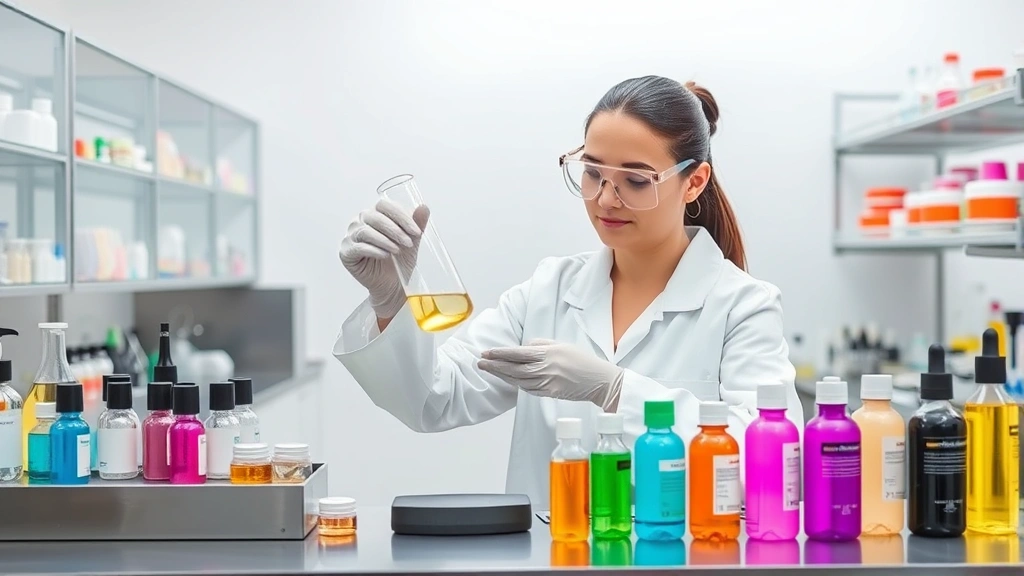
Cosmetic chemists are specialized scientists who develop, test, and optimize formulations for beauty and personal care products. Their work spans the entire product lifecycle, from initial concept through manufacturing and shelf stability. These professionals understand the chemistry of ingredients—from humectants that hydrate skin to emulsifiers that create stable textures—and how they interact to deliver desired results.
The primary responsibilities of cosmetic chemists include formulation development, stability testing, quality control, regulatory compliance, and innovation research. They work with raw materials, understand the science behind skincare ingredients, and ensure products meet safety standards established by regulatory bodies like the FDA and international authorities. Whether developing a new moisturizer or improving the texture of an existing foundation, cosmetic chemists blend scientific expertise with creative problem-solving.
Many cosmetic chemists also conduct research into emerging ingredients and technologies, staying at the forefront of beauty science. This might involve exploring natural alternatives, sustainable packaging solutions, or novel delivery systems that enhance product efficacy. Their work directly influences whether products can claim specific benefits and how they’ll perform in real-world conditions.
Educational Requirements and Qualifications
Pursuing a career in cosmetic chemistry typically requires a strong foundation in science education. Most positions require at least a bachelor’s degree in chemistry, organic chemistry, chemical engineering, or pharmaceutical chemistry. Some professionals enter the field with degrees in biochemistry, materials science, or cosmetic science.
Relevant coursework should include organic chemistry, analytical chemistry, physical chemistry, biochemistry, and chemical engineering principles. Understanding how different ingredients behave at the molecular level is crucial for developing effective formulations. Many universities now offer specialized degree programs in cosmetic science, which provide targeted education in product development, stability testing, and regulatory requirements.
A master’s degree or Ph.D. in chemistry or cosmetic science can significantly enhance career prospects, particularly for research-focused positions or leadership roles. Advanced degrees demonstrate deeper expertise in formulation science and may lead to higher salaries and more specialized opportunities. Professional certifications from organizations like the Society of Cosmetic Chemists also strengthen credentials and professional standing.
Beyond formal education, successful cosmetic chemists develop practical experience through internships, entry-level positions, and continuous professional development. Hands-on laboratory experience with formulation, testing equipment, and quality control procedures is invaluable when entering the field.
Types of Cosmetic Chemist Jobs
The cosmetic chemistry field encompasses diverse job roles, each requiring specific expertise and offering unique career trajectories. Understanding these different positions helps aspiring chemists identify the best fit for their interests and skills.
Product Development Chemists focus on creating new formulations and improving existing products. They work closely with marketing teams to understand consumer needs and develop products that deliver on brand promises. This role involves extensive laboratory work, experimentation, and optimization of ingredient combinations.
Formulation Chemists specialize in the art and science of combining raw materials to achieve desired product characteristics. They adjust ingredient percentages, select appropriate emulsifiers, and ensure stability across various conditions. Many formulation chemists work with luxury brands like premium natural cosmetics companies that emphasize clean ingredient profiles.
Quality Assurance Chemists ensure products meet safety, efficacy, and performance standards. They develop testing protocols, conduct stability studies, and verify that batches meet specifications. This role is critical for regulatory compliance and consumer safety.
Analytical Chemists use sophisticated laboratory techniques to analyze product composition, identify impurities, and verify ingredient concentrations. They operate advanced instruments like HPLC and mass spectrometers to ensure product quality and consistency.
Regulatory Affairs Specialists navigate the complex landscape of cosmetic regulations across different markets. They ensure formulations comply with FDA guidelines, EU regulations, and other international standards. This role bridges chemistry and compliance expertise.
Research and Development Chemists explore innovative ingredients, technologies, and delivery systems. They might investigate novel botanical extracts, develop new preservation systems, or create advanced emulsion technologies that improve product performance.
Industry Sectors and Employers
Cosmetic chemist jobs exist across multiple industry sectors, each offering distinct advantages and work environments. Major employers include large multinational corporations, mid-sized beauty companies, boutique brands, and contract manufacturing organizations.
Large Multinational Companies like Estée Lauder, L’Oréal, Procter & Gamble, and Unilever employ hundreds of cosmetic chemists across research, development, and quality functions. These organizations offer extensive resources, advanced laboratory facilities, and opportunities to work on globally recognized brands. Career advancement potential is typically strong, though competition for positions can be intense.
Mid-Sized Beauty Brands provide more intimate work environments where chemists often have greater autonomy and visibility. Companies in this category might focus on specific market segments like skincare, color cosmetics, or haircare, allowing chemists to develop deep expertise in their chosen area.
Indie and Clean Beauty Brands have expanded significantly, creating new opportunities for chemists passionate about natural ingredients and sustainable formulations. These companies often prioritize ingredient transparency and efficacy, offering intellectually stimulating challenges around clean chemistry formulation.
Contract Manufacturing Organizations (CMOs) work with multiple brands to develop and produce cosmetic products. Chemists in these environments work on diverse projects and gain broad experience across different product categories and brand requirements.
Raw Material Suppliers and ingredient manufacturers employ chemists to develop new actives, improve existing ingredients, and support customer formulation needs. This sector offers opportunities to influence product development across the entire industry.
Academic and Research Institutions employ cosmetic chemists focused on advancing beauty science through fundamental research. These positions appeal to those interested in teaching, publishing, and contributing to the broader scientific community.
Salary and Compensation
Compensation for cosmetic chemist jobs varies significantly based on education, experience, location, and employer size. Entry-level positions typically offer salaries ranging from $45,000 to $60,000 annually for bachelor’s degree holders. With a master’s degree, starting salaries often reach $55,000 to $70,000.
Mid-career cosmetic chemists with 5-10 years of experience typically earn between $70,000 and $100,000 annually. Senior chemists and those in leadership positions, such as Principal Scientists or Research Directors, can earn $110,000 to $180,000 or more, depending on the organization and their specific expertise.
Geographic location significantly impacts salary ranges. Chemists working in major metropolitan areas like New York, Los Angeles, and Chicago typically earn 15-25% more than those in smaller markets. International positions, particularly in Europe and Asia-Pacific regions, may offer competitive salaries with additional benefits like relocation assistance.
Beyond base salary, many employers offer comprehensive benefits packages including health insurance, retirement plans, stock options, and performance bonuses. Larger corporations frequently provide professional development budgets, conference attendance opportunities, and tuition reimbursement for advanced degrees. Some organizations offer additional perks like flexible work arrangements, wellness programs, and product discounts.
Skills and Competencies Required
Success as a cosmetic chemist requires a blend of technical expertise, soft skills, and industry-specific knowledge. Technical competencies include deep understanding of organic and analytical chemistry, formulation science, stability testing methodologies, and quality control procedures. Proficiency with laboratory instruments, data analysis software, and regulatory documentation is essential.
Understanding skin biology and dermatological principles strengthens a chemist’s ability to develop effective skincare products. Knowledge of how ingredients interact with skin, the importance of pH balance, and the role of preservatives in maintaining product safety directly impacts product efficacy. This understanding helps when developing products for specific skin types, such as combination skin formulations.
Soft skills are equally important in modern cosmetic chemistry roles. Communication skills enable chemists to explain complex formulation challenges to non-scientific colleagues in marketing and sales. Collaboration abilities are crucial when working with cross-functional teams to bring products from concept to market. Problem-solving skills help navigate the inevitable challenges of formulation development and scale-up.
Project management capabilities allow senior chemists to oversee multiple product development initiatives simultaneously. Attention to detail is critical for maintaining accurate records, ensuring reproducibility, and catching potential safety issues. Creativity and innovation drive the development of novel products that stand out in competitive markets.
Regulatory knowledge is increasingly valuable, particularly understanding FDA regulations, EU cosmetic directives, and claim substantiation requirements. Many employers value chemists who understand sustainability principles and can develop environmentally responsible formulations. Technical writing skills support patent development, regulatory submissions, and scientific publications.
Career Advancement Opportunities
Cosmetic chemist jobs offer diverse pathways for professional growth and advancement. Early-career chemists typically begin in individual contributor roles, focusing on specific projects or product categories. With experience and demonstrated expertise, advancement opportunities expand significantly.
Technical Track Advancement allows chemists to progress from Senior Chemist to Principal Scientist, Research Fellow, or Distinguished Scientist positions. These roles emphasize technical depth, innovation, and mentorship of junior chemists. This path appeals to those passionate about advancing beauty science and contributing to fundamental research.
Management Track Advancement leads to positions like Team Lead, Senior Manager, and Director of Research and Development. Managers oversee chemist teams, allocate resources, and drive strategic initiatives. This path suits those interested in leadership, team development, and organizational impact.
Specialized Career Paths emerge as chemists develop expertise in specific areas. Some become regulatory specialists, navigating complex compliance landscapes. Others focus on sustainability, developing eco-friendly formulations and packaging solutions. Some transition into business development, supporting sales teams with technical expertise and customer relationships.
Consulting and Entrepreneurship represent alternative career paths for experienced chemists. Many establish independent consulting practices, advising brands on formulation challenges. Others launch their own beauty brands, applying their chemistry expertise to create innovative products. This path offers autonomy and creative freedom but requires business acumen and market understanding.
Academic and Publishing Opportunities allow chemists to contribute to scientific literature and mentor the next generation of professionals. Presenting at industry conferences, publishing in peer-reviewed journals, and teaching university courses enhance professional reputation and open doors to leadership positions.
Industry Trends Shaping the Field
The cosmetic chemistry field is evolving rapidly, with several significant trends influencing job opportunities and career requirements. Understanding these trends helps professionals stay competitive and anticipate future skill needs.
Clean Beauty and Natural Ingredients continue to drive innovation in cosmetic chemistry. Consumers increasingly demand products with transparent ingredient lists and natural or naturally-derived components. Chemists developing expertise in natural actives, botanical extracts, and clean formulation techniques are highly valued. This trend creates opportunities across indie brands, established companies launching natural lines, and ingredient suppliers developing plant-based alternatives.
Personalized and Customized Products represent a growing market segment. Advances in technology enable brands to create products tailored to individual skin profiles. Cosmetic chemists developing formulations that can be customized or personalized are at the forefront of innovation. This trend requires understanding consumer genetics, skin microbiomes, and advanced delivery technologies.
Sustainability and Circular Economy Principles are reshaping how chemists approach product development. Beyond formulation, chemists now consider ingredient sourcing, manufacturing processes, packaging materials, and product lifecycle impacts. Expertise in sustainable chemistry, biodegradable formulations, and zero-waste manufacturing processes is increasingly valuable.
Advanced Delivery Systems enhance product efficacy and market differentiation. Technologies like liposomes, nanoparticles, encapsulation, and microencapsulation allow active ingredients to penetrate skin more effectively. Chemists developing proficiency in these technologies position themselves for high-demand roles. Understanding how to improve ingredient delivery also applies to specialized treatments like facial steaming formulations that enhance absorption.
Digital and AI Integration is transforming cosmetic chemistry workflows. Machine learning algorithms predict formulation performance, optimize ingredient combinations, and accelerate product development timelines. Chemists with data science skills or willingness to learn computational chemistry tools gain competitive advantages.
Inclusivity and Diverse Skin Tones drive product development initiatives across the industry. Developing foundations, concealers, and color cosmetics that work for all skin tones requires specialized formulation knowledge. Companies prioritizing inclusive product ranges actively seek chemists committed to this mission. Understanding how to formulate products for different skin types and conditions, including sensitive and irritated skin, is increasingly important.
Clinical Efficacy and Substantiation become more rigorous as regulatory bodies and consumers demand proof of product claims. Chemists understanding clinical testing, bioanalytical methods, and efficacy substantiation are invaluable. This trend creates opportunities for cosmetic chemists in research institutions and testing laboratories.
Multifunctional Products combine skincare and makeup benefits, requiring chemists to solve complex formulation challenges. Creating products that hydrate, protect, treat, and beautify simultaneously demands sophisticated chemistry knowledge and creative problem-solving.
FAQ
What is the job outlook for cosmetic chemist positions?
The cosmetic chemistry field shows strong growth prospects, with the U.S. Bureau of Labor Statistics projecting steady demand for chemists across all sectors through 2032. The beauty industry’s continued expansion, driven by emerging markets, product innovation, and consumer demand for new formulations, supports positive job growth. Clean beauty trends, personalization, and sustainability initiatives create additional opportunities for specialized chemists.
Do cosmetic chemists need licensing or certification?
While cosmetic chemists don’t require state licensing like some professions, professional certification strengthens credentials and career prospects. The Society of Cosmetic Chemists offers certifications recognizing professional competency. Many employers value candidates with relevant certifications, and some positions prefer or require them. Professional development through industry associations enhances credibility and networking opportunities.
Can cosmetic chemists transition to pharmaceutical or other chemistry fields?
Yes, cosmetic chemistry skills transfer well to pharmaceutical, food science, and materials science fields. The formulation expertise, analytical skills, and regulatory knowledge developed in cosmetic chemistry apply across industries. Many chemists transition between fields throughout their careers, leveraging their technical foundation while learning industry-specific requirements.
What are the biggest challenges in cosmetic chemistry careers?
Common challenges include managing competing priorities between innovation and cost-effectiveness, navigating complex global regulations, and keeping pace with rapidly evolving consumer preferences. Formulation challenges like achieving stability with natural ingredients, scaling up laboratory formulations to commercial production, and substantiating product claims also present significant obstacles. Despite these challenges, problem-solving opportunities make the field intellectually rewarding.
How important is international experience in cosmetic chemistry?
International experience is increasingly valuable as beauty companies operate globally and face different regulatory requirements across markets. Understanding EU regulations, Asian market preferences, and emerging market opportunities enhances career prospects. Many larger companies value chemists with international experience or multilingual capabilities. However, strong technical skills and innovation focus remain paramount regardless of geographic scope.
What professional organizations should cosmetic chemists join?
The Society of Cosmetic Chemists is the primary professional organization, offering conferences, publications, and networking opportunities. The American Oil Chemists’ Society serves professionals working with lipids and natural products. The Scientific Committee on Consumer Safety provides regulatory resources. Membership in these organizations enhances professional development, networking, and industry engagement.