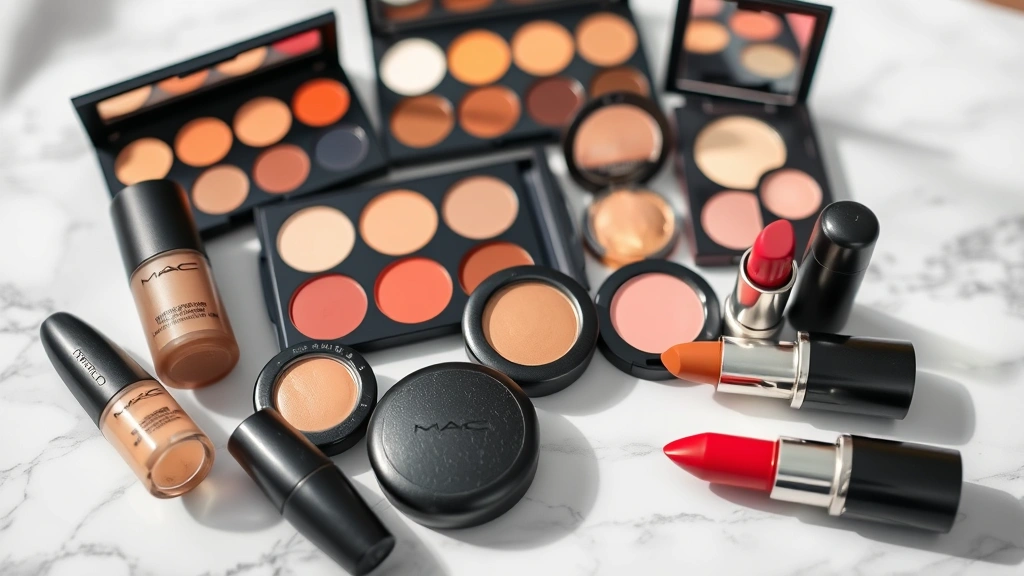
The cosmetic chemistry field represents one of the most dynamic and lucrative careers in the beauty and personal care industry. As consumer demand for innovative skincare formulations, makeup products, and haircare solutions continues to surge, cosmetic chemists have become invaluable assets to companies worldwide. Understanding cosmetic chemist salary trends, career progression, and industry factors that influence compensation is essential for professionals considering or advancing in this specialized field.
Cosmetic chemists are responsible for developing, formulating, and testing beauty products that meet both regulatory standards and consumer expectations. From creating stable emulsions that deliver ingredients like retinol and hyaluronic acid to ensuring products remain shelf-stable and effective, these professionals blend scientific expertise with creative problem-solving. The compensation packages they receive reflect the critical nature of their work and the specialized knowledge required.
Average Cosmetic Chemist Salary in 2023
In 2023, the average cosmetic chemist salary in the United States ranges from $55,000 to $85,000 annually for mid-level positions, with experienced professionals earning significantly more. Entry-level cosmetic chemists typically start between $45,000 and $60,000, while senior chemists and research directors can command salaries exceeding $120,000 per year. These figures represent a notable increase from previous years, reflecting the growing importance of product innovation in the beauty industry.
The Bureau of Labor Statistics and industry reports indicate that cosmetic chemists fall under the broader category of chemical engineers and materials scientists, though their specialized focus on beauty and personal care products distinguishes them within the field. The median salary for chemical engineers overall hovers around $108,000, but cosmetic chemistry positions often offer slightly lower base salaries offset by strong benefits packages and performance bonuses.
Regional variations significantly impact these figures. Cosmetic chemists working in major beauty hubs like New York, Los Angeles, and Chicago typically earn 15-25% more than their counterparts in smaller markets. International opportunities, particularly in Europe and Asia-Pacific regions, present additional earning potential for experienced professionals.
Factors Influencing Compensation
Several key factors determine where a cosmetic chemist falls within the salary spectrum. Education level is paramount—professionals with advanced degrees (Master’s or PhD in Chemistry, Chemical Engineering, or related fields) command higher salaries than those with bachelor’s degrees. A PhD holder can expect to earn 15-20% more than a bachelor’s degree holder in comparable positions.
Experience and expertise directly correlate with earning potential. Chemists specializing in challenging formulation areas—such as creating stable retinol and hyaluronic acid formulations or developing novel delivery systems—often earn premium salaries. Expertise in regulatory compliance, sustainability, and natural ingredients also increases market value.
The company size and type significantly influences compensation packages. Large multinational corporations like Estée Lauder, L’Oréal, and Procter & Gamble typically offer higher salaries and more comprehensive benefits than smaller indie beauty brands. However, smaller companies may offer equity stakes or performance bonuses that can substantially increase total compensation. Luxury brands generally pay more than mass-market companies.
Product category focus affects salary levels. Cosmetic chemists working on premium skincare formulations, particularly those involving active ingredients, tend to earn more than those in color cosmetics or basic personal care. Specialists in facial toner formulation or innovative serum development are particularly valued.
Certifications and professional affiliations also enhance earning potential. Membership in organizations like the Society of Cosmetic Chemists and holding relevant certifications demonstrates commitment to the field and can justify higher compensation requests.
Entry-Level vs. Senior Positions
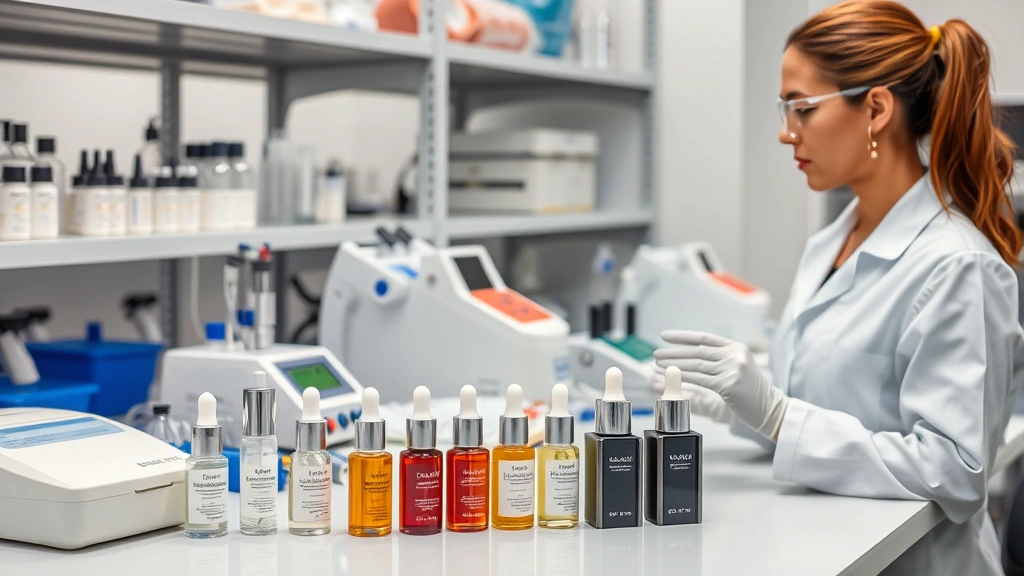
Entry-level cosmetic chemists, typically those within their first 2-3 years post-graduation, earn between $45,000 and $60,000 annually. These positions often involve assisting senior chemists with formulation development, conducting stability testing, and learning regulatory requirements. The role serves as an apprenticeship in practical cosmetic chemistry application.
Mid-level chemists with 3-7 years of experience earn $60,000 to $85,000 and take on more independent responsibilities. They lead formulation projects, mentor junior staff, and may specialize in specific product categories. This tier represents the largest segment of the cosmetic chemistry workforce.
Senior chemists and research scientists with 7-15 years of experience command salaries between $85,000 and $120,000. These professionals develop innovation strategies, manage research teams, and contribute to long-term product development roadmaps. They often hold advanced degrees and extensive publication records.
Principal chemists, research directors, and heads of R&D departments with 15+ years of experience earn $120,000 to $200,000+. These leadership positions require not only deep technical expertise but also business acumen, team management skills, and strategic vision. Many at this level have PhD credentials and significant industry recognition.
Geographic Salary Variations
Geographic location remains one of the most significant salary determinants. New York, home to major cosmetic companies and beauty brands, offers some of the highest salaries, with mid-level chemists earning $70,000-$95,000. Los Angeles, center of the beauty and entertainment industry, provides comparable compensation, particularly for specialists in premium skincare and color cosmetics.
Chicago, with substantial pharmaceutical and cosmetic manufacturing operations, offers mid-range salaries of $60,000-$80,000. San Francisco and Silicon Valley present interesting opportunities in tech-forward beauty companies, with competitive salaries ranging from $65,000-$90,000, often supplemented by stock options.
Secondary markets like Dallas, Atlanta, and Denver offer lower salaries ($50,000-$70,000) but reduced cost of living. Midwest manufacturing hubs provide stable employment with moderate compensation levels.
International opportunities significantly impact earning potential. Europe, particularly Switzerland, France, and Germany, offers cosmetic chemistry positions with competitive salaries and excellent benefits. Asia-Pacific regions, especially Singapore and South Korea, present high-paying opportunities for experienced chemists, with some positions offering 20-30% premiums over U.S. salaries plus relocation packages.
Career Growth and Earning Potential
The beauty and personal care industry demonstrates robust growth projections, directly supporting increased earning potential for cosmetic chemists. Market demand for innovative formulations—particularly in areas like sustainable skincare routines and clean beauty—creates opportunities for specialists to command premium compensation.
Career progression typically follows this trajectory: Junior Chemist ($45-60K) → Chemist ($60-85K) → Senior Chemist ($85-120K) → Principal Scientist ($120-160K) → Research Director/VP of R&D ($160K+). Each advancement usually requires 3-5 years of experience, additional certifications, or advanced degrees.
Lateral moves across companies often yield salary increases of 10-20%. Professionals who develop expertise in emerging areas—such as microbiome-friendly formulations, personalized beauty chemistry, or sustainable ingredient sourcing—can negotiate significantly higher compensation.
Entrepreneurial chemists launching indie beauty brands or consulting firms report diverse financial outcomes. While initial earnings may be lower, successful ventures can generate substantial revenue. Many experienced cosmetic chemists transition to consulting roles, earning $150-$300+ per hour.
Benefits and Additional Compensation
Base salary represents only part of total compensation packages. Most cosmetic chemistry positions include comprehensive benefits that substantially increase earning value. Health insurance (medical, dental, vision) is standard, with many companies covering 80-90% of premiums.
Retirement benefits typically include 401(k) matching (3-6% of salary) or defined benefit pension plans. Large corporations often provide profit-sharing arrangements where chemists receive bonuses based on company performance and product success.
Performance bonuses represent significant compensation components, ranging from 10-25% of base salary for successful innovation outcomes. Chemists whose formulations become bestselling products may receive substantial bonuses or royalty-like arrangements.
Stock options and equity are common in larger companies, providing long-term wealth accumulation opportunities. Startup beauty companies often offer equity packages that can become valuable if the company achieves successful exit or IPO.
Professional development benefits include conference attendance, continuing education funding, and certification support. Companies typically allocate $2,000-$5,000 annually per employee for professional development.
Flexible work arrangements have become increasingly common, with many companies offering remote work options, flexible schedules, and unlimited PTO. These benefits have increased in value post-2020.
Additional perks often include employee product discounts (20-50%), gym memberships, wellness programs, and parental leave. Some premium companies offer sabbaticals, travel allowances, and relocation packages.
Industry Comparison
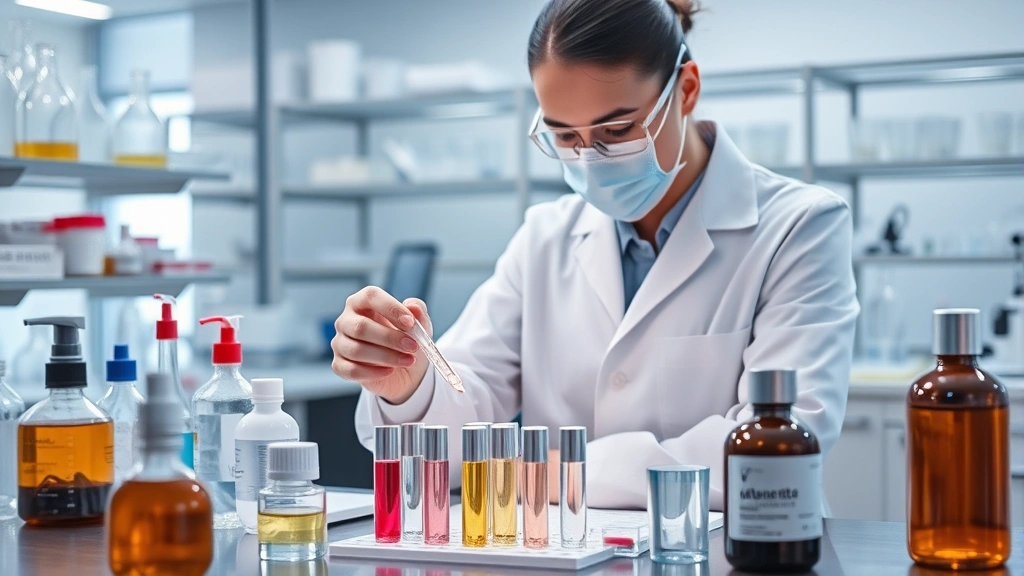
Compared to other chemistry-related fields, cosmetic chemistry offers competitive compensation. Pharmaceutical chemists typically earn 10-15% more ($60,000-$95,000 entry-level), reflecting the higher regulatory stakes and development timelines. However, pharmaceutical roles often involve less creative formulation work and more standardized processes.
Food science chemists generally earn slightly less ($50,000-$75,000 mid-level) than cosmetic chemists, despite similar educational requirements. The beauty industry’s premium positioning and consumer spending levels support higher salaries.
Materials scientists in industrial applications earn comparable salaries ($55,000-$85,000 mid-level) but often face more limited career advancement opportunities outside specialized sectors.
Quality assurance chemists in beauty companies typically earn 10-20% less than formulation chemists, reflecting the different skill sets and responsibilities. However, QA roles offer more predictable career paths and less pressure.
The cosmetic chemistry field offers superior earning potential compared to academic research positions, where assistant professors might earn $50,000-$70,000 with limited industry-level benefits. Industry positions provide significantly better compensation and work-life balance.
Compared to skincare specialists and estheticians who earn $30,000-$50,000, cosmetic chemists command substantially higher compensation, reflecting the advanced education and specialized expertise required.
FAQ
What degree do I need to become a cosmetic chemist?
A bachelor’s degree in chemistry, chemical engineering, or a related field is the minimum requirement. Many employers prefer or require a Master’s degree, and senior positions increasingly demand PhD credentials. Specialized coursework in cosmetic science, organic chemistry, and analytical chemistry strengthens candidacy.
Does the cosmetic chemist salary increase with experience?
Yes, significantly. Salary increases average 3-5% annually through promotions and experience. A chemist earning $50,000 as an entry-level professional can realistically expect to earn $100,000+ within 10-12 years, assuming consistent performance and strategic career moves.
Are cosmetic chemists in high demand?
Absolutely. The beauty industry experiences consistent growth, with particular demand for specialists in sustainable formulations, active ingredient delivery systems, and personalized beauty chemistry. This strong demand supports competitive salaries and multiple job opportunities.
Can cosmetic chemists earn more through freelancing or consulting?
Yes. Experienced cosmetic chemists can earn $150-$300+ per hour through consulting work, formulation development for indie brands, or expert testimony. Many successful consultants earn $100,000-$200,000+ annually, though income varies based on project availability.
How do cosmetic chemist salaries compare internationally?
European countries typically offer salaries comparable to or slightly higher than the U.S., with better benefits and work-life balance. Asian markets (Singapore, South Korea, Japan) often provide salary premiums of 20-30% for experienced chemists, plus relocation packages.
What certifications increase cosmetic chemist salary?
Certification from the Society of Cosmetic Chemists, advanced degree credentials, and specialized certifications in regulatory compliance or sustainable chemistry can justify 10-15% salary increases or premium consulting rates.
Do cosmetic chemists working on skincare earn more than those in color cosmetics?
Generally yes. Skincare specialists, particularly those formulating active ingredient formulations or premium serums, earn 5-15% more than color cosmetics chemists. The complexity of stability and efficacy testing in skincare commands higher compensation.
What is the job outlook for cosmetic chemists?
The Bureau of Labor Statistics projects steady growth in chemistry-related positions. The beauty industry specifically demonstrates 4-6% annual growth, supporting increased demand for qualified cosmetic chemists. Specialization in emerging areas like clean beauty and sustainability enhances job security and earning potential.
Can a cosmetic chemist transition to other chemistry fields?
Yes, cosmetic chemistry skills transfer well to pharmaceutical, food science, and materials science roles. However, such transitions may initially result in lateral salary moves rather than increases, as new field expertise must be developed.