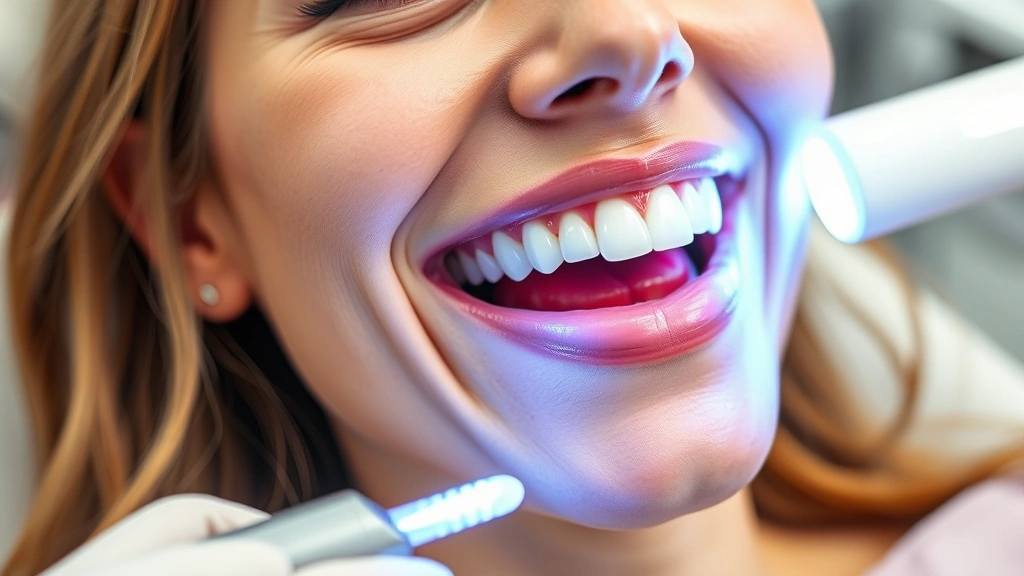
Cosmetic Dentistry Cost? Expert Breakdown of Procedures, Pricing & Investment
A radiant smile is often the first thing people notice about you—and maintaining it goes beyond just brushing your teeth twice daily. While proper skincare routines for glowing skin enhance your complexion, cosmetic dentistry plays an equally vital role in creating that confident, polished appearance. Whether you’re considering teeth whitening, veneers, implants, or orthodontic treatments, understanding cosmetic dentistry costs is essential for making informed decisions about your smile investment.
The financial aspect of cosmetic dental procedures often feels mysterious to patients. Unlike preventive dentistry covered by insurance, cosmetic treatments typically require out-of-pocket spending. This comprehensive guide breaks down pricing structures, factors affecting costs, and what you can realistically expect to invest in achieving your dream smile. Just as you would research skincare ingredients before committing to a regimen, understanding dental procedure costs helps you budget effectively and choose treatments that align with your aesthetic goals and financial situation.
Teeth Whitening Costs: Professional vs. At-Home Solutions
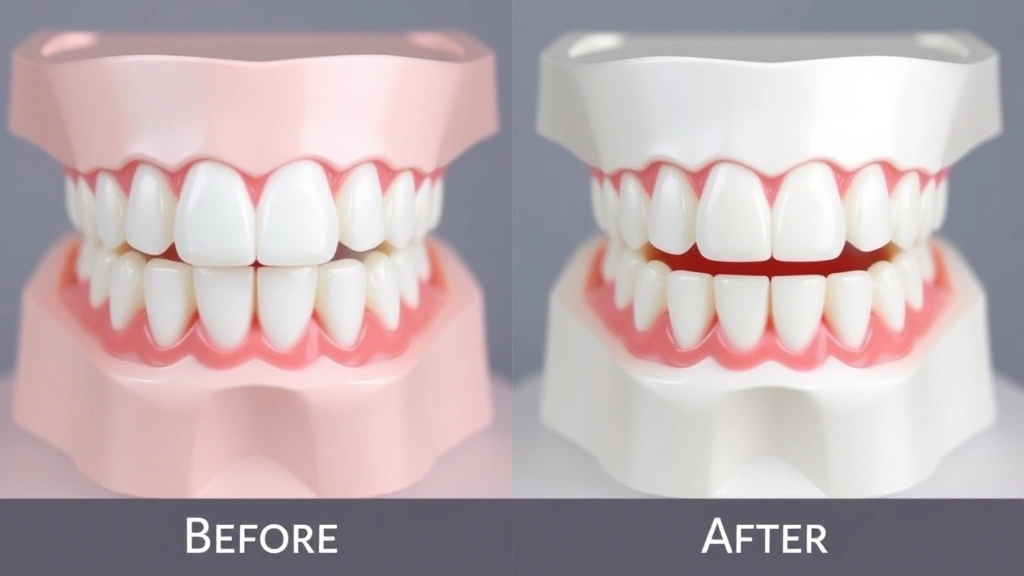
Professional teeth whitening remains one of the most affordable cosmetic dental procedures available, with costs ranging from $300 to $1,000 depending on the method and provider location. In-office whitening treatments, performed by dentists using high-concentration bleaching agents, typically cost $400 to $900 per session and produce results visible within 30 to 60 minutes. These professional-grade treatments deliver faster, more dramatic results than over-the-counter alternatives.
Take-home whitening trays prescribed by your dentist fall between $100 to $600 and allow you to whiten teeth gradually over two to four weeks. Your dentist custom-molds these trays to fit your teeth perfectly, ensuring even bleaching and minimizing gum irritation. This method offers excellent results with flexibility, as you control application frequency and duration.
Over-the-counter whitening strips, gels, and toothpastes cost $20 to $100 but deliver modest results compared to professional treatments. While budget-friendly, these products contain lower peroxide concentrations and may cause sensitivity in some users. For those maintaining results from professional whitening, at-home products serve as excellent maintenance tools between dental visits.
The longevity of whitening results typically spans six months to two years, depending on your diet, smoking habits, and lifestyle factors. Coffee, red wine, and dark-colored foods can stain teeth faster, potentially requiring touch-up treatments sooner. Understanding this timeline helps you budget for ongoing maintenance costs when calculating total investment in your smile’s brightness.
Dental Veneers Pricing: Porcelain, Composite, and Temporary Options
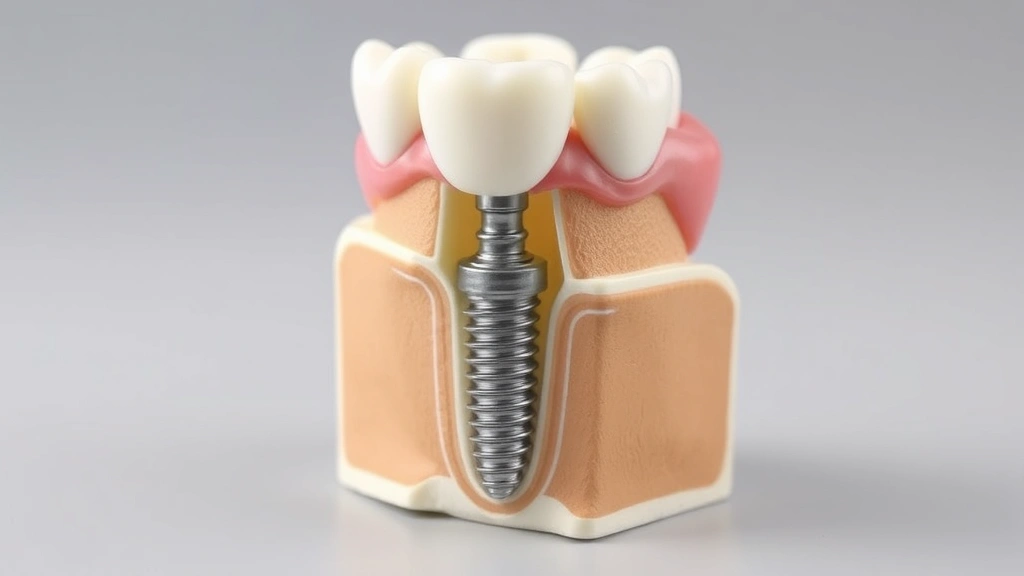
Dental veneers represent a more substantial investment than whitening but deliver transformative results for multiple cosmetic concerns. Porcelain veneers, the premium option, cost between $800 to $2,500 per tooth, with most patients requiring 4 to 10 veneers for optimal smile aesthetics. A complete smile makeover using porcelain veneers can total $5,000 to $20,000 or more, making this a significant financial commitment.
The higher porcelain veneer cost reflects superior durability, natural appearance, and stain resistance. Porcelain mimics tooth enamel’s translucency and light-reflecting properties, creating veneers virtually indistinguishable from natural teeth. These veneers typically last 10 to 15 years with proper care, translating to lower long-term costs compared to composite alternatives.
Composite resin veneers cost significantly less at $250 to $1,500 per tooth, making them accessible for budget-conscious patients. While more affordable, composite veneers stain more easily, require more frequent maintenance, and typically last 5 to 7 years. They’re ideal for patients wanting cosmetic improvements without extensive financial commitment or those testing veneer aesthetics before upgrading to porcelain.
Temporary veneers, sometimes called “smile design” previews, cost $100 to $300 per tooth and help you visualize your final results before permanent placement. This investment allows you to experience your new smile design and make adjustments before committing to permanent veneers, reducing the risk of dissatisfaction with your final outcome.
Like maintaining a skincare routine for sensitive skin, veneer care requires commitment. You’ll need to avoid hard foods, refrain from using teeth as tools, and maintain excellent oral hygiene to protect your investment and ensure longevity.
Dental Implants Investment: Complete Breakdown
Dental implants represent the most expensive cosmetic and restorative dental procedure, with single implants costing $1,500 to $6,000 per tooth. This price includes the surgical implant placement, abutment, and crown. Full-mouth implant reconstruction can exceed $20,000 to $100,000, depending on bone grafting requirements and the number of implants needed.
The implant cost structure breaks down into three components: the surgical implant ($1,000 to $3,000), the abutment connector ($300 to $500), and the crown restoration ($500 to $3,000). Geographic location significantly impacts pricing, with urban areas and regions with higher cost-of-living typically charging more than rural locations.
Bone grafting, often necessary when jaw bone has deteriorated from tooth loss, adds $200 to $3,000 to total implant costs. This preliminary procedure rebuilds bone structure, ensuring sufficient support for implant stability. Without adequate bone density, implants cannot be placed successfully, making grafting an essential investment for many patients.
Despite the substantial upfront cost, dental implants offer exceptional long-term value. They can last 20 to 30 years or even a lifetime with proper maintenance, making them more economical than bridges or dentures requiring regular replacement. Implants also preserve jaw bone structure, preventing the facial collapse and aged appearance associated with prolonged tooth loss.
Financing options make implants more accessible. Many dental offices offer payment plans, dental schools provide reduced-cost implant services under faculty supervision, and dental discount plans can lower costs by 10 to 60 percent depending on your location and provider.
Composite Bonding Expenses: Affordable Cosmetic Solutions
Composite bonding offers a quick, affordable alternative to veneers for correcting minor cosmetic imperfections. Costs range from $100 to $400 per tooth, making it one of the most budget-friendly cosmetic dental procedures available. Most patients can achieve noticeable improvements in a single appointment, with results immediately visible.
This procedure involves applying tooth-colored composite resin directly to your tooth surface, shaping and polishing it to desired specifications. Bonding effectively addresses chips, cracks, gaps, discoloration, and misshapen teeth. The process requires no tooth preparation in many cases, preserving natural tooth structure—an advantage over veneers that require enamel removal.
Bonding results typically last 5 to 10 years before requiring touch-ups or replacement. The material is less durable than porcelain and more susceptible to staining from coffee, tea, and red wine. However, the low cost makes periodic reapplication financially manageable for most patients.
Composite bonding serves as an excellent testing ground for patients considering more extensive cosmetic work. You can assess your comfort with a different smile aesthetic before investing in permanent veneers or other procedures. Many patients begin with bonding to specific teeth, then expand treatment as budget allows.
Orthodontic Treatment Costs: Braces and Aligners
Traditional metal braces cost $3,000 to $7,000 for complete treatment, typically lasting 18 to 36 months. Ceramic braces, which blend with tooth color for a more discreet appearance, cost slightly more at $4,000 to $8,000. Lingual braces, placed on the back of teeth, are most expensive at $8,000 to $10,000 due to increased complexity.
Clear aligner systems like Invisalign range from $3,000 to $8,000, depending on treatment complexity and duration. Many patients prefer aligners for their aesthetic appeal and removability, though they require discipline for consistent wear. Unlike traditional braces, aligners don’t restrict food choices and simplify oral hygiene maintenance.
Treatment length directly impacts final costs, with longer cases requiring more frequent adjustments and additional materials. Complex cases involving severe crowding or bite issues cost more than simple spacing corrections. Your orthodontist provides detailed cost estimates after examining your teeth and treatment needs.
Insurance coverage for orthodontia varies significantly. Some plans cover 50 percent of costs up to a lifetime maximum of $1,500 to $2,000, while others exclude orthodontics entirely. Understanding your coverage helps you budget for out-of-pocket expenses and plan treatment timing strategically.
Just as maintaining natural skincare benefits for your complexion, consistent orthodontic care and retainer wear preserve your smile investment long-term. Retainers cost $200 to $500 and require replacement every 5 to 10 years to maintain alignment.
Factors Affecting Cosmetic Dentistry Costs
Geographic location dramatically influences cosmetic dental pricing. Urban centers and regions with higher cost-of-living typically charge 20 to 40 percent more than rural areas. A porcelain veneer costing $1,200 in a major metropolitan area might cost $800 to $900 in a smaller community.
Dentist experience and credentials significantly impact pricing. Board-certified cosmetic dentists with extensive training and excellent reputations typically charge premium rates. However, this investment often yields superior aesthetic results and better long-term outcomes. Newer dentists or those with less specialization may charge less but might lack the expertise for complex cases.
Treatment complexity determines costs across all procedures. Severe tooth discoloration requires more whitening sessions; extensive smile redesigns need more veneers; multiple missing teeth require more implants. Your dentist assesses complexity during consultation and provides itemized cost breakdowns.
Material quality affects pricing and longevity. Premium porcelain veneers cost more than standard options but offer superior aesthetics and durability. Higher-quality composite resins resist staining better and maintain appearance longer than budget materials. Understanding material differences helps you make informed choices balancing cost and longevity.
Additional procedures influence total costs. Gum contouring ($200 to $1,000) enhances smile aesthetics by reshaping your gum line. Teeth shaping and contouring ($50 to $200 per tooth) corrects minor imperfections. These supplementary treatments, while optional, often optimize results from primary cosmetic procedures.
Insurance Coverage and Payment Options for Cosmetic Dentistry
Most dental insurance plans exclude purely cosmetic procedures, classifying them as elective treatments outside coverage. However, procedures with functional benefits—like implants replacing missing teeth or bonding correcting a chipped tooth affecting function—may receive partial coverage. Always review your specific policy details.
Many dental offices offer in-house payment plans allowing you to spread costs over 12 to 24 months with little or no interest. Some practices partner with third-party financing companies like CareCredit, offering promotional financing periods (often 6 to 24 months interest-free) for qualified patients.
Dental discount plans provide 10 to 60 percent savings on cosmetic procedures for an annual membership fee ($80 to $200). These plans work through networks of participating dentists and don’t involve insurance claims or waiting periods. For patients without insurance, discount plans offer substantial savings on out-of-pocket expenses.
Dental schools provide reduced-cost cosmetic treatments performed by students under faculty supervision. While procedures take longer and require multiple appointments, costs typically run 40 to 60 percent below private practice rates. This option suits budget-conscious patients with flexible schedules.
Health savings accounts (HSAs) and flexible spending accounts (FSAs) allow you to set aside pre-tax dollars for dental care, including some cosmetic procedures. Check your specific plan to determine which treatments qualify, potentially saving 20 to 40 percent on costs through tax advantages.
Combining treatments often provides better value. Whitening before veneer placement ensures optimal shade matching; gum contouring during veneer treatment streamlines appointments; implant placement with bone grafting reduces overall surgical time. Discuss bundled treatment options with your dentist for potential cost savings.
FAQ
How much does a full smile makeover cost?
A comprehensive smile makeover combining multiple procedures typically costs $8,000 to $30,000 or more. This might include whitening ($400-$900), veneers on 6-10 teeth ($4,800-$25,000), gum contouring ($200-$1,000), and bonding on additional teeth ($300-$2,000). Your dentist customizes treatment plans based on your specific goals and budget.
Are cosmetic dental procedures covered by insurance?
Insurance rarely covers purely cosmetic procedures. However, treatments with functional benefits may receive partial coverage. For example, bonding correcting a chipped tooth affecting bite function might be covered, while bonding purely for aesthetics wouldn’t be. Always check your policy details or contact your insurance provider.
What’s the most affordable cosmetic dental procedure?
Composite bonding ($100-$400 per tooth) and professional teeth whitening ($300-$900) represent the most affordable cosmetic dental options. Both procedures deliver visible improvements without significant financial investment and can be completed in one to two appointments.
How long do cosmetic dental results last?
Longevity varies by procedure. Teeth whitening lasts 6 months to 2 years; composite bonding lasts 5-10 years; porcelain veneers last 10-15 years; dental implants can last 20-30 years or longer. Results depend on oral hygiene, lifestyle habits, and material quality.
Can I finance cosmetic dental procedures?
Yes, most dental offices offer payment plans, third-party financing through companies like CareCredit, dental discount plans, or HSA/FSA account usage. Dental schools also provide reduced-cost treatments. These options make cosmetic dentistry more accessible for patients without insurance or limited budgets.
How do I choose between different cosmetic procedures?
Consider your specific concerns, budget, timeline, and desired results. Consult with a cosmetic dentist who can assess your smile and recommend personalized treatment options. Many dentists provide digital smile previews helping you visualize results before committing financially.
Does cosmetic dentistry require special maintenance?
Yes, cosmetic treatments require commitment to oral hygiene and lifestyle modifications. Avoid staining foods and beverages, refrain from using teeth as tools, maintain regular dental visits, and follow your dentist’s care instructions. This maintenance preserves your investment and extends results longevity.
What’s the difference between cosmetic and restorative dentistry?
Cosmetic dentistry focuses on aesthetic improvements (whitening, veneers, bonding), while restorative dentistry addresses functional issues (crowns, bridges, implants). Many procedures serve both purposes—implants restore function while improving appearance. Your dentist can explain how recommended treatments address both concerns.