New Cosmetic Essences? Expert Insights Inside
Cosmetic essences have evolved dramatically over the past few years, transforming from simple hydrating liquids into sophisticated multi-functional treatments that address specific skin concerns. These lightweight formulations, rooted in Asian skincare traditions, are now being reformulated with cutting-edge ingredients that dermatologists and cosmetic chemists are actively studying. The innovation landscape for essences has become increasingly competitive, with brands incorporating peptides, fermentation extracts, and advanced humectants that penetrate deeper than traditional serums.
Understanding the latest essence innovations requires knowledge of both ingredient science and skin delivery systems. Modern essences aren’t just about hydration anymore—they’re engineered to address everything from barrier repair to melanin regulation. Whether you’re dealing with acne-prone skin, sensitivity issues, or signs of aging, the new generation of essences offers targeted solutions that complement your existing skincare routine.
What Are Cosmetic Essences and How Have They Evolved?
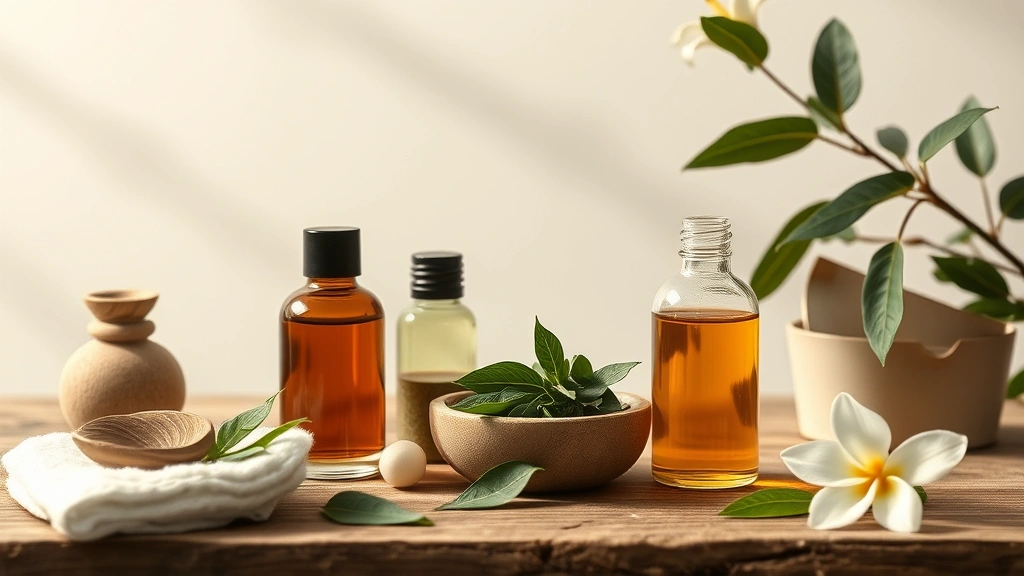
Cosmetic essences originated in Korea and Japan as lightweight hydrating treatments designed to prepare skin for subsequent products. Traditional essences contained simple ingredients like glycerin, hyaluronic acid, and plant extracts. However, the modern essence market has undergone a revolution, with formulations now incorporating advanced delivery systems and bioactive compounds that weren’t available a decade ago.
The evolution reflects broader trends in cosmetic chemistry. According to research published by the Scientific Committee on Consumer Safety, newer essences often feature encapsulated actives, stabilized vitamins, and fermented ingredients that improve bioavailability. This means the active compounds can penetrate the stratum corneum more effectively, delivering measurable results rather than just surface hydration.
What distinguishes contemporary essences is their multitasking capability. Rather than serving merely as a hydration step, they now function as treatment products addressing inflammation, oxidative stress, and skin barrier dysfunction. Brands are investing heavily in research to create essences that work synergistically with other skincare products, enhancing their efficacy.
The shift toward personalization has also influenced essence development. Brands now offer essences targeting specific concerns—whether you need skincare products for sensitive skin or treatments for oily, acne-prone complexions. This specificity represents a significant departure from one-size-fits-all formulations of the past.
Key Ingredient Innovations in Modern Essences
The ingredient revolution in cosmetic essences centers on three major categories: fermentation-derived compounds, peptide complexes, and advanced humectants. Understanding these innovations helps you evaluate whether a new essence is genuinely innovative or simply marketing hype.
Fermentation Extracts: Fermented ingredients have become increasingly popular in premium essences. Brands like SK-II pioneered this approach with Pitera, a fermentation byproduct rich in amino acids and organic acids. Modern innovations expand this concept using fermentation of mushrooms, rice bran, and botanical materials. These extracts contain bioactive metabolites that support skin barrier function and promote a healthy microbiome. According to Cosmetics & Toiletries magazine, fermented ingredients show promise in clinical studies for improving skin hydration and reducing transepidermal water loss (TEWL).
Peptide Complexes: Essences now frequently incorporate multiple peptides—short chains of amino acids that signal skin cells to produce collagen and elastin. Dipeptides, tripeptides, and oligopeptides work at different levels within the epidermis. Palmitoyl pentapeptide-4 (Matrixyl) and acetyl hexapeptide-8 (Argireline) have become standard ingredients in anti-aging essences. Newer innovations include biomimetic peptides that mimic natural skin proteins, improving their recognition and absorption by skin cells.
Advanced Humectants: Beyond basic hyaluronic acid, modern essences feature sodium acetylated hyaluronate (smaller molecular weight for deeper penetration), trehalose (a disaccharide with cellular protective properties), and betaine (an amino acid derivative with hydrating and osmoprotective functions). These ingredients work synergistically to draw moisture into the skin and maintain optimal hydration levels throughout the day.
Botanical Actives: Essences now incorporate standardized plant extracts with proven efficacy. Green tea polyphenols (EGCG) provide antioxidant protection, niacinamide-rich extracts support barrier function, and bakuchiol (a retinol alternative) addresses fine lines without irritation. The Beauty Times reports that consumers increasingly prefer plant-derived actives, driving innovation in botanical essence formulations.
Stabilized Vitamins: Vitamin C (as stabilized L-ascorbic acid or newer derivatives like 3-O ethyl ascorbic acid), vitamin E, and provitamin B5 appear in cutting-edge essences. These vitamins address oxidative stress, support collagen synthesis, and enhance skin’s natural repair mechanisms. The challenge lies in stability—modern essences use advanced packaging and stabilization technology to maintain vitamin potency.
How Essences Differ from Serums and Toners
Confusion often arises when distinguishing between essences, serums, and toners. While these products share similar benefits, their formulation structures and application purposes differ significantly.
Texture and Consistency: Essences are typically the lightest, with a watery or gel-like consistency that absorbs rapidly. Toners have a similar viscosity but contain more astringent or cleansing properties. Serums are substantially thicker, containing higher concentrations of active ingredients suspended in carrier oils or advanced delivery systems. This textural hierarchy reflects their position in the skincare routine.
Concentration of Actives: Serums contain the highest concentration of active ingredients—typically 5-20% by weight. Essences usually contain 3-8% actives, while toners may contain even less. However, newer essences blur these lines with highly concentrated formulations that rival serums in potency while maintaining the lightweight texture characteristic of essences.
Primary Function: Toners primarily cleanse residual impurities and balance pH after washing. Essences hydrate and prepare skin for subsequent products while delivering specific benefits. Serums target specific concerns with concentrated treatments. Modern essences increasingly function like serums, delivering targeted benefits while maintaining their signature lightweight feel.
Layering Strategy: The traditional Korean skincare routine sequences these products as: cleanser → toner → essence → serum → moisturizer. However, modern routines often skip toner entirely, using essence as the primary hydrating treatment step. Understanding these distinctions helps you build an efficient routine that maximizes product efficacy without redundancy.
Essences for Different Skin Types
The innovation in essences extends to formulations specifically engineered for different skin types and concerns. Selecting the right essence requires understanding your skin’s unique needs.
Oily and Acne-Prone Skin: New essences for oily skin incorporate lightweight humectants combined with sebum-regulating ingredients. Niacinamide (vitamin B3) reduces sebum production and minimizes pore appearance. Salicylic acid derivatives gently exfoliate without over-drying. Zinc PCA absorbs excess oil while supporting skin barrier health. If you’re navigating acne concerns alongside other skincare needs, exploring skincare routine for teenagers provides comprehensive guidance on managing this skin type.
Dry and Dehydrated Skin: Essences for dry skin feature multiple hydrating layers—humectants to draw moisture, emollients to seal it in, and occlusives to prevent evaporation. Glycerin, propylene glycol, and sodium hyaluronate form the hydration base. Ceramides (especially ceramide NP) strengthen barrier function. Plant oils and butters provide nourishment. These formulations often include anti-inflammatory botanicals like chamomile and centella asiatica to soothe compromised skin.
Sensitive Skin: Innovation in sensitive skin essences focuses on barrier repair and inflammation reduction. Centella asiatica (cica) has become a cornerstone ingredient, supporting skin healing and reducing redness. Panthenol (provitamin B5) soothes irritation and supports natural moisturizing factor production. Minimal fragrance and essential oils reduce irritation risk. For comprehensive guidance on this skin type, skincare products for sensitive skin offers detailed information on selection and application.
Combination Skin: Essences for combination skin balance hydration without triggering excess oil in the T-zone. These formulations typically feature lightweight humectants combined with soothing botanical extracts. Some brands now offer dual essences—one for oily areas and one for dry areas—allowing customized application.
Mature Skin: Anti-aging essences incorporate peptide complexes, fermented extracts, and botanical antioxidants addressing fine lines, loss of elasticity, and uneven tone. Retinol alternatives like bakuchiol provide collagen-boosting benefits without irritation. Resveratrol and other polyphenols protect against environmental damage. These formulations often include humectants that plump fine lines through improved hydration.
How to Incorporate New Essences Into Your Routine
Integrating a new essence into your existing skincare routine requires strategic planning to maximize benefits and avoid product interactions that might compromise efficacy.
Optimal Application Sequence: Apply essence immediately after toner (or cleanser if skipping toner), while skin remains slightly damp. This damp environment enhances absorption and allows humectants to draw moisture into the skin. Pat the essence gently into skin rather than rubbing, which can cause irritation. Wait 1-2 minutes for absorption before applying serums or moisturizers.
Layering with Other Products: Essences work synergistically with other treatments when properly sequenced. Apply them before serums (which are typically thicker) and after cleansing but before occlusive moisturizers. If using multiple essences, apply the lightest texture first, progressing to thicker formulations. This prevents pilling and ensures each product absorbs properly.
Frequency and Duration: Most essences are gentle enough for twice-daily use. Begin with evening application only, gradually introducing morning application after 1-2 weeks if no irritation develops. New ingredients require an adjustment period—expect 4-6 weeks to assess full benefits. Peptides, fermentation extracts, and advanced humectants show cumulative benefits over time rather than immediate results.
Patch Testing Protocol: Before full-face application, test new essences on a small area behind the ear or on the inner arm. This identifies potential allergic reactions or sensitivities. If irritation develops, discontinue use and allow skin to return to baseline before trying another product. Individuals with sensitive skin should exercise particular caution with new formulations.
Climate and Season Considerations: Adjust essence usage based on environmental conditions. In humid climates, lighter essences prevent excess moisture buildup. In dry climates, essences with heavier humectants and occlusive ingredients provide necessary hydration. Some people use different essences seasonally, switching to more hydrating formulations in winter.
Brand Innovations and What Experts Are Saying
Leading beauty brands continue pushing essence innovation boundaries. Understanding the latest developments helps you identify genuinely advanced products versus marketing-driven reformulations.
Fermentation Technology Leadership: Brands like SK-II, Missha, and newer Korean companies dominate fermentation-based essences. SK-II’s Facial Treatment Essence remains the category benchmark, containing over 50% Pitera fermentation byproduct. Emerging brands experiment with fermented ingredients beyond Pitera—mushroom ferments, yeast ferments, and bacterial ferments that provide different bioactive profiles. Cosmetics Design Asia regularly reports on fermentation innovations from Asian beauty manufacturers.
Peptide Complex Development: Brands like Estée Lauder, Olay, and Shiseido invest heavily in peptide research. Multi-peptide essences combining different peptides targeting various skin concerns have become premium offerings. These brands collaborate with research institutions to develop proprietary peptide sequences, creating products difficult for competitors to replicate.
Sustainability and Clean Beauty: Innovation now encompasses sustainable sourcing and clean formulation principles. Brands eliminate synthetic fragrances, parabens, and silicones while maintaining efficacy. Fermentation technology supports this trend—fermented ingredients often provide benefits of synthetic actives without petroleum-derived chemistry. Packaging innovations include refillable systems and biodegradable containers.
Expert Perspectives: Dermatologists increasingly acknowledge essences’ role in comprehensive skincare regimens. The American Academy of Dermatology recognizes that properly formulated essences support skin barrier health when containing evidence-based ingredients like ceramides, niacinamide, and humectants. Cosmetic chemists emphasize that innovation focuses on delivery systems—how ingredients penetrate and function within skin rather than merely adding new actives.
Professional makeup artists now incorporate essences into prepping routines, using their hydrating properties to create smoother makeup application and longer wear. This professional adoption validates essences’ efficacy and has driven mainstream consumer interest. Brands like Thrive Cosmetics recognize the importance of well-hydrated, prepared skin for flawless makeup application, influencing product development across categories.
The convergence of Asian skincare traditions with Western dermatological research continues driving essence innovation. Essences are no longer niche products but central components of modern skincare routines, appreciated for their lightweight efficacy and adaptability to various skin types and concerns.
FAQ
What’s the difference between essence and serum?
Essences are lighter, more hydrating products applied early in routines, while serums are thicker, more concentrated treatments applied after essences. Essences typically contain 3-8% actives, while serums contain 5-20%. Modern essences increasingly blur these lines, offering serum-like potency in essence-like textures.
Can I use essence if I have sensitive skin?
Yes, essences designed for sensitive skin can be beneficial. Look for formulations containing centella asiatica, panthenol, and minimal fragrance. Avoid essences with essential oils, high concentrations of acids, or known irritants. Always patch test first and introduce gradually.
How long does it take to see results from essences?
Hydrating benefits appear within days, while results from active ingredients like peptides and fermentation extracts typically require 4-6 weeks of consistent use. Anti-aging benefits may take 8-12 weeks as collagen production and skin cell turnover gradually improve.
Should I use essence morning and night?
Most essences are gentle enough for twice-daily use. Begin with evening application, gradually adding morning application after 1-2 weeks if no irritation develops. Hydrating essences benefit from morning use to prepare skin for makeup and environmental stressors.
Can essences replace serums?
Modern essences can partially replace serums for some concerns, particularly hydration and light treatment benefits. However, targeted concerns like severe acne, significant hyperpigmentation, or pronounced wrinkles typically require serum-level concentrations of actives. Many routines benefit from using both essences and serums strategically.
Are fermented essences better than traditional formulations?
Fermented essences offer unique benefits—bioavailable nutrients, skin microbiome support, and anti-inflammatory properties—but aren’t universally superior. The best essence depends on your specific skin needs. Some people respond better to fermented formulations, while others prefer peptide-based or botanical essences.