How to Get a Cosmetic License in Florida? Expert Tips
Florida’s thriving beauty and cosmetics industry attracts thousands of professionals seeking to launch careers in skincare, makeup application, and aesthetic services. Whether you’re passionate about helping clients achieve their skincare routine for glowing skin or specializing in advanced beauty treatments, obtaining a cosmetic license in Florida is an essential first step. This comprehensive guide walks you through every requirement, examination process, and professional pathway to establish your credentials in the Sunshine State.
The Florida Department of Business and Professional Regulation (DBPR) oversees all cosmetic licensing, ensuring practitioners meet rigorous standards for safety, hygiene, and technical competency. Understanding the licensing process prevents costly delays and helps you launch your beauty career confidently. From initial education requirements to final licensure approval, we’ll cover everything aspiring cosmetic professionals need to know.
Understanding Florida’s Cosmetic License Types
Florida offers several distinct cosmetic licenses, each authorizing different services and requiring specific training. The most common license is the Cosmetologist License, which permits professionals to perform hair care, nail services, and facial treatments. This comprehensive credential allows practitioners to offer homemade face masks for glowing skin consultations and basic skincare services to clients.
The Esthetician License specializes in advanced facial skincare, chemical peels, microdermabrasion, and skincare product recommendations. Estheticians focus exclusively on skin health and beauty, making this ideal for professionals passionate about ingredients like skincare products with antioxidants. This license requires fewer training hours than cosmetology but demands deeper skincare knowledge.
The Nail Technician License authorizes manicure and pedicure services, including nail art and enhancements. Florida also recognizes Barber Licenses for professionals specializing in men’s grooming and hair cutting. Additionally, Hair Braiding Licenses serve professionals specializing in braiding techniques and protective styles.
Each license type serves different career objectives and client demographics. Choosing the right license depends on your interests, whether you prefer comprehensive beauty services or specialized expertise in specific areas like skincare or nail care.
Educational Requirements and Training Hours
Florida mandates specific training hour requirements for each cosmetic license category. Cosmetologist applicants must complete a minimum of 1,200 training hours at a state-approved school. These hours encompass theory and practical application across hair, skin, and nail services.
For Esthetician Licenses, Florida requires 750 training hours focused entirely on skincare science, product knowledge, and facial treatments. This specialized curriculum emphasizes understanding skin types, conditions, and evidence-based skincare protocols. Estheticians learn about beneficial ingredients like benefits of green tea for skin and how to recommend appropriate treatments for different clients.
Nail Technician applicants complete 350 training hours covering nail anatomy, sanitation protocols, and service techniques. Hair Braiding Licenses require 120 training hours, while Barber Licenses demand 1,200 hours similar to cosmetology.
Training hours must be completed within a 24-month period to maintain eligibility. Schools track attendance rigorously, and applicants must provide documented proof of completed hours. Some schools offer accelerated programs meeting these requirements in shorter calendar timeframes, though the actual hour count remains consistent.
Beyond minimum hour requirements, quality education shapes your professional foundation. Reputable schools teach contemporary skincare science, business practices, and client communication skills that enhance your career longevity and earning potential.
Choosing an Approved Cosmetology School
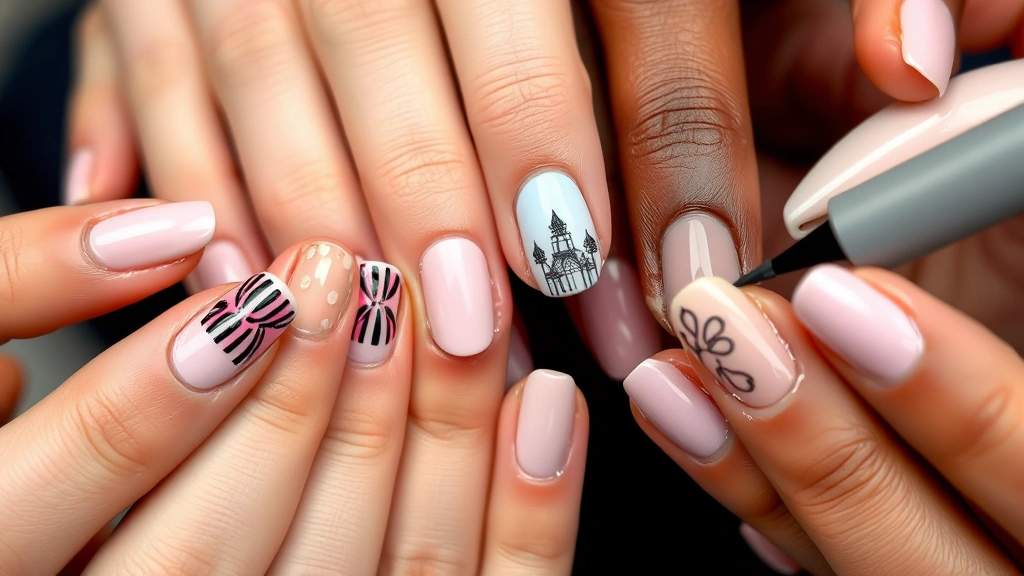
Florida’s Department of Business and Professional Regulation maintains a searchable database of approved schools. Selecting an accredited institution ensures your training hours transfer directly toward licensing eligibility and that your education meets state standards.
Top-tier schools offer comprehensive curricula covering not just technical skills but also business management, client psychology, and advanced skincare science. Look for schools emphasizing the benefits of facial steaming and other professional treatment modalities relevant to your specialty.
When evaluating schools, consider:
- Accreditation Status: Verify current approval with DBPR
- Instructor Credentials: Licensed professionals with industry experience
- Facility Standards: Modern equipment and sanitized practice environments
- Class Sizes: Smaller groups ensure personalized instruction
- Schedule Flexibility: Evening, weekend, or accelerated options
- Job Placement Assistance: Career support after graduation
- Continuing Education: Partnerships with professional development providers
- Specialization Options: Advanced modules in specific areas
Financial considerations matter significantly. Research tuition costs, payment plans, and potential financial aid eligibility. Many schools partner with lenders offering cosmetic education financing. Calculate the true investment, including textbooks, supplies, and examination fees, before enrolling.
Visit potential schools in person. Observe classrooms, speak with current students and graduates, and assess the overall learning environment. Your education foundation directly impacts your licensing success and professional credibility.
The Examination Process and Preparation
Florida’s cosmetic licensing examination consists of two components: written knowledge testing and practical skills demonstration. Both sections must be passed to obtain licensure.
The written examination tests theoretical knowledge of sanitation, safety protocols, anatomy, chemistry, and service-specific procedures. For estheticians, expect questions about skincare routine for teenagers and age-appropriate treatments, skin conditions, contraindications, and professional ethics. Cosmetologists face broader questions spanning hair science, color theory, and nail structure.
The practical examination requires demonstrating actual service competency. Estheticians perform facials, apply makeup, and conduct skin analysis on examiner-provided models. Cosmetologists execute haircuts, styling, manicures, and pedicures. Nail technicians complete various nail enhancements and art designs. Examiners evaluate technical precision, sanitation practices, and professional demeanor.
Preparation strategies include:
- Study Official Materials: DBPR publishes examination content outlines and study guides
- Practice Exams: Use practice tests simulating actual examination format
- Hands-On Drilling: Repetitive practice of practical skills until execution becomes automatic
- Study Groups: Collaborate with classmates reviewing challenging concepts
- Professional Resources: Consult industry publications and continuing education resources
- Mock Practical Sessions: Practice with partners or instructors providing feedback
Most schools provide comprehensive examination preparation as part of their curriculum. Allocate dedicated study time during your final training weeks. Many successful candidates spend 2-4 weeks intensively reviewing before attempting the examination.
Examination scheduling flexibility allows multiple attempts. However, passing on your first attempt saves time and testing fees. The examination fee costs approximately $100-$150 depending on your license category.
Application and Licensing Fees
After passing both examination components, submit your official application to DBPR. The application process requires documentation proving your identity, training hours, examination passage, and absence of disqualifying criminal history.
Required documentation includes:
- Completed application form (available on DBPR website)
- Official school transcript confirming training hour completion
- Examination passage documentation
- Government-issued photo identification
- Social Security number verification
- Proof of U.S. citizenship or work authorization
- Fingerprint card for background check authorization
Florida’s initial cosmetic license fee ranges from $75-$150 depending on your license category. Esthetician licenses typically cost $125, while cosmetology licenses cost $150. Renewal fees every two years cost approximately $100-$150.
Processing times vary but typically require 2-4 weeks after application submission. DBPR may request additional documentation or clarification during processing. Respond promptly to maintain your application timeline.
Upon approval, you’ll receive your official license certificate. Many professionals frame their licenses in their workspace as credentials establishing professional authority and client trust.
Professional Development After Licensure
Obtaining your cosmetic license marks the beginning, not the conclusion, of your professional journey. Florida requires continuing education to maintain active licensure. Cosmetologists and estheticians must complete 14 continuing education hours every two years during the renewal period.
Continuing education topics include sanitation updates, new treatment modalities, business management, and specialized skincare techniques. Approved providers offer courses covering advanced facial treatments, chemical peel safety, and emerging ingredient technologies. Many professionals pursue certifications in specialized areas like The American Society of Plastic Surgeons recognized techniques.
Professional development investments enhance your expertise and client outcomes. Consider pursuing advanced certifications in:
- Medical esthetics and laser treatments
- Advanced chemical peel protocols
- Microneedling and radiofrequency treatments
- Specialized skincare for specific conditions
- Business ownership and salon management
- Social media marketing for beauty professionals
Networking with peers through professional associations strengthens your skills and expands career opportunities. Join organizations like the Professional Beauty Association connecting beauty professionals nationwide.
Many successful cosmetic professionals build thriving businesses by continuously updating their knowledge. Clients increasingly seek practitioners demonstrating current expertise in skincare science and evidence-based treatments. Your commitment to professional development directly impacts your earning potential and client satisfaction.
FAQ
How long does it take to get a cosmetic license in Florida?
Timeline varies by license type and your pace. Esthetician training requires 750 hours (typically 6-12 months full-time), while cosmetology requires 1,200 hours (typically 10-18 months). Add examination scheduling and application processing time—expect 8-20 months total from enrollment to licensure.
Can I work while attending cosmetology school?
Many students balance part-time employment with school, though the demanding curriculum (15-25 hours weekly) challenges dual commitments. Accelerated programs require more intensive daily attendance. Discuss scheduling flexibility with your chosen school before enrolling.
What disqualifies someone from getting a cosmetic license in Florida?
Serious criminal convictions, particularly those involving violence, dishonesty, or controlled substances, may result in denial. However, Florida’s licensing board evaluates each case individually. Prior convictions don’t automatically disqualify applicants—contact DBPR directly regarding your specific situation.
Is a high school diploma required for cosmetic licensing?
Yes, applicants must possess a high school diploma or GED equivalent. Some schools offer GED preparation courses if needed before enrollment.
Can I reciprocate my out-of-state cosmetic license to Florida?
Florida doesn’t offer direct reciprocity for out-of-state licenses. However, DBPR evaluates applications from licensed professionals in other states on a case-by-case basis. Contact DBPR with your specific credentials for guidance.
What’s the difference between an esthetician and cosmetologist license?
Estheticians specialize in skincare and facial treatments (750 hours), while cosmetologists offer comprehensive beauty services including hair, skin, and nails (1,200 hours). Estheticians possess deeper skincare expertise; cosmetologists have broader beauty service knowledge.
How often must I renew my cosmetic license?
Florida cosmetic licenses require biennial renewal every two years. Renewal requires continuing education completion (14 hours), fee payment, and license renewal application submission.