Organize Your Makeup: Expert Tips Inside
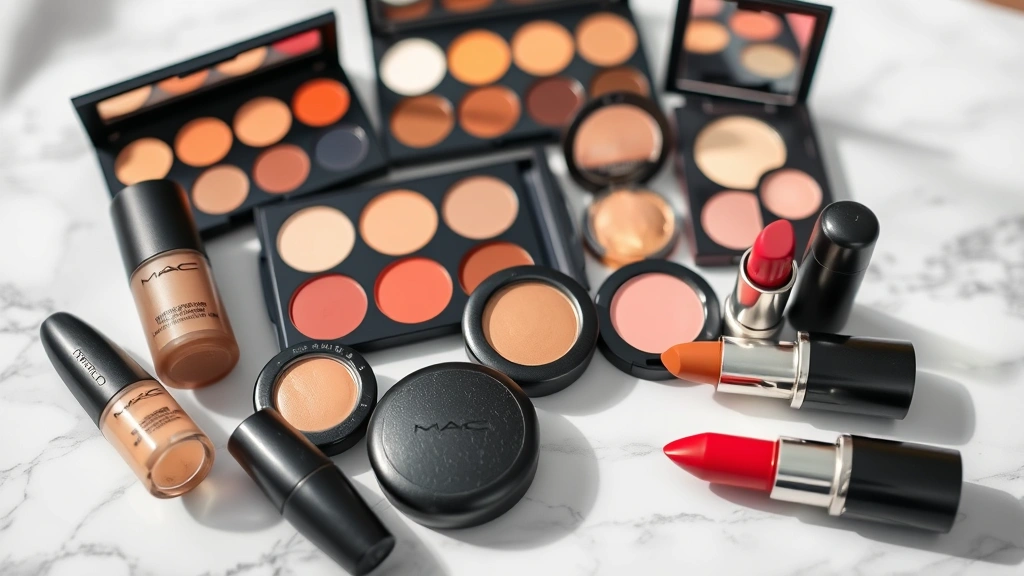
A well-organized cosmetic makeup organiser transforms your daily beauty routine from chaotic to efficient. Whether you’re a professional makeup artist, beauty enthusiast, or someone who simply wants to keep their vanity tidy, proper cosmetic organization saves time, prevents product waste, and helps you actually use the products you’ve invested in. The average person owns between 40-60 beauty products, yet many sit unused simply because they’re buried in drawers or scattered across countertops. This comprehensive guide reveals expert strategies for organizing your makeup collection by category, expiration date, and frequency of use.
Beyond aesthetics, an organized makeup collection supports your skincare routine for glowing skin by ensuring you can easily access complementary products and avoid duplicates. When your makeup is properly stored and visible, you’re more likely to follow a consistent beauty regimen. Additionally, maintaining an organized system helps you identify which products work best with your skin type, whether you have oily, dry, combination, or sensitive skin. Let’s explore the definitive framework for creating a functional, beautiful makeup organization system.
Understanding Your Makeup Inventory
The first step in organizing your makeup collection is conducting a thorough audit of what you actually own. Pull every product from drawers, bags, vanity tops, and bathroom cabinets. This inventory process reveals duplicates, expired products, and items you’ve forgotten about entirely. Create a spreadsheet or use a notes app to document:
- Product name and brand
- Purchase date and expiration date
- Category (foundation, concealer, blush, etc.)
- Frequency of use (daily, weekly, occasional, special occasion)
- Skin type compatibility (especially for base products)
- Shade/undertone (warm, cool, neutral)
During this audit, discard any products that are expired, separated, or have changed texture or smell. Makeup products have specific shelf lives: liquid foundations typically last 12-18 months, powders last 2-3 years, and cream products last 12-18 months. Mascara and liquid eyeliner should be replaced every 3-6 months due to bacterial contamination risks. This inventory becomes your organization blueprint.
Understanding your actual collection prevents overpurchasing and helps you identify gaps in your routine. If you notice you have five nude lipsticks but no vibrant colors, or multiple foundations but limited concealer options, your inventory guides future purchases. This awareness connects directly to maintaining a skincare routine for combination skin that complements your makeup choices.
Categorizing Products by Type and Function
Effective organization requires logical categorization that matches how you actually use makeup. Rather than organizing alphabetically or by brand, group products by function and application order. This method streamlines your makeup routine and ensures related products are stored together for easy access.
Base Products: Foundation, primer, concealer, and powder form the foundation of your makeup routine. These products should be easily accessible and stored together. If you use skincare products with ceramides as part of your base prep, store those skincare items near your makeup primers for a cohesive routine setup.
Color Cosmetics: Separate blush, bronzer, contour, and highlighter into their own section. Many professionals organize these by undertone rather than brand, allowing for easier color coordination. Warm-toned bronzers group together, cool-toned blushes cluster separately, creating a visual system that prevents clashing combinations.
Eye Products: Eyeshadow palettes, loose pigments, eyeliner pencils, liquid liners, and brow products deserve dedicated space. Some organizers use stackable acrylic drawers specifically for eyeshadow, while others prefer a tiered system that displays palettes like artwork. The key is ensuring you can see all options without excessive digging.
Lip Products: Lip balms, lipsticks, liquid lipsticks, lip liners, and lip glosses can be organized by format or color family. Many beauty professionals store lip products upright in small containers so every shade is immediately visible.
Tools and Brushes: Makeup brushes, sponges, and applicators require separate storage to prevent contamination. A dedicated brush holder keeps tools clean and accessible for daily use. Affordable cosmetic brands often come with multiple brush options, so proper tool organization becomes essential.
Choosing the Right Cosmetic Makeup Organiser
The ideal cosmetic makeup organiser depends on your space, collection size, and accessibility preferences. Understanding different organizer types helps you select the best option for your specific situation.
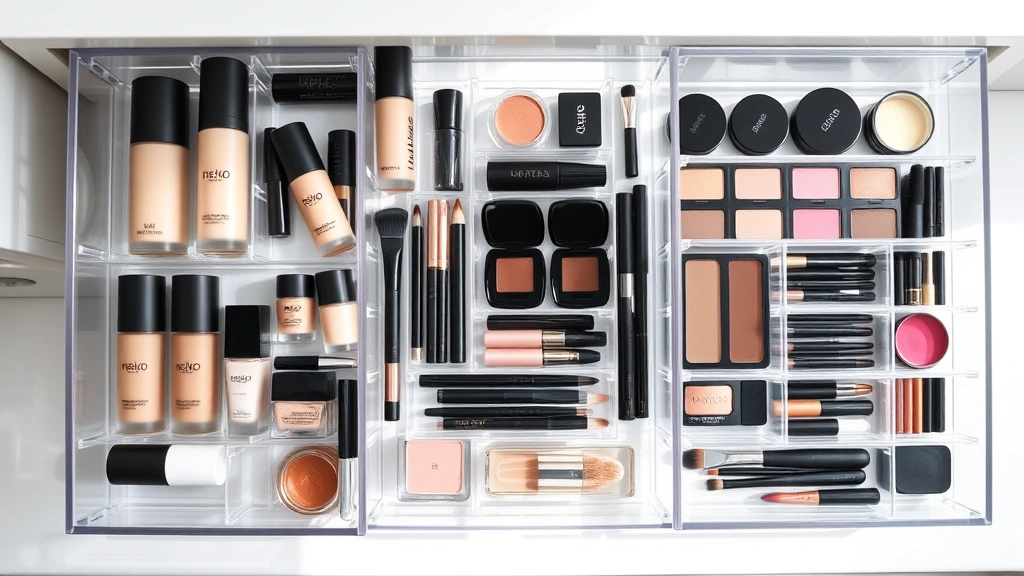
Drawer Organizers: Acrylic drawer dividers and stackable trays maximize vertical space in vanity drawers. These transparent organizers allow visibility while containing products securely. Drawer organizers work exceptionally well for smaller collections and apartments with limited counter space. Choose organizers with adjustable compartments to accommodate different product sizes.
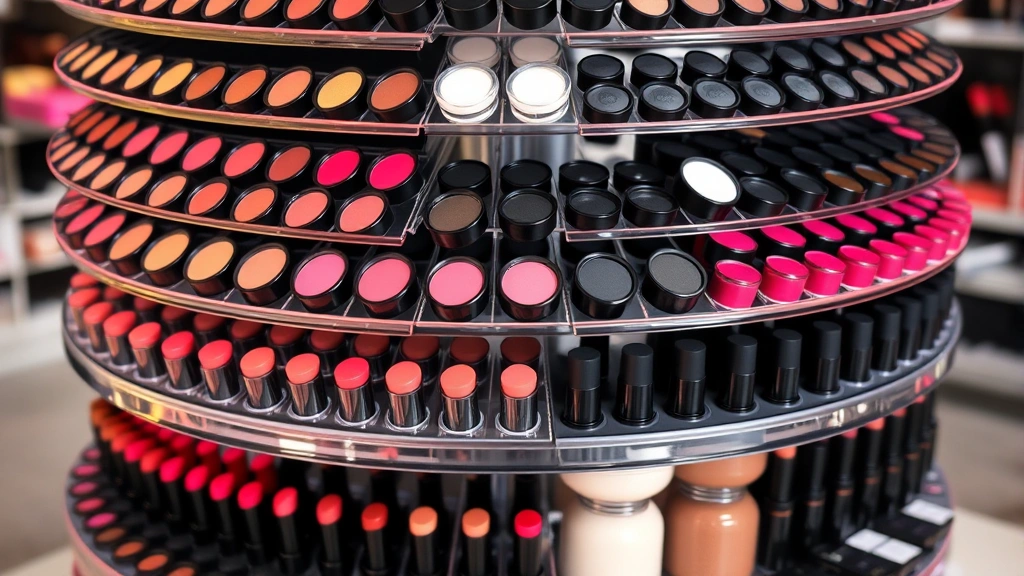
Rotating Carousels: Lazy Susan-style rotating organizers provide 360-degree access to products without reaching. These work beautifully for mid-sized collections and allow quick product selection during application. Rotating carousels are particularly useful if you frequently switch between multiple shades of foundation or concealer.
Tiered Shelf Systems: Multi-level organizers maximize vertical space and create a display-like arrangement. These systems work for larger collections and serve as decorative vanity elements. Tiered shelves make every product visible and accessible, reducing the likelihood of forgotten purchases.
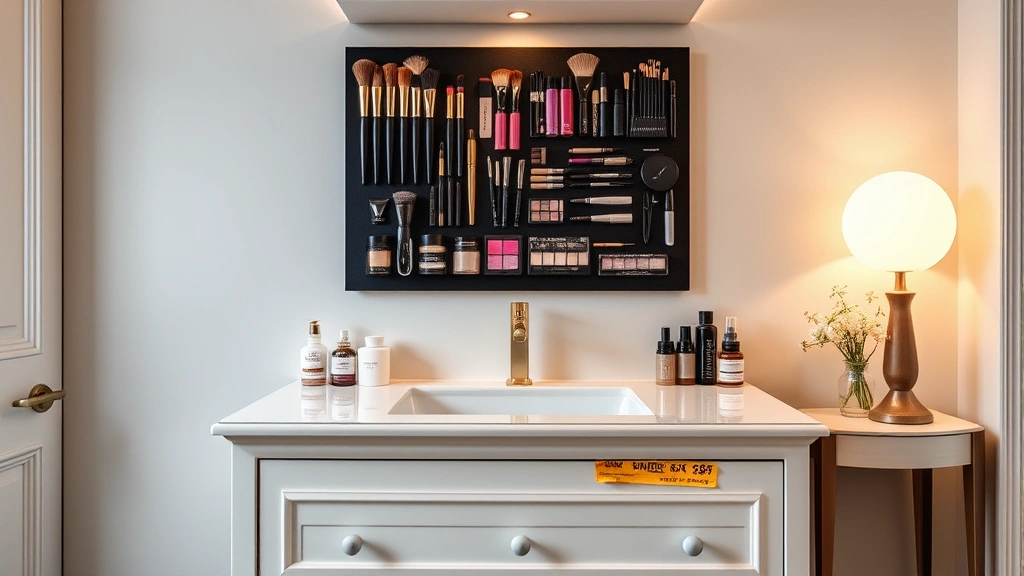
Wall-Mounted Storage: Magnetic boards, pegboards, and wall-mounted shelving free up valuable desk space. These solutions work particularly well for brush storage, palette display, and frequently-used products. Wall organization creates a visually appealing vanity while keeping items within arm’s reach.
Modular Systems: Customizable organizers with removable compartments adapt as your collection grows or changes. These flexible systems accommodate various product sizes and allow reorganization without purchasing new storage.
Select an organizer that matches your space constraints and aesthetic preferences. A beautiful organizer you enjoy looking at encourages consistent maintenance and makes your daily makeup routine more pleasant.
Storage Solutions by Product Category
Different makeup categories require specific storage considerations based on product formulation and stability. Understanding these requirements ensures your products maintain quality and efficacy.
Liquid and Cream Products: Foundations, concealers, primers, and cream blushes require cool, dry storage away from direct sunlight and heat. Store these upright in a cool area of your home. If your bathroom gets steamy during showers, consider storing liquid products in a bedroom vanity instead. Heat and humidity cause formulation breakdown and separation, reducing product lifespan. For skincare products for aging skin that you use as makeup primers, similar storage principles apply.
Powder Products: Eyeshadows, blushes, bronzers, and loose powders are relatively stable but benefit from cool, dry storage. These products can be stored upright or at angles without concern. Ensure lids are tightly sealed to prevent product spilling and moisture absorption. Powder products are ideal candidates for visible, decorative storage since they’re stable and visually appealing.
Pencil Products: Eyeliner pencils, lip liners, and eyebrow pencils should be stored upright in pencil holders or cups. This prevents breaking and allows easy selection. Keep pencil sharpeners nearby for convenient maintenance. Store pencils away from heat sources that might soften the wood or cause tip bending.
Brushes and Tools: Clean brushes thoroughly before storage to prevent bacterial growth and product buildup. Store brushes upright in cups or holders with bristles facing up. For traveling, use brush cases or roll-up organizers. Allow brushes to air-dry completely after cleaning before storing. Proper brush storage extends tool lifespan and maintains product application quality.
Specialty Products: Setting sprays, makeup primers, and facial toners for makeup prep should be stored upright in a temperature-controlled environment. These products often contain alcohol or water-based formulations sensitive to temperature fluctuations.
Maintenance and Rotation Systems
An organized makeup collection requires ongoing maintenance to remain functional and hygienic. Implementing a rotation system ensures products are used efficiently and expired items are promptly removed.
Monthly Audits: Schedule monthly reviews of your collection to identify products nearing expiration. Move nearly-expired items to the front of your organizer to prioritize use. This prevents waste and ensures you’re always using fresh products. Monthly audits also help you recognize which products you genuinely use versus those gathering dust.
The “First In, First Out” Method: When purchasing new products, place them behind existing items so older products are used first. This simple system prevents accumulating outdated products and ensures consistent rotation. This method is particularly important for foundations and concealers where shade matching and formulation consistency matter.
Seasonal Reorganization: Reorganize your collection seasonally as your makeup needs change. Summer might require more bronzer and less heavy foundation, while winter calls for richer, more hydrating base products. Seasonal reorganization keeps frequently-used products accessible while storing seasonal items compactly.
Quarterly Deep Cleans: Every three months, remove all products from your organizer and clean the storage system. Wipe down shelves, drawers, and organizer surfaces. This prevents dust accumulation and keeps your storage system hygienic. During deep cleans, verify all lids are tightly sealed and products are properly organized.
Digital Tracking: Use your phone’s photo app or a spreadsheet to document your collection. Take photos of your organized makeup from multiple angles. This visual reference helps you remember what you own, locate specific products, and identify gaps in your collection. Digital tracking also proves useful when shopping, preventing duplicate purchases.
Organizing by Skin Type and Undertones
Advanced organization systems categorize makeup by skin type compatibility and undertone matching. This method ensures you select products that flatter your complexion and work harmoniously together.
Skin Type Sections: Create separate zones for products formulated for your specific skin type. If you have combination skin, keep hydrating concealers separate from mattifying foundations. This organization prevents accidentally grabbing a product that doesn’t suit your skin’s current condition. Understanding whether products contain ingredients for oily, dry, or sensitive skin types prevents mismatched applications.
Undertone Organization: Group products by warm, cool, and neutral undertones. This system prevents purchasing shades that clash with your complexion. Warm-toned foundations, bronzers, and blushes cluster together, while cool-toned options occupy separate spaces. This visual organization trains your eye to instinctively select harmonious shades, creating more polished makeup applications.
Shade Gradient Systems: Within each undertone category, arrange products by shade depth from lightest to darkest. This gradient system makes it easy to locate the exact shade you need without examining every single product. Shade gradients are particularly useful for foundations, concealers, and contour products where precise matching matters.
Seasonal Shade Adjustments: Your skin tone naturally shifts with seasons and sun exposure. Reorganize shade selections seasonally to ensure your foundation matches your current complexion. Summer might require one or two shades deeper, while winter calls for lighter options. This seasonal awareness prevents the frustration of products that worked perfectly last season suddenly appearing mismatched.
Travel and On-the-Go Organization
Maintaining organization while traveling requires thoughtful product selection and portable storage solutions. A well-organized travel makeup bag ensures you have everything needed while keeping items accessible and protected.
Travel Organizer Selection: Invest in a dedicated travel cosmetic organizer with compartments, elastic bands, and a protective exterior. Look for organizers with waterproof linings to protect your bag’s contents from spills. Hanging organizers save space in hotel bathrooms and keep items visible and accessible. Rolling organizers with wheels work well for larger travel collections, while compact pouches suit minimalist travel routines.
Minimalist Travel Palettes: Rather than bringing full-sized products, use travel-sized versions or decant products into smaller containers. Many beauty brands offer travel sets with miniature versions of popular products. Alternatively, purchase empty cosmetic containers and fill them with your preferred products. This approach saves luggage space and reduces weight while maintaining your preferred product selection.
Multipurpose Product Focus: When traveling, prioritize products that serve multiple functions. A cream blush works as both cheek and lip color. A bronzer doubles as an eyeshadow. A lip stain functions as blush. This multipurpose approach minimizes the number of items needed while maintaining makeup versatility.
Organized Packing System: Use the same organizational principles in your travel bag as your home organizer. Group products by category, keep frequently-used items easily accessible, and arrange items by application order. This consistency means you can quickly locate products even in unfamiliar hotel bathrooms or using different lighting.
TSA Compliance: Remember liquid and gel restrictions when flying. Keep liquid foundations, primers, and cream products in containers no larger than 3.4 ounces and place them in a clear quart-sized bag. Powders, pencils, and solid products don’t have restrictions. Organizing products by TSA compliance status prevents security line delays and frustration.
FAQ
How often should I reorganize my makeup collection?
Monthly audits help maintain organization, while seasonal reorganization (every 3 months) accounts for changing makeup needs and product rotation. Quarterly deep cleans refresh your storage system and prevent dust accumulation. If your collection grows significantly or you purchase many new products, reorganize more frequently.
What’s the best cosmetic makeup organiser for small spaces?
Drawer organizers with stackable trays maximize vertical space efficiently. Wall-mounted solutions and rotating carousels also work well for apartments or small vanities. Consider under-sink storage with pull-out organizers if you lack counter space. Vertical organization is key for small spaces.
How do I prevent my makeup from drying out during storage?
Ensure all product lids are tightly sealed immediately after use. Store products away from direct sunlight and heat sources. Maintain consistent room temperature, ideally between 60-75°F. Store liquid products upright to prevent air exposure. For products showing signs of drying, add a drop of appropriate liquid (facial oil for cream products, setting spray for powders) to restore texture.
Should I store makeup in the refrigerator?
Most makeup doesn’t require refrigeration, though cool storage is beneficial. If your bathroom gets very hot, storing base products in a bedroom vanity is preferable to refrigeration. Refrigeration can cause condensation when products are removed, potentially compromising formulations. Exception: cream and gel products with minimal preservatives benefit from cool storage, but standard refrigeration isn’t necessary.
How do I organize makeup if I have multiple skin types?
Create distinct sections for products formulated for different skin types. Label organizer compartments clearly. Keep hydrating products separate from mattifying options. This organization helps you quickly select appropriate products based on your skin’s current condition. Consider a rotating organizer where different sections serve different skin type needs.
What’s the most effective way to track product expiration dates?
Write the purchase date on products with a permanent marker immediately after purchase. Use a spreadsheet or app to document all products with purchase and expiration dates. During monthly audits, check dates and move nearly-expired products to the front. Set phone reminders for products with approaching expiration dates, particularly mascara and liquid liners.
How can I prevent my makeup organiser from looking cluttered?
Choose an organizer that accommodates your collection size without excessive empty space. Remove and discard unused products regularly. Keep only products you actually use and enjoy. Use uniform containers for decanted products to create visual cohesion. Arrange products by color or category for a polished appearance. A well-organized system naturally looks neater than a disorganized one.
Is it worth investing in an expensive cosmetic makeup organiser?
Quality organizers last longer and function better than budget options. If you have a substantial collection, investing in a durable, well-designed organizer saves money by preventing product waste and reducing duplicate purchases. However, expensive doesn’t always mean best—prioritize functionality and durability over brand name. Mid-range quality organizers often provide excellent value.