

Do You Need a Cosmetic Fridge? Expert Opinion on Refrigerated Skincare Storage
The cosmetic refrigerator has become a trendy addition to many beauty routines, with influencers and skincare enthusiasts swearing by the cooling benefits for their products. But is a cosmetic fridge truly essential, or is it simply another luxury item designed to appeal to our desire for organized skincare? As a makeup and skincare expert, I’ve investigated the science behind refrigerated beauty storage to help you determine whether investing in a cosmetic refrigerator is worth it for your specific skin type and routine.
The popularity of beauty fridges has skyrocketed in recent years, particularly among those dealing with sensitive skin, active breakouts, or inflammatory conditions. However, the decision to purchase one shouldn’t be made lightly—it depends on your climate, the specific products you use, and your skincare goals. This comprehensive guide examines when a cosmetic fridge becomes a worthwhile investment and when room-temperature storage remains perfectly adequate.

What Is a Cosmetic Refrigerator?
A cosmetic refrigerator is a compact cooling unit specifically designed to store beauty and skincare products at controlled temperatures, typically between 45-65°F (7-18°C). Unlike standard kitchen refrigerators, beauty fridges are optimized for gentle, consistent cooling without the extreme cold that might damage delicate formulations. These units come in various sizes, from small countertop models to larger drawer-style designs, and they’ve become increasingly sophisticated with features like humidity control and adjustable temperature settings.
The concept behind cosmetic refrigeration is straightforward: cooler temperatures slow down the degradation of active ingredients and extend product shelf life. However, not all beauty products require or benefit from refrigeration. Understanding which products genuinely need cooling and which are simply marketed as “better cold” is crucial before making this investment. The aesthetic appeal of a cute beauty fridge shouldn’t overshadow practical considerations about whether your specific routine actually requires one.
Professional makeup artists and dermatologists have varying opinions on cosmetic fridges. Some view them as essential tools for preserving expensive serums and retinol formulations, while others argue that proper room-temperature storage in a cool, dark place achieves the same results. The truth lies somewhere in the middle, depending on your specific circumstances and product collection.
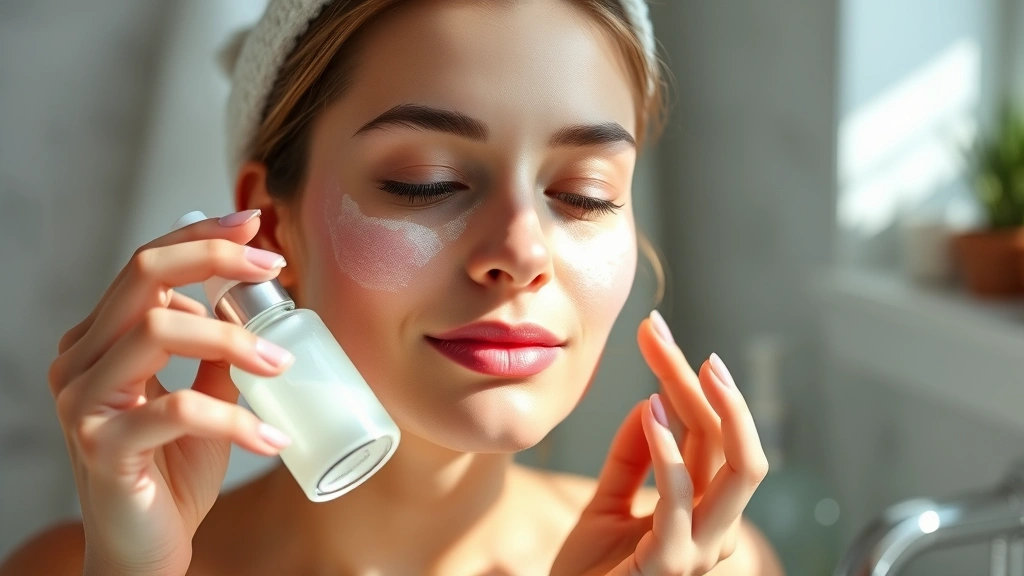
Which Skincare Ingredients Benefit from Refrigeration
Certain active ingredients genuinely thrive in cooler environments and maintain their potency longer when refrigerated. Vitamin C serums, for example, are notoriously unstable and oxidize quickly at room temperature, especially in warm climates. When stored in a cosmetic refrigerator, ascorbic acid and its derivatives maintain their antioxidant properties far longer, delivering better results for brightening and environmental protection.
Retinol and retinoid products represent another category where refrigeration provides measurable benefits. These vitamin A derivatives are light and heat-sensitive, breaking down into less effective compounds when exposed to warmth. Keeping your retinol and hyaluronic acid routine products in a cool environment significantly extends their shelf life and maintains their anti-aging efficacy. Professional formulations with high retinol concentrations particularly benefit from cold storage.
Peptide-rich serums, niacinamide formulations, and hyaluronic acid serums also show improved stability in cooler temperatures. Water-based products with multiple active ingredients are more prone to degradation, and refrigeration slows enzymatic reactions that reduce their effectiveness. Additionally, botanical extracts, natural oils, and probiotics in skincare formulations maintain their beneficial properties longer when kept cool.
Conversely, certain products should never be refrigerated. Heavy creams and rich moisturizers can become too thick or even separate when cold, making them difficult to apply. Sunscreen formulations often become unstable at very low temperatures, and gel-based products may lose their intended texture. Always check product labels and manufacturer recommendations before refrigerating anything.
Temperature Stability and Product Efficacy
The scientific principle behind cosmetic refrigeration centers on how temperature affects chemical stability. Most organic compounds, including active skincare ingredients, degrade faster at higher temperatures following the Arrhenius equation—a fundamental chemistry principle stating that reaction rates roughly double for every 10°C increase in temperature. This means products stored in a warm bathroom or sunny bedroom deteriorate significantly faster than those kept in a consistently cool environment.
Humidity fluctuations in bathrooms compound the problem. Water-based serums and lotions can absorb excess moisture, promoting bacterial growth and ingredient degradation. A cosmetic refrigerator maintains stable humidity levels and consistent temperature, protecting delicate formulations from the environmental stress of typical bathroom storage. This controlled environment is particularly valuable in hot, humid climates where bathroom temperatures regularly exceed 75°F (24°C).
Research from The American Academy of Dermatology indicates that properly stored skincare products maintain their efficacy significantly longer than those exposed to heat and light. Products with shorter shelf lives after opening—typically 6-12 months for active serums—can remain effective for longer when refrigerated, potentially extending their usable life by 2-3 months or more depending on the formulation.
However, the difference between refrigeration and proper room-temperature storage in a cool, dark location is often minimal for most commercial skincare products. High-quality brands formulate their products to remain stable at room temperature within reasonable ranges. The real benefit of a cosmetic fridge emerges when your bathroom temperature regularly exceeds 72°F (22°C) or when you live in a climate with significant seasonal temperature fluctuations.
Skin Types That Benefit Most from Cosmetic Fridges
Individuals with sensitive skin represent the primary beneficiary group for cosmetic refrigeration. Those dealing with conditions like rosacea, eczema, or reactive skin often rely on carefully formulated products with specific ingredient ratios. Keeping these skincare products for sensitive skin at optimal temperatures ensures they deliver consistent results without unexpected irritation from degraded ingredients. Additionally, the cooling sensation of cold products can provide immediate soothing benefits for inflamed or irritated skin.
People with acne-prone or oily skin benefit from refrigerated gel serums and lightweight moisturizers, which maintain their optimal consistency when cool. Cold products feel less heavy on oily skin and can help reduce the appearance of pores temporarily. Those using active acne treatments like benzoyl peroxide or salicylic acid products particularly benefit from refrigeration, as these ingredients degrade faster when exposed to heat.
Individuals managing skin inflammation can leverage both the temperature stability and soothing properties of refrigerated products. Cold serums and eye creams help reduce skin inflammation immediately while maintaining ingredient integrity. This dual benefit makes cosmetic fridges especially valuable for those with persistent puffiness or inflammatory conditions.
People in hot climates or those who travel frequently benefit significantly from cosmetic refrigeration. If you live in regions with consistently warm temperatures or spend time in hot, humid environments, a beauty fridge helps preserve expensive serums and treatments that might otherwise degrade quickly. Travelers who maintain elaborate skincare routines also find that cosmetic fridges keep products stable despite environmental changes.
Teenagers and young adults developing skincare habits can benefit from cosmetic fridges if they’re using targeted treatments like retinoids or vitamin C serums. A skincare routine for teenagers often includes multiple active ingredients that benefit from proper storage, and a cosmetic fridge helps ensure these expensive products maintain their efficacy throughout their shelf life.
Potential Drawbacks and Concerns
Despite their benefits, cosmetic refrigerators come with several legitimate drawbacks worth considering. The most obvious concern is cost—quality beauty fridges range from $50 to $300 or more, which represents a significant investment for most people. Unless you’re using high-end products or live in challenging climates, this expense may not justify the actual benefits you’ll receive.
Space constraints present another practical issue. Cosmetic fridges require counter space or drawer room, which many people simply don’t have available. Cluttering your bathroom or bedroom with an additional appliance might create aesthetic or organizational problems that outweigh the skincare benefits. Renters may also face restrictions on installing additional appliances in their living spaces.
Temperature shock concerns deserve attention, though they’re often overstated. Repeatedly moving products between cold and room-temperature environments can theoretically cause ingredient instability, but this is only a significant issue with extreme temperature swings. Most modern cosmetic fridges maintain consistent temperatures that minimize this risk. However, some people report that cold products feel uncomfortable on their skin, particularly those with sensitive or reactive complexions.
Condensation can become problematic if your cosmetic fridge lacks proper humidity control. Water droplets on product bottles or jars can promote bacterial growth and damage product packaging. High-quality beauty fridges include moisture-prevention features, but budget models may struggle with this issue. Additionally, some products genuinely perform better at room temperature—extremely cold formulations may feel unpleasant or even cause minor discomfort when applied to sensitive areas like under the eyes.
The psychological aspect of cosmetic fridges shouldn’t be ignored either. These devices can encourage unnecessary product hoarding and overconsumption. People might purchase more skincare products than they actually need simply because they have a fridge to store them in, leading to waste and financial excess. It’s important to refrigerate only products you genuinely use regularly.
Alternative Storage Solutions
Before investing in a cosmetic refrigerator, consider implementing proper room-temperature storage solutions that provide substantial benefits at minimal cost. A cool, dark cabinet or drawer away from direct sunlight and heat sources preserves product integrity remarkably well. Bathroom medicine cabinets, bedroom closet shelves, or dedicated storage boxes in cool areas of your home all serve this purpose effectively without requiring electricity or counter space.
Opaque storage containers and UV-protective bags offer additional protection for light-sensitive ingredients without requiring refrigeration. These solutions are particularly effective for vitamin C serums, retinoids, and other unstable formulations. Many skincare enthusiasts find that storing products in a dark corner of a cool closet maintains stability nearly as well as a cosmetic fridge, with significantly lower cost.
Climate control represents the most important factor in product preservation. If your bathroom maintains consistent temperatures below 70°F (21°C) and you avoid storing products near windows, heaters, or humidity sources, standard storage often suffices. Installing a small dehumidifier in your bathroom or skincare storage area can address moisture concerns without requiring a full cosmetic refrigerator.
For those committed to proper storage without a beauty fridge, using products more quickly represents another strategy. Purchasing smaller sizes of active serums and treatments ensures you finish products before they degrade significantly. This approach reduces waste and maintains product efficacy, though it may increase your per-unit skincare costs.
Making Your Decision
Determining whether you need a cosmetic refrigerator requires honest assessment of your specific situation. Ask yourself these key questions: Do you live in a consistently warm climate? Do you use multiple active serums like hyaluronic acid serums and vitamin C products? Does your bathroom temperature regularly exceed 72°F (22°C)? Are you investing in expensive, high-concentration formulations? Do you have counter or drawer space available? If you answered yes to three or more questions, a cosmetic fridge likely represents a worthwhile investment.
Consider starting with alternative storage solutions before purchasing a beauty fridge. Implement proper cool, dark storage and monitor how your products perform over several months. If you notice that serums oxidize quickly, retinoids lose effectiveness, or products separate, then a cosmetic refrigerator becomes a justified purchase rather than an impulse buy.
If you decide to purchase a cosmetic fridge, invest in a quality model with temperature control, humidity management, and adequate space for your collection. Budget models may save money initially but often fail to maintain consistent temperatures or develop condensation issues. Read reviews from verified purchasers and choose units specifically designed for cosmetics rather than generic mini-fridges.
Finally, remember that a cosmetic refrigerator is a tool that enhances an already good skincare routine—it’s not a substitute for proper product selection and consistent application. Focus first on using skincare techniques and product combinations that actually work for your skin type. Once you’ve established an effective routine with quality products, a cosmetic fridge can help preserve those investments and maximize their benefits.
FAQ
Can I use a regular mini-fridge for skincare products?
While technically possible, regular mini-fridges aren’t optimized for cosmetics. They often reach temperatures too cold for certain products and lack humidity control features. Cosmetic-specific fridges maintain gentler, more consistent temperatures ideal for beauty products. If you already own a mini-fridge, you can experiment with it, but dedicated beauty fridges provide better results.
Will cold products damage my skin?
Cold skincare products are generally safe for most skin types and can actually reduce puffiness and inflammation. However, those with extremely sensitive skin or conditions like rosacea should test cold products on a small area first. Allow refrigerated products to warm slightly before applying them to very sensitive areas like around the eyes, or simply let them reach room temperature before use.
How long do refrigerated skincare products last?
Properly refrigerated products typically last 20-30% longer than those stored at room temperature, depending on the formulation. Most serums and treatments remain effective for 6-12 months after opening when refrigerated, compared to 4-8 months at room temperature. Always check individual product recommendations, as shelf life varies significantly between formulations.
Should I refrigerate all my skincare products?
No—certain products shouldn’t be refrigerated. Heavy creams, oils, sunscreens, and gel-based products often perform better at room temperature. Always check manufacturer instructions before refrigerating anything. Generally, lightweight serums, vitamin C products, retinoids, and peptide formulations benefit most from cold storage.
Is a cosmetic fridge worth the expense?
A cosmetic fridge is worth the investment if you live in a warm climate, use multiple active serums, or invest in expensive, high-concentration formulations. For those in cooler climates using basic skincare routines, proper room-temperature storage provides similar benefits at no cost. Assess your specific needs before purchasing.
Can refrigeration damage product formulations?
Quality cosmetic fridges maintain temperatures that won’t damage properly formulated products. However, extreme cold can separate certain emulsions or thicken heavy creams. This is why cosmetic fridges are designed to maintain moderate coolness (45-65°F) rather than freezing temperatures. Choose a unit with temperature control to avoid this issue.