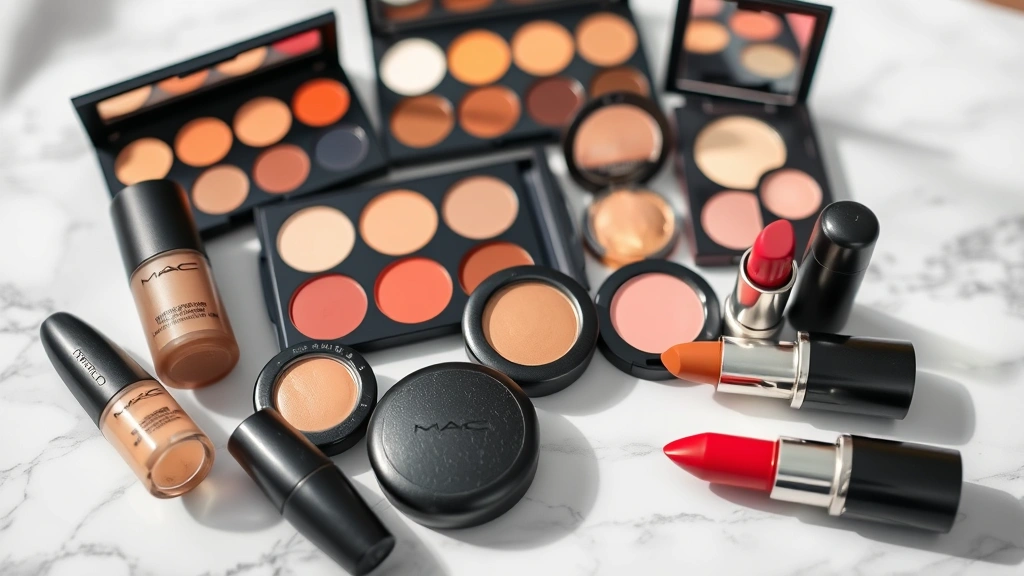
Are Cosmetic Samples Worth It? Expert Opinion on Testing Before You Invest
Cosmetic samples have become increasingly prevalent in the beauty industry, offering consumers a practical way to test products before committing to full-sized purchases. Whether you’re exploring a new cosmetics foundation or investigating skincare ingredients like skincare products with ceramides, samples represent a low-risk entry point into unfamiliar brands and formulations. But are they truly worth your time and effort to collect and use?
The answer depends on multiple factors: your skin type, budget constraints, sensitivity to ingredients, and commitment to a proper testing protocol. Dermatologists and beauty experts widely acknowledge that samples serve a legitimate purpose in the consumer decision-making process, particularly for those with reactive or combination skin that requires careful product evaluation. This comprehensive guide examines the genuine value of cosmetic samples, explores when they’re most beneficial, and reveals how to maximize their effectiveness in your beauty routine.

Why Cosmetic Samples Matter for Skin Health
The primary advantage of cosmetic samples lies in their ability to prevent costly mistakes. Full-sized products typically range from $25 to $150 or more, representing a significant financial investment if the formula proves incompatible with your skin. Samples, usually containing 2-7 days’ worth of product, allow you to conduct a meaningful patch test without financial penalty.
From a dermatological perspective, introducing new products gradually is essential for maintaining skin barrier integrity. When you test a sample over several days, you’re giving your skin adequate time to react to potentially irritating ingredients. This is particularly important if you have combination skin or a history of sensitivity to common cosmetic ingredients like fragrance, essential oils, or certain preservatives.
Samples also provide genuine insight into product performance that marketing materials cannot convey. You’ll discover whether a foundation formula oxidizes on your skin, if a serum absorbs within your preferred timeframe, or whether a moisturizer leaves an uncomfortable residue. These practical observations inform whether a full-size purchase aligns with your actual preferences versus aspirational beauty ideals.
According to research from the American Academy of Dermatology, approximately 40% of consumers experience adverse reactions when introducing new skincare products without proper testing. Samples effectively reduce this percentage by enabling controlled evaluation before full commitment.

The Economics of Sample Testing
Let’s examine the financial mathematics behind sample usage. A typical full-size serum costs $60-$100 for 30ml. If that product causes irritation or doesn’t match your expectations, you’ve lost $60-$100. A sample containing 3ml represents roughly 10% of the product but costs you nothing.
Consider this scenario: you’re interested in the IT Cosmetics Celebration Foundation but unsure whether the shade or formula suits your skin tone. Requesting a sample prevents a $38 mistake if the undertone clashes with your complexion. Over a year, strategic sample testing could save you $200-$400 in mismatched purchases.
However, samples only provide value if you actually use them systematically. Collecting samples without testing them wastes the opportunity. Beauty experts recommend maintaining a sample testing schedule: dedicate one week to each sample, keeping detailed notes on texture, absorption, longevity, and skin response.
The time investment also factors into the equation. If you spend two hours researching brands, visiting stores, and requesting samples to save $50 on a single product, the hourly rate doesn’t justify the effort. Samples work best when you’re already shopping for products or when testing multiple options simultaneously.
Samples by Skin Type: Who Benefits Most?
Cosmetic samples prove most valuable for individuals with sensitive, reactive, or combination skin types. If your skin tolerates most products well, samples offer less practical benefit since full-size purchases rarely disappoint.
Sensitive Skin: Those with sensitive skin absolutely benefit from samples. Introducing active ingredients like retinol, vitamin C, or niacinamide requires careful monitoring. A sample allows you to start with the lowest frequency (perhaps twice weekly) and gradually increase usage while observing your skin’s response. This cautious approach prevents the irritation, redness, and barrier damage that can occur with sensitive formulations.
Combination Skin: Combination skin presents unique challenges because different facial zones have different needs. Samples let you test whether a product works across your entire face or only in specific areas. You might discover that a hydrating moisturizer works beautifully on your cheeks but causes congestion on your oily T-zone. This information directly influences whether purchasing a full size makes sense.
Acne-Prone Skin: For those managing acne, even single-use samples can trigger breakouts if the formula contains comedogenic ingredients. Testing a sample over 5-7 days provides sufficient time to assess whether a product causes congestion or worsening inflammation. This is particularly important when evaluating benefits of aloe vera gel for face and other soothing ingredients that may or may not suit your specific acne triggers.
Normal Skin: Individuals with normal, resilient skin can often skip the sample stage and confidently purchase full-size products, particularly from established brands with consistent formulations. However, samples still provide value when experimenting with new product categories or brands outside your usual preferences.
Testing Ingredients and Formulations
Samples become essential when you’re evaluating specific ingredient benefits or investigating potential allergens. If you’re interested in exploring products containing particular actives—such as hyaluronic acid, niacinamide, or glycolic acid—samples allow ingredient testing without financial risk.
The ingredient testing process works best when you introduce one new product at a time. If you simultaneously start three new serums from samples, you won’t know which ingredient caused any potential reaction. Dermatologists recommend the “one-week rule”: test a single new product for one full week before introducing another variable.
Samples also help you understand your personal ingredient preferences. You might discover that you prefer lightweight hydrating serums over heavier oils, or that your skin responds better to chemical exfoliants than physical scrubs. These preferences inform your full-size purchasing decisions and help you avoid expensive mistakes based on marketing rather than actual performance.
For those with specific allergies or sensitivities, samples provide invaluable reassurance. If you’re allergic to fragrance but unsure about unscented formulations, a sample lets you confirm tolerance before purchasing. The same applies to those avoiding specific preservatives, emulsifiers, or botanical extracts.
Smart Strategies for Collecting Samples
Effective sample collection requires intentional strategy rather than indiscriminate accumulation. Here are expert-recommended approaches:
- Request samples during beauty consultations: Department store beauty counters and specialty retailers like Sephora actively provide samples. During foundation shade matching or skincare consultations, ask for samples of products you’re considering. Staff expect these requests and maintain sample inventory specifically for this purpose.
- Participate in brand loyalty programs: Many cosmetics brands offer samples as loyalty rewards or with first-time purchases. Signing up for brand newsletters often triggers welcome samples. These targeted samples align with your stated interests, increasing the likelihood you’ll actually use them.
- Take advantage of beauty box subscriptions: Services like Ipsy, Birchbox, and Glossybox deliver curated samples monthly. While you don’t choose specific products, these subscriptions expose you to new brands and formulations you might not independently research.
- Shop during promotional events: Department stores frequently offer sample gifts with purchase during seasonal promotions. These bundles often include complementary products—like a serum sample bundled with a moisturizer sample—allowing you to test coordinated routines.
- Online brand websites: Many cosmetics brands offer sample sets or sample packs directly through their websites, sometimes free with purchase or available for nominal shipping costs. This approach lets you select specific products rather than receiving random samples.
- Beauty expos and trade shows: Attending beauty events provides access to numerous brand representatives offering samples. This concentrated sampling opportunity lets you test multiple brands in a single afternoon.
The key to successful collection: only request samples for products you genuinely consider purchasing. Collecting samples for entertainment wastes your time and the brand’s resources.
How to Maximize Sample Value
Simply possessing samples doesn’t guarantee value—you must use them strategically. Here’s how to extract maximum benefit:
Create a testing schedule: Dedicate specific weeks to sample testing. Rather than randomly using samples whenever you feel like it, assign each sample a testing week. This systematic approach ensures you complete testing before samples expire (typically 6-12 months after opening).
Keep detailed notes: Document your observations about texture, scent, absorption rate, how your skin looks and feels after application, and any irritation or positive changes. These notes become invaluable when deciding whether to purchase full-size products. After testing 10-15 samples, you’ll have concrete data about your preferences rather than relying on memory.
Test during consistent conditions: Avoid testing samples during stressful periods, hormonal changes, or when your skin is already compromised. You want to evaluate the product’s actual performance, not how it performs on stressed or inflamed skin. Test during stable periods of your skin cycle for accurate results.
Use adequate quantities: Many people use samples too sparingly, thinking they need to make them last. This defeats the purpose—use the recommended amount so you accurately experience the product’s performance. If a moisturizer calls for a pea-sized amount, use exactly that, not half.
Consider the NYX Cosmetics Setting Spray approach for makeup samples: When testing makeup samples, use them with your complete routine to assess compatibility. A foundation sample tested alone differs from foundation tested with your usual primer, concealer, and setting spray. Evaluate products within your actual application context.
Share samples with trusted friends: If you determine a sample isn’t right for you, but a friend has similar skin type and concerns, sharing samples accelerates feedback. Your friend’s experience with the product provides additional perspective and confirms whether the product’s unsuitability relates to your specific skin or represents a genuine product limitation.
Understanding Sample Limitations
While valuable, cosmetic samples have meaningful limitations that impact their effectiveness:
Insufficient quantity for true assessment: Some samples contain only 1-2 applications’ worth of product. This quantity doesn’t provide adequate time for your skin to fully respond. Serums and treatments may require 7-14 days of consistent use before benefits become apparent. A sample with only 2ml may run out before meaningful results emerge.
Packaging differences: Samples often use different packaging than full-size products. A serum in a sample bottle with a dropper may perform differently than the same serum in a pump bottle, due to oxidation exposure and application method variations. The full-size experience might differ subtly from the sample experience.
Shelf life and storage concerns: Samples may have shorter shelf lives than full-size products due to extended time in warehouse or retail storage before reaching you. By the time you test a sample, it might be partially degraded, not representing the product’s optimal performance. Check sample expiration dates and note the manufacturing date when possible.
Batch variations: Manufacturing batches sometimes vary slightly in formula consistency, color, or scent. A sample from batch A might perform differently than the full-size product from batch B. This rarely causes major differences, but it’s worth acknowledging.
Psychological bias: Knowing you’re testing a sample (as opposed to a full-size product) can influence your perception. The expectation that a sample is somehow inferior may bias your evaluation. Conversely, the excitement of trying something new might bias you positively. Try to evaluate samples objectively, as if you’d purchased them full-size.
Limited ingredient combinations: Samples don’t let you test how a product interacts with your complete skincare routine. You might test a serum in isolation, but its actual performance when layered under your usual moisturizer and sunscreen differs. Full-size purchases eventually reveal these compatibility issues that samples cannot.
FAQ
How long should I test a cosmetic sample before deciding to purchase the full size?
Dermatologists recommend testing for a minimum of one week, ideally two weeks, before making a purchase decision. This timeframe allows your skin to fully respond to new ingredients and reveals whether irritation, sensitivity, or incompatibility exists. For active ingredients like retinol or chemical exfoliants, testing for 2-3 weeks provides better insight into tolerance and results.
Are cosmetic samples from department stores the same quality as full-size products?
Yes, samples contain identical formulations to full-size products. They’re not diluted or altered versions—they’re simply smaller quantities of the exact same formula. The only differences relate to packaging and potentially how long the sample has been stored, which might slightly affect product stability.
Where’s the best place to request cosmetic samples?
Department store beauty counters (Sephora, Ulta, Nordstrom, Saks Fifth Avenue) offer the most generous sampling policies. Specialty beauty retailers actively provide samples during consultations. Brand-specific boutiques also offer samples, particularly for premium brands. Many brands provide samples directly through their websites or customer service departments.
Can samples expire, and how should I store them?
Yes, samples expire like all cosmetic products, typically within 6-12 months of opening. Store samples in cool, dark conditions away from direct sunlight and heat. Keep lids tightly sealed to prevent oxidation and contamination. Check expiration dates before using samples, particularly if you’ve stored them for several months.
Is it worth collecting samples if I have non-sensitive skin?
Samples provide less critical value for resilient skin types but still offer benefits when testing new product categories, brands, or formulations you’re unfamiliar with. If you consistently purchase from the same trusted brands, samples become less essential. However, they’re still worthwhile when exploring new ingredients or price points.
How do I know if a sample reaction reflects the product or my skin condition?
Test samples during stable skin periods when you’re not stressed, hormonal, or dealing with existing irritation. If you test during a breakout or period of sensitivity, you can’t accurately determine whether the product caused the reaction or your skin’s current state did. Repeat testing during different skin conditions confirms whether the product itself is problematic.