Laser Treatments for Acne Scars? Expert Insights on Cosmetic Skin and Laser Technology
Acne scars represent one of the most persistent reminders of past breakouts, affecting approximately 95% of people who have experienced severe acne. While traditional skincare approaches—including consistent skincare routines for minimizing pores and targeted serums—can improve surface texture, they often fall short when addressing deeper scarring. This is where modern laser technology enters the conversation, offering dermatologists and cosmetic specialists powerful tools to resurface skin, stimulate collagen production, and dramatically reduce the appearance of acne scars.
The evolution of cosmetic skin and laser treatments has transformed how we approach scar revision. Rather than accepting permanent indentations or raised marks, patients now have access to multiple laser modalities, each targeting different scar types and depths. Understanding which laser treatment suits your specific scar morphology, skin tone, and healing capacity is essential for achieving optimal results while minimizing complications.
Understanding Acne Scar Types and Laser Suitability
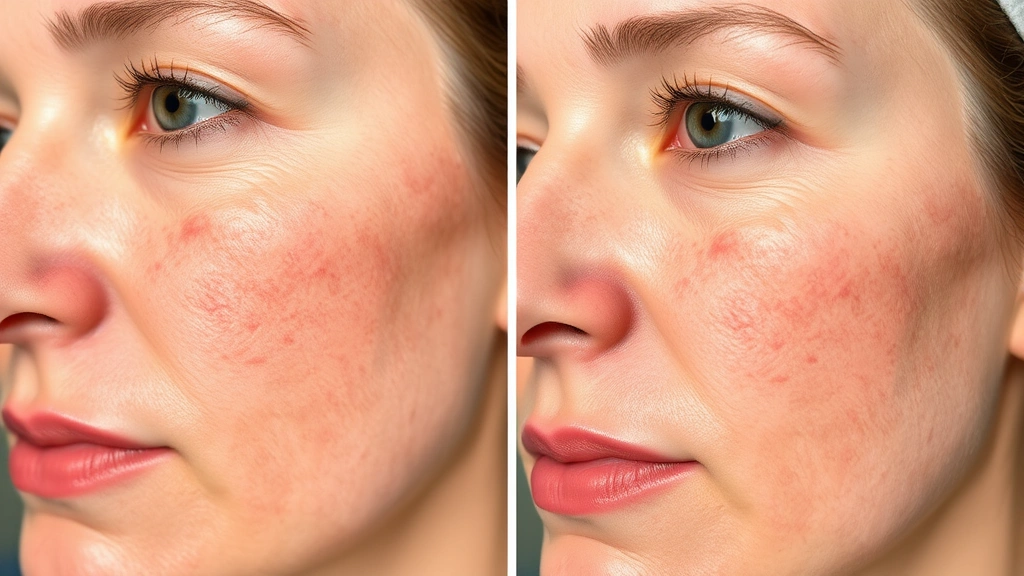
Acne scars manifest in distinct morphologies, each requiring different treatment approaches. Atrophic scars—the most common type—appear as depressed indentations in the skin. These include ice-pick scars (narrow, deep punctures), boxcar scars (wider, angular depressions), and rolling scars (undulating, wave-like patterns). Hypertrophic and keloid scars, conversely, represent raised tissue buildup where the skin has produced excess collagen during healing.
The depth, width, and density of your scars directly influence which laser wavelengths and delivery systems will prove most effective. Shallow atrophic scars respond beautifully to ablative and non-ablative fractional lasers, while deeper boxcar scars may require combination approaches. Hypertrophic scars benefit from different laser parameters and often need longer wavelengths that penetrate without aggressive ablation.
Dermatologists assess scar severity using the Goodman and Baron scale, which grades scarring from mild (barely visible) to severe (obvious at social distance). This classification helps predict treatment duration, number of sessions needed, and realistic outcome expectations. Before committing to any laser treatment, professional assessment of your specific scar pattern is non-negotiable.
Popular Laser Technologies for Scar Treatment
Ablative CO2 Lasers represent the gold standard for significant acne scar revision. These 10,600-nanometer wavelength devices vaporize skin layer-by-layer, removing damaged tissue while simultaneously triggering intense collagen remodeling. Traditional fully ablative CO2 treatments require considerable downtime (7-10 days of visible healing), but modern fractionated versions deliver comparable results with reduced recovery periods. Fractionated CO2 lasers create microscopic treatment zones, leaving islands of untreated skin that accelerate healing.
The American Academy of Dermatology recognizes fractionated CO2 as highly effective for moderate-to-severe atrophic scarring, with studies showing 50-90% improvement in scar appearance after 3-5 treatments spaced 4-8 weeks apart.
Erbium:YAG Lasers operate at 2,940 nanometers, offering more precise tissue ablation with less thermal damage to surrounding skin. While slightly less aggressive than CO2 lasers, they produce superior results for patients with darker skin tones and those seeking gentler resurfacing. Erbium:YAG treatments typically require 5-7 days of recovery with less erythema and edema compared to CO2 counterparts.
Non-ablative Fractional Lasers (1,550-nanometer erbium glass and 1,927-nanometer thulium devices) preserve the epidermis while creating deep dermal injury patterns. These technologies suit patients prioritizing minimal downtime, though they generally require more treatment sessions (6-12) to match ablative results. Non-ablative options work exceptionally well for superficial scars and as maintenance treatments after ablative procedures.
Picosecond Lasers deliver ultra-short pulse durations (trillionths of a second), creating photomechanical effects rather than relying solely on thermal injury. These devices show promise for atrophic scars while potentially reducing post-inflammatory hyperpigmentation risk in darker skin types. Picosecond technology represents a newer frontier in scar revision with evolving clinical data.
Radiofrequency Microneedling combines fine needling with radiofrequency energy, creating controlled micro-injuries that stimulate collagen without true ablation. While technically not a laser, this cosmetic skin technology deserves mention for its effectiveness on mild-to-moderate scars with minimal downtime and excellent safety profile across skin tones.
How Laser Energy Transforms Scarred Skin
The mechanism behind laser scar treatment involves multiple biological processes occurring simultaneously. When laser energy contacts scarred tissue, it creates controlled thermal injury that triggers the body’s natural wound-healing cascade. This process, called neocollagenesis, involves fibroblast activation and reorganization of existing collagen architecture.
Scarred skin contains abnormally structured collagen bundles arranged in haphazard patterns, creating visible depressions or raised areas. Laser-induced injury essentially “resets” this tissue, prompting fibroblasts to deposit new, organized collagen over subsequent weeks and months. This remodeling process continues for 6-12 months post-treatment, meaning final results emerge gradually rather than immediately.
Ablative lasers additionally remove damaged epidermis and superficial dermis, eliminating scar tissue directly while simultaneously stimulating regeneration. This dual action—removal plus regeneration—explains why ablative treatments typically outperform non-ablative approaches for severe scarring. Non-ablative lasers rely entirely on collagen stimulation without tissue removal, making them gentler but requiring more sessions for equivalent improvement.
The fractional approach (whether ablative or non-ablative) revolutionized scar treatment by creating treatment zones interspersed with untreated skin. This pattern accelerates healing, reduces complications, and allows for more aggressive parameters without excessive downtime. Modern fractional CO2 devices, for example, treat only 15-40% of skin surface per session, leaving 60-85% intact to facilitate rapid healing.
Treatment Protocols and Recovery Expectations
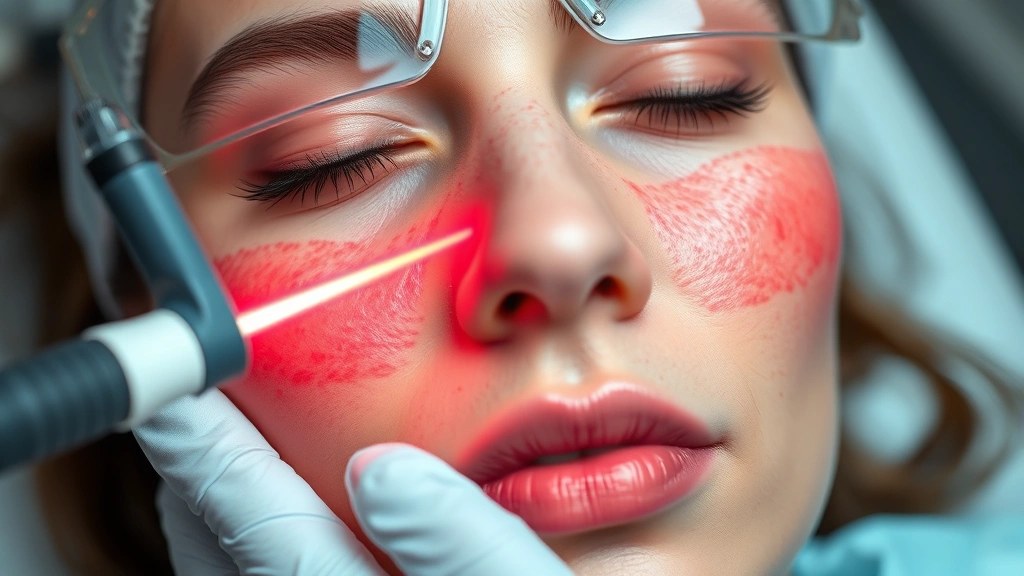
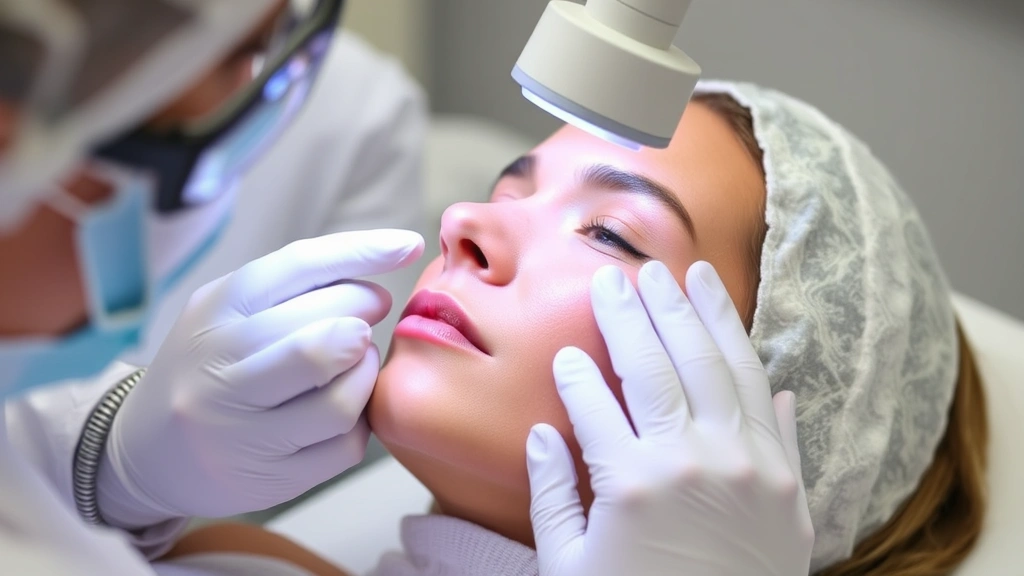
Laser scar treatment protocols vary dramatically based on technology choice, scar severity, and individual healing capacity. A typical fractionated CO2 treatment session lasts 30-45 minutes, during which topical anesthesia and sometimes local infiltration provide comfort. Immediately post-treatment, skin appears red, swollen, and may feel raw—similar to a moderate sunburn.
With fractionated CO2, most patients experience 3-5 days of significant social downtime, with visible scabbing and exudation. By day 5-7, scabs typically shed and redness begins fading, though pink discoloration persists for 2-4 weeks. Complete healing, including resolution of erythema and full collagen reorganization, requires 3-6 months. Makeup can usually resume after 7-10 days once skin barrier integrity restores, though gentle, non-comedogenic formulations are essential during recovery.
Non-ablative fractional laser recovery proves considerably gentler. Most patients experience mild erythema and occasional pinpoint bleeding lasting 24-48 hours. Makeup application is generally acceptable within 24 hours, and normal activities resume immediately. However, the trade-off involves requiring 8-12 sessions spaced 2-4 weeks apart to achieve results comparable to 3-5 ablative treatments.
Treatment spacing matters significantly for safety and efficacy. Dermatologists typically recommend 4-8 week intervals between sessions, allowing adequate healing and collagen remodeling. Treating too frequently risks complications including prolonged erythema, increased infection risk, and paradoxical scar worsening. Conversely, spacing treatments too far apart may reduce cumulative collagen stimulation.
Combining Lasers with Other Cosmetic Treatments
Progressive dermatologists increasingly combine laser technologies with complementary procedures for superior outcomes. Facial steaming benefits and other preparatory skincare protocols can enhance skin receptivity before laser sessions, though active treatment should pause during laser recovery.
Subcision pairs exceptionally well with laser treatments for rolling scars. This surgical technique involves inserting a needle beneath scar tissue to break fibrous attachments, allowing skin to elevate. Following subcision with fractional laser resurfacing maximizes collagen stimulation and addresses both the mechanical depression and surface texture simultaneously.
Dermal Fillers offer immediate scar camouflage while laser treatments work over months. Hyaluronic acid or poly-L-lactic acid fillers can temporarily elevate depressed scars, providing cosmetic improvement during the 3-6 month laser remodeling period. This combination approach suits patients seeking faster visible results.
Chemical Peels (particularly medium-depth peels using TCA or combination solutions) can complement laser treatments when addressing superficial texture irregularities. However, timing is crucial—peels should either precede laser treatment by several weeks or follow by at least 6-8 weeks to avoid excessive cumulative irritation.
Microneedling with topical growth factors provides a lower-cost, gentler adjunctive option. While less powerful than laser, regular microneedling sessions between laser treatments sustain collagen stimulation and may enhance overall results, particularly for patients seeking extended treatment timelines with minimal downtime.
Makeup choices also matter during combination treatment protocols. While budget cosmetic brands offer affordable coverage, post-laser skin requires non-comedogenic, fragrance-free, and ideally mineral-based formulations. Premium brands like Ulta IT Cosmetics and MAC Cosmetics offer professional-grade options suitable for compromised skin barriers, though any product should be introduced gradually during recovery phases.
Side Effects, Risks, and Skin Tone Considerations
While laser treatments for acne scars boast impressive safety profiles when administered by qualified dermatologists, potential complications deserve thorough discussion. Post-inflammatory hyperpigmentation (PIH) represents the most common side effect, particularly in darker skin types. This darkening of treated areas typically resolves within 3-6 months but can persist longer in susceptible individuals. Strict sun protection (SPF 50+ daily) and sometimes depigmenting agents like hydroquinone or kojic acid help manage PIH.
Post-inflammatory hypopigmentation, conversely, involves temporary or permanent lightening of treated skin. This occurs less frequently than PIH but proves more challenging to treat. Non-ablative lasers and conservative treatment parameters reduce hypopigmentation risk significantly.
Infection risk exists whenever skin barrier integrity is compromised. Ablative treatments carry higher infection potential than non-ablative procedures. Proper wound care, including gentle cleansing and appropriate topical antibiotics during early recovery, minimizes this risk substantially. Patients with active herpes simplex virus (HSV) infections require prophylactic antiviral therapy before laser treatment to prevent viral reactivation.
Scarring paradox—wherein laser treatment theoretically creates new scars while treating existing ones—represents a rare but serious concern. This occurs when aggressive parameters exceed individual healing capacity or when post-treatment care proves inadequate. Choosing experienced practitioners and following post-treatment instructions meticulously prevents this complication.
Atrophy and textural changes can emerge if excessive collagen loss occurs, typically from overly aggressive or too-frequent treatments. This manifests as thinned, translucent skin with loss of normal texture. Conservative treatment spacing and appropriate parameters prevent this outcome.
Skin tone considerations fundamentally impact treatment safety and efficacy. Darker skin types (Fitzpatrick IV-VI) face higher PIH and hypopigmentation risks with traditional ablative lasers. However, longer-wavelength devices (1,927-nanometer thulium, picosecond technology) and non-ablative fractional systems demonstrate superior safety profiles in darker skin. Dermatologists should customize treatment parameters based on skin type rather than applying standardized protocols universally.
Post-Treatment Skincare and Maintenance
Laser scar treatment outcomes depend critically on post-treatment skincare protocols. The first 48 hours represent the most sensitive period. Patients should avoid water immersion (bathing is acceptable with lukewarm water only), harsh cleansers, and active ingredients like retinoids, vitamin C, and acids. Gentle cleansing with non-foaming, pH-balanced cleansers prevents irritation while maintaining skin cleanliness.
Moisturization becomes paramount post-laser treatment. Compromised skin barriers require occlusive, fragrance-free moisturizers containing ceramides, hyaluronic acid, and soothing ingredients like centella asiatica. Products should be patted (never rubbed) onto skin and allowed to dry completely before sun protection application.
Sun protection represents non-negotiable post-laser care. Even minimal sun exposure can trigger PIH, particularly in darker skin types. Daily SPF 50+ broad-spectrum sunscreen (preferably mineral-based to avoid irritation) should be applied 15 minutes before sun exposure and reapplied every two hours. Many dermatologists recommend complete sun avoidance for 2-4 weeks post-treatment when possible.
Incorporating facial toners during recovery requires caution. While hydrating toners containing hyaluronic acid or glycerin provide benefits, avoid astringent formulations containing alcohol or exfoliating acids until skin fully heals (typically 2-3 weeks post-treatment). Once healed, gentle toners support skin pH balance and enhance subsequent product absorption.
Maintenance therapy extends laser benefits substantially. Many dermatologists recommend annual or semi-annual non-ablative laser sessions to sustain collagen remodeling and prevent scar recurrence. These maintenance treatments typically require less aggressive parameters than initial therapeutic sessions, making them gentler and more convenient.
Professional skincare treatments should pause during acute recovery but resume thoughtfully thereafter. Gentle facials, hydrating treatments, and non-invasive therapies support skin health without compromising laser results. However, additional ablative or aggressive resurfacing procedures should space at least 6-12 months apart to allow complete tissue remodeling.
Long-term scar management involves accepting that complete scar elimination rarely occurs—rather, significant improvement (60-90%) represents realistic expectations. Some patients pursue additional treatments beyond initial laser series, while others find post-treatment results sufficiently satisfying. Realistic expectations established during initial consultation prevent disappointment and guide appropriate treatment planning.
FAQ
How many laser treatments do I need for acne scars?
Treatment numbers vary based on scar severity and laser type. Ablative fractional CO2 typically requires 3-5 sessions spaced 4-8 weeks apart for moderate scarring. Non-ablative fractional lasers often need 6-12 sessions for comparable results. Severe scarring may necessitate 8-10+ treatments across multiple modalities. Your dermatologist will customize recommendations based on individual scar assessment and treatment response.
How much does laser scar treatment cost?
Pricing ranges from $500-$3,000 per session depending on technology, treatment area size, and geographic location. Complete treatment courses (multiple sessions) typically cost $3,000-$15,000+. Insurance rarely covers cosmetic laser treatments, though some policies may contribute if scarring affects function. Many practices offer package pricing for multiple sessions, reducing per-session costs.
Can laser treatment make scars worse?
While rare, aggressive laser parameters or inadequate post-treatment care can theoretically worsen scarring through infection, excessive collagen loss, or paradoxical scar formation. Choosing experienced, board-certified dermatologists and strictly following post-treatment protocols minimize this risk virtually to zero. Conservative initial treatment parameters prove safer than overly aggressive approaches.
Is laser treatment safe for dark skin?
Traditional ablative CO2 lasers carry higher complication risks in darker skin types due to PIH and hypopigmentation potential. However, longer-wavelength devices (picosecond, 1,927-nanometer thulium), non-ablative fractional systems, and radiofrequency microneedling demonstrate excellent safety and efficacy in Fitzpatrick IV-VI skin. Dermatologists should customize treatment selection and parameters specifically for darker skin tones rather than applying universal protocols.
When will I see results from laser scar treatment?
Immediate post-treatment swelling and erythema may temporarily obscure results. As swelling resolves (days 5-7), initial improvement becomes apparent. However, optimal results emerge gradually over 3-6 months as collagen remodeling continues. Many patients report continued improvement even 12 months post-treatment. This delayed timeline reflects natural biological healing processes and emphasizes patience during recovery.
Can I combine laser treatment with other scar procedures?
Yes—subcision, dermal fillers, microneedling, and chemical peels complement laser treatments effectively. Subcision paired with fractional laser addresses both mechanical scar attachment and surface texture. Dermal fillers provide immediate improvement while lasers work long-term. However, procedures should space appropriately (typically 4-6 weeks apart) to prevent excessive cumulative irritation and allow adequate healing between sessions.