
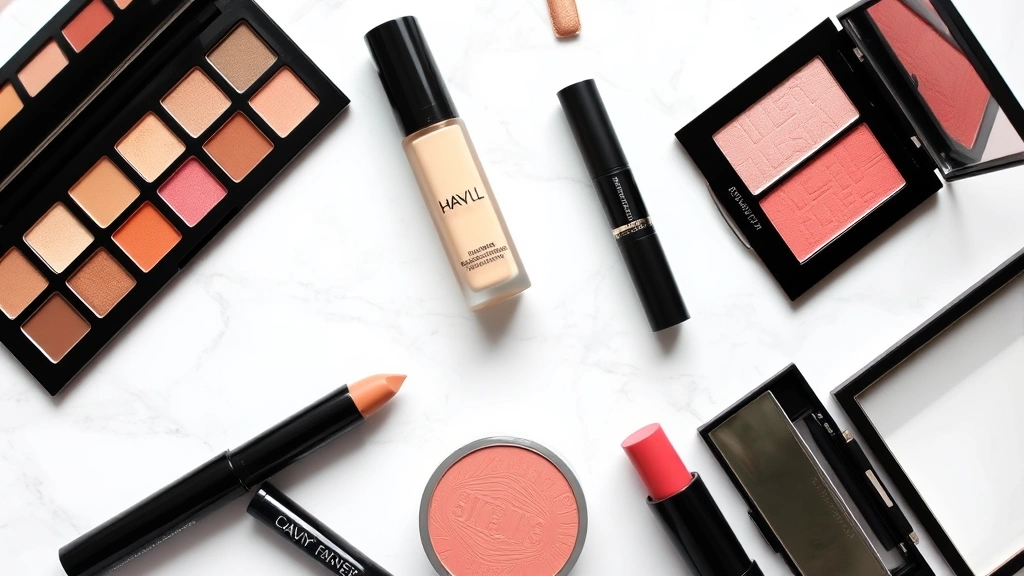
Beginner Makeup Kit Essentials: Expert Recommendations for Your Cosmetic Starter Kit
Building your first cosmetic starter kit can feel overwhelming with countless products, brands, and techniques available. Whether you’re a complete beginner or transitioning from minimal makeup, understanding which essentials truly matter sets the foundation for a successful beauty routine. This guide breaks down the must-have products that professional makeup artists and dermatologists recommend for anyone starting their makeup journey.
A well-curated beginner makeup kit doesn’t require spending hundreds of dollars or owning thirty different products. Instead, focusing on quality basics that work across multiple skin types and tones ensures you’ll actually use everything in your collection. We’ve consulted industry experts, cosmetic chemists, and beauty professionals to identify the products that deliver the best results for newcomers.
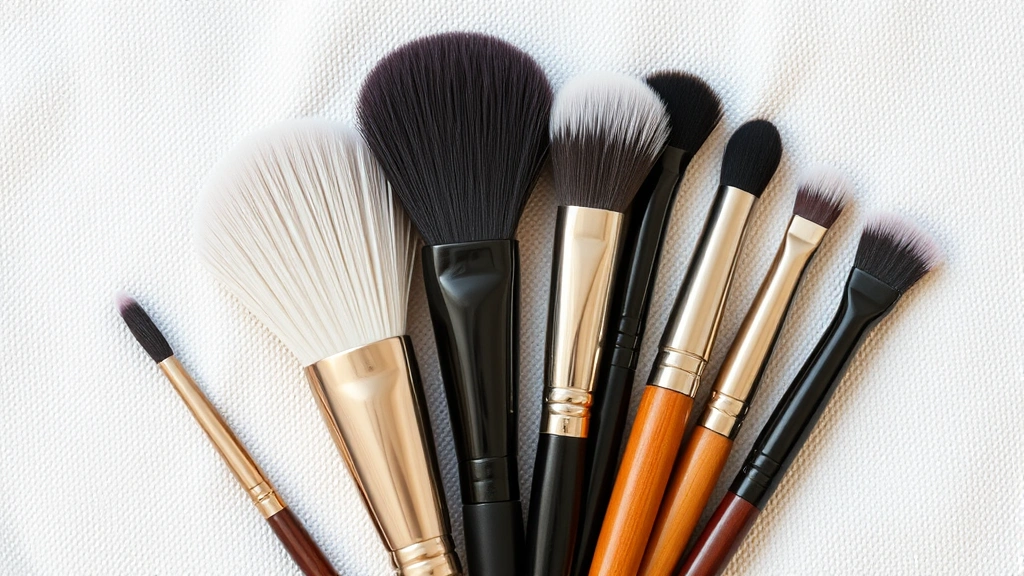
Face Base Products: Foundation and Primer
The foundation of any makeup look starts with proper base products. Before applying any color cosmetics, your skin needs preparation and coverage. A primer creates a smooth canvas by minimizing pores, extending makeup wear time, and helping products adhere better throughout the day. Look for primers that match your skin type: mattifying formulas for oily skin, hydrating primers for dry skin, and balanced options for combination skin types.
Foundation serves as your primary coverage product, evening out skin tone and creating a blank slate for other makeup. For beginners, liquid foundations offer the most versatility and easiest application compared to powders or sticks. When selecting foundation, match it to your jawline in natural lighting—the shade should disappear seamlessly without appearing ashy or orange. Many beauty experts recommend starting with one foundation and mastering application techniques before experimenting with multiple shades.
Concealer deserves special attention in your starter kit. Beyond covering blemishes, concealer addresses dark circles under eyes, which can make you appear tired even with a flawless complexion. Choose a concealer one to two shades lighter than your foundation for brightening under-eye areas. Cream concealers work beautifully for dry skin, while liquid formulas suit oily skin better.
Setting powder completes your base routine by locking everything in place. A translucent powder works universally across all skin tones without adding unwanted color. Use it sparingly on the T-zone and under eyes where makeup tends to crease or fade first. Beginners often over-apply powder, which can create a cakey, unnatural appearance—less is always more with this product.
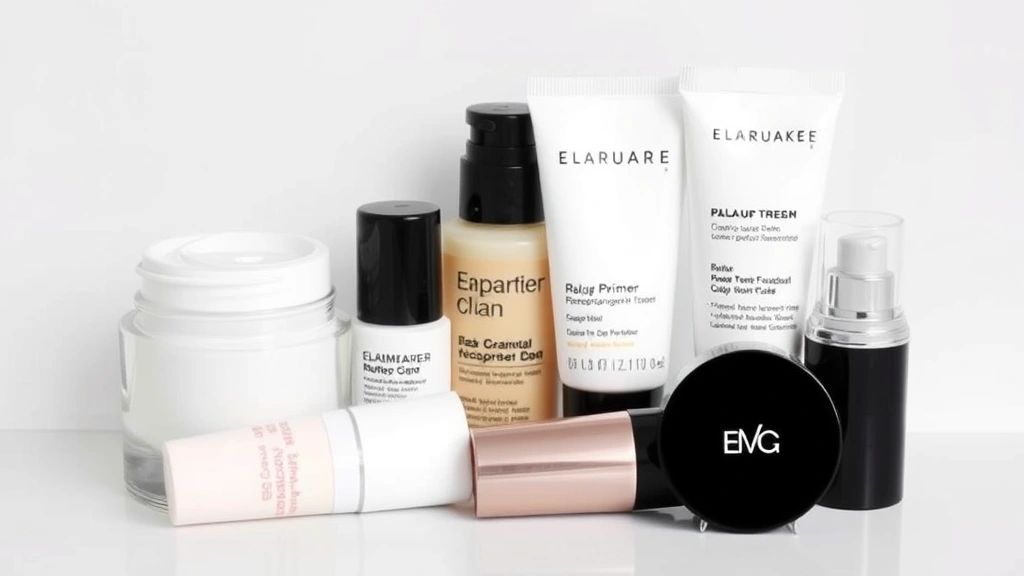
Essential Brushes and Application Tools
Quality brushes and tools elevate your makeup application dramatically. Unlike many beauty products, brushes represent a worthwhile investment that lasts years when properly maintained. For a beginner’s cosmetic starter kit, focus on these essential brushes: a foundation brush, powder brush, eyeshadow blending brush, eyeliner brush, and lip brush.
An IT Cosmetics brush offers professional-quality construction at accessible price points. Their dense synthetic fibers work beautifully with liquid and cream products while remaining easy to clean. If budget is a concern, our guide to best cheap cosmetic brushes identifies quality options under twenty dollars.
Beyond traditional brushes, beauty sponges like the original Beauty Blender provide seamless, airbrushed foundation application. Sponges work particularly well for blending foundation into skin without visible brush strokes. Dampen your sponge slightly before use—this prevents product absorption and allows smoother blending. Replace sponges every three months as bacteria accumulation affects both application quality and skin health.
Eyelash curlers represent an often-overlooked essential that transforms eye makeup. Curling lashes before mascara application opens up the eye area and amplifies the impact of any eyeshadow or eyeliner. Invest in a quality eyelash curler with cushioned pads that grip lashes gently without pinching skin.
Eye Makeup Fundamentals
Eye makeup forms the focal point of most makeup looks, making eyeshadow selection crucial for beginners. Rather than purchasing individual eyeshadows, start with a versatile palette offering neutral shades in matte and shimmer finishes. Neutral palettes work for any occasion and teach fundamental blending techniques before exploring bold colors.
Morphe Cosmetics Eyeshadow palettes consistently receive recommendations from makeup educators for their smooth texture, excellent pigmentation, and beginner-friendly shade ranges. Quality eyeshadow blends seamlessly, applies with minimal fallout, and lasts throughout the day without creasing.
Eyeliner comes in multiple formulas—pencil, liquid, gel, and powder. Pencil eyeliners offer the most forgiving application for beginners, allowing gradual build-up and easy correction. Brown or dark brown eyeliner appears less harsh than black while still defining eyes effectively. Save dramatic winged eyeliner looks for after you’ve mastered basic application.
Mascara completes eye makeup by adding volume, length, and definition to lashes. For beginners, volumizing mascaras prove easier to apply than lengthening formulas. A single coat often provides sufficient impact; multiple coats risk clumping and uneven appearance. Choose a mascara formula that separates lashes rather than clumping them together.
Lip and Cheek Color Products
Cheek and lip products add dimension and vitality to your complexion. Blush brings color to the apples of your cheeks, creating a youthful, healthy appearance. For your starter kit, select one universal shade that flatters your undertone—peachy tones suit warm undertones while rosy or mauve shades complement cool undertones.
Cream blushes offer foolproof application for beginners compared to powders, which require practice to apply evenly. Cream formulas blend easily with fingers or brushes and provide natural-looking color that appears to come from within. They also work beautifully over primers and foundations without disturbing base makeup.
Lipstick or lip tint rounds out essential color products. Liquid lipsticks offer long-wearing formulas perfect for all-day wear, while traditional lipsticks provide easier application and removal. For beginners nervous about bold lip color, tinted lip balms deliver subtle color while maintaining comfortable, moisturized lips. Consider your undertone when selecting lip shades—warm undertones shine in oranges and warm reds, while cool undertones flatter blues-based reds and berry tones.
Lip liner prevents feathering and extends lipstick wear time. Match your lip liner shade closely to your lipstick or natural lip tone for seamless application. Beginners often struggle with precise lip lining—practice with a neutral shade before attempting bold lip colors.
Setting and Finishing Products
Setting sprays extend makeup longevity throughout your day, particularly important for long workdays or special events. NYX Cosmetics Setting Spray offers affordable, effective formulas that prevent makeup fading and smudging without feeling stiff or uncomfortable. Apply setting spray after completing your entire makeup look for best results.
Makeup setting sprays come in two primary types: hydrating and mattifying. Choose hydrating sprays if you have dry skin, as mattifying formulas can accentuate dry patches and flaking. Mattifying sprays work beautifully for oily skin, controlling shine and extending wear time significantly.
Highlighter adds luminosity and dimension to cheekbones, brow bones, and the bridge of the nose. Beginners should start with subtle, satin-finish highlighters rather than intense glitter formulas. Apply highlighter sparingly to high points of the face where light naturally hits—overdoing highlighter creates an unnatural, overly shiny appearance.
Setting powder deserves mention again here, as it represents your final step before setting spray. Focus powder application on areas prone to creasing: inner eyelids, under eyes, and the center of the face. This targeted approach maintains natural skin texture while preventing makeup breakdown in key areas.
Skincare Preparation Steps
Proper skincare forms the essential foundation for any makeup application. Makeup applies more smoothly, lasts longer, and looks more professional over well-prepared skin. Begin with a gentle cleanser appropriate for your skin type, followed by a hydrating toner or essence that balances pH levels post-cleansing.
Moisturizer prevents makeup from looking patchy or cakey by creating a hydrated base. Even oily skin requires lightweight moisturizer to maintain healthy skin barrier function. Allow moisturizer to fully absorb—typically five to ten minutes—before applying primer and foundation. This prevents product pilling and ensures smooth, even coverage.
Sunscreen should be your final skincare step before makeup, protecting skin from UV damage that causes premature aging and dark spots. Mineral sunscreens work beautifully under makeup without creating excessive shine, while chemical sunscreens offer lightweight formulas that won’t interfere with foundation application.
For those dealing with enlarged pores, follow our comprehensive guide on skincare routine for big pores to minimize their appearance before makeup application. Pore-minimizing primers work synergistically with proper skincare to create smooth, even skin texture that makeup adheres to beautifully.
Exfoliation, performed two to three times weekly, removes dead skin cells that prevent smooth makeup application. Over-exfoliation damages skin barrier and increases irritation, so beginners should start conservatively with gentle chemical exfoliants before advancing to physical scrubs.
FAQ
What’s the minimum number of products needed in a beginner makeup kit?
A truly minimal kit includes primer, foundation, concealer, mascara, blush, and lip color—six products that create a complete, polished look. Add brushes, eyeliner, and eyeshadow for slightly more versatility. Quality matters more than quantity at this stage.
How much should I spend on my first cosmetic starter kit?
Budget-conscious beginners can assemble quality kits for seventy-five to one hundred dollars by focusing on drugstore brands and affordable luxury options. Mid-range spending of one hundred fifty to two hundred fifty dollars allows for better quality formulas and tools that last longer. Avoid spending excessively until you understand your preferences and application skill level.
Should I match my foundation to my neck or face?
Always match foundation to your jawline in natural lighting, where face and neck meet. This ensures seamless blending without visible demarcation lines. Face tone often differs from neck tone, so jawline matching prevents obvious foundation lines.
How often should I replace makeup products?
Liquid foundations and concealers last twelve to eighteen months, while powders last two to three years. Mascara requires replacement every three months due to bacterial growth. Cream products stored in jars need replacement every six to twelve months as fingers introduce bacteria with each use. Brushes last years with proper cleaning.
Can I use the same brushes for cream and powder products?
Yes, quality brushes work across both formulas. However, using separate brushes prevents color mixing and extends brush life. Powder products don’t require as frequent cleaning as cream products, reducing overall maintenance burden with dedicated brushes.
What’s the best way to organize my cosmetic starter kit?
Store makeup in a cool, dry place away from direct sunlight, which degrades formulas. Use drawer organizers or makeup bags to keep products grouped by category—face products together, eye products together, et cetera. This system prevents product loss and makes morning routines faster. Keep frequently used items in easily accessible locations.
How do I prevent makeup from looking cakey?
Use less product than you think necessary, building coverage gradually with thin layers. Apply primer and moisturizer properly to prevent makeup from clinging to dry patches. Blend thoroughly using appropriate tools—sponges for foundation, brushes for powder products. Set with spray rather than additional powder for natural-looking finish.