Beginner’s Cosmetic Kit: Expert Picks Included
Starting your makeup journey can feel overwhelming with countless brands, formulations, and product categories competing for your attention. Whether you’re a complete beginner or transitioning from minimal makeup use, a cosmetic starter kit serves as your foundation for building a personalized beauty routine. The key to success isn’t investing in expensive luxury brands—it’s understanding which essential products work best for your unique skin type and undertone.
This comprehensive guide breaks down everything you need to know about assembling your first cosmetic kit, featuring expert recommendations from makeup artists, dermatologists, and beauty chemists. We’ll explore foundational products, application techniques, and budget-friendly alternatives that deliver professional results without breaking the bank.
Essential Products for Your First Kit
A well-rounded cosmetic starter kit should contain 8-12 core products that allow you to create multiple looks while remaining manageable for beginners. The foundation of any kit includes a primer, foundation, concealer, powder, eyeshadow palette, eyeliner, mascara, blush, and lip color. These products work synergistically to create a polished appearance while allowing room for experimentation and personal expression.
Dermatologists emphasize that skin preparation is crucial before applying any makeup. This means starting with a clean, moisturized base and using products compatible with your skin type. Oily skin requires different products than dry or combination skin, and understanding your skin’s needs prevents breakouts, irritation, and product waste.
When selecting your first products, prioritize quality over quantity. It’s better to own five high-performing products than fifteen mediocre ones. Look for formulations that offer multiple benefits—such as skincare products with peptides in your base products—to streamline your routine while supporting skin health.
Face Base and Foundation
The face base consists of primer and foundation, the two most critical products in your cosmetic starter kit. A primer creates a smooth canvas by filling pores, controlling oil, and extending makeup longevity. For beginners, a mattifying primer works universally across skin types, though silicone-based primers offer superior grip for eyeshadow and foundation.
Foundation selection depends entirely on your skin type and undertone. Fair skin with cool undertones suits pink or red-based foundations, while warm undertones pair better with golden or peachy formulations. Medium and deep skin tones have more undertone diversity—some individuals have neutral, warm, or cool undertones regardless of depth. The best approach involves testing foundations in natural light or using shade-matching tools at beauty counters.
Liquid foundations offer buildable coverage and blend seamlessly into skin, making them ideal for beginners. Stick foundations provide higher coverage but require more blending skill. Powder foundations work best for oily skin and touch-ups throughout the day. Start with one liquid foundation in your exact shade before expanding your collection.
Concealer serves two purposes: covering blemishes and brightening under-eye areas. Choose a concealer one to two shades lighter than your foundation for brightening, or match your foundation shade for blemish coverage. Cream concealers work well for dry skin, while liquid formulas suit oily or combination skin.
Setting powder locks everything in place while controlling shine. Translucent powders work on all skin tones and add minimal color. Avoid heavy powdering—use a light hand with a fluffy brush to maintain a natural, skin-like finish. A quality cosmetic mirror with lights helps you apply powder evenly and assess coverage accurately.

Eyes: Shadows, Liners, and Mascaras
Eye makeup creates the most dramatic impact in any look, which is why investing in quality eyeshadow, eyeliner, and mascara pays dividends. Morphe Cosmetics Eyeshadow palettes offer excellent beginner-friendly options with neutral, blendable shades that work across multiple eye shapes and skin tones.
For your first eyeshadow palette, select a neutral palette with matte and shimmer finishes. Matte shades create definition and depth, while shimmer shades add dimension and highlight. A palette containing cream, taupe, brown, and bronze shades provides endless combination possibilities. Avoid overly trendy colors until you’ve mastered basic application techniques.
Eyeliner comes in pencil, liquid, and gel formats. Pencil liners are most forgiving for beginners—they’re easier to control and correct than liquid liners. Soften pencil lines with a blending brush for a more wearable everyday look. Gel liners offer precision and longevity once you develop steady-hand skills.
Mascara dramatically enhances eyes by adding volume, length, and definition. A single volumizing mascara in black or brown works for most beginners. Apply mascara to upper lashes first, wiggling from root to tip, then apply to lower lashes for a balanced look. Waterproof formulas resist humidity and tears but require proper removal with makeup remover to prevent lash damage.
Eyebrow products complete the eye area. Brow pencils, powders, or gels define and shape eyebrows, framing your entire face. Match brow color to your hair color or go one shade lighter for a softer appearance. Fill in sparse areas gently, following your natural brow shape.
Lips and Cheeks
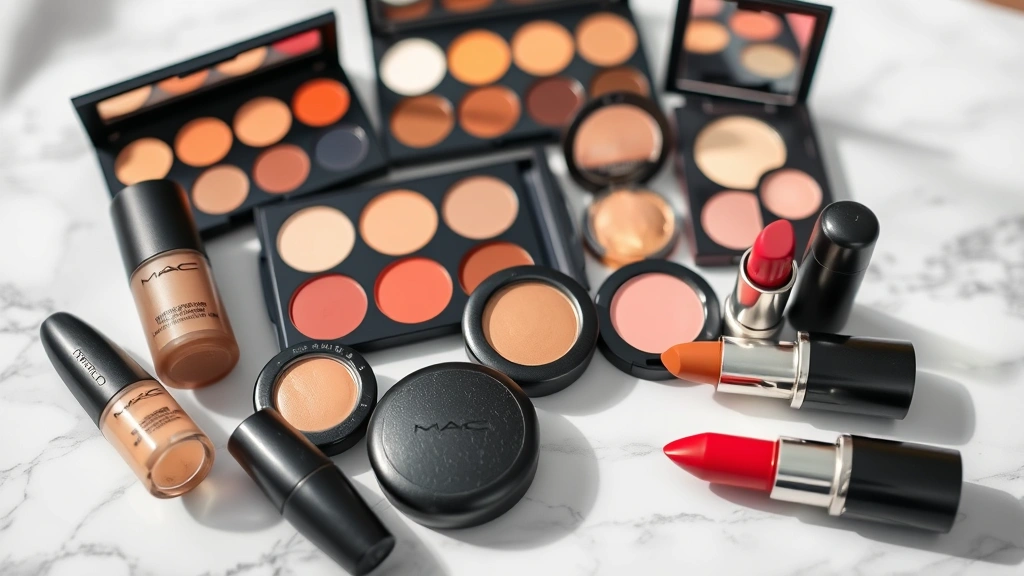
Lip and cheek products add color, dimension, and vitality to your complexion. MAC Cosmetics Lipstick represents a professional standard for beginners, though numerous affordable alternatives deliver comparable quality and color range.
Lip products include lipstick, lip gloss, and lip stains. Matte lipsticks offer longevity and bold color, while glosses provide shine and hydration. Lip stains deliver color with a natural finish and excellent wear time. For your starter kit, choose one neutral lip color that complements your undertone—a warm nude for warm undertones or a cool pink for cool undertones.
Blush adds dimension to cheeks and creates a youthful, healthy appearance. Powder blushes blend easily and offer good pigmentation, making them ideal for beginners. Cream blushes provide a natural flush but require more blending skill. Select a blush shade complementary to your undertone: peachy or warm pink for warm skin, cool pink or berry for cool skin, and warm terracotta or deep plum for deep skin tones.
Bronzer and highlighter enhance your complexion further. Bronzer adds warmth and definition, while highlighter catches light on cheekbones, brow bones, and the bridge of the nose. Both products are optional for beginners but elevate your makeup significantly once mastered.
Brushes and Tools
Quality brushes and tools directly impact makeup application and blending. Beginners often make the mistake of purchasing massive brush sets—instead, invest in 5-7 essential brushes that serve multiple purposes.
Essential brushes include a foundation brush (flat or stippling for even coverage), a blending brush (fluffy round for seamless eyeshadow blending), a pencil brush (small and precise for eyeliner and eyeshadow details), a powder brush (large and fluffy for setting powder), a blush brush (angled or round for cheek application), and a lip brush (small and flat for precise lip application).
Synthetic brushes work best for cream and liquid products, while natural hair brushes suit powder products better. However, modern synthetic brushes perform excellently across all product types. Wash brushes weekly with gentle shampoo to maintain bristle quality and prevent bacterial growth.
Beauty sponges like the Beauty Blender revolutionized foundation application. These damp sponges blend foundation seamlessly while using less product than brushes. Beginners find sponges more forgiving than brushes, though mastering both techniques provides flexibility.
Budget-Friendly Alternatives
Professional makeup doesn’t require luxury price tags. Cheap cosmetic brands offer impressive quality and performance at fraction of luxury prices. Drugstore brands like Maybelline, NYX, and Wet n Wild deliver excellent foundations, mascaras, and eyeshadows that rival high-end alternatives.
Budget shopping strategies include waiting for sales, purchasing multipurpose products, and starting with neutral shades before investing in trendy colors. Many beginners waste money on products they rarely use—limiting your initial purchase to essentials prevents this costly mistake.
Dupes—affordable alternatives to expensive products—abound in the beauty industry. Research dupes before purchasing luxury items. Often, a $8 eyeshadow performs identically to a $60 luxury version, allowing you to allocate budget toward products where quality differences matter more, such as foundations and concealers.

Skincare Integration
Makeup application begins with skincare. Healthy, well-prepared skin creates a flawless makeup base while preventing product-related breakouts and irritation. Establish a basic skincare routine before investing heavily in cosmetics.
A minimal skincare routine includes cleanser, moisturizer, and SPF. Choose products suited to your skin type—oil-control cleansers for oily skin, hydrating cleansers for dry skin, and gentle, pH-balanced formulas for sensitive skin. Moisturizers should address your skin’s specific needs; how to boost collagen production naturally provides insights into ingredients that support skin elasticity and youthfulness.
Sunscreen is non-negotiable. UV exposure causes premature aging, hyperpigmentation, and skin damage that makeup cannot address. Use a broad-spectrum SPF 30 minimum daily, reapplying every two hours if spending extended time outdoors.
Many makeup products now incorporate skincare benefits. Primers contain pore-minimizing ingredients, foundations include hydrating or mattifying agents, and concealers feature brightening compounds. When selecting cosmetics, examine ingredient lists for beneficial compounds that support rather than compromise skin health.
For those interested in advanced skincare benefits, skincare products with peptides benefits offer collagen-boosting properties that improve skin texture and firmness underneath makeup. This foundation-level support creates superior makeup application and longevity.
According to the American Academy of Dermatology, proper makeup removal is equally important as application. Use a dedicated makeup remover or gentle oil to dissolve makeup completely before cleansing. Sleeping in makeup clogs pores, accelerates aging, and damages eyelashes.
FAQ
What’s the ideal budget for a beginner’s cosmetic starter kit?
A functional starter kit costs $50-$150 depending on brand choices. This includes foundation, concealer, powder, eyeshadow palette, eyeliner, mascara, blush, lip color, and basic brushes. Prioritize quality over quantity—five excellent products beat fifteen mediocre ones.
How do I determine my undertone for color matching?
Check your wrist veins in natural light. Blue or purple veins indicate cool undertones, green veins suggest warm undertones, and a mix suggests neutral undertones. Additionally, observe whether silver or gold jewelry looks better on your skin—silver suits cool undertones, gold complements warm undertones.
Can I use the same concealer for eyes and blemishes?
Not ideally. Under-eye skin is thinner and more delicate, requiring lighter, more hydrating formulas. Blemish concealer needs higher coverage and longer wear time. However, one hydrating, light-coverage concealer can work for both purposes initially.
How often should I replace cosmetic products?
Foundations and concealers last 6-12 months, mascaras 3 months, eyeshadows 18-24 months, and lip products 1-2 years. Discard products showing color changes, separation, or unpleasant odors immediately. Keep products in cool, dry places away from direct sunlight.
Is it necessary to use primer?
Primer isn’t absolutely necessary but significantly improves makeup longevity and blending. For beginners, primer helps foundation apply smoothly and last longer throughout the day, making it a worthwhile investment.
What’s the best way to learn makeup application?
YouTube tutorials, makeup artist websites, and beauty publications offer free education. Practice techniques on yourself without pressure to achieve perfection immediately. Watch tutorials from creators with similar skin tone and eye shape for most relevant guidance.