Makeup Basics: Beginner’s Guide Approved
Starting your makeup journey can feel overwhelming with countless products, techniques, and trends flooding social media. Whether you’re preparing for your first day of school, heading to a job interview, or simply curious about cosmetics, understanding the fundamentals is essential. This comprehensive guide breaks down everything a beginner needs to know about makeup, from essential products to application techniques and ingredient awareness. We’ll focus on building a practical foundation that works for your unique skin type and concerns.
The beauty industry thrives on complexity, but makeup basics don’t have to be complicated. With the right knowledge about product purposes, quality ingredients, and proper application methods, you’ll feel confident creating looks that enhance your natural features. This guide prioritizes education over trends, ensuring you make informed choices about what touches your skin daily.
Understanding Your Skin Type First
Before purchasing any makeup product, identify your skincare routine for glowing skin needs by determining your skin type. Makeup sits on top of your skin, and the wrong products can exacerbate existing concerns. Your skin likely falls into one of five categories: oily, dry, combination, sensitive, or normal. Understanding this fundamental aspect prevents wasted money and frustrating product experiences.
Oily skin tends to produce excess sebum, making makeup look shiny or slide off throughout the day. Dry skin lacks moisture and can make makeup appear patchy or emphasize texture. Combination skin exhibits both oily and dry areas, typically oily in the T-zone. Sensitive skin reacts negatively to certain ingredients, causing redness, irritation, or inflammation. Normal skin is relatively balanced, though this category is increasingly rare.
Consider consulting dermatological resources like the American Academy of Dermatology for professional skin assessment. Understanding your baseline skin condition helps you select makeup formulations that complement rather than combat your natural chemistry. If you’re experiencing how to reduce facial swelling, address this before applying makeup, as inflammation affects product application and wear.
Essential Makeup Products for Beginners
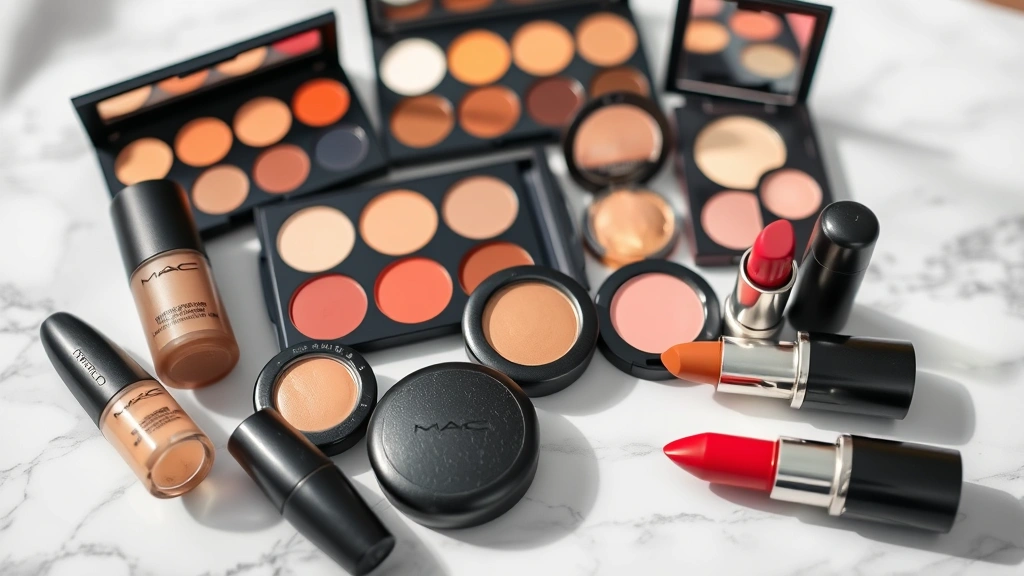
A beginner makeup kit doesn’t require thirty products. Start with these essentials and expand as you develop preferences. The core products include primer, foundation, concealer, powder, blush, eyeshadow, eyeliner, mascara, and lipstick. Each serves a specific purpose in creating a polished appearance.
- Primer: Creates a smooth canvas and extends makeup wear time
- Foundation: Evens skin tone and provides coverage
- Concealer: Hides blemishes, dark circles, and discoloration
- Powder: Sets makeup and controls shine
- Blush: Adds color and dimension to cheeks
- Eyeshadow: Defines and colors the eyelids
- Eyeliner: Defines the eye shape
- Mascara: Thickens and darkens lashes
- Lipstick or lip gloss: Colors and defines lips
Quality matters more than quantity. One excellent foundation beats five mediocre ones. Look for products with beneficial ingredients like hyaluronic acid for hydration, niacinamide for pore refinement, and peptides for skin support. The Personal Care Products Council provides ingredient information and safety standards for cosmetic products.
The Importance of Primer and Base
Primer acts as the foundation for your entire makeup application. This often-overlooked step dramatically improves makeup longevity and appearance. Primers create a smooth base by filling pores, evening texture, and providing a tacky surface that helps makeup adhere better. For beginners, this single product can transform your makeup experience.
Choose primers based on your skin type. Oily skin benefits from mattifying primers containing silicones or clay that absorb excess sebum. Dry skin needs hydrating primers with glycerin or hyaluronic acid. Combination skin works well with balancing primers that address both concerns. Sensitive skin should avoid primers with fragrance or essential oils.
Application is simple: apply a pea-sized amount across the face, focusing on the T-zone and areas where you tend to get oily. Allow the primer to set for 30-60 seconds before applying foundation. This brief wait ensures the primer bonds with your skin and creates the optimal surface for makeup application.
Foundation Selection and Application
Foundation serves as your makeup’s base layer, evening out skin tone and providing coverage. The foundation formula you choose affects how your entire makeup look appears. Common formulations include liquid, powder, cream, and stick foundations, each with distinct benefits and drawbacks.
Liquid foundations suit most skin types and provide buildable coverage. They blend easily with fingers, sponges, or brushes and feel lightweight. Powder foundations work well for oily skin and offer quick application. Cream foundations provide fuller coverage and work best for dry skin. Stick foundations offer convenience and are perfect for on-the-go touch-ups.
Finding your shade requires matching to your jawline, not your hand. Test foundation on your jawline in natural light to ensure it blends seamlessly with your neck. Many beginners choose shades too light or too dark, creating an obvious line of demarcation. Remember that skincare routine for teenagers differs from adult routines, and teenage skin may need different foundation coverage approaches.
Application techniques matter significantly. Use a damp beauty sponge for a natural finish or a brush for fuller coverage. Apply foundation in thin layers, building coverage where needed rather than applying heavy coverage everywhere. This approach looks more natural and prevents that “mask-like” appearance many beginners struggle with.
Concealer, Contour, and Highlighting Basics
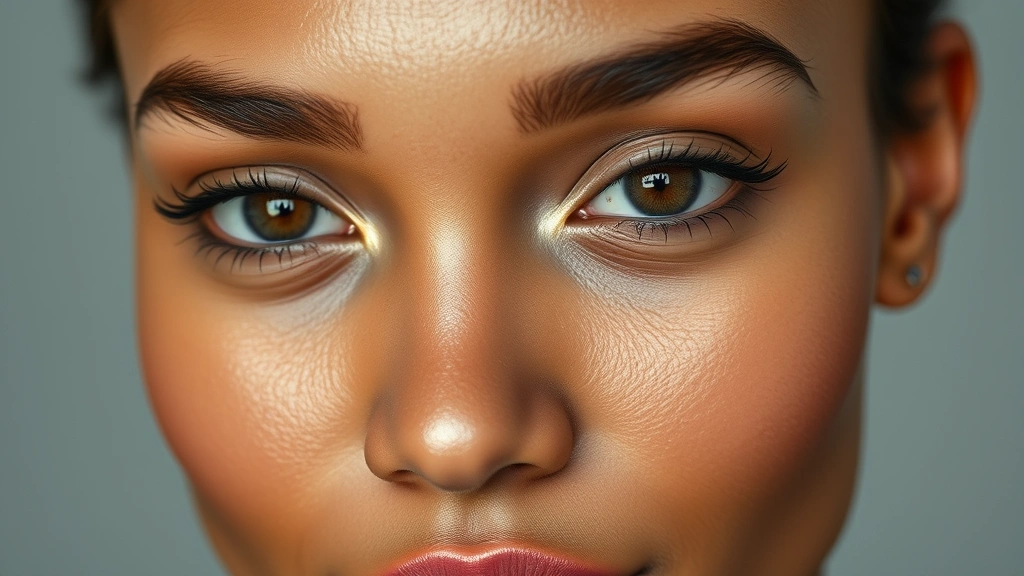
Concealer targets specific areas requiring extra coverage beyond foundation. Use concealer on blemishes, dark circles, hyperpigmentation, or redness. Choose a shade matching your skin tone or slightly lighter for brightening purposes. Apply concealer after foundation, using a small brush or fingertip to gently pat it into place.
Contouring and highlighting create dimension by using makeup to sculpt facial features. Contouring uses darker shades to recede areas, while highlighting uses lighter shades to bring areas forward. For beginners, keep this simple: apply a slightly darker powder in the hollows of your cheeks to define them, and apply a subtle highlight to the high points of your cheekbones.
Avoid heavy-handed contouring, which often looks muddy or unblended. The goal is subtle enhancement, not dramatic transformation. Use matte contour shades for definition and shimmer or satin highlights for a luminous glow. Blend thoroughly to avoid visible lines or patches.
Eye Makeup Essentials
Eye makeup includes eyeshadow, eyeliner, and mascara. These products define your eyes and can dramatically change your appearance. Start with neutral eyeshadow shades like taupe, brown, or soft gold. These versatile colors work with most skin tones and suit any occasion.
Apply eyeshadow with appropriate brushes: use a flat shader brush for precise color application and a fluffy blending brush for seamless transitions. Begin with lighter shades on the lid and gradually deepen the color in the crease for dimension. Blend thoroughly to avoid harsh lines.
Eyeliner defines the eye shape. Pencil eyeliners suit beginners because they’re forgiving and easy to control. Apply along the upper lash line for definition or along the waterline for intensity. Liquid eyeliners offer precision but require steady hands and practice.
Mascara completes eye makeup by thickening and darkening lashes. Choose a mascara formula matching your lash type: volumizing mascaras for sparse lashes, lengthening mascaras for short lashes, and conditioning mascaras for fragile lashes. Apply one to two coats, wiggling the wand from root to tip.
Lip Products and Color Selection
Lip products range from subtle tints to bold statements. Beginners should start with neutral shades matching their undertone. Warm undertones suit peachy, coral, and warm red shades. Cool undertones flatter pink, berry, and cool red shades. Neutral undertones work with both warm and cool colors.
Lip formulations include lipstick, lip gloss, liquid lipstick, and tinted balms. Traditional lipsticks offer color and moderate longevity. Lip gloss provides shine and a plumping effect. Liquid lipsticks deliver long-wear color with matte or glossy finishes. Tinted balms offer subtle color with moisturizing benefits, ideal for sensitive lips.
Prepare lips before applying color by exfoliating gently and applying lip balm. This prevents color from appearing patchy or emphasizing dry texture. Use a lip liner slightly darker than your lipstick to define lips and prevent feathering. Fill in lips with lipstick using a brush for precision application.
Blending Techniques and Tools
Blending separates amateur makeup from polished applications. Whether blending eyeshadow, contour, or concealer, seamless transitions create a professional appearance. Invest in quality brushes and sponges designed for blending.
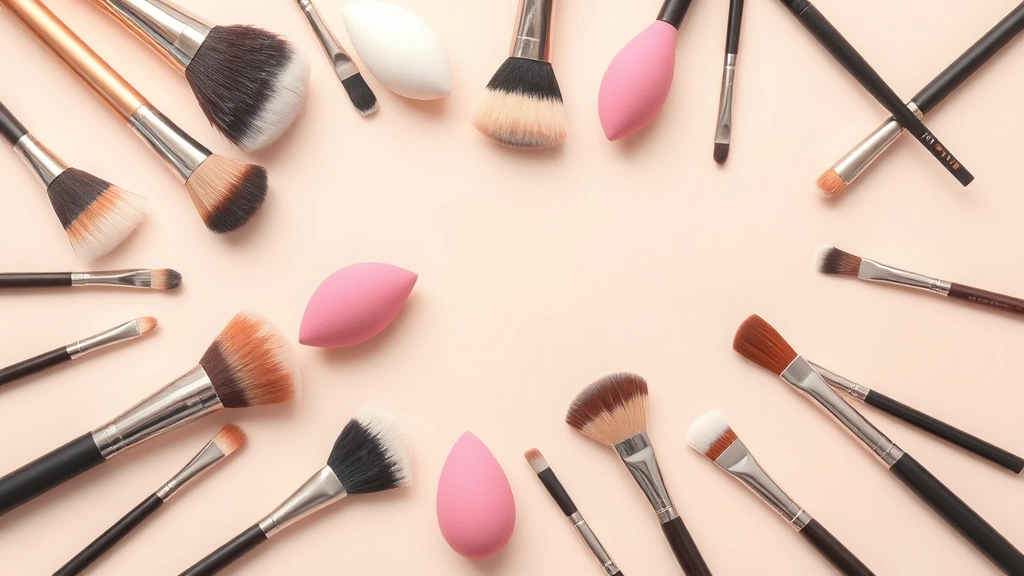
Makeup brushes come in various shapes for different purposes. Fluffy brushes blend large areas like eyeshadow and contour. Flat brushes apply color precisely. Angled brushes suit eyeliner and contour. Stippling brushes work well for foundation application. Beauty sponges blend foundation, concealer, and contour while providing a natural finish.
Blending technique involves using circular or windshield-wiper motions with a clean, fluffy brush to soften harsh lines. Work slowly and gently to avoid over-blending, which can muddy colors. For eyeshadow, blend the transition shade first, then deepen color gradually.
Clean brushes regularly to prevent product buildup and bacterial growth. Wash brushes weekly with gentle cleanser and warm water. Allow them to air dry completely before use. Proper maintenance extends brush lifespan and ensures hygienic application.
Makeup Hygiene and Safety
Makeup safety protects your skin and eyes from infection and irritation. Follow these essential hygiene practices: never share makeup products, wash hands before application, and replace products regularly. Mascara should be replaced every 3 months due to eye proximity and bacterial growth risk. Foundation and concealer last 6-12 months depending on formulation.
Check ingredient lists for potential allergens or irritants. Common culprits include fragrance, essential oils, and certain preservatives. If you have skincare products safe for pregnancy concerns, verify makeup safety with your healthcare provider. The FDA’s Cosmetics page provides comprehensive safety information about makeup ingredients.
Perform patch tests with new products on a small skin area before full-face application. Wait 24 hours to observe any adverse reactions. This precaution prevents allergic reactions from affecting your entire face. Remove makeup thoroughly each night using appropriate cleansers suited to your skin type.
Store makeup properly in cool, dry locations away from direct sunlight. Excessive heat degrades formulations and can alter product texture. Discard products showing signs of separation, discoloration, or unusual odor. Trust your instincts—if something seems off, it probably is.
Budget-Friendly Beginner Tips
Building a makeup collection doesn’t require spending hundreds of dollars. Drugstore brands offer quality products at affordable prices. Brands like Maybelline, Covergirl, and Neutrogena provide excellent formulations comparable to high-end alternatives. Focus budget on products you’ll use daily, like foundation and mascara.
Purchase multi-purpose products to maximize your collection. A cream blush doubles as eyeshadow. A bronzer can contour and add warmth. A highlighter can lighten concealer or add glow. These versatile products reduce the need for numerous singles.
Wait for sales and use coupons when building your collection. Many retailers offer discounts during seasonal sales or loyalty programs. However, don’t purchase products solely because they’re on sale. Stick to your needs and preferences.
Before trying new techniques, watch tutorials from reputable beauty educators. Many offer free content on YouTube or TikTok. Practice is essential—your first attempts may not be perfect, and that’s completely normal. Consistency and patience lead to improvement. Consider exploring skincare routine with retinol and hyaluronic acid information to understand how skincare impacts makeup application.
Start minimally and expand gradually based on what you actually use. A smaller collection of products you love beats a large collection of unused items. Quality over quantity applies to makeup as much as any other product category.
FAQ
What makeup products are absolutely essential for beginners?
The five essentials are foundation, concealer, powder, mascara, and lipstick. These create a complete basic look. Add eyeshadow and eyeliner as you develop your skills and preferences.
How do I find my perfect foundation shade?
Test foundation on your jawline in natural light. Your foundation should match your face, not be lighter or darker. Blend it down slightly onto your neck to ensure seamless blending. Never match foundation to your hand.
Can I use the same concealer shade as my foundation?
Not necessarily. Use a concealer matching your skin tone for blemishes and a slightly lighter concealer for dark circles. Brightening concealers work well under the eyes to counteract darkness.
How often should I replace my makeup?
Mascara every 3 months, liquid products every 6-12 months, and powder products every 12-18 months. Replace products sooner if they show signs of separation, discoloration, or unusual odor.
Is expensive makeup better than drugstore makeup?
Not always. Drugstore brands offer excellent formulations at affordable prices. Focus on finding products that work for your skin type and preferences rather than brand names or price points.
How can I make my makeup last longer throughout the day?
Use a primer before foundation, set makeup with powder, and apply a setting spray at the end. These steps significantly extend makeup longevity, especially for oily skin.
What’s the best way to remove makeup safely?
Use a makeup remover suited to your skin type, followed by a gentle cleanser. Double cleansing (oil-based remover followed by water-based cleanser) thoroughly removes all makeup. Never sleep in makeup, as it can clog pores and cause irritation.
Can I wear makeup if I have sensitive skin?
Yes, but choose products specifically formulated for sensitive skin. Avoid fragrance, essential oils, and common irritants. Perform patch tests before full-face application and consult dermatologists if you experience persistent irritation.