
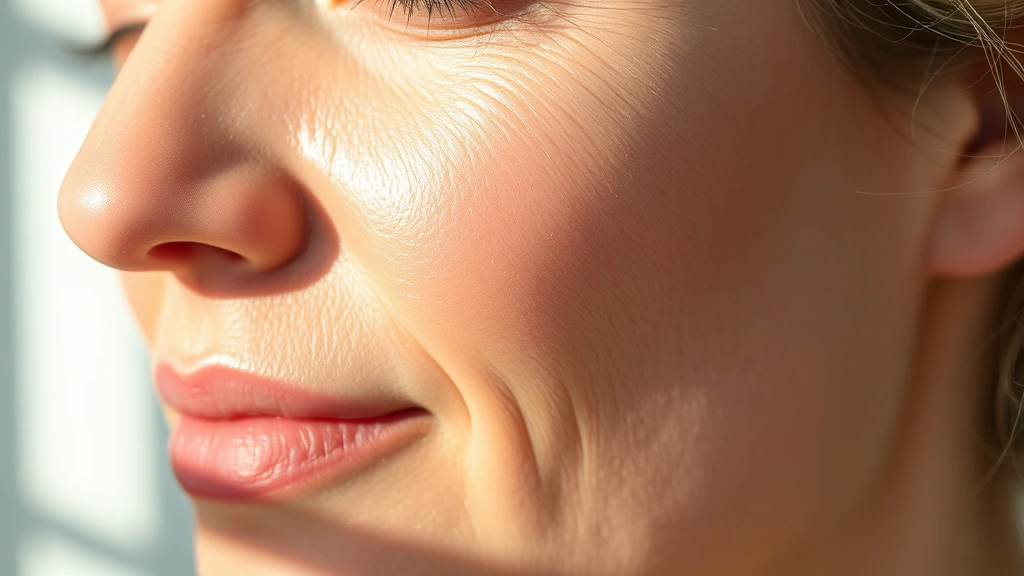
Top 5 Anti-Aging Serums? Expert Review Inside
The anti-aging serum market has exploded with innovation, offering formulations that target fine lines, loss of elasticity, and uneven skin texture with unprecedented efficacy. Whether you’re exploring cosmetics for beginners or refining an established skincare routine, understanding serum chemistry becomes essential for selecting products that deliver measurable results. Anti-aging serums function as concentrated delivery systems, penetrating the epidermis with active ingredients like retinoids, peptides, and antioxidants that stimulate collagen production and neutralize free radical damage.
This comprehensive guide examines five clinically-supported anti-aging serums, analyzing their ingredient profiles, efficacy data, and suitability across different skin types. We’ll explore the science behind aging mechanisms, decode ingredient terminology, and help you identify which formulation aligns with your skin’s unique needs. From budget-conscious options to luxury formulations, these serums represent the intersection of cosmetic chemistry and visible transformation.

Understanding Anti-Aging Serum Technology
Anti-aging serums represent a distinct category within cosmetic formulations, distinguished by their lightweight texture and high concentration of active ingredients. Unlike heavier creams, serums deliver molecules through the skin barrier more efficiently, maximizing bioavailability. The aging process involves collagen degradation, elastin breakdown, and accumulation of oxidative stress—all factors that serums specifically target.
Modern serum technology employs sophisticated delivery systems including liposomes, nanoparticles, and peptide complexes that enhance penetration and stability. The viscosity of serums allows for faster absorption, making them ideal for layering under moisturizers and primers in morning routines. Clinical studies demonstrate that consistent serum application over 12 weeks produces measurable improvements in fine line depth, skin firmness, and radiance.
The molecular weight of active ingredients determines their penetration capacity. Smaller molecules like niacinamide and glycolic acid penetrate readily, while larger peptides require specialized encapsulation. Understanding this chemistry helps explain why certain serums feel more effective for specific concerns. Temperature, pH balance, and formulation stability all influence how effectively these products perform on your skin.

The Top 5 Anti-Aging Serums Reviewed
1. Retinol-Based Power Serum: The Gold Standard
Retinol serums remain the most extensively researched anti-aging category, with decades of clinical validation supporting their efficacy. These formulations contain vitamin A derivatives that convert to retinoic acid within skin cells, triggering increased cell turnover and collagen synthesis. A premium retinol serum typically ranges from 0.25% to 1% concentration, with stabilization systems protecting the notoriously unstable ingredient.
The best retinol serums incorporate squalane or jojoba oil to buffer potential irritation while maintaining efficacy. Users with sensitive skin should start with lower concentrations (0.25-0.5%) and gradually increase frequency. Clinical data shows retinol reduces fine lines by approximately 20% over 12 weeks, making it one of the most evidence-backed anti-aging ingredients available.
Retinol works synergistically with antioxidants like vitamin E and ferulic acid, which stabilize the molecule and amplify its anti-aging benefits. When selecting a retinol serum, prioritize opaque or dark amber packaging that protects against light degradation. Application timing matters significantly—use retinol serums exclusively at night, as sun exposure can cause photosensitivity and reduce effectiveness.
2. Vitamin C + Ferulic Acid Serum: The Brightening Powerhouse
L-ascorbic acid serums (stabilized vitamin C) represent the gold standard for antioxidant protection and brightening. This combination specifically—vitamin C paired with ferulic acid and vitamin E—has demonstrated superior photoprotection and collagen-stimulating properties in peer-reviewed research. The synergy between these three ingredients creates what chemists call a “photoprotective triad.”
Vitamin C serums work through multiple mechanisms: neutralizing free radicals generated by UV exposure, inhibiting melanin production, and stimulating procollagen synthesis. The optimal pH for L-ascorbic acid effectiveness ranges from 2.5 to 3.5, which explains why these serums feel slightly tingly upon application. A well-formulated vitamin C serum should deliver 10-20% concentration with proper stabilization.
These serums excel for addressing age spots, uneven skin tone, and loss of radiance—complementary concerns to deep wrinkles. Users report visible brightening within 2-3 weeks of consistent application. The ingredient pairs exceptionally well with makeup setting sprays in morning routines, as it creates an excellent base for foundation while providing sun protection benefits.
3. Peptide-Rich Anti-Aging Serum: The Collagen Communicator
Peptide serums function as cellular messengers, signaling fibroblasts to increase collagen and elastin production. Unlike retinol’s direct mechanism, peptides work through biomimicry—they mimic collagen fragments, essentially telling your skin that collagen is being broken down, triggering protective synthesis. Matrixyl 3000 and Argireline represent two extensively studied peptide complexes with clinical support for anti-aging efficacy.
The advantage of peptide serums lies in their gentleness combined with proven results. They suit sensitive skin types and work alongside other active ingredients without irritation. Clinical studies show peptide serums improve skin firmness by 15-18% over 8 weeks and reduce fine line visibility. These formulations typically contain 5-10% peptide concentration, often combined with hydrating glycerin and humectants.
Peptide serums demonstrate particular effectiveness when applied to skin that’s been compromised by irritation or sensitivity. They’re excellent choices if you’re soothing irritated skin while maintaining anti-aging benefits. The gentle nature makes them ideal for mature skin with compromised barriers or those using multiple actives.
4. Hyaluronic Acid + Niacinamide Serum: The Hydration Amplifier
While hyaluronic acid alone doesn’t directly fight aging, its ability to hold up to 1000 times its weight in water makes it essential for plumping fine lines and creating a supple complexion. When combined with niacinamide (vitamin B3), this serum addresses multiple aging concerns: dehydration, enlarged pores, and uneven texture. Niacinamide itself stimulates ceramide and collagen synthesis while reducing sebum production.
This serum category suits all skin types, from oily to sensitive, making it an excellent universal choice. The hydration boost alone creates visible plumping of fine lines within minutes of application, while consistent use over weeks produces structural improvements. Niacinamide concentrations typically range from 4-5%, with hyaluronic acid providing the hydrating backbone.
These serums work beautifully as the first step in layered routines, particularly for those with eczema-prone or reactive skin. The combination addresses aging while supporting barrier function and reducing inflammation—critical for aging skin that’s also compromised.
5. Multi-Action Serum: The Comprehensive Approach
Premium multi-action serums combine several anti-aging ingredients into single formulations, designed for users seeking comprehensive benefits without extensive layering. These typically include peptides, antioxidants, humectants, and often retinol derivatives. The formulation challenge lies in maintaining stability and efficacy across multiple actives without causing irritation.
Well-executed multi-action serums deliver convenience without sacrificing results. They’re particularly valuable for busy individuals or those new to active ingredients. The synergistic potential of combined ingredients often produces superior results compared to single-ingredient serums. Look for formulations with transparent ingredient hierarchies and proven combinations supported by research.
These serums work exceptionally well for those managing multiple aging concerns simultaneously—fine lines, texture, tone, and elasticity. They integrate seamlessly into streamlined routines and pair well with pregnancy-safe skincare considerations when formulated thoughtfully.
Key Ingredients Explained
Understanding serum ingredients empowers informed purchasing decisions. Retinoids (retinol, retinyl palmitate, retinaldehyde) work through dose-dependent mechanisms—higher concentrations produce faster results but increase irritation risk. Stabilization through encapsulation or combination with soothing ingredients reduces sensitivity while maintaining efficacy.
Vitamin C exists in multiple forms: L-ascorbic acid (most researched, least stable), magnesium ascorbyl phosphate (stable, slightly less potent), and ascorbyl palmitate (very stable, requires conversion). Each form offers different stability profiles and efficacy timelines. Ferulic acid amplifies vitamin C’s antioxidant capacity, making the combination significantly more powerful than either ingredient alone.
Peptides represent a diverse category with varying chain lengths and functions. Dipeptides penetrate most effectively, while longer chains provide structural support. Matrixyl 3000, Argireline, and Copper Peptides each trigger different cellular responses, from collagen synthesis to elastin production. Niacinamide concentrations below 2% provide minimal benefit, while 4-5% produces measurable improvements in pore appearance and sebum regulation.
Hyaluronic acid molecular weight affects penetration depth: smaller molecules (under 50 kDa) penetrate the epidermis, while larger molecules provide surface hydration. Multi-weight formulations deliver both immediate and sustained plumping effects. Glycerin and sorbitol enhance hyaluronic acid’s humectant properties, creating superior hydration compared to hyaluronic acid alone.
Antioxidants beyond vitamin C include resveratrol, green tea extract, and coenzyme Q10. These ingredients neutralize free radicals generated by UV exposure and environmental pollution. Polyphenol-rich extracts provide additional benefits through multiple mechanisms—anti-inflammatory, antimicrobial, and antioxidant activities.
Choosing Your Perfect Serum
Serum selection depends on your specific aging concerns, skin type, and tolerance for active ingredients. Those with deep wrinkles and pronounced loss of elasticity benefit most from retinol or peptide serums. Individuals addressing tone, brightness, and subtle fine lines may prioritize vitamin C formulations. Dehydration-focused aging requires hyaluronic acid as a foundational ingredient.
Skin type compatibility matters significantly. Oily skin tolerates lightweight, water-based serums with niacinamide and peptides. Dry skin benefits from serums incorporating hydrating oils and occlusives alongside actives. Sensitive skin requires gentler peptides and antioxidants, avoiding high-concentration retinoids initially. Combination skin suits multi-action serums that address varied concerns across different zones.
Budget considerations shouldn’t discourage investment in quality serums—they’re highly concentrated, requiring minimal product per application. A 30ml bottle typically lasts 3-4 months with proper usage (3-4 drops per application). Cost-per-use often proves lower for serums than comparable moisturizers, despite higher upfront pricing.
Clinical evidence should guide your selection. Look for serums with published research supporting ingredient concentrations and efficacy claims. Third-party testing and dermatologist recommendations provide additional confidence. Patch testing on the inner arm before facial application helps identify potential sensitivities.
Application and Layering Strategies
Serum application technique significantly impacts efficacy. After cleansing and toning, apply 3-4 drops to damp skin using gentle patting motions, allowing absorption before layering additional products. The slightly damp surface enhances hydrating serum penetration while maintaining optimal pH for active ingredients.
Layering order matters when combining serums. Apply water-based serums before oil-based formulations, allowing each layer to set before proceeding. Vitamin C serums work best as the first active step, followed by additional serums, then moisturizer and sunscreen. Retinol serums belong exclusively in evening routines, never layered with vitamin C or other potentially destabilizing actives.
Frequency adjustment prevents irritation while maximizing benefits. Begin with 2-3 applications weekly when introducing actives, gradually increasing to daily use as tolerance builds. Some individuals maintain excellent results with every-other-day application, reducing potential for over-exfoliation or barrier disruption. Listen to your skin’s signals—redness, flaking, or sensitivity indicate overuse.
Sunscreen becomes non-negotiable when using anti-aging serums, particularly retinoids and vitamin C. These ingredients increase photosensitivity, making daily SPF 30+ protection essential. The synergy between serum actives and broad-spectrum sunscreen creates the most effective anti-aging protocol available.
Seasonal adjustments optimize results year-round. Winter may require richer serums with additional hydration, while summer benefits from lightweight, water-based formulations that won’t feel occlusive under humidity. Adjust active ingredient frequency based on environmental stress—increased exposure to pollution or sun may warrant more frequent antioxidant serum application.