Top Luxury Makeup Brands? Expert Picks Revealed
The world of luxury cosmetics represents far more than just premium pricing—it’s an investment in formulation excellence, ingredient sourcing, and decades of beauty innovation. When exploring the costliest cosmetic brands, you’re entering a realm where Swiss precision meets Parisian artistry, where rare botanical extracts command attention, and where every product undergoes rigorous dermatological testing. These brands have earned their prestige through unwavering commitment to quality, often pioneering breakthrough technologies that later trickle down to mainstream beauty.
Whether you’re seeking a signature fragrance, a transformative serum, or a flawless foundation, understanding which luxury brands deliver genuine value—rather than just hype—requires expert knowledge. This guide decodes the costliest cosmetic brands available today, revealing what justifies their price points and which products truly deserve shelf space in your collection.
What Defines Luxury Cosmetics
Luxury cosmetics transcend ordinary beauty products through meticulous attention to formulation, sourcing, and packaging. The costliest cosmetic brands typically invest 15-25% of their revenue into research and development, compared to drugstore brands allocating 3-5%. This investment translates into proprietary technologies, advanced stability systems, and ingredients that maintain efficacy over extended shelf life.
True luxury brands often employ cosmetic chemists with PhDs, collaborate with dermatological institutions, and conduct clinical trials rivaling pharmaceutical standards. They source ingredients from specific global regions—Damask roses from Bulgaria, argan oil from Morocco, sea minerals from the Dead Sea—ensuring terroir-driven quality impossible to replicate at lower price points.
The packaging itself reflects luxury positioning. Glass vessels with UV protection, airless pump systems that preserve ingredient integrity, and sustainable materials appeal to environmentally conscious consumers willing to invest premium dollars. Additionally, luxury brands typically offer superior customer service, including consultation services and personalized recommendations unavailable in mainstream retail.
Top Costliest Cosmetic Brands by Category
Skincare Luxury Leaders
La Mer stands as perhaps the most iconic luxury skincare brand, with its signature Moisturizing Cream commanding prices exceeding $300 for just 3.4 ounces. Developed in 1945 through proprietary fermentation of sea kelp, the brand’s cornerstone ingredient—Miracle Broth—remains unmatched in luxury skincare. The formulation contains over 60 naturally derived ingredients including magnetite, an iron oxide that supports skin’s mineral balance.
Crème de la Mer products undergo 12-month fermentation cycles, explaining both the premium pricing and the devoted following among dermatologists and estheticians. The brand’s commitment to ingredient purity means zero synthetic fragrances, parabens, or sulfates—a rarity in even luxury cosmetics.
Estée Lauder Advanced Night Repair series represents another cornerstone of luxury skincare, with prices ranging from $68-$280 depending on format. The inclusion of hyaluronic acid, peptides, and proprietary ChronoLux technology creates visible results in 4-6 weeks according to clinical studies.
For those exploring skincare products for aging skin, luxury brands like SK-II offer Facial Treatment Essence ($99-$135) featuring Pitera—a naturally derived yeast ferment containing amino acids, organic acids, and minerals proven to enhance skin texture and radiance.
Prestige Makeup Brands
Charlotte Tilbury dominates the luxury makeup sphere, with her Magic Cream ($80) and Hollywood Flawless Filter ($44-$48) becoming cult favorites among makeup artists and beauty influencers. The brand’s formulations prioritize skin-loving ingredients like hyaluronic acid and vitamin E alongside pigments that photograph beautifully under all lighting conditions.
Dior Beauty commands premium prices through its iconic packaging and scientifically advanced formulations. The Dior Addict Lipstick ($36-$42) features polymer technology ensuring 16-hour wear without flaking, while the brand’s foundation offerings include options for every undertone and skin type.
Tom Ford Beauty represents perhaps the ultimate luxury makeup experience, with prices reflecting both formulation excellence and designer prestige. The Traceless Foundation ($88) contains squalane—a plant-derived emollient that prevents dehydration—and boasts a natural finish that adapts to various lighting conditions.
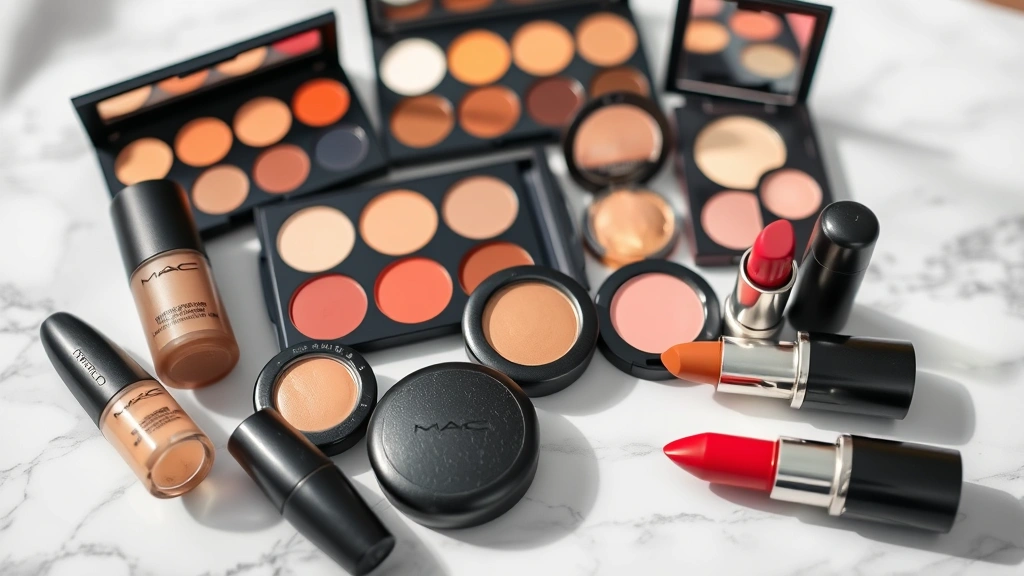
MAC Pro serves professional makeup artists, with prices slightly elevated from standard MAC offerings but justified through enhanced pigmentation and wear time. Many professional makeup artists specify MAC when working with high-definition cameras.
Fragrance Luxury Tier
Luxury fragrances represent the costliest cosmetic category per milliliter. Creed fragrances start at $300 for 50ml, utilizing rare ingredients like Bulgarian rose absolute, Indian sandalwood, and Moroccan cedarwood. Each fragrance requires 18-36 months of aging to reach optimal scent complexity.
Parfums de Marly offers fragrances priced $200-$300 for 75ml, featuring natural absolutes and rare agarwood (oud) in select offerings. The brand maintains small production batches, ensuring exclusivity and consistent quality.
Premium Ingredients That Justify Price Tags
Understanding ingredient hierarchies helps justify luxury cosmetic pricing. Paula’s Choice Research and INCIDecoder provide transparency into formulation composition, revealing why certain brands command premium positioning.
Retinol and Retinoids represent cornerstone anti-aging ingredients, with luxury brands offering stabilized forms that remain efficacious. Retinyl palmitate costs approximately $50-80 per kilogram, while encapsulated retinol systems exceed $200 per kilogram. Luxury brands justify premium pricing through advanced delivery systems ensuring skin penetration without irritation.
Hyaluronic Acid exists in multiple molecular weights, with luxury formulations incorporating low, medium, and high molecular weight versions ($80-150 per kilogram). This multi-weight approach ensures surface hydration while supporting deeper dermal moisture binding.
Peptide Complexes extracted from marine sources or synthesized through biotechnology cost $200-500 per kilogram. Luxury brands utilize peptides targeting specific concerns: copper peptides for collagen synthesis, acetyl hexapeptide for expression line reduction, and palmitoyl pentapeptide for skin firmness.
Plant Stem Cells derived from rare botanical species command premium pricing. Edelweiss stem cells, grape stem cells, and apple stem cell extracts range from $300-800 per kilogram, yet appear in luxury formulations at therapeutic concentrations proving efficacy in clinical studies.
Rare Botanical Extracts including saffron (crocus sativus), aged ginseng, and frankincense resin represent luxury ingredients costing $500-2000 per kilogram. These ingredients possess proven anti-inflammatory, antioxidant, and skin-brightening properties documented in peer-reviewed dermatological research.
Advanced Stabilization Systems protecting delicate ingredients—liposomal encapsulation, nanoparticle technology, and airless packaging—add $20-80 per unit to manufacturing costs. Luxury brands invest in these technologies to ensure product efficacy throughout shelf life.
Luxury Brands Worth the Investment
Best Luxury Skincare Investment
Augustinus Bader offers the Rich Cream ($280) featuring the brand’s proprietary TFC8 complex—a combination of amino acids, vitamins, and lipids supporting skin barrier function. Clinical studies document 27% improvement in skin hydration and 31% improvement in skin elasticity within 4 weeks.
For those exploring comprehensive skincare routines, how to use facial toners properly complements luxury serums and moisturizers. Luxury toners from brands like SK-II and Missha prepare skin for optimal absorption of subsequent products.
Best Luxury Foundation
Dior Forever ($50-55) represents exceptional luxury foundation value, offering 42 shade options accommodating diverse undertones. The formulation contains hyaluronic acid and vitamin E, providing 24-hour wear without settling into fine lines or emphasizing texture.
Fenty Beauty Pro Filt’r Soft Matte Longwear Foundation ($40) deserves mention despite slightly lower price point, as it offers unmatched shade range (40+ shades) and formulation excellence justifying luxury positioning through inclusivity and performance.
Best Luxury Serum
Augustinus Bader The Rich Serum ($85) combines peptides, hyaluronic acid, and the brand’s proprietary TFC8 complex in a lightweight formulation suitable for all skin types. Users report visible skin texture improvement within 2-3 weeks of consistent application.
SK-II Facial Treatment Essence ($99-135) functions as both toner and serum, featuring Pitera and botanical extracts that enhance skin’s natural renewal cycle. Consistent use demonstrates improved skin clarity and refined pore appearance.
Best Luxury Eyeshadow
Charlotte Tilbury Luxury Palette ($65-75) features finely milled pigments with superior blendability and color payoff. The formulation includes sericite mica and boron nitride, creating smooth texture and extended wear without creasing.
Budget-Conscious Alternatives
Luxury cosmetics offer undeniable benefits, yet budget-conscious beauty enthusiasts needn’t feel excluded. Many top drugstore cosmetics deliver comparable results at significantly lower price points through smart formulation choices.
The Ordinary offers retinol, niacinamide, and hyaluronic acid serums priced $5-15, utilizing similar ingredient concentrations found in luxury brands. While packaging lacks luxury appeal, formulation efficacy remains scientifically validated.
CeraVe provides dermatologist-recommended ceramide and hyaluronic acid formulations at $8-20, comparable in efficacy to luxury brands costing 5-10 times more. The brand’s commitment to essential skin-barrier ingredients appeals to dermatologists globally.
For makeup specifically, Maybelline SuperStay foundations and mascaras deliver luxury-caliber performance at $7-12 price points. The formulations utilize similar polymer technology and pigment concentrations found in prestige brands.
Exploring budget cosmetic brands reveals numerous options delivering 80-90% of luxury brand performance at 20-30% of the cost. Smart shopping involves identifying specific ingredients addressing your concerns rather than purchasing entire luxury lines.
Additionally, gentle face cleansers for sensitive skin need not be expensive. Many affordable brands formulate effective cleansers with ceramides, hyaluronic acid, and gentle surfactants rivaling luxury offerings.

Understanding Luxury Cosmetic Formulations
Luxury brands employ advanced formulation technologies distinguishing them from mainstream cosmetics. European Commission Scientific Committee on Consumer Safety maintains rigorous standards for cosmetic ingredients, yet luxury brands often exceed regulatory requirements through additional testing.
Emulsion Technology differs significantly between price tiers. Luxury brands utilize advanced emulsifiers creating exceptionally stable formulations with refined textures. The difference between simple oil-in-water emulsions (drugstore standard) and complex multi-phase systems (luxury standard) dramatically impacts skin feel and absorption.
pH Optimization receives greater attention in luxury formulations. Most skincare products perform optimally at pH 4.5-5.5, matching skin’s natural acidic environment. Luxury brands maintain precise pH control throughout formulation development and stability testing.
Antioxidant Systems in luxury products utilize synergistic combinations—vitamin C with vitamin E and ferulic acid, for example—creating superior photoprotection and environmental defense compared to single-ingredient systems found in budget brands.
Clinical Testing Standards
Luxury brands typically conduct more extensive clinical testing than regulatory requirements mandate. While FDA requires basic safety data, luxury brands often fund third-party clinical studies published in dermatological journals, providing transparent efficacy documentation.
American Academy of Dermatology recognizes certain luxury brands for research contributions, validating formulation claims through peer-reviewed publications rather than marketing assertions alone.
Investment vs. Indulgence
Distinguishing between luxury cosmetics offering genuine value versus those trading purely on brand prestige requires critical evaluation. Consider these factors when assessing whether premium pricing aligns with product performance:
- Ingredient Concentration: Luxury brands often feature therapeutic concentrations (5-15%) of active ingredients, while budget brands may include lower percentages (0.5-3%) for cost reduction
- Stability Data: Request stability testing documentation showing how formulations maintain efficacy throughout shelf life
- Clinical Evidence: Legitimate luxury brands provide published clinical studies, not merely marketing claims
- Dermatologist Endorsement: Professional recommendations from board-certified dermatologists indicate genuine formulation quality
- Return Policy: Luxury brands confident in their products typically offer generous return policies, reducing purchase risk
Understanding the cosmetics foundation of any brand—their research philosophy, ingredient sourcing practices, and quality control standards—helps justify premium pricing or identify overpriced alternatives.
FAQ
What makes luxury cosmetics more expensive than drugstore brands?
Luxury cosmetics command premium pricing through superior ingredient sourcing, advanced formulation technologies, extensive clinical testing, and refined packaging. Luxury brands invest significantly in research and development, often employing cosmetic chemists with advanced degrees and collaborating with dermatological institutions. Additionally, limited production batches, exclusive distribution, and brand heritage contribute to elevated pricing.
Are luxury cosmetics worth the investment?
Luxury cosmetics justify premium pricing when they address specific skin concerns with clinically validated ingredients at therapeutic concentrations. However, many budget-friendly brands deliver comparable results through smart formulation choices. The decision depends on your skin type, specific concerns, and budget allocation. Investing in one exceptional luxury product—like a transformative serum or moisturizer—often yields better results than purchasing an entire budget skincare line.
Which luxury cosmetic brands offer the best value?
Augustinus Bader, SK-II, Charlotte Tilbury, and Dior Beauty offer exceptional value within the luxury segment through scientifically validated formulations and consistent product performance. These brands balance premium positioning with genuine efficacy, avoiding excessive pricing based purely on brand prestige.
Can I achieve similar results with budget-friendly brands?
Many budget-friendly brands deliver 80-90% of luxury brand performance through smart ingredient selection and formulation optimization. Brands like The Ordinary, CeraVe, and Maybelline utilize similar active ingredients and technologies as luxury brands, though packaging and marketing investments remain minimal. The key involves identifying specific ingredients addressing your concerns rather than purchasing entire brand lines.
How do I identify luxury cosmetics worth purchasing?
Research ingredient lists using resources like INCIDecoder and Paula’s Choice to verify active ingredient concentrations. Read published clinical studies validating efficacy claims, check dermatologist endorsements, and review return policies indicating brand confidence. Prioritize products addressing your specific skin concerns over purchasing entire luxury lines, as targeted investment yields superior results.
What luxury cosmetic ingredients provide proven efficacy?
Retinoids, hyaluronic acid, peptides, niacinamide, vitamin C, and botanical extracts like saffron and frankincense demonstrate clinically proven efficacy. Luxury brands often utilize stabilized forms ensuring optimal skin penetration and efficacy. Verify ingredient concentrations and look for published clinical studies documenting results before purchasing.