Deer Cosmetics: Natural Beauty or Trendy Hype?
The beauty industry has witnessed an explosion of animal-derived ingredients and cosmetics marketed as natural solutions for skin concerns. Among these emerging trends, deer cosmetics has captured significant attention, promising transformative results through ingredients sourced from deer or inspired by deer biology. But does this category of products deliver genuine skincare benefits, or is it merely capitalizing on consumer desire for novel, exotic ingredients? Understanding the science behind deer cosmetics requires examining both the legitimate biological properties and the marketing narratives that often overshadow evidence-based skincare.
Deer cosmetics encompasses a range of products featuring deer-derived or deer-inspired ingredients, from antler extracts and deer placenta to deer musk and collagen sourced from deer byproducts. These products originate primarily from traditional Asian beauty practices, particularly in Korea, China, and Japan, where animal ingredients have been used for centuries in skincare formulations. The global expansion of K-beauty and J-beauty has introduced these products to Western markets, where consumers increasingly seek alternatives to synthetic formulations. However, the efficacy, sustainability, and ethical implications of deer cosmetics remain subjects of scientific debate and consumer scrutiny.
What Are Deer Cosmetics?
Deer cosmetics represent a specialized category within the broader animal-derived skincare market. These products leverage ingredients extracted from various parts of deer, including antlers, placenta, musk glands, and bone collagen. The practice of using deer-derived substances in beauty formulations traces back to traditional Chinese medicine and Korean beauty rituals, where these materials were valued for their purported regenerative and anti-aging properties. In contemporary beauty markets, deer cosmetics are positioned as premium, luxury products that justify higher price points through claims of natural origin and traditional efficacy.
The most common deer cosmetics include serums, creams, essences, and masks formulated with deer antler extract, often marketed as “velvet antler” or “deer antler velvet.” These products claim to stimulate collagen production, enhance skin elasticity, and provide anti-inflammatory benefits. Deer placenta extracts are similarly promoted for their growth factor content and supposed ability to accelerate cellular regeneration. While the traditional use of these ingredients spans centuries, modern scientific validation remains limited, making it essential for consumers to distinguish between historical anecdotal evidence and contemporary clinical research.
Key Ingredients in Deer-Based Beauty Products
Deer Antler Velvet Extract: This ingredient comprises the soft, vascular tissue covering deer antlers during their growth phase. Rich in proteins, amino acids, and minerals, antler velvet is believed to contain bioactive compounds that support skin regeneration. The extract is typically standardized to contain specific concentrations of amino acids and peptides, which theoretically could penetrate the skin barrier and stimulate fibroblast activity. However, the molecular weight of these compounds often exceeds the skin’s natural absorption capacity, raising questions about bioavailability.
Deer Placenta Extract: Placental tissues contain growth factors, cytokines, and amino acids that support fetal development. When incorporated into skincare formulations, placenta extracts are marketed as potent anti-aging agents capable of promoting cellular turnover and collagen synthesis. The presence of growth factors such as EGF (epidermal growth factor) and FGF (fibroblast growth factor) provides theoretical support for these claims, though concentration levels in cosmetic formulations often remain proprietary and unverified.
Deer Musk: Extracted from the musk gland of male musk deer, this ingredient functions primarily as a fragrance component and preservative. While traditional medicine attributes medicinal properties to musk, its primary cosmetic role remains olfactory rather than therapeutic. The use of natural musk raises significant ethical concerns regarding animal welfare and species conservation.
Deer Bone Collagen: Collagen derived from deer bones is processed into peptides of varying molecular weights. These collagen peptides are smaller than intact collagen molecules and theoretically possess improved skin penetration. When applied topically, hydrolyzed collagen may provide moisturizing benefits and support the skin’s structural matrix, though systemic collagen synthesis stimulation remains unproven for topical application.
For comprehensive understanding of how these ingredients compare to other moisturizing compounds, explore our guide on skincare products with hyaluronic acid benefits and usage, which offers evidence-based alternatives.
Scientific Evidence Behind Deer Cosmetics
The scientific validation of deer cosmetics presents a nuanced picture. While traditional use spans centuries, peer-reviewed clinical trials specifically evaluating deer-derived cosmetic ingredients remain limited. Most available research examines deer antler velvet in oral supplement form rather than topical application, making direct extrapolation to skincare products questionable.
Studies on deer antler velvet supplementation demonstrate potential benefits for athletic performance and joint health when ingested, primarily attributed to its amino acid and mineral content. However, these systemic effects differ substantially from topical application to facial skin. The skin barrier presents a significant obstacle to molecular penetration, particularly for larger peptide structures found in antler extracts. Research published in the Journal of Cosmetic Dermatology indicates that peptides exceeding 500 Daltons rarely penetrate beyond the stratum corneum without specialized delivery systems.
Placenta-derived growth factors show promise in laboratory settings for stimulating fibroblast proliferation and collagen synthesis. However, most clinical evidence derives from injectable or oral administration rather than topical formulations. A study examining topical placenta extract application showed modest improvements in skin hydration and elasticity, though results were comparable to conventional moisturizers containing hyaluronic acid or glycerin. The American Academy of Dermatology notes that while growth factors theoretically support skin regeneration, their stability and bioavailability in cosmetic formulations remain challenging.
The absence of rigorous, independent clinical trials comparing deer cosmetics to established skincare ingredients represents a significant gap in scientific evidence. Most claims derive from manufacturer-sponsored research or traditional use documentation rather than double-blind, placebo-controlled studies. This distinction is crucial when evaluating whether deer cosmetics represent genuine innovation or marketing-driven trends.
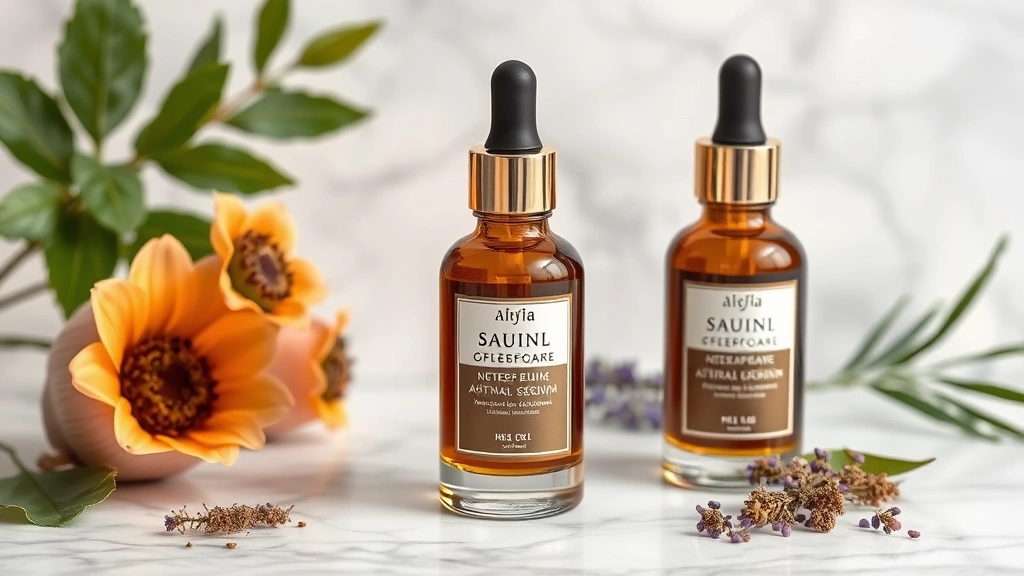
” alt=”Luxurious skincare serum with natural botanical and animal-derived ingredients displayed in elegant glass bottle with droppers on marble surface”>
Skin Type Compatibility and Benefits
For Mature and Aging Skin: Deer cosmetics appeal particularly to mature skin types seeking anti-aging solutions. The amino acid content in antler extracts theoretically supports collagen maintenance and skin elasticity. The growth factors in placenta extracts may stimulate cellular turnover, potentially reducing fine lines and improving skin texture. However, these benefits remain comparative to well-established ingredients like retinol, peptides, and vitamin C, which benefit from extensive clinical validation.
For mature skin concerns, consider combining deer cosmetics with proven anti-aging strategies outlined in our skincare routine for glowing skin guide.
For Sensitive Skin: Deer-derived ingredients present mixed implications for sensitive skin types. While natural origin often suggests gentleness, animal-derived proteins can trigger allergic responses or sensitization in susceptible individuals. The processing methods used to extract and stabilize deer ingredients may introduce contaminants or irritants. Individuals with sensitive skin should exercise caution and conduct patch testing before incorporating deer cosmetics into their regimen. Our resource on skincare products for sensitive skin provides guidance for ingredient selection in this category.
For Inflammatory Skin Conditions: Some deer cosmetics market anti-inflammatory properties, potentially beneficial for acne-prone or rosacea-affected skin. The amino acid profile in antler extracts includes compounds with theoretical anti-inflammatory activity. However, the evidence supporting topical application for reducing skin inflammation remains limited. For individuals managing inflammatory conditions, evidence-based approaches discussed in our article on how to reduce skin inflammation may provide more reliable results.
For Dry and Dehydrated Skin: The hydrating properties of deer cosmetics derive primarily from their humectant and emollient formulation components rather than the deer-derived ingredients themselves. While collagen peptides contribute to skin barrier support, conventional moisturizers with ceramides, glycerin, or hyaluronic acid demonstrate equivalent efficacy for addressing dehydration.
Safety Concerns and Ethical Considerations
The use of deer-derived cosmetics raises several legitimate concerns that extend beyond efficacy questions. Animal welfare represents a primary ethical consideration. The harvesting of deer antler velvet, placenta, and musk involves animal capture, stress, and in some cases, lethal procedures. While some producers argue that antler harvesting occurs during natural shedding cycles, the overall industry practices vary significantly regarding animal treatment standards.
Species conservation presents another critical issue. The musk deer population has declined dramatically due to overhunting for musk extraction, prompting endangered species designations in several regions. Consumers purchasing products containing natural musk inadvertently support practices contributing to species depletion. Synthetic musk alternatives exist and represent more sustainable options.
Contamination risks accompany animal-derived ingredients. Deer products may harbor pathogenic organisms, heavy metals accumulated in animal tissues, or pharmaceutical residues if animals received medical treatments. Regulatory oversight of animal-derived cosmetic ingredients remains inconsistent across global markets, with some regions enforcing stringent testing while others maintain minimal requirements.
Allergic reactions occur in individuals sensitive to animal proteins. The risk increases with topical application compared to oral ingestion, as skin sensitization can develop with repeated exposure. Patch testing is essential before incorporating deer cosmetics into regular skincare routines.
The Cosmetics Europe organization and similar regulatory bodies continue evaluating safety protocols for animal-derived cosmetic ingredients, recognizing both efficacy and safety as essential considerations.
Comparing Deer Cosmetics to Alternative Ingredients
When evaluating deer cosmetics, comparison to alternative ingredients provides valuable perspective. Plant-derived peptides and proteins offer similar amino acid profiles to deer-derived alternatives without associated ethical concerns. Soy peptides, wheat proteins, and rice bran extracts provide comparable amino acid content and hydrating properties at lower price points. These alternatives benefit from equivalent or superior scientific validation.
Synthetic peptides and growth factors represent another category. Laboratory-synthesized peptides can target specific skin concerns with precision unavailable in natural extracts. Matrixyl, Argireline, and other peptide complexes demonstrate clinical efficacy comparable to or exceeding natural alternatives. These synthetic options offer consistency, stability, and reduced contamination risk.
Marine-derived alternatives such as sea cucumber extract, fish collagen, and algae-based ingredients provide similar benefits with potentially less ethical baggage than terrestrial animal products. Salmon roe and kelp extracts offer growth factor and mineral content comparable to deer products.
Botanical alternatives including ginseng, gotu kola, and licorice root extract provide anti-inflammatory and skin-regenerative properties supported by clinical research. These plant-based options align with sustainable and cruelty-free beauty philosophies while maintaining efficacy comparable to animal-derived ingredients.
For natural skincare alternatives with proven benefits, explore our homemade face masks for glowing skin featuring botanical ingredients, and our guide on benefits of green tea for skin as evidence-based natural options.
How to Evaluate Quality and Authenticity
Ingredient Transparency: Authentic deer cosmetics should clearly identify specific deer-derived components and their concentrations. Vague terminology such as “proprietary blend” or “natural extract complex” without specification suggests quality concerns. Legitimate products list deer antler velvet, placenta extract, or bone collagen with standardized concentration percentages.
Third-Party Testing: Reputable manufacturers submit products to independent laboratories for contamination testing, allergen screening, and potency verification. Look for certifications from recognized testing organizations and transparency regarding test results. The Cosmetics Europe and similar organizations maintain standards for animal-derived ingredient safety.
Country of Origin: Products from Korea, Japan, and China often represent authentic deer cosmetics formulations with established traditional practices. However, origin alone does not guarantee quality. Research specific manufacturers, their sourcing practices, and regulatory compliance within their operating countries.
Price Point Realism: While premium pricing does not guarantee superior efficacy, suspiciously low prices for deer cosmetics suggest ingredient substitution or dilution. Products containing significant concentrations of active deer-derived components typically command prices reflecting their sourcing and processing costs. Conversely, extremely high prices may reflect marketing premiums rather than ingredient quality.
Certifications and Claims: Products bearing certifications from dermatological associations, cruelty-free organizations, or regulatory bodies demonstrate commitment to standards. However, verify certification legitimacy through official organization websites. Be skeptical of unsubstantiated anti-aging or therapeutic claims; regulatory agencies like the FDA restrict specific language regarding medical benefits.
Patch Testing Protocol: Before incorporating deer cosmetics into regular skincare routines, conduct patch testing on a small skin area for 24-48 hours. Monitor for redness, itching, burning, or other adverse reactions. This precaution proves especially important for individuals with sensitive skin or history of allergic reactions to animal-derived products.
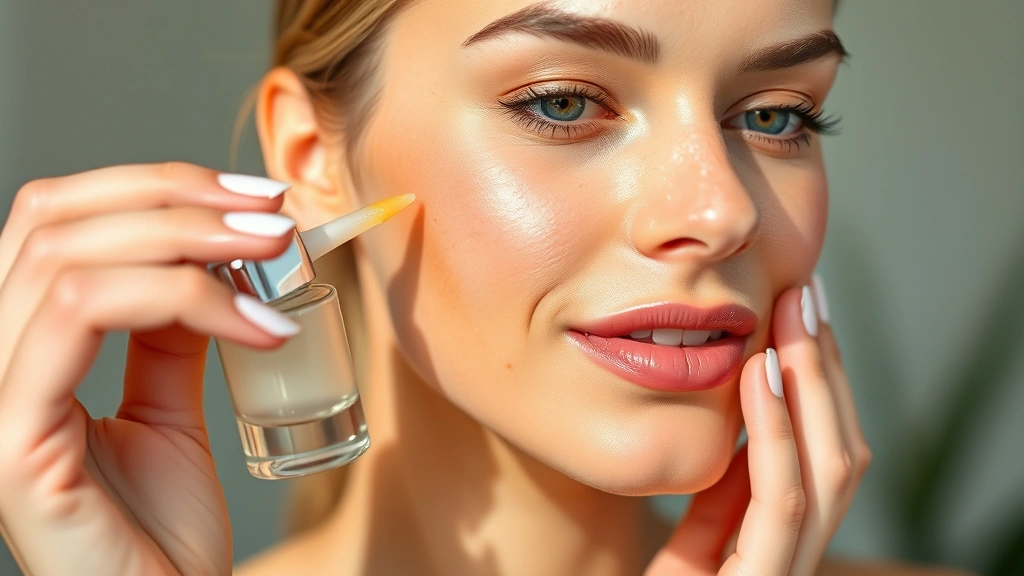
” alt=”Woman applying luxury skincare serum with visible glow and healthy skin texture, demonstrating proper skincare application technique”>
FAQ
Are deer cosmetics safe for daily use?
Deer cosmetics are generally safe for daily use when formulated by reputable manufacturers and sourced from quality-controlled suppliers. However, individual tolerance varies significantly. Start with patch testing and gradual introduction into skincare routines. Discontinue use if irritation develops. Individuals with known allergies to animal proteins should consult dermatologists before use.
Do deer cosmetics provide better results than conventional skincare?
Scientific evidence does not support superiority of deer cosmetics over well-established conventional ingredients. While deer-derived components offer theoretical benefits, clinical validation remains limited. Many conventional ingredients like retinol, vitamin C, hyaluronic acid, and peptides demonstrate superior clinical evidence. Deer cosmetics may provide comparable results at premium price points rather than exceptional advantages.
Is using deer cosmetics ethical?
The ethics of deer cosmetics depend on sourcing practices and specific ingredients. Antler velvet harvesting from sustainably managed deer herds raises fewer concerns than musk extraction from endangered species. Consumers prioritizing ethical consumption should research individual product sourcing, support manufacturers with transparent animal welfare practices, and consider plant-based or synthetic alternatives.
How long do results from deer cosmetics typically appear?
Like most topical skincare products, deer cosmetics require consistent use for 4-12 weeks before visible results manifest. Skin cell turnover cycles typically span 28 days; significant improvements in texture, tone, and elasticity require multiple cellular regeneration cycles. Realistic expectations involve gradual enhancement rather than dramatic transformation.
Can deer cosmetics replace other skincare steps?
Deer cosmetics function best as components within comprehensive skincare routines rather than standalone solutions. Effective skincare requires cleansing, moisturizing, sun protection, and targeted treatments addressing specific concerns. Deer cosmetics may enhance routines through their specific properties but should not replace essential steps like sunscreen or foundational moisturization.
What should I look for when purchasing deer cosmetics?
Prioritize products with transparent ingredient lists specifying deer-derived components and concentrations. Verify third-party testing certifications, research manufacturer sourcing practices, and read independent reviews from verified purchasers. Ensure products comply with regulations in your region and avoid suspiciously low-priced alternatives suggesting ingredient substitution.