Vegan Skincare Benefits: Expert Insights on Plant-Based Beauty
The skincare industry has undergone a dramatic transformation over the past decade, with vegan formulations moving from niche market status to mainstream consumer choice. This shift reflects both growing environmental consciousness and compelling scientific evidence that plant-based ingredients deliver measurable skin benefits. Vegan skincare eliminates animal-derived components like lanolin, squalane from shark liver oil, carmine, and keratin, replacing them with innovative botanical alternatives that often perform equally—or even more effectively—for diverse skin types.
Understanding vegan skincare requires more than recognizing what’s excluded; it demands appreciation for what’s included. Modern vegan formulations harness the power of plant oils, botanical extracts, amino acids, and fermented ingredients that provide proven skincare benefits without compromise. Whether you’re concerned about sensitive skin, environmental impact, or simply seeking superior formulations, vegan skincare offers scientifically-backed solutions that align with both personal values and skincare goals.
What Defines Vegan Skincare Products
Vegan skincare products contain zero animal-derived ingredients and are never tested on animals, distinguishing them from products simply labeled “cruelty-free.” The distinction matters: cruelty-free products may still contain animal-sourced components like honey, beeswax, or carmine (crushed cochineal insects), whereas vegan formulations exclude all animal materials entirely. This includes less obvious ingredients like vitamin D3 derived from lanolin (sheep’s wool), retinol sourced from animal fat, and certain emulsifiers traditionally extracted from animal byproducts.
Legitimate vegan skincare relies on plant-based alternatives that deliver comparable or superior performance. Vegan certification bodies like PETA and Leaping Bunny verify that products meet strict standards, ensuring consumers can trust labeling. Understanding these distinctions helps you evaluate whether products genuinely align with vegan principles or simply capitalize on marketing trends. Many affordable cosmetic brands now offer verified vegan options, making ethical skincare accessible across price points.
Key Plant-Based Ingredients and Their Benefits
The efficacy of vegan skincare hinges on understanding powerful botanical ingredients that replace traditional animal-derived components. Hyaluronic acid, commonly derived from fermented plant sources rather than rooster combs, holds up to 1000 times its weight in water, providing superior hydration for dehydrated and sensitive skin types. This ingredient works synergistically with plant glycerin and vegetable-derived humectants to maintain skin’s moisture barrier, crucial for preventing transepidermal water loss.
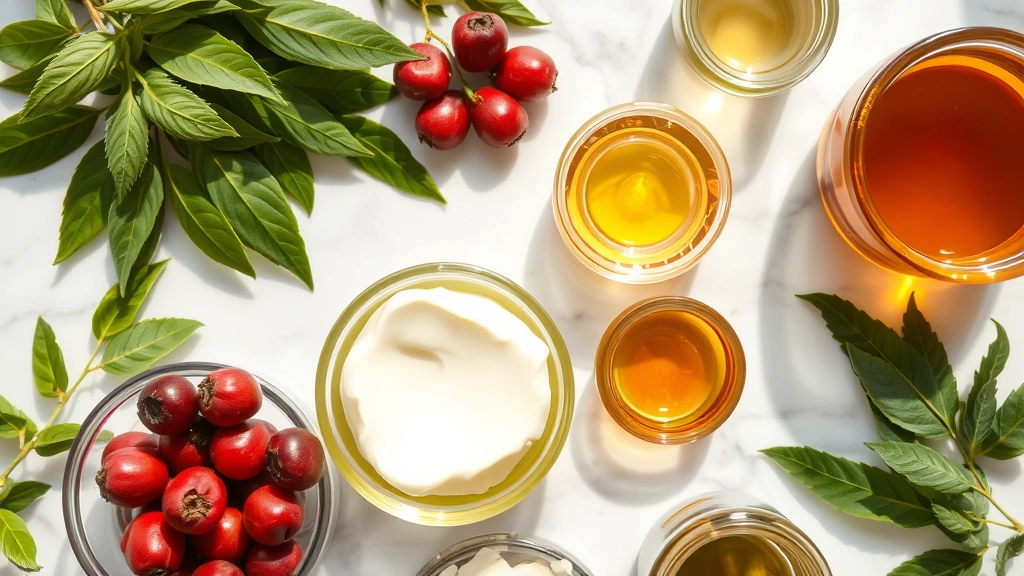
Plant oils and butters constitute skincare staples in vegan formulations. Jojoba oil, structurally similar to human sebum, penetrates deeply without clogging pores, making it ideal for oily and acne-prone skin. Rosehip seed oil delivers lycopene, vitamin A, and vitamin C—powerful antioxidants that address hyperpigmentation and support collagen synthesis. Shea butter provides oleic, stearic, and linoleic acids that strengthen the skin barrier, particularly beneficial for mature and dry skin types. Coconut oil, argan oil, and squalane derived from sugarcane offer similar barrier-support functions with distinct sensory profiles.
Botanical extracts provide concentrated phytochemical benefits. Green tea extract contains EGCG (epigallocatechin gallate), a catechin polyphenol demonstrating antioxidant and anti-inflammatory properties in peer-reviewed research. Resveratrol from grape seed extract activates sirtuins, proteins associated with cellular longevity and collagen maintenance. Niacinamide (vitamin B3), derived from plant sources, regulates sebum production, strengthens the skin barrier, and reduces inflammation—making it universally beneficial across skin types. These ingredients appear frequently in skincare products with antioxidants, where their synergistic effects maximize efficacy.
Fermented plant ingredients represent cutting-edge vegan skincare innovation. Fermentation breaks down plant cell walls, creating smaller molecular structures that penetrate deeper while increasing bioavailability of beneficial compounds. Fermented rice bran, miso, and kombucha extracts provide amino acids, organic acids, and probiotics that support skin microbiome health. These ingredients address multiple concerns simultaneously: they exfoliate gently, brighten skin tone, and strengthen the acid mantle that protects against environmental aggressors.
AHAs and BHAs in vegan formulations derive from plant sources. Lactic acid from plant fermentation and glycolic acid from sugarcane provide gentle exfoliation suitable for sensitive skin, while salicylic acid from willow bark addresses congestion in oily and acne-prone skin. These ingredients work by dissolving intercellular lipids that bind dead skin cells, promoting cellular turnover without harsh physical abrasion.
Vegan Skincare for Different Skin Types
For oily and acne-prone skin: Vegan formulations excel at regulating sebum without over-drying. Niacinamide reduces sebaceous gland activity while maintaining skin barrier integrity. Salicylic acid from willow bark penetrates pores without the irritation sometimes associated with synthetic versions. Clay masks containing kaolin or bentonite absorb excess oil, while plant-derived zinc compounds provide antimicrobial and anti-inflammatory benefits. Lightweight vegan moisturizers using jojoba oil and squalane hydrate without occlusion, preventing the rebound oil production that occurs when skin becomes dehydrated.
For dry and sensitive skin: Vegan skincare shines when addressing compromised barriers and reactive skin. Ceramides derived from plant sources (particularly rapeseed and sunflower) strengthen the intercellular lipid matrix, reducing sensitivity and irritation. Centella asiatica (cica) extract contains asiaticoside, asiatic acid, and madecassic acid, compounds clinically proven to accelerate barrier repair and reduce inflammation. Allantoin from comfrey root soothes irritation while promoting skin healing. Best skincare products for eczema frequently feature these vegan-friendly ingredients, as they address underlying barrier dysfunction without triggering reactions. Hyaluronic acid at multiple molecular weights (high and low) provides both surface hydration and deep penetration.
For mature skin: Plant-based peptides, derived from plant proteins rather than collagen, stimulate fibroblast activity and support collagen synthesis. Bakuchiol, a retinol alternative from the babchi plant, delivers retinization benefits—increased cell turnover, collagen production, and hyperpigmentation correction—without retinoid irritation. Resveratrol and pterostilbene from grapes activate sirtuin pathways associated with cellular longevity. Cosmetics for mature skin increasingly feature these vegan alternatives, as they address fine lines, loss of elasticity, and age spots through multiple mechanisms. Squalane provides the emollient support mature skin requires without feeling heavy.
For combination skin: Vegan formulations allow strategic ingredient layering that addresses distinct needs within one routine. Lightweight hydrating essences with fermented plant extracts provide hydration without occlusion. Targeted serums can deliver niacinamide to oily zones and hyaluronic acid to dry areas. Vegan moisturizers using gel-cream bases provide balanced hydration while maintaining skin’s natural texture variation.
Environmental and Ethical Advantages
Vegan skincare eliminates the ethical concerns inherent in animal agriculture. Traditional skincare ingredients like squalane from shark liver oil contributed to overfishing and marine ecosystem collapse. Lanolin production involves shearing sheep, often under conditions raising animal welfare concerns. Carmine requires harvesting millions of insects annually. By contrast, plant-based alternatives support sustainable agriculture, reduced carbon footprints, and elimination of animal suffering—aligning skincare practices with environmental stewardship.
The environmental benefits extend beyond ingredient sourcing. Vegan skincare companies typically prioritize sustainable packaging, reduced water consumption in manufacturing, and ethical supply chains. Many incorporate top drugstore cosmetics vegan options, making sustainable choices economically accessible. Plant-based agriculture, when managed responsibly, regenerates soil health and sequesters carbon, creating positive environmental impact throughout the supply chain.
Ethical considerations encompass human welfare as well. Vegan skincare companies often prioritize fair-trade sourcing, ensuring farmers and workers receive equitable compensation. Transparency in ingredient sourcing reveals supply chain practices, allowing consumers to support businesses aligned with their values. This ethical foundation resonates particularly with younger consumers who view skincare as an expression of personal values and environmental responsibility.
Comparing Vegan vs. Conventional Formulations
Scientific literature increasingly demonstrates that vegan formulations perform comparably to—and often exceed—conventional skincare containing animal-derived ingredients. Efficacy studies show that plant-derived hyaluronic acid hydrates as effectively as animal-sourced versions, with identical molecular mechanisms. Bakuchiol delivers retinization benefits matching prescription retinoids in some studies, without the photosensitivity and irritation concerns. Plant peptides stimulate collagen synthesis through identical fibroblast signaling pathways as animal-derived collagen.
The performance advantage sometimes favors vegan formulations. Plant oils contain essential fatty acids and antioxidants that animal-derived squalane alone cannot provide. Botanical extracts deliver phytochemicals absent in synthetic or animal-derived alternatives. Fermented plant ingredients create unique bioactive compounds unavailable through conventional manufacturing. These advantages explain why dermatologists increasingly recommend vegan skincare, even to patients without ethical concerns—the formulations simply work better for many skin conditions.
Cost considerations have shifted dramatically. While vegan skincare once commanded premium pricing, affordable cosmetic brands now offer high-quality vegan options at price points matching conventional competitors. The expanded market and increased manufacturing efficiency have eliminated the cost barrier that previously deterred budget-conscious consumers.
Building an Effective Vegan Skincare Routine
Developing a successful vegan skincare routine requires understanding your skin type and specific concerns, then selecting complementary products that work synergistically. Cleansing provides the foundation: a gentle plant-oil cleanser removes makeup and environmental debris without stripping skin. Follow with a hydrating toner containing fermented plant extracts and hyaluronic acid, preparing skin to absorb subsequent treatments.
Serums and essences deliver concentrated actives. A vitamin C serum from kakadu plum or rosehip addresses hyperpigmentation and provides antioxidant protection. A niacinamide serum regulates sebum and strengthens barriers. A hyaluronic acid essence hydrates all skin types without heaviness. These products layer beautifully in vegan formulations, which prioritize lightweight textures and complementary ingredient profiles.
Moisturizing completes your routine, sealing in hydration and supporting barrier function. Vegan moisturizers using plant oils, butters, and ceramics provide appropriate occlusion for your skin type. Dry skin benefits from rich creams featuring shea butter and squalane. Oily skin thrives with gel-creams using jojoba oil and lightweight hydrators. Mature skin appreciates skincare routine for glowing skin principles—layering hydration and nourishment to address multiple aging concerns simultaneously.
Specialized treatments address specific concerns. Weekly masks containing clay, charcoal, or enzyme powders from plant sources provide deep cleansing and exfoliation. Night serums featuring bakuchiol and plant peptides support overnight regeneration. Eye creams with caffeine from coffee extract and peptides address delicate eye area concerns. Sunscreen remains essential, and mineral vegan sunscreens using zinc oxide and titanium dioxide provide broad-spectrum protection without chemical filters or animal-derived ingredients.
Consistency matters more than complexity. A simple routine with vegan cleanser, hydrating toner, serum, and moisturizer outperforms an elaborate routine with mismatched products. Allow 4-6 weeks for results, as skin requires time to adapt to new ingredients and demonstrate visible improvements in texture, tone, and radiance.

FAQ
Are vegan skincare products as effective as conventional formulations?
Yes, scientific research demonstrates that plant-based ingredients deliver comparable efficacy to animal-derived alternatives, often with superior performance. Hyaluronic acid from fermented plants hydrates identically to rooster-comb sources. Bakuchiol provides retinization benefits matching prescription retinoids. Plant peptides stimulate collagen synthesis through identical mechanisms as animal collagen. The key distinction is formulation quality and ingredient concentration, not whether ingredients derive from plants or animals.
Can vegan skincare address acne effectively?
Absolutely. Plant-derived salicylic acid, niacinamide, and zinc compounds address acne through multiple mechanisms: unclogging pores, reducing sebum production, minimizing inflammation, and providing antimicrobial benefits. Many dermatologists recommend vegan acne formulations specifically because botanical ingredients often reduce irritation compared to harsh conventional treatments. Lightweight vegan moisturizers prevent the dehydration-induced rebound sebum production that worsens acne cycles.
Is vegan skincare suitable for sensitive skin?
Vegan skincare excels for sensitive skin. Plant-derived ceramides, centella asiatica, allantoin, and other botanical ingredients provide proven barrier-repair and anti-inflammatory benefits. Fermented plant extracts support healthy skin microbiome, reducing reactivity. Vegan formulations typically exclude synthetic fragrances, essential oils, and irritating preservatives, reducing trigger exposure. However, individual sensitivities vary—patch-test new products regardless of vegan status.
How do I identify genuinely vegan skincare products?
Look for certification from PETA or Leaping Bunny, which verify vegan status and cruelty-free practices. Review ingredient lists carefully, checking for animal-derived components like lanolin, carmine, squalane (unless specified as plant-derived), vitamin D3, retinol, or keratin. Reputable brands clearly identify plant-based alternatives in marketing materials and ingredient descriptions. Be wary of vague labeling; legitimate vegan companies proudly highlight their ethical sourcing.
Can vegan skincare address aging concerns?
Yes, extensively. Bakuchiol delivers retinization benefits without retinoid irritation. Plant peptides stimulate collagen synthesis and fibroblast activity. Resveratrol and other botanical antioxidants activate longevity pathways and protect against environmental aging. Hyaluronic acid, plant-derived ceramics, and nourishing oils address loss of elasticity and moisture. Vegan formulations often include concentrated botanical extracts that conventional skincare overlooks, providing comprehensive anti-aging benefits through multiple mechanisms.
Are vegan skincare products more expensive?
Not necessarily. While premium vegan brands command higher prices, numerous top drugstore cosmetics offer affordable vegan options at conventional price points. Market expansion and manufacturing efficiency have eliminated the cost premium that once distinguished vegan skincare. Many brands offer comparable products at identical prices, with vegan status adding value rather than cost.
How long before I see results from vegan skincare?
Most visible improvements emerge within 4-6 weeks of consistent use, as skin requires time to complete cellular turnover cycles and adapt to new ingredients. Some benefits—like improved hydration or reduced irritation—appear more quickly (1-2 weeks). Significant improvements in hyperpigmentation, fine lines, and overall radiance typically require 8-12 weeks. Consistency matters more than product quantity; a simple routine used religiously outperforms complex routines used sporadically.