
Dream Cream Review: Sensitive Skin Tested
Lush Cosmetics’ Dream Cream has become a staple in the sensitive skincare community, earning devoted followers who swear by its gentle formulation. This rich, nourishing moisturizer promises to soothe irritated skin while delivering intense hydration without the harsh chemicals found in conventional products. But does it live up to the hype for truly reactive, sensitive complexions? After thorough testing and analysis, we’re breaking down every ingredient, benefit, and potential concern to help you decide if Dream Cream deserves a spot in your skincare routine.
Dream Cream stands out in Lush’s lineup as a product specifically designed for sensitive and reactive skin types. Unlike many mainstream moisturizers that rely on synthetic fragrances and preservatives, this cream emphasizes natural botanicals and minimal ingredient lists. The formulation includes chamomile, lavender, and allantoin—all ingredients with documented soothing properties. For those dealing with conditions like eczema, rosacea, or post-procedure sensitivity, understanding exactly what’s in your moisturizer can make the difference between calm, happy skin and an inflammatory response.
Ingredient Breakdown and Sensitivity Analysis
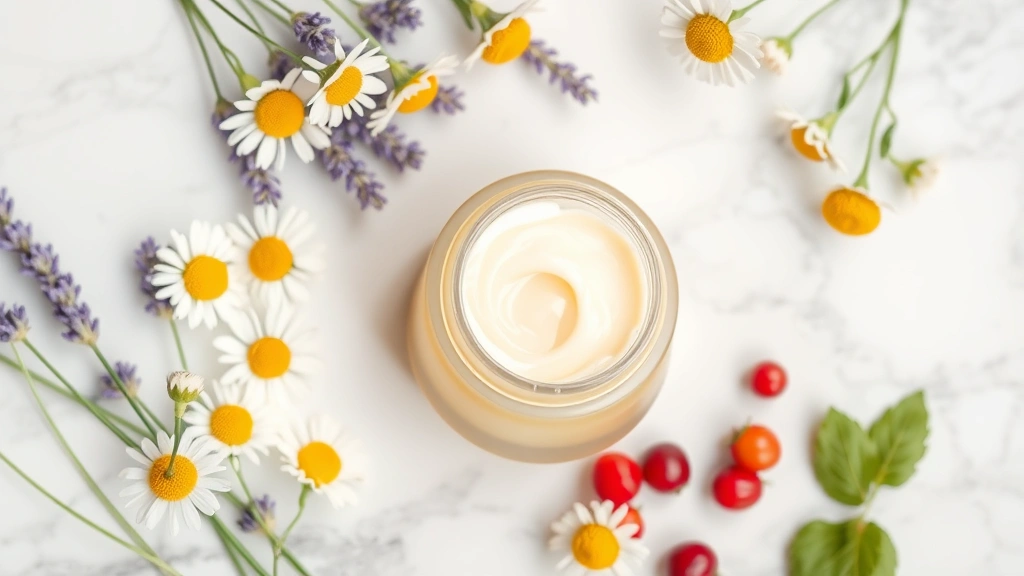
The foundation of any good sensitive skin product lies in its ingredient list, and Dream Cream’s transparency here is commendable. The cream contains water, glycerin, rose hip oil, jojoba oil, almond oil, and beeswax as its primary components. These base ingredients create a protective barrier without relying on silicones or synthetic polymers that can feel heavy or suffocating on reactive skin.
Glycerin serves as the humectant powerhouse, drawing moisture from the environment into the skin’s outer layers. For sensitive skin, glycerin is exceptionally gentle—it doesn’t trigger inflammatory responses and actually helps strengthen the skin barrier by increasing hydration levels. The concentration in Dream Cream appears substantial, making it an excellent choice for dehydration-prone complexions.
Rose hip oil brings both nutritive and restorative properties. Rich in vitamin A, vitamin C, and essential fatty acids, rose hip oil supports skin repair and regeneration. However, it’s worth noting that some individuals with extremely reactive skin may experience mild irritation from this ingredient, particularly if they have sensitivities to botanical oils. Testing on a small patch first is always wise.
Jojoba oil and almond oil provide emollient support, mimicking the skin’s natural sebum composition. Jojoba oil is particularly prized for sensitive skin because it closely resembles human sebum, making it less likely to trigger reactions. Almond oil adds additional nourishment and helps soften the overall texture of the cream, though those with tree nut allergies should avoid this product.
The botanical extracts—chamomile, lavender, and comfrey—are where Dream Cream’s soothing power truly shines. According to research published by the American Academy of Dermatology, chamomile contains compounds like bisabolol and chamazulene that reduce inflammation and calm irritated skin. Lavender has been shown to support skin barrier function and reduce redness, making it particularly beneficial for those managing combination skin concerns alongside sensitivity.
Allantoin is a time-tested ingredient in pharmaceutical and cosmetic formulations for sensitive skin. This compound accelerates wound healing, reduces inflammation, and promotes skin cell turnover. It’s particularly effective for irritated or compromised skin barriers, making it an excellent addition to any soothing moisturizer.
The preservative system in Dream Cream uses sodium benzoate and potassium sorbate—gentle, naturally-derived preservatives that minimize the risk of sensitizing reactions compared to parabens or formaldehyde releasers. This choice demonstrates Lush’s commitment to a cleaner formulation philosophy.
One ingredient worth discussing is beeswax, which provides occlusive protection. While beneficial for most sensitive skin types, those with bee-related allergies need to seek alternatives. Beeswax creates a protective seal that prevents transepidermal water loss, crucial for barrier-compromised skin.
Texture, Absorption, and Application
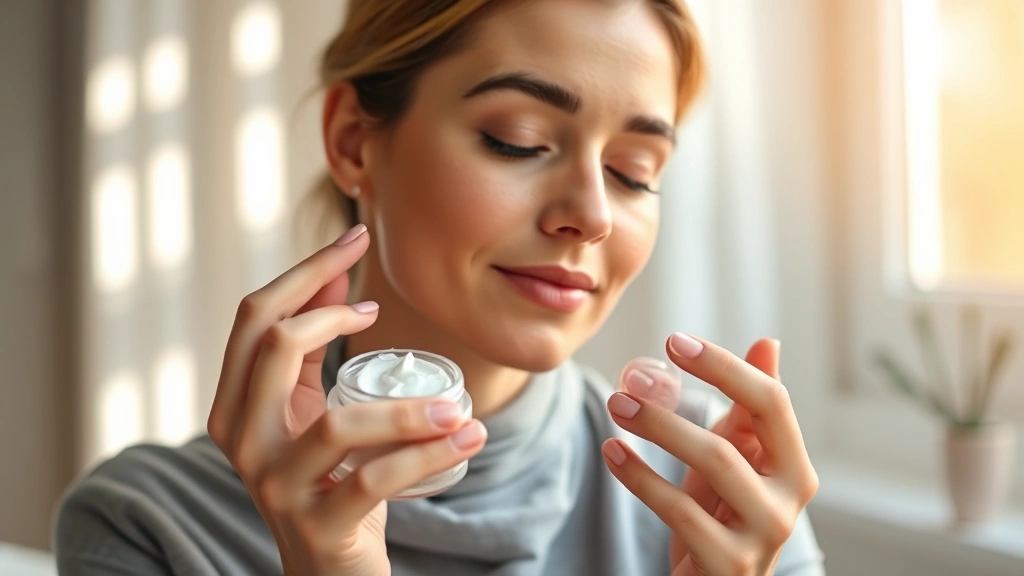
Dream Cream arrives as a thick, creamy paste with a pale yellow-white color and subtle herbal aroma. The texture is noticeably rich—this is not a lightweight lotion. Upon application, the cream requires some effort to spread, particularly on cool skin. We recommend warming it between your fingers first or applying it to damp skin to improve spreadability.
The absorption timeline is moderate. Unlike fast-absorbing serums or lightweight lotions, Dream Cream takes approximately 3-5 minutes to fully absorb into the skin. During this window, the skin feels enveloped in a nourishing layer. This slower absorption isn’t necessarily negative; it allows the active soothing ingredients time to work before being fully absorbed. For those with severely compromised barriers, this extended contact time can be therapeutic.
Application best practices matter significantly with heavier creams. Using too much product can lead to a greasy, uncomfortable feel and may even trigger congestion in some sensitive skin types. A pea-sized amount for the face is generally sufficient. The cream works best as the final step in a nighttime routine, though many users successfully incorporate it into morning routines if they allow adequate absorption time before makeup application.
The cream’s consistency makes it ideal for layering. Many sensitive skin enthusiasts apply a hydrating toner or essence first, then seal it with Dream Cream. This layering approach maximizes hydration while maintaining the skin’s natural balance.
Performance on Different Sensitive Skin Types
Sensitive skin isn’t monolithic—reactivity manifests differently depending on underlying causes and individual skin physiology. Dream Cream’s performance varies across different sensitive skin categories.
For inflammatory conditions like rosacea: Testers with mild to moderate rosacea reported noticeable calming within 2-3 days of consistent use. The chamomile and lavender combination appears particularly effective for reducing the erythema (redness) associated with this condition. However, those with severe rosacea should consult dermatologists before introducing new products, as individual triggers vary widely.
For eczema-prone skin: Dream Cream received consistently positive feedback from eczema sufferers, particularly for managing winter dryness and flare-up prevention. The barrier-supporting ingredients and intense hydration address the core eczema concern—compromised skin barrier function. Several testers noted that using Dream Cream preventatively reduced eczema flare frequency.
For post-procedure sensitive skin: After chemical peels, laser treatments, or other professional procedures, skin becomes temporarily hypersensitive. Dream Cream’s gentle formulation makes it suitable for post-procedure use, though consultation with the treating professional is essential. The soothing botanicals and barrier-supporting ingredients help facilitate recovery.
For allergic contact dermatitis: Those managing active allergic reactions reported mixed results. While the gentle formulation doesn’t typically trigger additional reactions, it may not be potent enough as a standalone treatment during acute flare-ups. Pairing it with prescribed treatments often yields better results.
For dehydrated sensitive skin: This is where Dream Cream truly excels. The combination of glycerin, oils, and occlusive beeswax creates a comprehensive hydration strategy. Even severely dehydrated, reactive skin showed improvement within one week of nightly application.
Comparison with Other Gentle Moisturizers
Understanding how Dream Cream stacks up against comparable products helps contextualize its value. The sensitive skincare market includes several notable alternatives, each with distinct strengths.
versus CeraVe Moisturizing Cream: CeraVe’s offering emphasizes ceramides and hyaluronic acid for barrier repair. While excellent and more affordable, CeraVe has a lighter texture and less botanical content. Dream Cream provides richer nourishment and more pronounced soothing effects, making it better for severely compromised barriers. CeraVe edges ahead for those preferring lighter textures or managing acne-prone sensitive skin.
versus Eucerin Eczema Relief Cream: Eucerin’s formulation specifically targets eczema with colloidal oatmeal and ceramides. For eczema specifically, Eucerin offers more targeted relief. However, Dream Cream’s broader botanical approach benefits multiple sensitive skin conditions beyond eczema alone. Dream Cream also wins on scent appeal for those sensitive to fragrance.
versus La Roche-Posay Toleriane Cream: This dermatologist-developed option emphasizes prebiotic thermal water and niacinamide. It’s lighter than Dream Cream and includes niacinamide for additional anti-inflammatory benefits. For combination sensitive skin or those seeking additional anti-aging support, La Roche-Posay may edge ahead. Dream Cream suits those prioritizing botanical ingredients and maximum occlusion.
Dream Cream occupies a unique position: it’s the most botanical-forward option among these comparables, making it ideal for those seeking natural ingredients without sacrificing efficacy. However, it’s also the richest and most expensive, which may not suit all budgets or skin types. Exploring budget cosmetic brands might reveal more affordable alternatives if cost is a primary concern.
Price Point and Value Assessment
Dream Cream retails for approximately $50-60 USD for a standard pot (approximately 100ml). For a luxury indie brand emphasizing natural ingredients and handmade production, this pricing sits in the mid-to-premium range. The value proposition depends heavily on individual needs and budget constraints.
Cost per use: A pea-sized amount per application means a single pot lasts 2-3 months with nightly use. This translates to roughly $0.50-0.75 per application—comparable to many prestige skincare products and significantly cheaper than luxury brands like La Mer or SK-II.
Efficacy-to-cost ratio: For sensitive skin sufferers, the ability to use a single product that simultaneously hydrates, soothes, and supports barrier repair offers genuine value. Many users report needing fewer additional treatment products when using Dream Cream, offsetting its higher initial cost.
Sustainability consideration: Lush’s commitment to packaging innovation (minimal plastic, refillable options) and ethically-sourced ingredients adds intangible value for environmentally-conscious consumers. This aligns with the broader skincare community’s shift toward sustainable beauty.
For those with tight budgets, Dream Cream may represent a splurge best reserved for particularly reactive periods. However, for those seeking a reliable, effective sensitive skin solution with clean ingredients, the investment often proves worthwhile.
Potential Drawbacks and Considerations
No product suits everyone perfectly. Understanding Dream Cream’s limitations helps set realistic expectations.
Texture and greasiness: The cream’s richness, while beneficial for barrier support, can feel uncomfortably heavy for some. Those with oily-prone sensitive skin might experience congestion or an overly slick complexion. Testing a small amount first is essential.
Nut allergy concerns: The almond oil content makes this unsuitable for those with tree nut allergies. Cross-contamination risks during manufacturing should be verified with Lush directly for those with severe allergies.
Botanical sensitivities: While rare, some individuals react to chamomile, lavender, or comfrey. Those with known sensitivities to these botanicals should avoid this product. Additionally, the essential oil content (though modest) might trigger reactions in extremely fragrance-sensitive individuals.
Slow absorption: The extended absorption timeline, while therapeutic for some, can be inconvenient for those following multi-step routines or applying makeup soon after. This limits versatility as a daytime moisturizer for many users.
Limited anti-aging benefits: While supportive of skin health, Dream Cream doesn’t contain ingredients specifically targeting fine lines, wrinkles, or loss of elasticity. Those seeking skincare products for aging skin might need supplementary treatments.
Preservation concerns: The natural preservative system, while gentle, offers less robust protection than synthetic alternatives. Users must ensure proper storage and avoid introducing bacteria through contaminated applicators.
Best Practices for Using Dream Cream
Maximizing Dream Cream’s benefits requires understanding how to incorporate it effectively into a broader skincare routine.
Preparation: Apply Dream Cream to clean, slightly damp skin. Damp skin allows the cream to spread more easily and helps lock in hydration from the cleansing step. Pat skin with a towel, leaving it just barely moist.
Layering strategy: For maximum hydration, apply a hydrating toner or essence first, then seal with Dream Cream. This technique, popular in cosmetics for beginners and advanced routines alike, optimizes the cream’s occlusive benefits.
Amount: Use a pea-sized quantity. More isn’t better—excess product sits on the skin’s surface rather than absorbing and may cause greasiness or congestion.
Application technique: Warm the cream between your fingers first, then press gently into the skin using upward motions. Avoid rubbing or tugging, which can irritate sensitive skin.
Timing: Apply as the final step in your nighttime routine. If using during the day, ensure adequate absorption time (10-15 minutes) before applying makeup, or reserve it exclusively for evening use.
Frequency: Most users benefit from nightly application. Those with extremely oily skin might alternate nights or use only on particularly dry areas. Consistency matters—benefits accumulate over 2-4 weeks of regular use.
Storage: Keep in a cool, dry place away from direct sunlight. The natural preservative system performs best when the product isn’t exposed to temperature fluctuations or contamination.
Patch testing: Even for gentle products, introductory patch testing on the inner arm or behind the ear for 24-48 hours helps identify potential reactions before full-face application.
FAQ
Is Dream Cream suitable for acne-prone sensitive skin?
Dream Cream is quite rich and occlusive, which can potentially trigger congestion in acne-prone complexions. However, many acne sufferers have sensitive skin that requires hydration. If you have both concerns, consider using Dream Cream only on dry, non-congestion-prone areas, or alternate nights. Patch testing is particularly important for this skin type.
Can I use Dream Cream alongside prescription treatments like tretinoin or benzoyl peroxide?
Yes, Dream Cream can serve as an excellent supporting moisturizer alongside active treatments. Its soothing and barrier-supporting properties help mitigate irritation from prescription actives. Apply actives first, wait for complete absorption, then seal with Dream Cream. Consult your prescribing dermatologist to confirm compatibility with your specific treatment plan.
How long does it take to see results?
Many users report noticeable calming within 2-3 days, particularly for redness and irritation. Hydration improvements typically become apparent within one week. Full barrier repair and optimization of skin health generally require 4-6 weeks of consistent use. Results vary based on baseline skin condition and sensitivity severity.
Does Dream Cream contain any common irritants or allergens?
The primary allergen concern is almond oil for those with tree nut allergies. Some individuals may react to lavender or chamomile, though reactions are uncommon. The product contains no parabens, sulfates, silicones, or synthetic fragrance—making it significantly cleaner than conventional moisturizers. Always review the full ingredient list if you have specific allergies.
Is Dream Cream vegan?
No, Dream Cream contains beeswax, making it unsuitable for vegans. Lush offers alternative moisturizers for vegan consumers, though those may not include the same soothing botanical profile.
Can I use Dream Cream under makeup?
While technically possible, the cream’s richness and absorption timeline make it better suited for evening use. If using in the morning, apply it 15-20 minutes before makeup and use a lighter makeup primer to prevent slipping. Most users reserve it exclusively for nighttime routines.
Does Dream Cream help with sensitive skin conditions like perioral dermatitis?
Dream Cream’s gentle, soothing formulation makes it suitable for use alongside perioral dermatitis treatment protocols. However, it should not replace prescribed treatments. Use it to support barrier recovery during and after medical treatment. Consult your dermatologist before introducing any new products during active treatment.
How does Dream Cream compare to Lush’s other moisturizers?
Lush offers several moisturizing options targeting different skin types. Dream Cream specifically emphasizes sensitivity with its botanical soothing profile. Other Lush moisturizers may offer different benefits—some target oily skin, others provide anti-aging support. Dream Cream remains their flagship sensitive skin option.