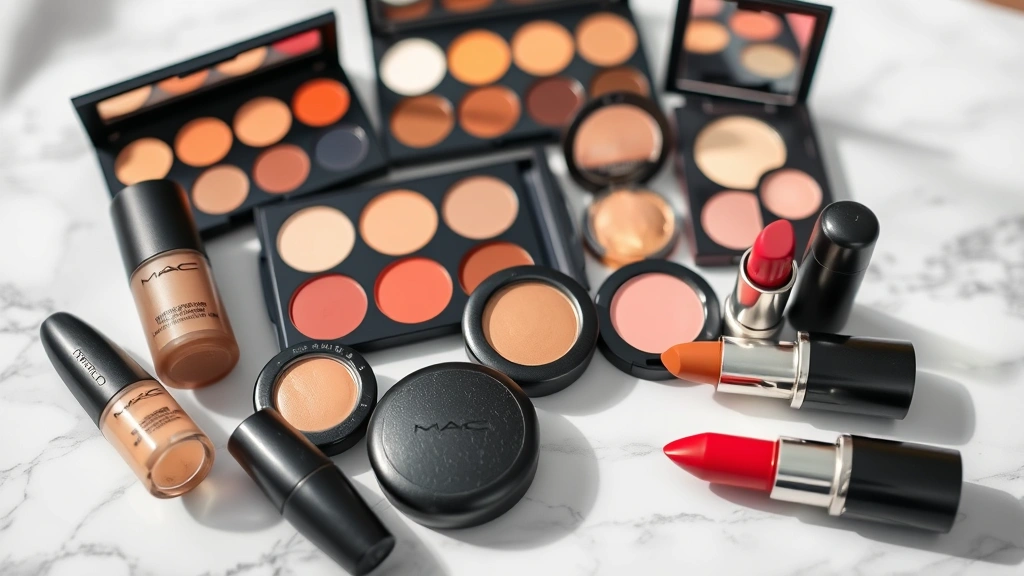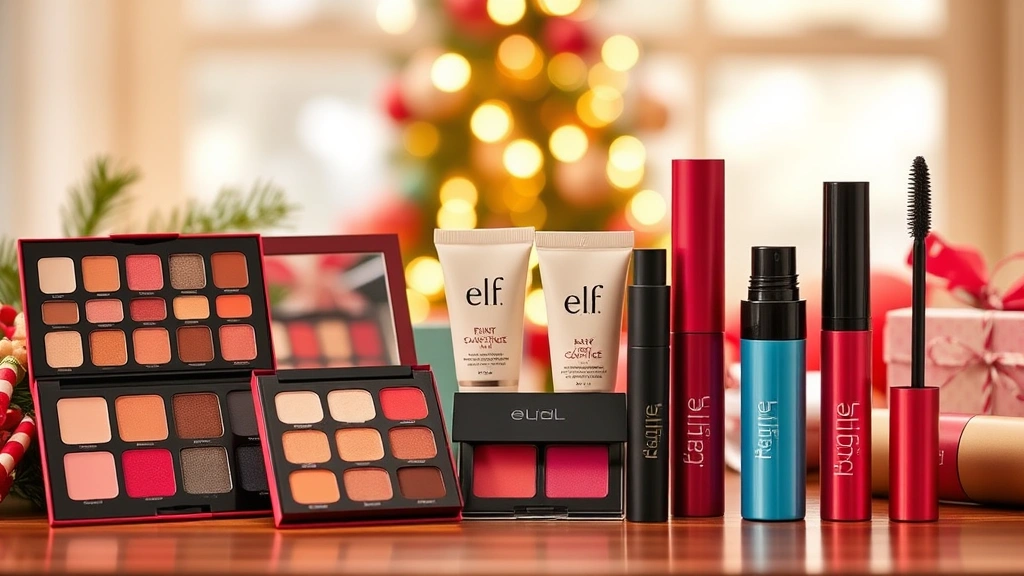
The holiday season brings a wave of beauty advent calendars, and ELF Cosmetics’ advent calendar has become a highly anticipated annual release. With price points significantly lower than luxury alternatives, many beauty enthusiasts question whether this budget-friendly option delivers genuine value or falls short of expectations. This comprehensive review examines the product quality, variety, and overall experience of the ELF advent calendar to help you decide if it deserves a spot on your holiday shopping list.
ELF (Eyes Lips Face) has built its reputation on making professional-quality cosmetics accessible to everyone. Their advent calendar strategy aligns with this philosophy, offering a curated selection of full-size and deluxe-size products at a fraction of what you’d pay purchasing items individually. However, advent calendar success depends on more than just price—it requires thoughtful product selection, practical variety, and genuine utility for diverse skin types and makeup preferences.
Understanding what’s actually inside these festive boxes, how the included products perform, and whether the total value justifies your investment requires looking beyond marketing claims and examining real product performance data and user experiences.
What’s Inside the ELF Advent Calendar
The ELF advent calendar typically contains 25 days of beauty surprises, though specific products vary by year and regional availability. Recent versions have featured a balanced mix of face, eye, and lip products alongside skincare essentials. The calendar usually includes full-size items like their bestselling primers and foundations, deluxe samples of popular mascaras and eyeshadow palettes, and travel-size skincare products that work well for testing before committing to full-size purchases.
Common inclusions across multiple years feature ELF’s signature products: their facial toners and hydrating essentials, volumizing mascaras, blush palettes, and lip products in various finishes. The brand strategically includes items that appeal to teenagers and young adults building their beauty routines, as well as staple products that experienced makeup enthusiasts actually use regularly.
One advantage of the ELF calendar is transparency about contents—the brand typically reveals the full product list before purchase, eliminating surprise disappointment. This allows you to verify whether included items align with your preferences, skin type, and existing collection before committing financially.
Product Quality and Performance Analysis
ELF’s budget positioning doesn’t automatically mean inferior quality. The brand manufactures products using solid formulations that perform competitively within their price tier. Their pore minimizing primers provide effective smoothing and extended wear, particularly for those with larger pores seeking pore-minimizing solutions. The primers typically create a smooth canvas and help foundation adhere longer throughout the day.
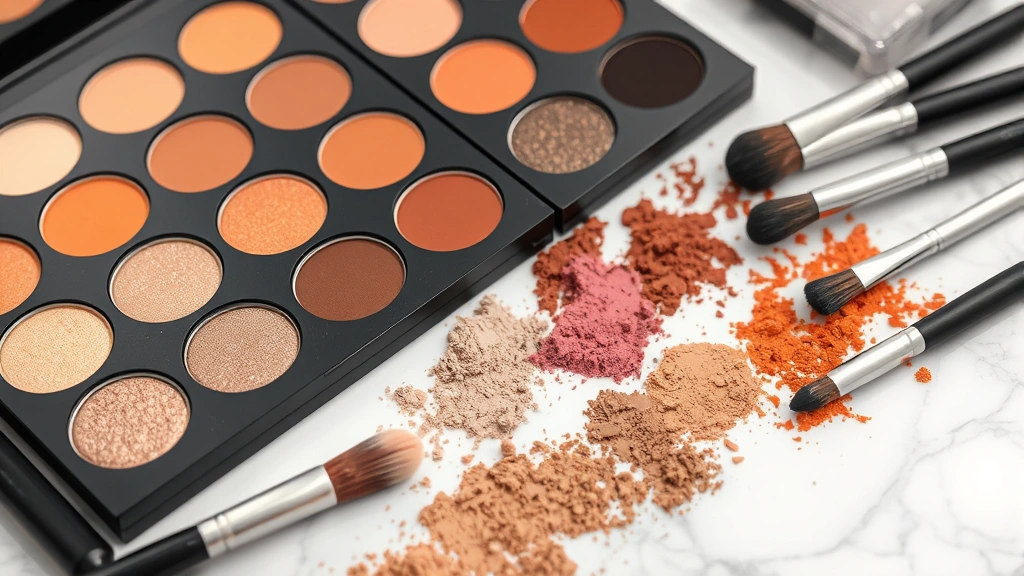
ELF’s eyeshadow formulations have improved significantly over the years. Their single shadows and palette offerings provide decent pigmentation and blendability, though they won’t match the performance of luxury brands costing three times as much. The shadows work best when applied with quality brushes and over primer, which most makeup enthusiasts already use. Fallout is minimal with their newer formulations, and color payoff ranges from buildable to moderately pigmented depending on the specific shade.
The mascara products included typically feature their original volumizing formula, which builds volume without excessive clumping. However, the brush design matters significantly—some users prefer the wand style while others find it less precise than premium alternatives. The formula itself holds curl reasonably well and doesn’t flake excessively throughout the day, making it suitable for daily wear.
Skincare components deserve special attention. ELF’s hydrating serums and moisturizers contain beneficial ingredients like hyaluronic acid and glycerin, though concentrations aren’t disclosed on packaging. These products work adequately for maintaining hydration, but they’re not transformative treatments. Users with skin peeling or dehydration concerns should research specific included formulas to ensure compatibility with their needs.
Value for Money Breakdown
The ELF advent calendar typically retails between $30-$50, depending on the year and retail location. To assess true value, compare this against the individual product prices of included items. Many advent calendars contain products worth $60-$100 if purchased separately, suggesting a 20-40% savings.
However, value perception depends on whether you actually want and will use every product. If the calendar contains 15 items you’d genuinely purchase and 10 items that don’t match your preferences, the effective savings drops significantly. This is why reviewing the full product list before purchase is essential.
The calendar also provides value through product discovery. Including items you wouldn’t normally buy creates opportunities to test products before investing in full sizes. If you discover a new favorite primer or eyeshadow formula, the calendar has paid for itself many times over. Conversely, if most products disappoint, you’ve spent money on items destined for donation or makeup drawers never to be touched.
Consider your typical ELF spending. If you regularly purchase from the brand, the advent calendar offers genuine savings on products already in your rotation. If you rarely buy ELF products, the calendar might introduce unnecessary duplicates or unsuitable formulas.
Best For: Skin Types and Preferences
The ELF advent calendar works best for makeup enthusiasts who appreciate product variety and enjoy testing new formulas. If you prefer sticking with proven products and hate surprises, the calendar format may frustrate rather than delight you.
For combination skin, the calendar’s balanced product selection typically works well. The primers suit oily zones while hydrating serums address dry areas. The eyeshadows and blushes in various undertones accommodate the color variation needs that combination skin often requires.
Users with sensitive skin or conditions like facial swelling should carefully review included ingredients. ELF products are generally gentle, but specific sensitivities vary. Their fragrance-free options exist but may not be prominently featured in the calendar.
The calendar appeals strongly to budget-conscious beauty lovers who prefer spending modestly across multiple products rather than investing heavily in single premium items. It also suits those building starter makeup collections, as the variety provides foundational products across multiple categories.
Those seeking affordable cosmetic brands with consistent quality find the advent calendar particularly valuable. ELF delivers reliable performance at price points that don’t compromise financial wellbeing.
Comparison with Competitors
Competing advent calendars from brands like Sephora, Ulta, and luxury houses offer different value propositions. Luxury brand calendars ($100-$300) contain premium products with higher price tags per item but don’t necessarily perform better for all skin types. Mid-range calendars from Sephora offer curated selections across multiple brands, providing greater variety but potentially less cohesion than a single-brand calendar.
The ELF calendar’s primary advantage is affordability combined with brand consistency. You know ELF’s quality standards and can reliably predict product performance. Multi-brand calendars offer surprise and variety but less predictability.
ELF calendars also avoid filler items—the brand rarely includes tiny samples of products with minimal usability. Instead, the advent calendar emphasizes products in sizes substantial enough to actually use throughout the holiday season and beyond.
When comparing specific calendars, calculate cost-per-item and consider whether you’d purchase those items anyway. A $40 ELF calendar with 25 products averages $1.60 per item, while a $150 luxury calendar with 25 items averages $6 per item. However, if the luxury calendar contains items worth $20-$30 each and the ELF calendar contains items worth $2-$4 each, the luxury option provides better value despite higher cost.
Tips for Maximizing Your Calendar
To get the most from your ELF advent calendar, review the complete product list before purchasing. This prevents disappointment and ensures you actually want most included items. Many retailers publish full contents weeks before the calendar releases.
Plan your opening strategy. Some beauty enthusiasts open one product daily as intended, while others open multiple items at once to assess the full range. Daily opening creates extended excitement, while bulk opening lets you immediately identify products for your active rotation versus those requiring testing.
Test products systematically. Don’t assume you’ll dislike items that differ from your usual choices. Give unfamiliar formulas adequate trials—at least three applications—before deciding they don’t work for you. Sometimes unexpected products become favorites.
Use the calendar to refresh existing routines. Even if you own ELF products already, the advent calendar may include updated formulations or new shades that enhance your collection. The primers, for instance, may work better than older versions you own.
Share or gift unopened products. If the calendar contains items you genuinely won’t use, gift them to friends rather than letting them go to waste. This extends the calendar’s value and spreads the beauty joy beyond your household.
Document your reactions. Keep notes on which products perform well, which disappoint, and which surprise you positively. This information helps you make better purchasing decisions in the future and identifies which ELF products deserve permanent spots in your rotation.
” alt=”Close-up of colorful eyeshadow palettes and makeup brushes arranged on marble surface, showcasing various neutral and warm-toned pigments with different finishes”>
Ingredient Quality and Transparency
ELF provides ingredient lists for all products, though they don’t prominently highlight specific beneficial components. Their formulations typically include safe, non-toxic ingredients approved by regulatory bodies like the FDA. The brand avoids known harmful substances and maintains manufacturing standards that meet industry requirements.
However, transparency about concentration levels remains limited. While ELF’s serums contain hyaluronic acid, the percentage isn’t disclosed, making it difficult to compare directly against higher-priced competitors. This opacity is common across the budget-beauty sector and doesn’t necessarily indicate inferior products—it’s simply a transparency difference.
For users interested in specific ingredient benefits, researching individual products before calendar purchase is essential. ELF’s website provides full ingredient lists, and comparing these against products you already love helps identify whether included items will perform similarly.
Sustainability and Packaging Considerations
The advent calendar comes in festive packaging that’s undeniably appealing but generates waste. If environmental impact concerns you, consider whether you’ll reuse the calendar box for storage or if it’ll be discarded. ELF’s individual product packaging is generally recyclable, though recycling availability varies by location.
The brand has made sustainability commitments, though progress remains incremental. If eco-consciousness is important to your purchasing decisions, research ELF’s current sustainability initiatives and packaging materials before buying the calendar.
The calendar format itself—24-25 small surprises—inherently creates more packaging waste than purchasing products in bulk. This trade-off is worth considering, especially if you prioritize minimal environmental impact.
Real User Experiences and Feedback
User reviews consistently praise the ELF advent calendar for variety and affordability. Beauty enthusiasts appreciate the opportunity to try multiple products at once and discover new favorites. The brand’s transparency about contents before purchase receives particular praise.
Common criticisms include duplicate products across years if you’ve purchased previous calendars, and occasional inclusion of items that don’t suit specific skin types or preferences. Some users note that while individual products are solid, the collection as a whole feels somewhat generic rather than curated around specific themes or skin concerns.
Repeat customers often feel the calendar becomes less exciting in subsequent years, especially if the brand recycles similar products. However, new beauty enthusiasts discovering the calendar for the first time typically report high satisfaction.
Making Your Final Decision
The ELF advent calendar is worth purchasing if you: enjoy discovering new products, appreciate budget-friendly beauty options, actively use multiple makeup categories, and don’t mind surprises. The calendar delivers genuine value when you’ll actually use most included items.
Skip the calendar if you: have very specific product preferences, suffer from ingredient sensitivities requiring careful product selection, already own extensive ELF collections, or prefer investing in fewer premium products rather than multiple budget items.
The calendar represents a low-risk beauty investment given its affordable price point. Even if you don’t love every product, the overall cost-per-item remains reasonable. Use this review alongside the official product list to make an informed decision aligned with your beauty goals and budget.
” alt=”Flat lay of holiday-themed beauty products including lip tints, primers, and skincare bottles arranged with festive gold ribbons and winter greenery on white background”>
FAQ
Is the ELF advent calendar available year-round?
No, the ELF advent calendar releases seasonally, typically in September through November for the holiday season. It sells out quickly at major retailers, so purchasing early increases availability. Some retailers may restock if supply permits, but stock remains limited compared to regular ELF products.
Can I return individual products from the calendar if I don’t like them?
Return policies vary by retailer. ELF’s official policy typically allows returns of unopened calendars, but opened calendars with individual products used or opened are non-returnable. Check your specific retailer’s return policy before purchasing, as some may be more flexible than others.
Are all products in the calendar full-size?
The calendar includes a mix of full-size and deluxe-size products. Full-size items include primers, mascaras, and some eyeshadows, while deluxe samples provide palettes and specialty items in smaller quantities. The official product list specifies which items are full versus deluxe size.
How does the ELF calendar compare to Sephora’s advent calendar?
ELF’s calendar costs significantly less ($30-$50 versus $60-$75 for Sephora’s beauty insider calendar) and features exclusively ELF products, providing brand consistency. Sephora’s calendar offers variety across multiple brands but less cohesion. Your choice depends on whether you prefer budget-friendly single-brand curation or multi-brand variety.
Will the ELF advent calendar work for sensitive skin?
ELF products are generally formulated to be gentle, but sensitivity varies individually. Review the included product list and research specific ingredients if you have known sensitivities. ELF doesn’t prominently feature hypoallergenic or fragrance-free options in the calendar, so careful review is essential for sensitive skin types.
Is the advent calendar a good gift?
Yes, the ELF advent calendar makes an excellent gift for makeup enthusiasts, budget-conscious beauty lovers, and anyone interested in trying new products. However, verify that the recipient actually uses makeup and enjoys the brands included. A calendar full of eyeshadow may disappoint someone who prefers skincare-focused products.
How long do the products last after opening?
Most products in the calendar have standard shelf lives: mascaras and liquid products typically last 6-12 months after opening, while powders and creams last 12-24 months. Since you’re opening products throughout the calendar, usage timing varies. Proper storage in cool, dry conditions extends product longevity.