Essential Cosmetics for Beginners: Expert Tips for Building Your First Routine
Starting a cosmetics routine can feel overwhelming when you’re surrounded by thousands of products promising transformation. The truth is, you don’t need an extensive collection to achieve healthy, radiant skin. As a makeup and skincare enthusiast, I’ve guided countless beginners through this journey, and the key is understanding which essential cosmetics actually deliver results and which are marketing hype.
Building a foundational cosmetics collection means investing in multi-tasking products that address your specific skin needs while keeping your routine simple and sustainable. Whether you have oily, dry, sensitive, or combination skin, starting with the right essentials prevents product waste and sets you up for long-term skincare success. This guide breaks down the non-negotiable products every beginner should own, plus expert tips for selecting formulas that match your unique skin profile.
Skincare Foundation: The Non-Negotiable Essentials
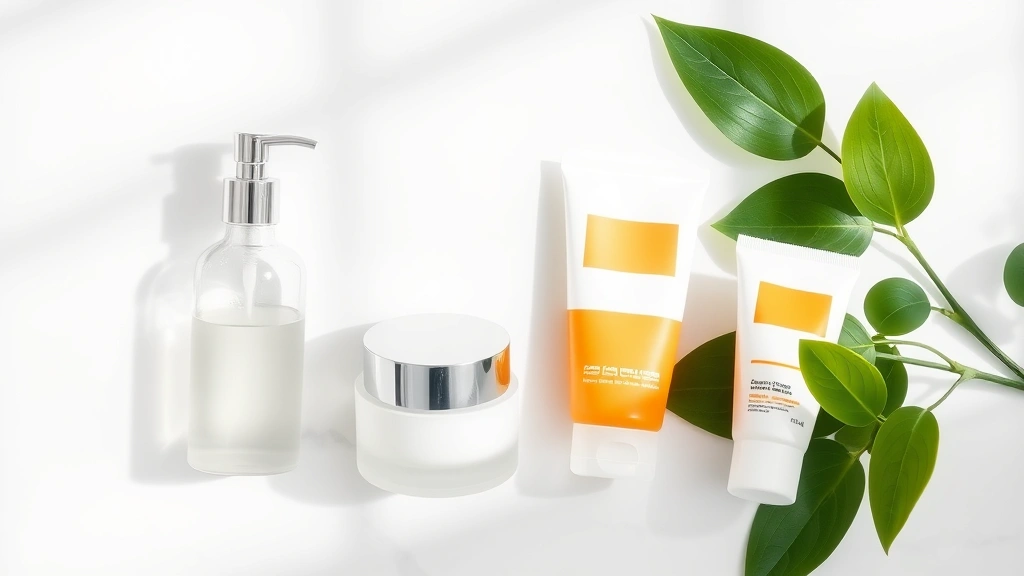
Before you purchase a single makeup product, your skincare foundation determines how everything else performs. The essential cosmetics for skincare include a gentle cleanser, a hydrating toner or essence, a moisturizer suited to your skin type, and broad-spectrum SPF protection. These four categories form the backbone of any effective routine, regardless of whether you eventually add serums, masks, or specialized treatments.
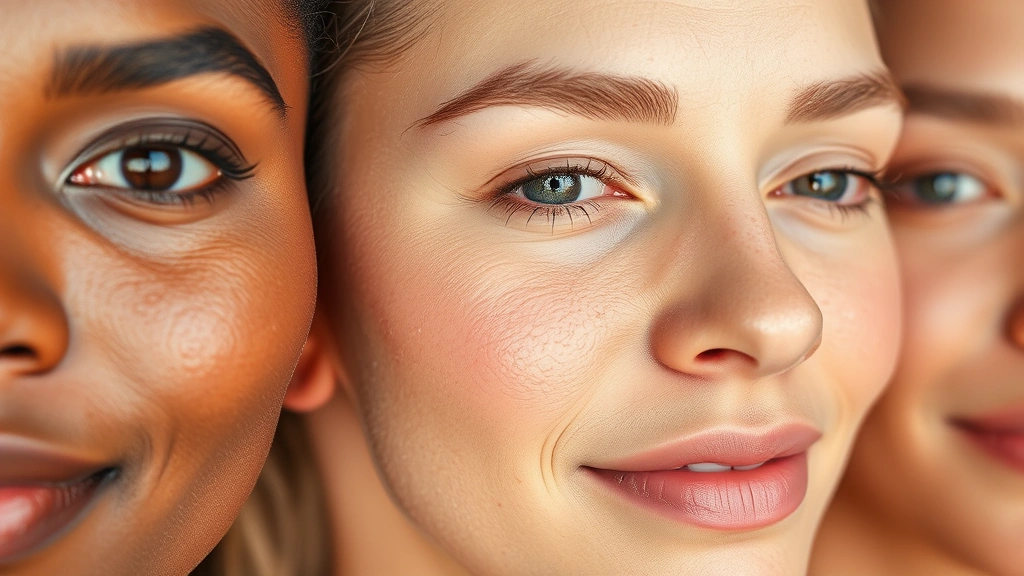
Understanding your skin type is the first critical step. Are you dealing with excess sebum production, tight and flaky patches, sensitivity to common ingredients, or a combination of these concerns? Your answers directly influence which formulas will work best. For instance, someone with sensitive skin prone to eczema needs entirely different essential cosmetics than someone with congestion-prone skin.
The dermatological consensus, supported by the American Academy of Dermatology, emphasizes that a simplified routine with consistent application beats a complicated regimen with sporadic use. Beginners often underestimate how transformative basics become when used daily for 6-12 weeks.
Cleansing Products That Transform Your Routine
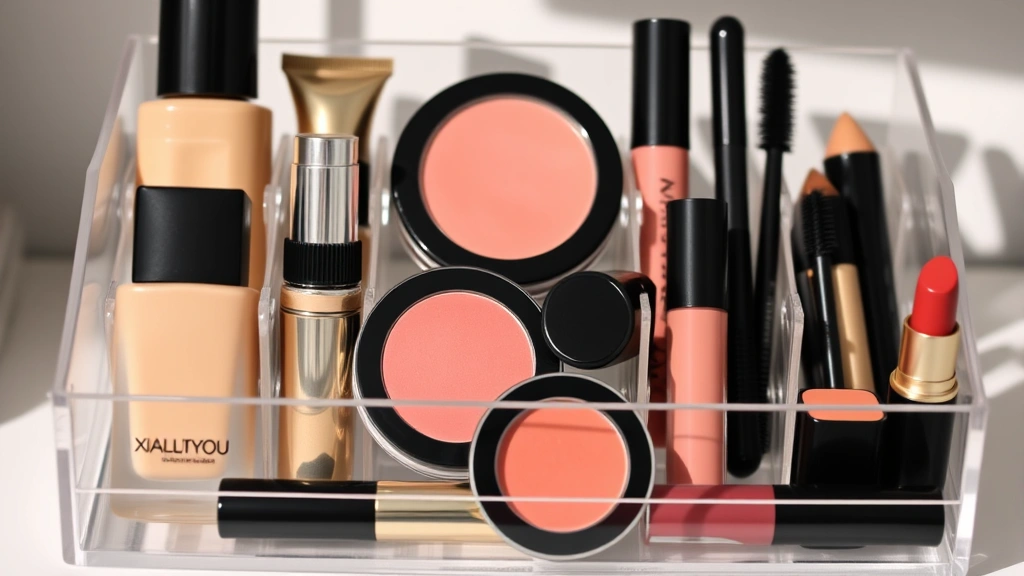
Cleansing is the foundation of every skincare routine, making it the most essential cosmetic category. Your cleanser removes makeup, environmental pollutants, excess oil, and bacteria that accumulate throughout the day. Choosing the wrong formula wastes money and can damage your skin barrier, so this decision deserves careful attention.
Cream and milk cleansers work beautifully for dry, sensitive, and mature skin types. These formulas contain emollients that dissolve makeup without stripping natural oils. Look for ingredients like glycerin, plant oils, or ceramides that support barrier health while cleansing.
Gel and foaming cleansers suit oily and acne-prone skin. These water-based formulas remove excess sebum and impurities without leaving residue. However, avoid products that leave your skin feeling tight, as this indicates over-stripping. The best gel cleansers balance efficacy with gentleness.
Micellar water represents an accessible entry point for beginners. This makeup-removing essential cosmetic requires no water or rinsing, making it perfect for travel or quick cleanups. Micelles are tiny oil molecules suspended in water that attract and lift makeup and dirt.
The double-cleanse method—using an oil-based first cleanser followed by a water-based second cleanser—represents the gold standard for makeup removal, especially if you wear foundation or long-wear products daily. However, beginners can start with a single effective cleanser and graduate to double cleansing once their routine solidifies.
Hydration and Moisturization for Every Skin Type
Hydration and moisturization are distinct concepts that beginners often confuse. Hydration refers to water content within skin cells, while moisturization means trapping that water with occlusive ingredients. The best essential cosmetics address both needs.
Hydrating toners and essences deliver lightweight hydration without heavy oils. These products, popular in cosmetic chemistry circles, contain humectants like glycerin, hyaluronic acid, or propylene glycol that draw moisture into the skin. Apply these immediately after cleansing while skin is still slightly damp to maximize water absorption.
Moisturizers come in multiple textures to suit different skin types. Lightweight lotions work for oily and combination skin without causing congestion. Richer creams benefit dry skin and provide the occlusive layer that prevents transepidermal water loss. Gel moisturizers offer a middle ground—hydrating and soothing without heaviness.
During winter months or in dry climates, you may need to upgrade to a richer formula. Our guide on preventing skin dryness in winter offers specific product recommendations for seasonal adjustments.
The ceramide-based moisturizers deserve special mention as essential cosmetics for barrier repair. Ceramides are lipids naturally present in skin that strengthen the moisture barrier. If your skin feels reactive or compromised, prioritizing ceramide-rich products accelerates recovery.
Sun Protection: Your Most Important Cosmetic
Sunscreen represents the single most impactful product in any skincare routine, yet many beginners treat it as optional. Broad-spectrum SPF 30 or higher protects against UVA and UVB radiation, preventing premature aging, dark spots, and skin cancer. This essential cosmetic should be non-negotiable in your daily routine, regardless of season or weather.
Sunscreen formulas vary significantly in texture and finish. Mineral sunscreens contain zinc oxide or titanium dioxide that physically blocks UV rays. These work immediately upon application and suit sensitive skin, though they can leave a white cast. Chemical sunscreens absorb UV rays and convert them to heat, offering a more elegant finish but require 15 minutes to become effective.
Hybrid formulas combine both technologies, offering the best of both worlds. Beginners should test several options to find a sunscreen they’ll actually use daily, since inconsistent application negates all benefits.
The Skin Cancer Foundation recommends reapplication every two hours, or immediately after swimming or sweating. For daily indoor use, applying sunscreen as your final skincare step provides adequate protection for most people.
Targeted Treatments and Active Ingredients
Once you’ve established your skincare foundation with cleanser, hydration, moisturizer, and sunscreen, targeted treatments become valuable additions. However, beginners should introduce actives slowly and strategically to avoid irritation or overwhelming their skin barrier.
Retinoids represent the gold standard for anti-aging and acne prevention. Starting with gentle retinol or retinyl palmitate at low concentrations allows your skin to build tolerance. These vitamin A derivatives increase cell turnover, reduce fine lines, and improve texture over months of consistent use.
Niacinamide offers gentle yet effective results for most skin types. This B-vitamin derivative regulates sebum production, strengthens barrier function, and reduces redness. Niacinamide serums or essences integrate easily into beginner routines without complicated timing requirements.
Hyaluronic acid serves as a powerhouse humectant that holds up to 1000 times its weight in water. This essential cosmetic ingredient appears in serums, toners, and moisturizers, providing hydration benefits for dry and dehydrated skin.
Vitamin C serums brighten dull skin and provide antioxidant protection. However, stability issues make many formulas ineffective. Look for L-ascorbic acid in opaque, dark packaging stored in cool environments.
The Personal Care Products Council emphasizes introducing one active ingredient at a time, waiting 4-6 weeks before adding another. This approach prevents irritation and helps you identify which products truly benefit your skin.
Essential Makeup Products for Beginners
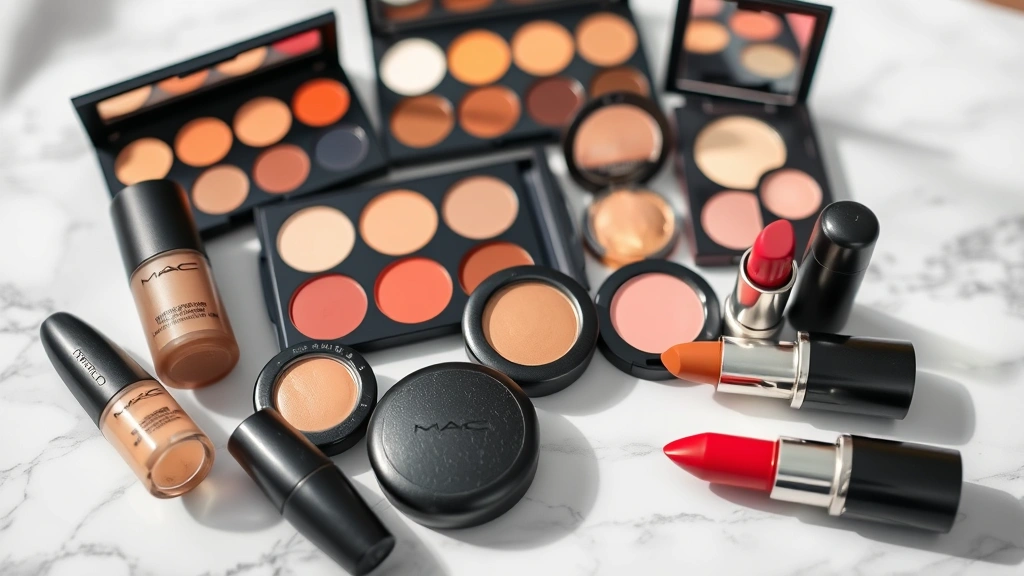
Makeup essential cosmetics differ from skincare in that they’re optional—your skin doesn’t require makeup to be healthy. However, if you want to wear makeup, certain products create a polished base with minimal effort.
Foundation or tinted moisturizer evens skin tone and creates a base for other products. Beginners should prioritize finding their correct shade match over brand prestige. Test formulas on your jawline in natural light, as lighting in stores often distorts color perception.
Concealer targets specific concerns like under-eye darkness, blemishes, or redness. A creamy, hydrating formula works universally, though you may eventually prefer different textures for different areas. Your concealer shade should match your skin tone exactly or be one shade lighter for brightening.
Blush adds dimension and life to your complexion. Cream blushes blend seamlessly for beginners, while powder formulas offer more control once you develop application skills. Choose shades that complement your undertone rather than following trends.
Mascara opens eyes and requires minimal application skill. A single coat of quality mascara creates definition without the commitment of false lashes or extensions. Waterproof formulas resist humidity and tears but require proper removal to prevent lash damage.
Lip color might be tinted lip balm, stain, or traditional lipstick depending on your comfort level. Beginners often prefer hydrating formulas that feel comfortable and forgiving of imperfect application.
Setting spray and powder represent optional finishing products that extend makeup wear. However, beginners should master application techniques before adding these layers.
Tools and Accessories Worth Your Investment
Beyond products, certain tools elevate your routine and ensure proper application. Facial cleansing brushes provide gentle exfoliation and deeper cleansing than hands alone. Sonic or oscillating brushes work well for beginners, though a simple soft-bristled manual brush suffices initially.
Jade rollers and gua sha stones offer massage benefits that reduce puffiness and improve circulation. While not scientifically essential, many users find them relaxing and worthwhile additions to their routine.
Makeup brushes and sponges determine how well your makeup applies. A basic set including foundation brush or sponge, blush brush, and eyeshadow brush covers most needs. Natural hair brushes suit powder products, while synthetic bristles work better with cream and liquid formulas.
Sunscreen application tools help you apply adequate amounts. The recommended amount is roughly a quarter-teaspoon for face alone—most people apply far less. A small scoop or measuring spoon ensures proper coverage.
Beginners often invest in expensive tools unnecessarily. Focus on quality essentials rather than extensive collections. A single good foundation brush outperforms ten mediocre ones.
Common Beginner Mistakes to Avoid
Recognizing common pitfalls prevents frustration and wasted money. Buying too many products at once overwhelms your skin and prevents you from identifying which products actually work. Add one new product every 4-6 weeks, allowing time to assess results.
Neglecting to check product expiration wastes money and potentially harms skin. Our guide on cosmetic expiration dates explains how to read packaging and identify when products expire.
Skipping patch tests can trigger reactions. Apply new products to a small area first, waiting 24-48 hours before full-face application. This proves especially important if you have contact dermatitis or sensitive skin.
Assuming expensive equals effective misleads many beginners. Price doesn’t correlate with results; a $15 product may outperform a $150 alternative. Focus on ingredient lists and clinical backing rather than brand names or packaging.
Changing routines too frequently prevents you from seeing results. Skin requires 6-8 weeks of consistent use to show visible improvement with most products. Resist the urge to switch products weekly based on minor fluctuations.
Over-exfoliating or over-treating damages the skin barrier. Beginners often assume more actives equal faster results, but this leads to sensitivity and irritation. Simplicity and consistency trump complexity and aggression.
Forgetting to moisturize after actives leaves skin vulnerable. Even oily skin needs lightweight hydration and occlusion after using exfoliating or potentially drying ingredients.
FAQ
What are the absolute minimum essential cosmetics I need?
At minimum: a gentle cleanser, hydrating toner or essence, moisturizer suited to your skin type, and broad-spectrum SPF 30+. These four products form a complete, effective routine. Everything else is supplementary.
How long before I see results from essential cosmetics?
Most skincare products require 4-12 weeks of consistent daily use before visible improvements appear. Some benefits like improved hydration show within days, while anti-aging or acne-fighting results take longer. Patience and consistency matter more than product switching.
Should beginners use serums?
Serums aren’t essential, though they can target specific concerns efficiently. Beginners should establish their foundation routine first, then add serums if they want to address particular issues like dehydration, dullness, or sensitivity.
How do I choose essential cosmetics for sensitive skin?
Sensitive skin benefits from simplified routines with fragrance-free, hypoallergenic formulas. Patch test everything, avoid essential oils and strong fragrances, and introduce actives very gradually if at all. Dermatologist-recommended brands often provide better tolerance.
Can I use the same essential cosmetics year-round?
While your core routine can remain consistent, seasonal adjustments often help. You might use a lighter moisturizer in summer and upgrade to a richer formula in winter. Sunscreen application becomes even more critical during sunny seasons.
What’s the correct order for applying essential cosmetics?
Apply products from thinnest to thickest consistency: cleanser, toner/essence, serums, treatments, moisturizer, sunscreen (AM only). This order allows each product to absorb properly before applying the next layer.
How much should I spend on essential cosmetics as a beginner?
You can build an effective routine for $50-150 monthly, depending on your location and preferences. Drugstore brands often perform as well as luxury lines. Invest in sunscreen and cleanser, as these provide the most noticeable benefits regardless of price point.