Achieve Radiant Skin: Glow Cosmetics Review
Glow cosmetics have revolutionized the beauty industry by prioritizing luminosity and skin health in equal measure. Whether you’re seeking that coveted dewy finish or addressing specific skin concerns, understanding the ingredient profiles and formulation science behind glow products is essential for making informed choices. This comprehensive review explores the best glow cosmetics available today, examining their active ingredients, efficacy, and suitability for various skin types.
The pursuit of radiant skin extends beyond surface-level aesthetics—it’s about supporting your skin’s natural barrier function while enhancing its inherent luminosity. Glow cosmetics achieve this through carefully selected ingredients like hyaluronic acid, glycerin, niacinamide, and light-reflecting particles that work synergistically to create a healthy, youthful appearance. Our analysis focuses on formulations that deliver genuine results rather than temporary optical illusions.
Understanding Glow Cosmetics and Their Benefits
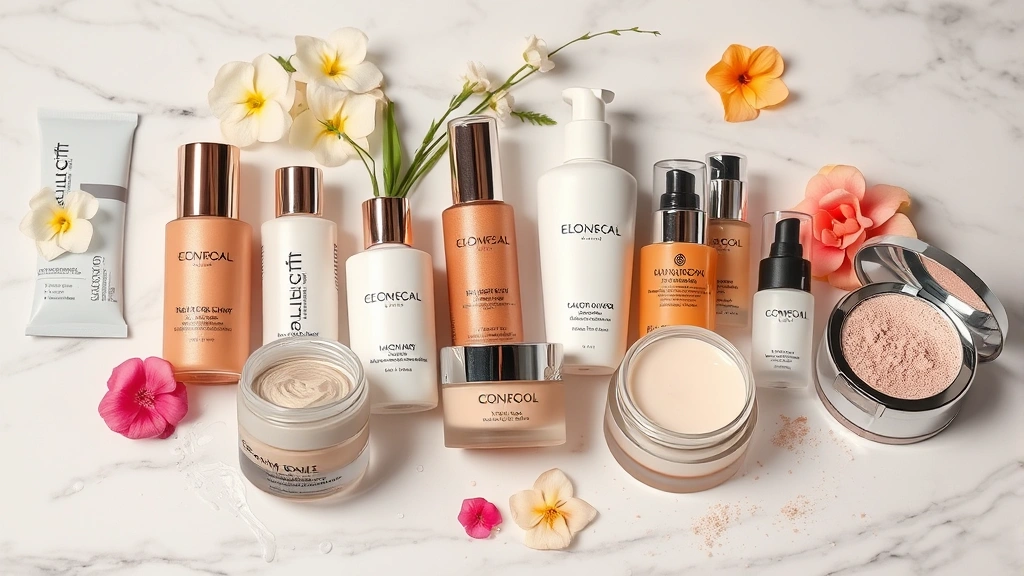
Glow cosmetics represent a paradigm shift in beauty formulation, moving away from matte, heavy finishes toward luminous, skin-respecting products. These cosmetics work by combining light-diffusing technologies with hydrating ingredients that plump the skin and create a naturally radiant appearance. Unlike traditional highlighting products that rely solely on shimmer particles, modern glow cosmetics integrate multifunctional ingredients that benefit skin health while enhancing luminosity.
The primary benefits of glow cosmetics include improved skin texture perception, enhanced hydration appearance, and a youthful glow that photographs beautifully in all lighting conditions. Products in this category typically feature moisturizing agents that prevent the tight, uncomfortable feeling associated with powder-heavy makeup. When formulated correctly, glow cosmetics can actually improve skin appearance over time by supporting the skin barrier and reducing transepidermal water loss.
Skin type compatibility is crucial when selecting glow products. Oily and combination skin types benefit from glow cosmetics with lightweight, non-comedogenic formulations that provide luminosity without excess oil production. Dry skin types thrive with glow products containing occlusive ingredients and humectants. Sensitive skin requires glow cosmetics formulated without common irritants like fragrance, essential oils, and high concentrations of alcohol.
Professional makeup artists consistently recommend quality cosmetic brushes for applying glow products, as proper application tools ensure even distribution and prevent product waste. The right brush can enhance the luminous effect while maintaining product integrity on the skin.
Key Ingredients in Glow Formulations
The efficacy of glow cosmetics depends entirely on their ingredient composition. Understanding these key components helps you identify products that deliver genuine benefits rather than marketing hype. Leading glow formulations incorporate scientifically-validated ingredients supported by dermatological research.
Hyaluronic Acid stands as the cornerstone ingredient in most glow cosmetics. This humectant can hold up to 1000 times its weight in water, creating a plumping effect that smooths fine lines and enhances skin luminosity. In glow products, hyaluronic acid typically appears as sodium hyaluronate, a more stable derivative with superior penetration capabilities. Different molecular weights target various skin layers—low molecular weight penetrates deeper, while high molecular weight remains on the surface for immediate hydration effects.
Glycerin functions as both a humectant and emollient in glow cosmetics. This ingredient draws moisture from the environment into the skin while creating a protective barrier that prevents moisture loss. Concentrations between 3-5% provide optimal hydration without creating sticky textures. Glycerin also enhances the spreadability of products, allowing for seamless blending and application.
Niacinamide (Vitamin B3) addresses multiple skin concerns while supporting the glow effect. This multifunctional ingredient regulates sebum production, minimizes pore appearance, strengthens the skin barrier, and provides anti-inflammatory benefits. Research published by the American Academy of Dermatology confirms niacinamide’s efficacy in improving skin texture and reducing hyperpigmentation. Concentrations of 4-5% deliver noticeable results without irritation.
Light-Reflecting Particles create the visual luminosity in glow cosmetics. Modern formulations utilize mica, titanium dioxide, and iron oxides in micronized forms that scatter light diffusely rather than creating obvious shimmer. These particles are non-toxic, non-comedogenic, and safe for all skin types when properly formulated. The particle size determines the intensity of the glow effect—smaller particles create subtle radiance, while larger particles produce more dramatic effects.
Peptides appear in premium glow formulations for their skin-firming and collagen-boosting properties. These amino acid chains signal skin cells to increase collagen production, improving elasticity and skin firmness over time. Matrixyl 3000 and palmitoyl pentapeptide are among the most researched peptides in cosmetic formulations.
Plant Extracts and Antioxidants enhance glow cosmetics with protective and soothing properties. Green tea extract, vitamin E, and resveratrol provide antioxidant protection against environmental stressors, while chamomile and aloe vera soothe irritation and reduce redness. These ingredients contribute to the overall healthy appearance associated with true radiance.
Top Glow Cosmetics by Skin Type
Selecting appropriate glow cosmetics requires understanding your specific skin type and concerns. This section provides targeted recommendations based on skin characteristics and needs.
For Oily and Acne-Prone Skin: Look for glow cosmetics formulated with lightweight, water-based ingredients that won’t clog pores or exacerbate breakouts. Products containing salicylic acid alongside hydrating ingredients balance oil control with necessary moisture. Mattifying glow formulas with silicates or talc-free powders provide luminosity without excess shine. Niacinamide-rich glow products are particularly beneficial for oily skin, as this ingredient regulates sebaceous gland activity while supporting the skin barrier. Avoid occlusive ingredients like heavy silicones and waxes that trap bacteria and promote comedone formation.
For Dry and Sensitive Skin: Prioritize glow cosmetics with occlusive ingredients like plant oils, squalane, and ceramides that support barrier function and prevent transepidermal water loss. Hyaluronic acid paired with glycerin creates optimal hydration for dry skin types. Avoid fragrance, essential oils, and high alcohol concentrations that compromise the skin barrier. Mineral-based glow products typically suit sensitive skin better than chemical formulations. Consider products with calming ingredients like centella asiatica, oat extract, and allantoin that reduce inflammation and redness while enhancing the glow effect.
For Combination Skin: Combination skin requires glow products that balance hydration in dry zones with oil control in T-zones. Lightweight gel-based glow formulas work exceptionally well, as they provide hydration without excess weight. Niacinamide-containing products benefit both oily and dry areas simultaneously. Consider using different glow products in different zones—a hydrating glow serum in dry areas and a lighter glow powder in oily zones. Top drugstore cosmetics often include excellent combination-skin-friendly options at accessible price points.
For Mature Skin: Mature skin benefits from glow cosmetics incorporating anti-aging ingredients like peptides, retinol, and resveratrol alongside hydrating components. These products address fine lines, loss of elasticity, and dull complexion simultaneously. Glow cosmetics with light-reflecting particles strategically placed can minimize the appearance of wrinkles by diffusing light away from fine lines. Avoid matte finishes that emphasize texture—luminous formulations create a youthful, healthy appearance.
Application Techniques for Maximum Radiance
The most effective glow cosmetic formulations require proper application technique to deliver optimal results. Mastering these methods ensures you achieve the desired luminosity while maintaining a natural, skin-like finish.
Prep Your Skin Properly: Begin with a clean, moisturized complexion. Apply your regular moisturizer appropriate to your skin type, then allow 2-3 minutes for absorption before applying primer. A hydrating primer creates a smooth canvas and enhances glow product adherence. For dry skin, consider a luminizing primer that contains light-reflecting particles. For oily skin, a mattifying primer controls shine while allowing glow products to showcase luminosity.
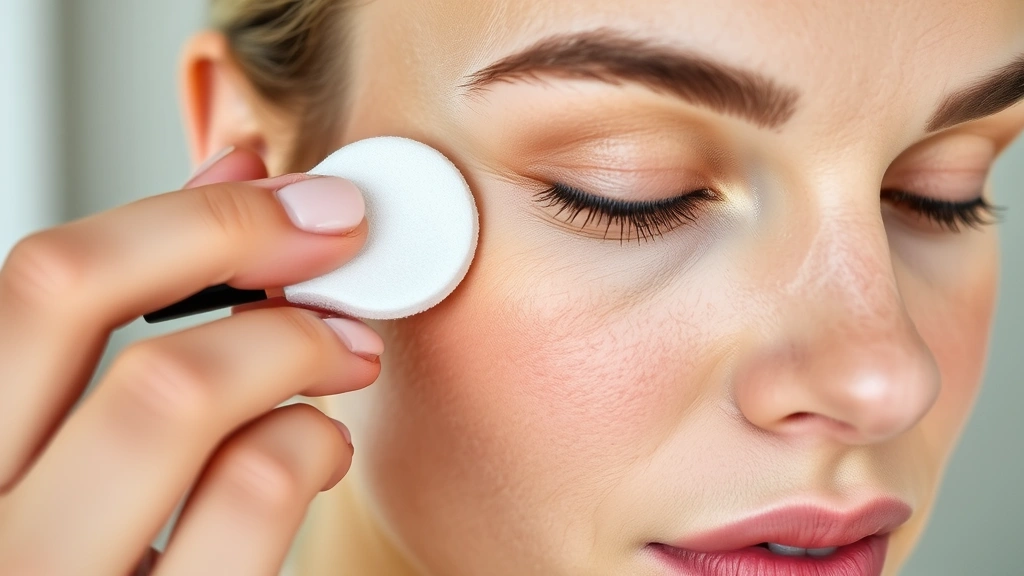
Choose the Right Application Tools: While fingers work for some glow products, proper lighting and tools ensure professional results. Damp beauty sponges blend liquid and cream glow products seamlessly, creating a second-skin finish. Fluffy brushes distribute powder glow products evenly without over-application. Stippling motions (pressing rather than swiping) work better than buffing for glow products, as this technique deposits product precisely where needed.
Layering Strategy: Build glow gradually using thin layers rather than applying one heavy coat. Start with a hydrating glow primer, followed by a light layer of liquid or cream glow product on high points of the face (cheekbones, brow bones, bridge of nose, cupid’s bow). Finish with a subtle powder glow if desired, focusing on areas that catch light naturally. This layered approach creates dimensional luminosity that appears natural and skin-like.
Strategic Placement: Apply glow products to areas where light naturally hits the face—the tops of cheekbones, center of forehead, down the bridge of the nose, and the cupid’s bow. Avoid placing glow products in areas with active breakouts or significant texture concerns, as highlighting these areas emphasizes imperfections. Blend edges thoroughly to prevent visible demarcation lines.
Setting Techniques: Set glow products with a light, dewy setting spray rather than powder for most skin types. Setting sprays lock products in place while maintaining the luminous finish. For oily skin, a light translucent powder may be necessary, applied with a damp sponge to minimize texture and maintain the glow effect.
Budget-Friendly Glow Options
Achieving radiant skin doesn’t require luxury price tags. Numerous affordable cosmetic brands offer excellent glow products formulated with scientifically-validated ingredients. Budget-conscious beauty enthusiasts can access professional-quality glow cosmetics through strategic shopping and ingredient knowledge.
Drugstore brands have significantly improved their formulation standards, incorporating ingredients previously exclusive to prestige cosmetics. Top drugstore cosmetics often feature hyaluronic acid, niacinamide, and peptides at price points under $15. These products deliver comparable results to premium alternatives when formulated correctly. Reading ingredient lists and comparing concentrations helps identify the best values.
Liquid and cream glow products generally offer better value than powder formulations, as a little product goes a long way. One bottle of liquid highlighter typically lasts 6-12 months with regular use, making the per-application cost minimal. These formulations also work across multiple skin types, increasing versatility and value.
Consider purchasing glow cosmetics during sales, seasonal promotions, and through beauty subscription services that offer discounted access to full-size products. Many brands offer free cosmetic samples allowing you to test products before committing to full-size purchases. This approach minimizes waste and ensures compatibility with your skin before investing in larger quantities.
Creating a glow cosmetics routine with 2-3 versatile products serves most needs. A hydrating glow primer, one liquid or cream glow product, and optional powder glow provides complete coverage for various occasions and skin conditions. This minimalist approach reduces spending while ensuring consistent, professional results.
Combining Glow Cosmetics with Skincare
True radiance emerges from the synergy between skincare and glow cosmetics. Prioritizing skin health creates a luminous base that glow products enhance rather than mask. This integrated approach delivers superior, longer-lasting results.
Skincare Foundation: Begin with a consistent skincare routine addressing your specific concerns. A gentle cleanser removes impurities without disrupting the skin barrier, followed by a hydrating toner that prepares skin for serums. Serums containing active ingredients like vitamin C, niacinamide, or hyaluronic acid address specific concerns while improving skin texture. A moisturizer appropriate to your skin type seals in hydration and supports barrier function. Sunscreen (SPF 30+) protects against UV damage that causes dullness and premature aging.
Complementary Actives: Select skincare ingredients that complement your glow cosmetics. If using niacinamide-rich glow products, incorporate niacinamide serums for enhanced sebum regulation and barrier support. Hyaluronic acid serums paired with glow cosmetics containing the same ingredient amplify hydration and plumping effects. Retinol or retinoid skincare improves skin texture and collagen production, creating a smoother base for glow product application.
Exfoliation Strategy: Regular exfoliation removes dead skin cells that dull complexion and prevent glow product adhesion. Chemical exfoliants with AHAs (glycolic acid, lactic acid) or BHAs (salicylic acid) work more gently than physical exfoliation while delivering superior results. Incorporate exfoliation 2-3 times weekly, adjusting frequency based on skin sensitivity. Avoid exfoliating immediately before special events, as freshly exfoliated skin may be sensitive to glow product application.
Treatment Masks: Weekly treatment masks boost hydration and skin luminosity between regular skincare steps. Hydrating sheet masks, clay masks for oily skin, or overnight sleeping masks for dry skin prepare your complexion for glow product application. These intensive treatments provide concentrated doses of beneficial ingredients, improving skin texture and radiance.
Lifestyle Factors: Skincare and glow cosmetics work optimally when supported by healthy lifestyle choices. Adequate hydration (8+ glasses of water daily) supports skin hydration from within. Quality sleep allows skin cells to regenerate and repair, contributing to natural luminosity. A balanced diet rich in antioxidants, healthy fats, and vitamins supports skin health and reduces inflammation. Regular exercise increases blood flow to the skin, enhancing natural radiance.
Professional dermatological guidance enhances your glow cosmetics routine. Dermatologists can identify underlying skin concerns limiting radiance and recommend targeted treatments. Chemical peels, professional facials, and other in-office treatments create optimal skin conditions for glow product application and efficacy. The American Academy of Dermatology provides resources for finding board-certified dermatologists in your area.
Understanding ingredient interactions prevents adverse reactions and maximizes benefits. Certain ingredients should not be combined—retinoids and vitamin C, for example, can cause irritation when used simultaneously. Consult ingredient databases like INCIDecoder to verify compatibility before combining multiple products. This research ensures your skincare and glow cosmetics work synergistically rather than against each other.
FAQ
What’s the difference between glow cosmetics and highlighters?
Glow cosmetics encompass a broader category including primers, serums, and multiple product types that enhance luminosity through hydration and light-reflecting particles. Highlighters specifically refer to concentrated products applied to high points of the face. Modern glow cosmetics often function as both—providing skin benefits while creating visual luminosity. The distinction has blurred as formulations have evolved.
Can glow cosmetics work on oily skin?
Yes, when formulated appropriately. Lightweight, water-based glow cosmetics with mattifying ingredients work well on oily skin. Niacinamide-containing glow products regulate sebum production while providing luminosity. Avoid heavy, occlusive glow formulations and opt for powder or gel-based options. Apply glow products sparingly to prevent excess shine, focusing on areas that naturally catch light.
How long do glow cosmetics typically last?
Longevity depends on formulation type and application technique. Liquid and cream glow products typically last 6-12 hours with proper setting. Powder glow formulations may last 8-10 hours. Using a setting spray extends wear time significantly. Reapplication during the day maintains luminosity without complete makeup reapplication.
Are glow cosmetics suitable for sensitive skin?
Mineral-based glow cosmetics formulated without fragrance, essential oils, and common irritants work well for sensitive skin. Look for products containing soothing ingredients like centella asiatica, oat extract, and allantoin. Patch test new products on a small area before full-face application. Consult with a dermatologist if you have severe sensitivity or active skin conditions.
What’s the best way to remove glow cosmetics?
Glow cosmetics should be removed with a gentle cleanser appropriate to your skin type. Micellar water effectively removes glow products without harsh rubbing. Follow with your regular cleansing routine and moisturizer. Avoid sleeping in glow cosmetics, as this prevents skin regeneration and can cause congestion.
Can I wear glow cosmetics with SPF?
Yes, but apply sunscreen before glow cosmetics. Allow sunscreen 15 minutes to set before applying glow products. This layering approach ensures adequate sun protection while maintaining the luminous finish. Reapply sunscreen throughout the day if possible, or use a powder sunscreen over glow cosmetics for touch-ups.