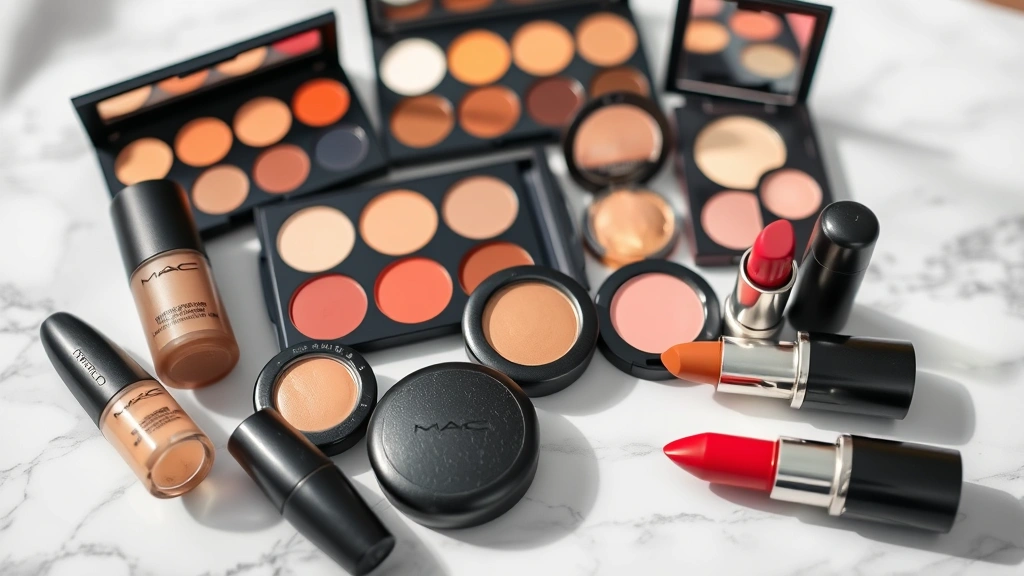
Gluten-Free Makeup: Dermatologist-Approved Options for Sensitive Skin
If you have celiac disease, non-celiac gluten sensitivity, or simply prefer gluten-free beauty products, navigating the cosmetics aisle can feel overwhelming. While gluten is primarily a dietary concern, it can trigger skin reactions in individuals with gluten sensitivity when applied topically. Many dermatologists now recommend gluten-free cosmetics for patients with compromised skin barriers, inflammatory skin conditions, or known gluten sensitivities. This comprehensive guide explores why gluten-free makeup matters, which brands offer verified options, and how to identify truly gluten-free formulations.
The beauty industry has responded to growing demand for gluten-free cosmetics with innovative formulations that maintain performance while eliminating gluten-containing ingredients like barley extract, wheat protein, and rye flour. Whether you’re managing celiac-related skin issues or seeking cleaner beauty alternatives, understanding gluten-free makeup options empowers you to make informed choices that support your skin health.
Why Gluten-Free Makeup Matters for Your Skin
For individuals with celiac disease or gluten sensitivity, even minimal exposure to gluten can trigger inflammatory responses. When you apply makeup containing gluten-derived ingredients directly to facial skin, these proteins can penetrate compromised barriers and cause reactions ranging from mild redness to severe contact dermatitis. How to treat contact dermatitis becomes essential knowledge for those experiencing unexpected skin flare-ups from cosmetics.
Dermatologists increasingly recommend gluten-free makeup not only for celiac patients but also for anyone with sensitive skin conditions like rosacea, eczema, or post-procedure skin. Gluten proteins can trigger histamine release and inflammatory cascades in susceptible individuals, leading to persistent irritation. Additionally, gluten-containing ingredients often come from grain derivatives that may harbor cross-contamination or allergens.
The shift toward gluten-free cosmetics reflects broader clean beauty trends emphasizing ingredient transparency and skin health. Many gluten-free formulations eliminate other problematic ingredients simultaneously, creating genuinely cleaner products. This alignment with clean beauty principles means gluten-free makeup often features advanced, skin-compatible alternatives to traditional cosmetic fillers and thickeners.
Understanding Gluten in Cosmetics
Gluten appears in makeup and skincare through various grain-derived ingredients. Wheat protein, barley extract, rye flour, and oat derivatives are common culprits in foundations, powders, mascaras, and setting sprays. These ingredients serve multiple functions: wheat protein acts as a binder and skin-conditioning agent, barley extract provides antioxidants and soothing properties, while grain-derived polymers improve texture and wear time.
The challenge lies in identifying gluten across ingredient labels. Manufacturers often use botanical names or proprietary blends that obscure gluten sources. For example, “hydrolyzed wheat protein” clearly contains gluten, but “plant-derived polymers” or “natural thickeners” might hide grain derivatives. Cross-contamination during manufacturing also poses risks—facilities processing gluten-containing ingredients may inadvertently expose gluten-free products.
The Celiac Disease Foundation provides resources for identifying gluten in cosmetics, emphasizing that topical exposure differs from ingestion but remains concerning for sensitive individuals. Their guidelines recommend purchasing from brands with certified gluten-free status or those explicitly committing to gluten-free manufacturing practices.
Understanding ingredient sourcing matters equally. Gluten-free makeup brands often source ingredients from certified gluten-free suppliers, ensuring no cross-contamination occurs during production. This level of transparency distinguishes genuinely gluten-free products from those that simply lack obvious gluten ingredients but may contain traces.
Top Dermatologist-Approved Gluten-Free Brands
Several beauty brands have earned dermatologist recognition for comprehensive gluten-free commitments. Physicians Formula stands out for offering extensive gluten-free makeup lines without compromising performance. Their foundations, powders, and mascaras deliver professional results while maintaining strict gluten-free standards across manufacturing facilities.
Bare Minerals built its reputation on mineral-based formulations naturally free from gluten and numerous synthetic ingredients. Their loose and pressed powders, foundations, and bronzers provide buildable coverage without grain-derived binders or fillers. Dermatologists frequently recommend Bare Minerals for sensitive, reactive, or compromised skin because the mineral base itself minimizes irritation triggers.
Almay specializes in hypoallergenic, gluten-free makeup designed for sensitive skin. Their commitment extends beyond gluten elimination to include fragrance-free formulations and compatibility testing with contact lens wearers. Products like their True Color foundation and powder receive consistent dermatologist endorsement.
MAC Fix+, while primarily a setting spray, represents professional-grade gluten-free makeup options appreciated by makeup artists and dermatologists alike. The brand maintains transparent ingredient sourcing and collaborates with dermatologists to ensure product safety for sensitive populations.
Clinique offers dermatologist-developed gluten-free foundations and powder products. Their allergy-tested formulations and commitment to ingredient transparency make them reliable choices for those navigating gluten sensitivity alongside other skin concerns.
Gluten-Free Makeup by Category
Foundations and Base Products
Gluten-free foundations come in various formulations serving different skin types and coverage needs. Liquid foundations from brands like Bare Minerals and Physicians Formula provide medium to full coverage without grain-derived thickeners. These formulations typically use silicone-based or water-based carriers combined with mineral pigments, creating stable products that wear beautifully throughout the day.
Powder foundations offer lightweight alternatives ideal for oily or combination skin. Gluten-free mineral powders eliminate the need for grain-derived binding agents, relying instead on naturally occurring minerals like mica, iron oxides, and talc (or talc-free alternatives). This makes powder foundations inherently safer for gluten-sensitive individuals.
BB creams and tinted moisturizers present challenges in the gluten-free space since many formulations incorporate grain-derived moisturizing agents. However, brands like Clinique and MAC now offer gluten-free versions using botanical oils, plant-derived humectants, and advanced silicone polymers instead.
Eye Makeup
Mascaras frequently contain gluten through wheat protein and barley extract, making gluten-free mascaras essential for sensitive eyes. Physicians Formula Lash Boost and Bare Minerals mascaras deliver volumizing results without problematic ingredients. These formulations use conditioning polymers and waxes from non-grain sources, promoting lash health while providing dramatic results.
Eyeshadows, particularly powder formulations, vary widely in gluten content. Mineral-based eyeshadows from Bare Minerals and MAC prove reliably gluten-free. Cream eyeshadows require careful ingredient checking since binding agents and preservatives may contain gluten derivatives. Always verify with manufacturers if ingredient lists seem ambiguous.
Eyeliners and brow products generally present lower gluten risks since formulations focus on pigment suspension and waterproofing rather than grain-derived thickeners. However, confirmation from manufacturers remains important for complete peace of mind.
Lip Products
Lipsticks, glosses, and lip liners occasionally contain gluten through grain-derived waxes and conditioning agents. Gluten-free alternatives use beeswax, carnauba wax, and plant-derived emollients instead. Brands like Bare Minerals and MAC offer extensive gluten-free lip collections with diverse colors and finishes.
Complexion Powders and Setting Products
Setting powders and finishing powders represent some of the safest gluten-free makeup options since mineral-based formulations dominate this category. Loose and pressed powders from Bare Minerals, Physicians Formula, and MAC provide lightweight setting without gluten-containing starches or grain derivatives. These products work beautifully with skincare products with ceramides for enhanced skin barrier support.
How to Identify Gluten-Free Formulations
Reading ingredient labels carefully represents your first line of defense. Obvious gluten indicators include wheat protein, barley extract, rye flour, and oat extract. Less obvious sources include “hydrolyzed vegetable protein” (often wheat-based), certain thickening agents, and proprietary botanical blends that may conceal grain derivatives.
Manufacturer websites often provide detailed allergen information and gluten-free certifications. Brands committed to gluten-free production typically highlight this prominently, offering downloadable ingredient lists and manufacturing practice documentation. Don’t hesitate to contact customer service with specific questions—reputable brands employ knowledgeable representatives who can clarify sourcing and manufacturing protocols.
Look for third-party certifications like the Certified Gluten-Free seal from organizations recognized by FDA gluten-free labeling standards. These certifications verify that products contain less than 20 parts per million of gluten and that manufacturing facilities maintain appropriate separation protocols.
Online beauty communities and celiac disease forums provide valuable peer recommendations. Many individuals with gluten sensitivity document their experiences with specific products, sharing detailed ingredient analysis and skin reaction outcomes. These resources help identify products that others with similar sensitivities have successfully used.
Ingredients to Avoid
Beyond obvious gluten sources, several ingredients commonly found in conventional makeup warrant concern for gluten-sensitive individuals:
- Wheat starch and wheat flour—Direct gluten sources used in powders and foundations
- Barley extract and barley malt—Antioxidant ingredients containing gluten proteins
- Rye flour—Grain-derived thickener and texture modifier
- Oat extract—While oats are naturally gluten-free, many oat products contain cross-contamination; pure certified gluten-free oat extract is safer
- Hydrolyzed wheat protein—Conditioning agent clearly containing gluten
- Triticum vulgare (wheat) oil—Plant oil derived from wheat seeds
- Hordeum distichon (barley) extract—Scientific name for barley derivative
- Secale cereale (rye) extract—Scientific name for rye derivative
Additionally, some grain-derived polymers and thickening agents may contain trace gluten from processing. When ingredient lists mention “plant-derived polymers” or “natural thickeners” without specifying sources, contact the manufacturer for clarification.
Gluten-Free Makeup for Different Skin Types
Sensitive and Reactive Skin
Individuals with sensitive skin benefit from gluten-free makeup combined with gentle formulations. Mineral-based products from Bare Minerals prove ideal since they minimize irritation triggers while eliminating gluten. Pair gluten-free makeup with appropriate skincare—products containing ceramides support barrier function and reduce reactivity. Explore our guide to skincare products with ceramides for complementary skincare recommendations.
Oily and Acne-Prone Skin
Gluten-free powder foundations and mineral-based products work exceptionally well for oily skin since they absorb excess sebum without clogging pores. Physicians Formula Healthy Foundation and Bare Minerals formulations provide mattifying effects while remaining gluten-free. Avoid gluten-free foundations with excessive oils or occlusive ingredients that may exacerbate breakouts.
Dry and Dehydrated Skin
Gluten-free cream foundations and tinted moisturizers benefit dry skin when formulated with nourishing ingredients. Look for products containing plant oils, glycerin, and hyaluronic acid. Ensure these hydrating ingredients don’t come from grain sources, confirming with manufacturers when ingredient sourcing seems unclear.
Combination Skin
Combination skin benefits from gluten-free makeup offerings like BB creams and lightweight liquid foundations that balance coverage with breathability. Mineral powders work excellently as finishing products, controlling shine in oily zones without drying already dry areas.
Mature Skin
Gluten-free makeup for mature skin should emphasize hydration, smoothness, and luminosity. Liquid foundations with nourishing ingredients and subtle shimmer powders enhance natural radiance. Avoid matte finishes that can accentuate fine lines; instead, choose satin or luminous formulations.
For those considering cosmetic procedures, understanding how gluten-free makeup interacts with treatments matters. If you’re exploring cosmetic options, cosmetic surgery Tallahassee and similar resources provide procedural information, though you’ll want to discuss post-procedure makeup choices with your dermatologist.
Professional makeup application benefits from high-quality tools. IT Cosmetics makeup brushes offer excellent quality for applying gluten-free formulations effectively. Using appropriate brushes ensures even application and minimizes product waste.
Organizing your gluten-free makeup collection helps maintain product integrity and prevents contamination. A dedicated cosmetic vanity organizer keeps gluten-free products separate from conventional makeup if you have multiple users in your household, preventing accidental cross-contamination.
FAQ
Can gluten in makeup cause celiac disease symptoms?
Topical gluten exposure differs from ingestion but can trigger skin reactions in gluten-sensitive individuals. While applying gluten-containing makeup won’t cause digestive symptoms associated with celiac disease, it can cause localized skin inflammation, redness, and irritation in sensitive people.
Are all mineral makeup products gluten-free?
Most mineral-based makeup is naturally gluten-free since formulations rely on minerals rather than grain-derived binders. However, always verify with manufacturers since some mineral brands may add gluten-containing ingredients for texture or performance enhancement.
How do I know if a makeup brand is truly gluten-free?
Look for third-party certifications, detailed ingredient transparency, and clear manufacturer statements about gluten-free status. Contact customer service with specific questions about sourcing and manufacturing protocols. Reputable brands provide comprehensive allergen information.
Is gluten-free makeup more expensive?
Gluten-free makeup pricing varies widely. While some premium brands command higher prices, many gluten-free options from brands like Physicians Formula and Almay cost similarly to conventional makeup. Mineral-based products often offer excellent value.
Can I wear gluten-free makeup if I don’t have celiac disease?
Absolutely. Gluten-free makeup benefits anyone with sensitive skin, inflammatory conditions like rosacea, or simply those preferring cleaner beauty formulations. Eliminating gluten often means eliminating other problematic ingredients simultaneously.
What should I do if gluten-free makeup still irritates my skin?
If reactions persist despite using gluten-free products, other ingredients may trigger sensitivity. Keep detailed records of products used and reactions experienced, then consult a dermatologist. Patch testing new products on small skin areas helps identify specific irritants before full application.
Are gluten-free makeup brushes necessary?
Makeup brushes themselves don’t contain gluten, so specialized gluten-free brushes aren’t required. However, using dedicated brushes for gluten-free products prevents cross-contamination if you use conventional makeup as well. Quality brushes like those from premium brands ensure optimal product application regardless of formulation type.
Can I use conventional makeup primers with gluten-free foundation?
Many primers contain gluten or problematic ingredients, so verify primer formulations before combining them with gluten-free makeup. Using gluten-free primers throughout your routine ensures comprehensive safety for gluten-sensitive skin.