
Table of Contents
Introduction
Woke up this morning and barely recognized yourself in the mirror? Facial swelling has a way of catching us completely off guard. One minute you’re fine, the next you’re dealing with puffiness that makes you want to hide under the covers all day. Whether it started after that bee sting yesterday, a reaction to something you ate, or just appeared out of nowhere—you need answers fast.
Here’s what’s happening: facial swelling (doctors call it edema) is basically your face holding onto extra fluid where it shouldn’t. Think of it like a sponge that’s absorbed too much water. The causes? They’re all over the map—allergic reactions, bug bites, skin irritations, infections, or sometimes your body just decides to act up. If you’ve got sensitive skin, this whole situation becomes even trickier. You’re probably worried about making things worse with the wrong products. That’s where choosing the right skincare products for sensitive skin becomes your lifeline—gentle care that actually helps instead of adding fuel to the fire.
Let’s be real for a second. When your face is swollen, everything feels harder. Talking hurts. Smiling feels weird. You might even struggle to open your eyes properly. And if there’s redness, warmth, or that tender feeling when you touch the area? Your body’s definitely trying to tell you something. Sometimes it’s serious enough that you need a doctor’s help. But for those everyday cases (and trust me, they’re more common than you think), there are things you can do right now to start feeling better. The strategies we’ll cover, like the ones detailed in how to reduce facial swelling fast, aren’t just theoretical—they’re practical steps that actually work.
Now, here’s something interesting that a lot of people miss: taking care of facial swelling isn’t just about what you put on your skin. Your whole routine matters. Ever thought about how what you drink affects your face? Herbal teas aren’t just cozy drinks—they actually have health benefits that include fighting inflammation from the inside out. When you combine smart internal choices with the right external care, you’re not just treating the swelling you have now. You’re setting yourself up to avoid future episodes too.
What You’ll Learn in This Guide
Ready to tackle this head-on? Here’s exactly what we’re going to walk through together:
- Understanding Facial Swelling: Learn about common causes, symptoms, and why quick treatment matters to prevent complications and uncomfortable symptoms.
- Effective Home Remedies: Discover practical methods such as cold compresses, elevation, and natural skincare tips that help reduce swelling and soothe the skin.
- Skincare Best Practices: Explore recommended products for sensitive skin and routines that support healing and minimize irritation without causing further swelling.
- When to Seek Medical Attention: Understand the signs that require professional evaluation to address underlying causes and ensure your health and safety.
Look, dealing with facial swelling can feel overwhelming, especially when you just want to look and feel like yourself again. But here’s the good news: you don’t have to figure this out alone. Whether you’re dealing with sudden puffiness from an allergic reaction or something that’s been bothering you for a while, you’re about to learn exactly what to do. No more guessing, no more trying random remedies you found online at 2 AM.
Before we dive into the good stuff, there’s one more resource that pairs perfectly with what we’re covering here. Take a look at this detailed guide on how to treat facial swelling—it’ll give you even more context for everything we’re about to discuss. Think of it as your backup plan, filled with additional strategies that complement what you’ll learn here.
Ready to get started? We’re going to cover everything from immediate relief techniques you can try right now to long-term strategies that’ll keep your skin happy and healthy. By the time we’re done, you’ll have a toolkit of proven methods that actually work—no fluff, just real solutions for real results.
Woke up with a puffy face? You’re definitely not alone. Facial swelling happens to the best of us—whether it’s from bumping into something, trying a new product that didn’t agree with your skin, or dealing with allergies. Here’s the thing: while it’s usually nothing serious, it can make you feel self-conscious and uncomfortable. Plus, sometimes that swelling is your body’s way of telling you something needs attention. Let’s talk about what’s really going on when your face decides to puff up, and more importantly, what you can actually do about it right now.
Common Causes of Facial Swelling
Your face can swell for all sorts of reasons, but it usually comes down to one thing: your body’s trying to protect itself. When something irritates, injures, or infects your facial tissues, your immune system kicks into gear. Blood flow increases, fluid builds up, and boom—hello, puffy face. The key to getting rid of it? Figure out what triggered it in the first place. Once you know the culprit, you can tackle it head-on and avoid future episodes. The usual suspects fall into a few main categories: injuries, allergic reactions, and infections or health conditions. Want to know how to treat facial swelling effectively? Start by identifying what set it off.
Here’s something else worth considering: your skincare routine can either help or hurt when you’re dealing with swelling. If your face is acting up because of irritation or allergies, switching to skincare products for sensitive skin can make a real difference. These gentler formulas calm things down instead of adding fuel to the fire. And remember—while most facial swelling is harmless and temporary, some cases need professional attention. Trust your instincts on this one.
Key Origins of Facial Swelling
Let’s break down the main reasons your face might be staging a rebellion:
- Injuries and Trauma: Bumped your face? Cut yourself shaving? Blunt force trauma of any kind triggers your body’s natural healing response. Extra fluid rushes to the area to cushion and repair damaged tissue—which means swelling and tenderness. The good news? A cold compress applied quickly can really help minimize the puffiness.
- Allergic Reactions: Your face can blow up (literally) from bug bites, foods you’re sensitive to, or environmental triggers you didn’t even know bothered you. Sometimes it’s localized to one spot, other times your whole face joins the party. Antihistamines can be lifesavers here, along with avoiding whatever set you off in the first place.
- Infections and Chronic Conditions: Bacterial or viral infections love to show up as facial swelling—think sinus infections, skin infections, or dental issues. Chronic conditions like sinusitis or autoimmune diseases can also cause regular episodes. These usually need more than just home remedies to clear up properly.
- Skin Irritations and Contact Dermatitis: Sometimes your skin just doesn’t play nice with certain products or substances. New makeup, harsh detergents, or even that “miracle” skincare ingredient everyone’s raving about can inflame your skin and cause swelling. Gentle, targeted treatments are your best bet here.
Understanding what’s behind your swelling helps you choose the right approach. Sometimes home treatment does the trick perfectly. Other times? You need professional backup.
Now let’s get to the good stuff—what you can actually do to make that swelling go down. But first, here’s a pro tip: certain skincare ingredients can actually support your skin’s healing process. Peptides in skincare products are fantastic for reducing inflammation and helping your skin repair itself faster. They work beautifully alongside other treatments.
Effective Methods to Reduce Facial Swelling
Ready to tackle that puffy face? The sooner you act, the better your results will be. Some tried-and-true methods can bring relief fast and help prevent things from getting worse. Cold compresses and elevation are your first line of defense—they’re simple, accessible, and surprisingly effective. For swelling caused by allergies or injuries, over-the-counter medications can be game-changers too.
If you’re into natural skincare solutions (and who isn’t these days?), adding a gentle skincare routine with niacinamide can work wonders. This ingredient is amazing at reducing redness and calming irritated skin—perfect for complementing your other treatments. Just remember: if your swelling sticks around or gets worse, don’t tough it out. Professional help might be exactly what you need.
Practical Techniques for Swelling Reduction
Here’s your action plan for getting that swelling under control:
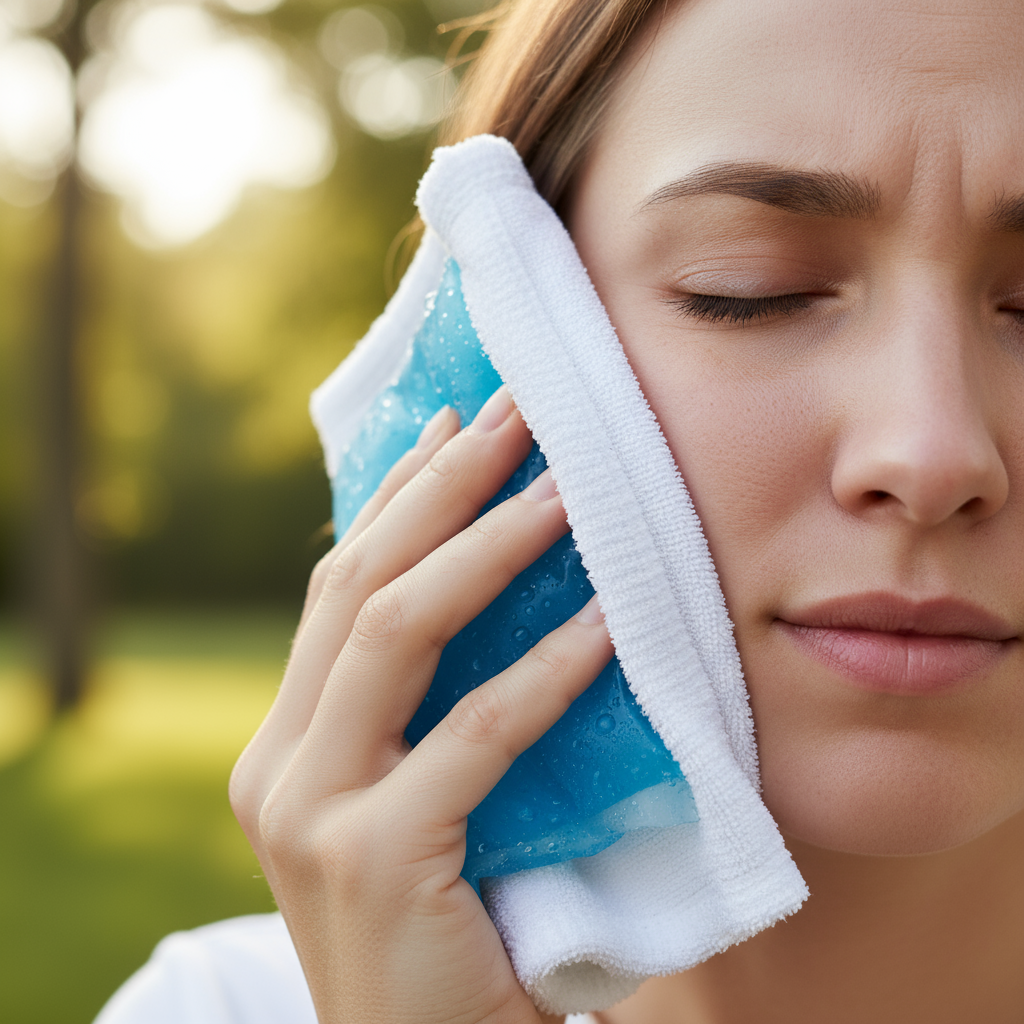
- Cold Compress: This one’s a classic for good reason. Apply a cold pack within the first 24 to 48 hours after injury, and you’ll constrict those blood vessels, reduce blood flow, and limit inflammation. Just wrap it in a thin cloth first (nobody wants frostbite), and use it intermittently—15 minutes on, 15 minutes off works well.
- Elevation: Gravity is your friend here. Keep your head elevated above your heart when you’re resting—prop yourself up with extra pillows or sleep in a recliner if you have one. This encourages fluid drainage and reduces puffiness naturally. It’s simple, but it works.
- Over-the-Counter Medications: NSAIDs like ibuprofen can tackle both swelling and pain effectively. If allergies are the culprit, antihistamines are your go-to. Always follow the package directions, and when in doubt, ask your pharmacist—they’re incredibly knowledgeable about this stuff.
- Gentle Skin Care and Hydration: Be extra kind to your skin right now. Choose products specifically designed for sensitive or inflamed skin, and drink plenty of water. Good hydration helps your body flush out toxins that might be making the swelling worse.
Stick with these strategies consistently, and you’ll see faster recovery and healthier-looking skin. The best part? When you combine this practical knowledge with good skincare habits, you’re not just treating current swelling—you’re setting yourself up to prevent future episodes too. Your face (and your confidence) will thank you.

Look, facial swelling can be pretty scary when it happens to you. But here’s the good news—once you understand what’s going on and know how to handle it, you’re already ahead of the game. Most of the time, swelling happens because your body is doing its job: protecting and healing areas that have been injured, irritated, or exposed to allergens. The key? Acting fast with simple, gentle care like cold compresses and propping your head up when you sleep. These aren’t just old wives’ tales—they actually work by reducing inflammation and helping fluid drain away from your face.
When it comes to getting that puffiness down, you’ve got several tricks up your sleeve. Cold compresses are your best friend in those first few hours—they literally squeeze blood vessels shut and stop more fluid from building up. Elevating your head? It’s like giving gravity a helping hand to pull that excess fluid away from your face. And don’t overlook over-the-counter options like ibuprofen or antihistamines if you’re dealing with allergies or minor swelling. Just remember to baby your skin during this time. Switch to gentle, fragrance-free products that won’t add insult to injury. But here’s what you really need to know: if the swelling sticks around for days, gets worse, or comes with severe pain, don’t tough it out. Get to a doctor. Some things need professional attention, and there’s no shame in that.
Now that you’ve got the basics down, let’s talk about taking your skin care game to the next level. If you’re dealing with bumps or cysts that might be contributing to swelling, check out our guide on how to treat sebaceous cysts. Got sensitive skin that seems to react to everything? You’ll want to read our breakdown of skincare products for sensitive skin—it’s a game-changer for people who struggle with irritation. And if you really want to step up your anti-inflammatory routine, consider adding niacinamide to your arsenal. Our guide on creating a skincare routine with niacinamide shows you exactly how this powerhouse ingredient can calm your skin from the outside in. Don’t forget about what you put inside your body, either. The benefits of drinking herbal tea include natural anti-inflammatory effects that support your skin’s healing from within.
Here’s the bottom line: facial swelling doesn’t have to derail your life. With the right approach and a little patience, you can get through it and come out stronger on the other side. Pay attention to what your skin is telling you, be gentle with yourself, and build habits that keep your skin healthy and resilient. The strategies we’ve covered aren’t just about fixing today’s problem—they’re about setting you up for clearer, healthier skin down the road. You’ve got this.
Frequently Asked Questions
-
What is the fastest way to reduce facial swelling?
- Applying a cold compress and elevating the head are often the quickest ways to reduce facial swelling.
-
Can medication help with facial swelling?
- Yes, over-the-counter anti-inflammatory and antihistamine medications can reduce swelling caused by injury or allergies.
-
When should I see a doctor for facial swelling?
- If swelling is severe, persistent, or accompanied by difficulty breathing, seek medical attention immediately.
-
Are there natural remedies to reduce facial swelling?
- Cold compresses, herbal teas, and rest are some natural methods that may help decrease swelling.
-
How can I prevent facial swelling in the future?
- Avoid known allergens, protect your face during activities, and maintain a healthy lifestyle to minimize risk.