
Table of Contents
Introduction
Woke up with a puffy face? You’re not alone. Facial swelling has this annoying way of showing up at the worst possible moments—right before that important meeting, or worse, on picture day. Whether it’s from bumping your face, eating something that didn’t agree with you, or dealing with an infection, that unwelcome puffiness can really throw off your entire day (and your confidence).
Here’s the thing about facial swelling—it’s not a one-size-fits-all problem. The bump you got from walking into a door requires a completely different approach than the swelling from that seafood you probably shouldn’t have eaten. Maybe it’s a dental issue that’s been brewing, or your sinuses are staging their own rebellion. Each situation needs its own game plan. And if you’ve got sensitive skin? Well, that adds another layer of complexity. Choosing the right skincare products for sensitive skin becomes crucial—because the last thing you want is to make things worse while trying to help.
Most of us have been there, frantically googling “how to reduce face swelling fast” at 2 AM. The good news? Some tried-and-true methods actually work. Cold compresses are your friend (think frozen peas wrapped in a towel). Sleeping with your head elevated helps too—gravity becomes an ally instead of an enemy. But here’s what many people miss: if there’s an underlying infection causing the swelling, those quick fixes are just band-aids. You need to address the root cause. Learning how to treat skin infections properly isn’t just about clearing up the current issue—it’s about preventing future flare-ups that could leave you looking like a chipmunk storing nuts for winter.
Let’s be honest—facial swelling messes with more than just your appearance. It’s uncomfortable, sometimes painful, and can make you feel self-conscious about leaving the house. When allergies are involved, things can escalate quickly from “mildly annoying” to “calling in sick to work.” That’s why recognizing the warning signs that scream “get to a doctor now” is so important. Sometimes what looks like simple swelling might be something more serious hiding underneath. Take sebaceous cysts, for example—they might seem harmless, but if you don’t know how to treat sebaceous cysts correctly, they can become inflamed and cause significant swelling. And while we’re talking about the big picture, your daily habits matter more than you might think. What you eat affects how your body handles inflammation and heals itself. Getting the basics right with how to maintain a balanced diet gives your body the tools it needs to bounce back faster.
What You’ll Learn in This Guide
We’re going to walk through everything you need to know about getting that swelling down fast and keeping your skin happy. No medical jargon or complicated procedures—just practical advice you can actually use.
- Common Causes of Facial Swelling: We’ll break down the usual suspects—injuries, allergic reactions, infections—so you can figure out what’s behind your particular puffiness and tackle it head-on.
- Effective Home Remedies: The simple stuff that actually works: cold therapy, smart positioning, staying hydrated, and giving your body the rest it craves to heal itself.
- When to Seek Medical Help: Red flags you shouldn’t ignore—because sometimes what seems like minor swelling is your body’s way of saying “we need backup.”
- Prevention and Care Tips: Smart habits for your daily routine, skincare that won’t backfire, and how to dodge the triggers that cause problems in the first place.
As we dig deeper, you’ll discover that different types of swelling need different approaches. Makes sense, right? What works for a sports injury won’t necessarily help with an allergic reaction. We’ll get specific about what to do when, and more importantly, how to tell the difference. Before we jump into remedies though, it’s worth understanding how to choose gentle products for sensitive skin—because treating swollen skin requires a delicate touch.
But here’s something crucial we can’t skip: knowing when to wave the white flag and call in the professionals. Some swelling situations are beyond what ice packs and elevation can handle. We’ll help you recognize those moments so you can get the right help at the right time. And because your body is remarkably good at healing itself when you give it what it needs, we’ll also explore how supporting your overall health with good nutrition how to maintain a balanced diet creates the foundation for faster recovery and better skin resilience.
Ready to get started? Let’s tackle this swelling situation together with strategies that actually work—no guesswork, no wishful thinking, just solid approaches you can trust.
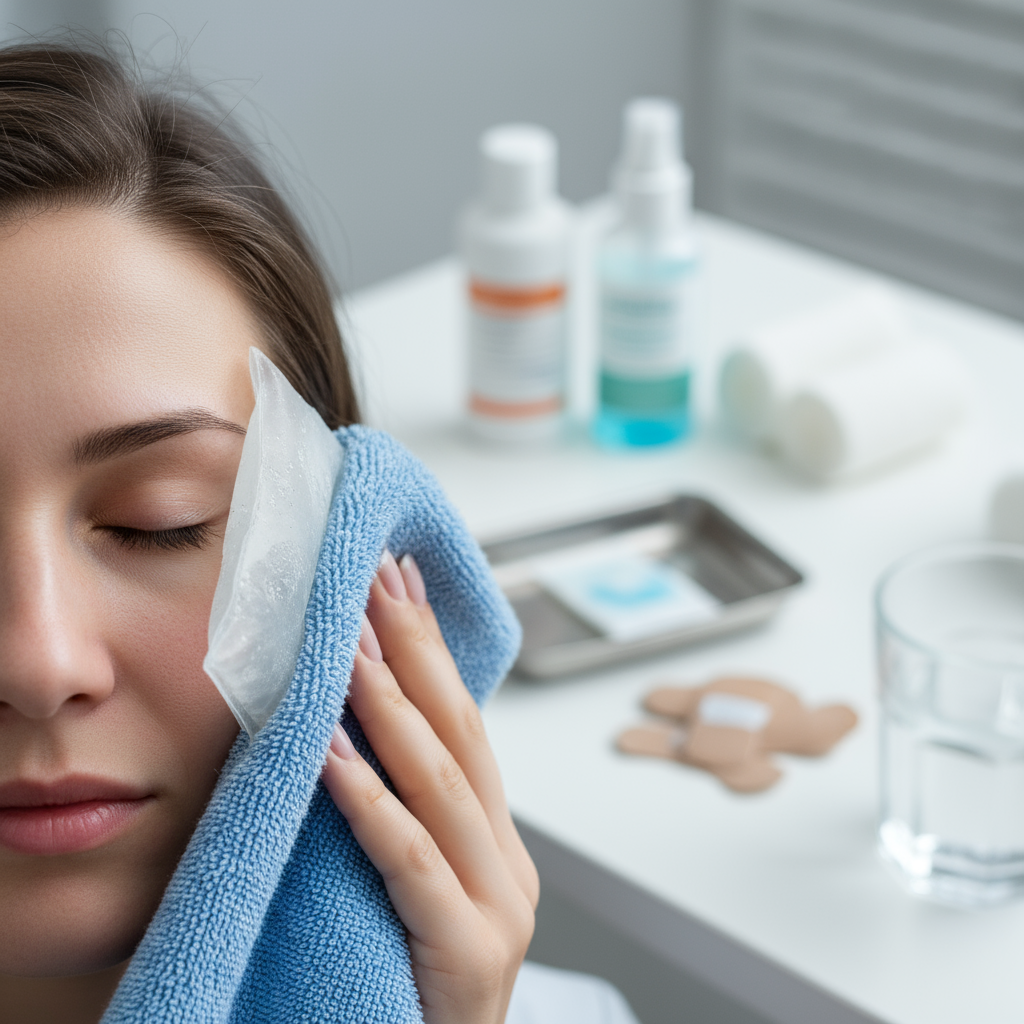
Waking up with a puffy face? Or maybe you’ve noticed swelling after an injury or allergic reaction? I get it—facial swelling can be genuinely unsettling, especially when you’re not sure what’s causing it or how to make it go away. The good news is that most facial swelling responds well to the right approach, whether that’s simple home care or knowing when it’s time to see a doctor. Let’s walk through this together. We’ll start by figuring out what might be behind your swelling (because the cause really does matter for treatment), then jump into some tried-and-true remedies you can use right at home. Plus, I’ll help you recognize those red flags that mean it’s time to pick up the phone and call your healthcare provider.
Common Causes of Facial Swelling and Their Implications
Here’s the thing about facial swelling—it’s rarely random. Your body is trying to tell you something, and understanding that “something” makes all the difference in how you respond. Think of swelling as your body’s way of protecting itself. Got a bruise? Your tissues are working overtime to heal. Allergic reaction? Your immune system just went into overdrive. The key is figuring out which scenario you’re dealing with, because a bee sting needs different care than a sinus infection. Sometimes it’s obvious (like when you can trace it back to that new face cream), but other times you might need to do a little detective work. And if infections are on your radar, you might want to check out our guide on how to treat skin infections—they’re more common culprits than most people realize.
Let’s dig deeper into what’s really happening. Allergic reactions can be sneaky—one minute you’re fine, the next your face looks like you went a few rounds with a boxing glove. That’s histamine doing its job (maybe a little too enthusiastically). Your immune system releases these chemicals to fight off what it thinks is a threat, but the side effect is rapid swelling that can honestly be pretty scary. Infections work differently. Whether it’s a sinus infection that’s been brewing or a dental abscess you’ve been ignoring, infections bring their own special combination of swelling, redness, and that unmistakable throbbing pain. The tricky part? Catching them early. This is where good skin care habits really pay off—if you’re dealing with sensitive skin, our advice on skincare products for sensitive skin can help you avoid some of these issues in the first place.
Key Aspects of Common Causes
Let me break down the main players when it comes to facial swelling, because knowing what you’re dealing with changes everything:
- Injuries and Trauma: This one’s straightforward—you bump into something (or something bumps into you), and your body responds with swelling to protect the area. Cold compresses are your best friend here. Apply them as soon as possible to keep swelling from getting out of hand.
- Allergic Reactions: These can escalate quickly, so don’t mess around. If you’re dealing with widespread swelling, difficulty breathing, or your throat feels tight, this is emergency territory. For milder reactions, antihistamines can help, but always have a plan for severe allergies.
- Infections: Usually come with bonus symptoms like fever, warmth, or that tender-to-the-touch feeling. These aren’t going away on their own—you’ll likely need antibiotics or antiviral medication, so don’t try to tough it out.
- Underlying Health Conditions: Chronic sinus issues, dental problems, or other ongoing conditions can cause recurring swelling. If this keeps happening, it’s worth getting to the root of the problem rather than just treating symptoms.
Once you’ve got a handle on what’s causing your swelling, you can target your treatment much more effectively. No more throwing everything at the wall and hoping something sticks.
Now that we’ve covered the “why,” let’s talk about the “what now”—practical steps you can take at home to get that swelling under control.
Effective Home Remedies for Rapid Facial Swelling Relief
Ready for some relief? Good news—you probably have most of what you need right in your kitchen or medicine cabinet. The goal here isn’t to work miracles overnight, but to give your body the support it needs to heal while making you more comfortable in the process. We’re talking about simple things like elevation (gravity is your friend), cold therapy to numb pain and reduce inflammation, and staying hydrated so your body can do its repair work effectively. And if you’re interested in natural approaches to skin health that complement these remedies, take a look at our collection of homemade face masks for glowing skin—some of these ingredients can actually support your skin’s healing process.
The beauty of home remedies is that they work with your body’s natural healing process rather than against it. Most people see some improvement within the first few hours, especially with cold therapy and elevation. But here’s what I always tell people: home care is fantastic for mild to moderate swelling, but you need to stay alert. If things get worse instead of better, or if you develop new symptoms, that’s your cue to call for backup. There’s no shame in getting professional help—sometimes your body needs more support than home remedies can provide.
Key Aspects of Home Remedies
Here are the home care strategies that actually work, based on what your body needs to heal:
- Cold Compress Application: This is your first line of defense. Ice packs, frozen peas, even a cold washcloth can help. The key is timing—15-20 minutes on, then take a break to avoid damaging your skin. Start this as soon as you notice swelling for the best results.
- Head Elevation: Sleep with an extra pillow or two, and try to keep your head up during the day when you can. This helps prevent fluid from pooling in your face and encourages drainage. It’s simple physics, but it really works.
- Hydration and Nutrition: Your body needs fuel to heal, and that means water and good nutrition. Skip the salty snacks (they’ll just make you retain more fluid) and focus on anti-inflammatory foods. Think berries, leafy greens, and omega-3 rich foods.
- Rest and Avoiding Irritants: This isn’t the time to try new skincare products or spend hours in the sun. Give your skin a break from anything potentially irritating, get some rest, and let your body focus on healing rather than defending against new stressors.

When your face puffs up, it’s usually trying to tell you something. Injuries? Your body rushes blood and fluid to the damaged area—it’s like sending in the repair crew. Allergic reactions are different beasts entirely. They can escalate fast, turning a minor irritation into something that demands immediate attention. And infections—whether bacterial or viral—bring their own party of inflammation and discomfort. The key is figuring out what you’re dealing with so you can tackle it the right way.
Here’s where things get practical. Cold compresses work wonders (and they’re probably already in your freezer). The cold numbs the area while bringing down that angry inflammation. Try sleeping with your head elevated tonight—gravity becomes your friend when you’re encouraging fluid to drain away from your face. Don’t forget the basics either: drink plenty of water and get some rest. Your immune system does its best work when you’re not running on empty. These aren’t complicated fixes, but they work. That said, if your swelling looks scary, spreads quickly, or just won’t quit after a few days? Time to call in the professionals.
Prevention beats treatment every time. Know your triggers—that moisturizer that made you break out last month might be worth avoiding. Keep your skin clean without going overboard (your face isn’t a dinner plate that needs scrubbing). And if you’re doing anything that could result in facial trauma, protect yourself. It sounds obvious, but you’d be surprised how many people skip the safety gear.
Ready to dig deeper? Sometimes facial swelling comes from unexpected culprits. Those bumps under your skin might be sebaceous cysts, and knowing how to treat sebaceous cysts can save you from unnecessary panic. If you’re dealing with an infection that’s causing the swelling, our guide on how to treat skin infections will walk you through the process step by step. Got sensitive skin that seems to react to everything? You’ll want to check out our advice on skincare products for sensitive skin—because the wrong product can turn minor irritation into major swelling. For some gentle, natural support, try our collection of homemade face masks for glowing skin. And since what you eat affects how your body handles inflammation, learning how to maintain a balanced diet is worth your time.
Look, facial swelling happens to the best of us. The good news? You now have a game plan. Act quickly when it strikes, take care of your skin consistently, and don’t be afraid to get professional help when something feels off. Your face (and your confidence) will thank you for it.
Frequently Asked Questions
-
How long does facial swelling usually last?
- Most facial swelling reduces within a few days, although more severe cases may take longer to heal depending on the underlying cause.
-
Can I use heat instead of cold to reduce facial swelling?
- Cold compresses are recommended initially to reduce inflammation and numb pain; heat may be beneficial later to relax muscles and improve blood flow.
-
What over-the-counter medications help with swelling?
- Nonsteroidal anti-inflammatory drugs (NSAIDs) like ibuprofen can effectively reduce swelling and relieve pain when used according to directions.
-
Is facial swelling after dental work normal?
- Yes, mild swelling after dental procedures is common and typically subsides within a few days with proper care and rest.