Table of Contents
Introduction
You know that feeling when your skin just won’t stop itching? It starts as a little tickle, but before you know it, you’re scratching like crazy—and somehow making everything worse. Itchy skin isn’t just annoying; it can completely hijack your day and leave you feeling frustrated with your own body.
Here’s the thing about itchy skin: it doesn’t discriminate. Kids get it, adults get it, and the causes? They’re all over the map. Sometimes it’s as simple as dry skin from cranking up the heat in winter or using that new soap that seemed like a good idea at the time. Other times, you’re dealing with eczema or psoriasis—conditions that can turn your skin into a battlefield. And don’t even get me started on mystery allergens hiding in your favorite lotion or that “gentle” detergent. (Spoiler alert: not always as gentle as advertised.)
If you’ve got sensitive skin, finding the right products feels like solving a puzzle. That’s where understanding skincare products for sensitive skin becomes a game-changer. The right ingredients can actually calm your skin instead of sending it into revolt mode. Plus, learning how to soothe irritated skin gives you real tools to fight back when flare-ups happen. Because let’s be honest—they will happen.
Now, here’s something most people don’t realize: that itch you feel? It’s often your skin’s way of telling you it’s inflamed. Think of inflammation as your skin throwing a tantrum. Learning how to reduce skin inflammation can help you get ahead of the problem instead of just reacting to it. And if eczema is part of your story, knowing the best skincare products for eczema isn’t just helpful—it’s essential for keeping your skin happy and your sanity intact.
What You’ll Learn in This Guide
We’re going to dig deep into why your skin itches and—more importantly—what you can actually do about it. Whether you’re dealing with the occasional itch or chronic irritation that’s driving you up the wall, this guide has your back.
- Understanding the Causes: Learn about common triggers of itchy skin including environmental factors, skin conditions like eczema and psoriasis, and underlying medical issues that may contribute to irritation.
- Effective Treatments: Discover topical treatments, moisturizers, and anti-itch remedies that soothe the skin and provide relief. We cover both over-the-counter options and natural approaches.
- Home Remedies: Explore gentle home remedies such as oatmeal baths and cold compresses that complement medical treatments and help calm irritated skin naturally.
- Lifestyle Adjustments: Understand how simple changes like wearing loose clothing, managing stress, and maintaining hydration can prevent and reduce itchy skin episodes.
As we work through each section, I’ll also share when it’s time to wave the white flag and see a doctor. Because sometimes professional help is exactly what your skin needs—and there’s no shame in that game.
Quick side note: if you’re dealing with combination skin (lucky you—dry and oily patches at the same time), learning how to care for combination skin can help you balance moisture levels and prevent those annoying itch flare-ups. Winter folks, I see you too—check out how to prevent skin dryness in winter because cold weather and indoor heating are basically a conspiracy against comfortable skin.
And for those moments when your face decides to join the party with swelling alongside the itching? Knowing how to reduce facial swelling fast can be a real lifesaver while you’re working on the bigger picture.
Look, dealing with itchy skin is frustrating. But armed with the right knowledge and strategies, you can absolutely get your skin back to feeling comfortable and healthy. Ready to say goodbye to that constant urge to scratch? Let’s get started.
Let’s be honest—dealing with itchy skin is one of those things that can drive you absolutely crazy. You know that feeling when you just can’t stop scratching? It affects everything from your sleep to your confidence, and sometimes it feels like nothing helps. But here’s the good news: once you understand what’s actually causing that itch, you can finally do something about it. We’re going to walk through the most common culprits behind itchy skin, from simple environmental stuff to more complex medical conditions. Then we’ll explore real solutions that actually work—topical treatments, home remedies you probably already have in your kitchen, and simple lifestyle tweaks that make a huge difference. Whether you’re dealing with winter dryness or managing a chronic skin condition, getting to the root cause is your ticket to finally feeling comfortable in your own skin again.
Common Causes of Itchy Skin and How They Affect You
So what’s behind all that scratching? Itchy skin (doctors call it pruritus, but let’s stick with “really annoying”) can pop up for tons of different reasons. Sometimes it’s something simple in your environment. Sometimes it’s your body sending you signals about something deeper going on. The trick is figuring out which one you’re dealing with.
Your environment plays a bigger role than you might think. Take winter, for instance—when the heat kicks on and humidity drops, your skin basically turns into parchment paper. Dry air is ruthless that way. Then you’ve got allergens floating around everywhere: pollen that makes spring miserable, pet dander from your adorable but problematic cat, dust mites having a party in your bedroom. These invisible troublemakers can trigger allergic reactions that leave you scratching like crazy. The solution? Sometimes it’s as simple as running a humidifier or finally admitting that Fluffy might need to stay out of the bedroom. Speaking of managing sensitive skin when the world seems determined to irritate it, our guide on skincare products for sensitive skin has some real gems.
Now let’s talk about when your skin itself is the problem. Conditions like eczema, psoriasis, and dermatitis are basically your skin’s barrier throwing in the towel. When that protective barrier breaks down, inflammation moves in, moisture escapes, and hello, itching marathon. Eczema is particularly sneaky—it creates this vicious cycle where you itch, so you scratch, which damages your skin more, which makes you itch even worse. It’s like your skin is stuck in a bad relationship with itself. The key is catching flare-ups early, before they spiral out of control. If you’re dealing with eczema specifically, our comprehensive guide on eczema-specific skincare can point you toward treatments that actually help instead of just covering up the problem.
Key Aspects of Common Causes
Here’s what you really need to know about what might be making you itch:
- Environmental Triggers: Think of these as the usual suspects—dry air, crazy temperature swings, chemical exposure, or allergens that your skin just can’t handle. These often start the whole itch-inflammation cycle that can become your new (unwanted) normal if you don’t address it.
- Inflammatory Skin Disorders: When conditions like eczema and psoriasis show up, your immune system basically overreacts to everything. It’s like having an overly sensitive security system that sets off alarms for no reason. Managing these requires more than just hoping they’ll go away.
- Underlying Medical Conditions: Sometimes the itch is your body’s way of telling you something else is going on—diabetes, liver issues, kidney problems, or infections can all cause that “itchy everywhere” feeling. These definitely need a doctor’s attention, not just another tube of cream.
- Allergic Reactions: Your skin might be having a meltdown over something as simple as your laundry detergent, that new soap you tried, or even the fabric of your favorite shirt. Detective work required: figure out what’s setting you off and avoid it like the plague.
Once you’ve identified the troublemaker (or troublemakers—sometimes it’s a team effort), you can actually do something about it. Ready to move from “why is this happening” to “how do I make it stop”? Let’s talk solutions.
How to Reduce Itchy Skin: Treatments and Lifestyle Tips
Alright, time for the good stuff—how to actually get relief. The best approach? Think of it like a three-pronged attack: topical treatments for immediate help, home remedies for gentle daily care, and lifestyle changes that set you up for long-term success.
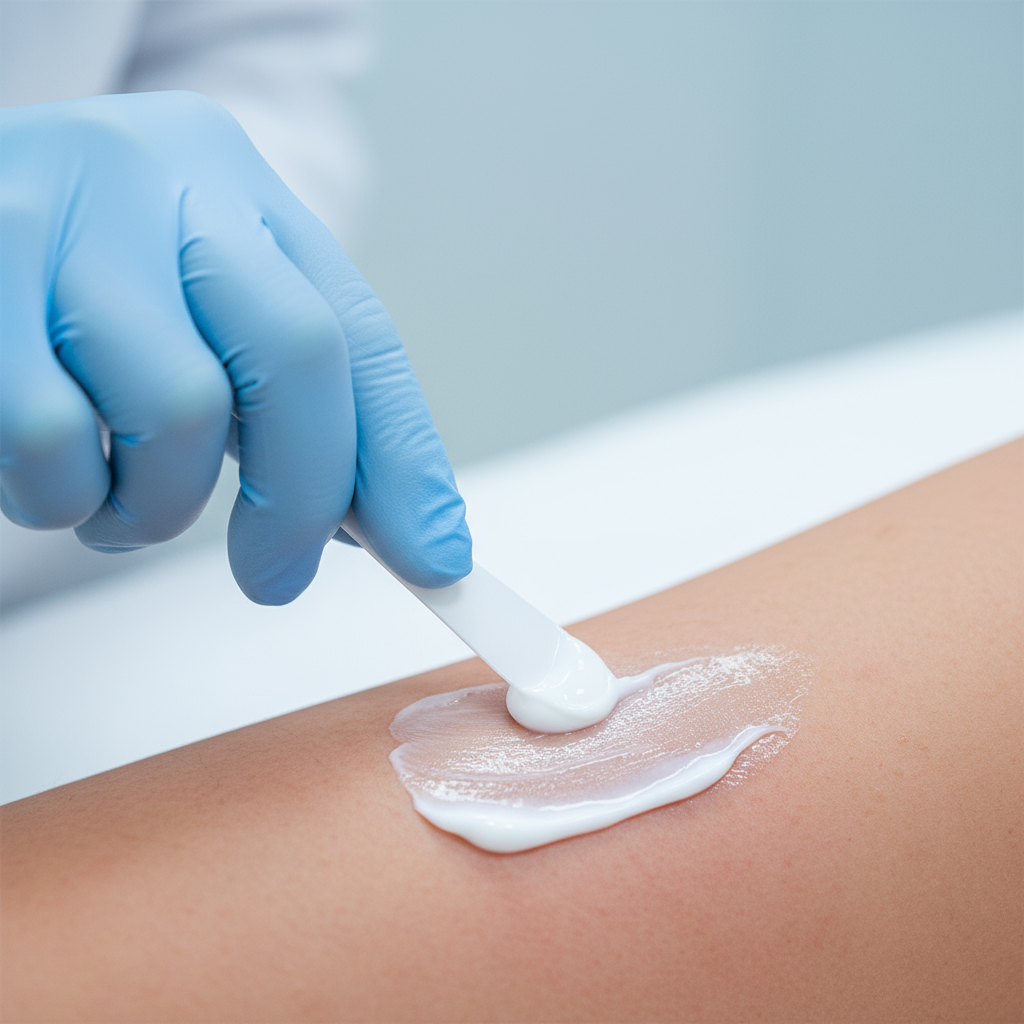
Let’s start with the heavy hitters: topical treatments. Moisturizers aren’t just nice to have—they’re your skin’s best friend when it comes to rebuilding that protective barrier and locking in moisture. Think of them as a security blanket for dry, angry skin. Anti-itch creams with ingredients like hydrocortisone or calamine are like the cavalry riding in when things get really bad—they calm inflammation and give you that sweet, sweet relief. And cooling gels? Pure magic. Menthol or aloe vera can literally cool down irritated skin and give your nerves a break from all that scratching signals. For more natural ways to calm your skin down when it’s having a moment, check out our guide on how to soothe irritated skin.
Now for the home remedies that actually work (not the weird internet stuff). Oatmeal baths aren’t just something your grandmother recommended—they’re legitimately amazing at forming a protective film over your skin and reducing inflammation. Cold compresses are another winner because they basically trick your blood vessels into calming down, which dials down the itch sensation. And here’s something crucial: step away from the hot showers. I know, I know—hot water feels incredible when you’re itchy. But it’s also stripping away all the protective oils your skin desperately needs, making everything worse in the long run. If you’re curious about natural ingredients that can help, the benefits of aloe vera gel for the face might surprise you.
Key Aspects of Itch Reduction Strategies
Here are the strategies that actually move the needle when it comes to managing itch:
- Topical Moisturization: This isn’t optional—it’s maintenance for your skin’s protective barrier. Good moisturizers keep hydration locked in and environmental nasties locked out, preventing the dryness that kicks off most itch cycles.
- Anti-Itch Topical Agents: When you need relief now, medicated creams and cooling gels are your friends. They tackle inflammation head-on and give you a break from the constant urge to scratch.
- At-Home Remedies: Sometimes the gentlest approaches work best. Oatmeal baths and cold compresses won’t cure everything, but they’re fantastic for day-to-day comfort and keeping irritation in check without harsh chemicals.
- Lifestyle Adjustments: The little things add up—loose clothing that doesn’t rub, staying hydrated so your skin doesn’t dry out from the inside, and managing stress (because yes, stress can absolutely make you itchier). These aren’t dramatic changes, but they create the foundation for healthier, more resilient skin.
Here’s the bottom line: treating itchy skin isn’t just about stopping the immediate discomfort—it’s about building your skin’s defenses so you’re not constantly putting out fires. That said, if you’ve tried everything and you’re still miserable, or if the itching is getting worse, don’t tough it out. Sometimes you need a professional to figure out what’s really going on and get you the right treatment. Your skin (and your sanity) will thank you.

Let’s be honest—itchy skin is maddening. You know that feeling when you just can’t stop scratching, even though you know it’s making things worse? You’re not alone in this struggle. The thing is, your skin is actually trying to tell you something important. Whether it’s dry air sucking the moisture right out of your skin, allergens you didn’t even know were there, or conditions like eczema throwing a tantrum, that itch is your body’s way of waving a red flag. And here’s what’s encouraging: once you figure out what’s triggering it, you can actually do something about it.
Now, treating itchy skin isn’t a one-size-fits-all situation. Think of it more like building a toolkit. Moisturizers and anti-itch creams? They’re your first line of defense, helping rebuild that protective barrier your skin desperately needs. But don’t overlook the gentle stuff—oatmeal baths aren’t just an old wives’ tale, and cool compresses can be absolute lifesavers when you’re dealing with a flare-up. Here’s something people often miss: your lifestyle matters more than you think. Loose clothing, staying hydrated, managing stress—these aren’t just nice-to-haves. They’re game-changers. And please, don’t ignore persistent itching, especially if you’re seeing swelling or weird rashes. That’s your cue to call the professionals.
Ready to take control? Start with the basics—choosing products that won’t irritate your already-cranky skin. Our guide on skincare products for sensitive skin will walk you through exactly what to look for (and what to avoid). When flare-ups hit, you’ll want to know how to soothe irritated skin quickly and naturally. If eczema is your particular nemesis, check out the best skincare products for eczema—they’re specifically designed for your skin’s unique needs. Winter coming? Don’t let it catch you off guard. Learn how to prevent skin dryness in winter before the cold weather wreaks havoc. And here’s something you might not expect: stress and skin problems go hand in hand. Understanding the effects of stress on the body can help you see why managing your mental health is actually part of your skincare routine.
The bottom line? You don’t have to live with constant itching. You’ve got options—good ones. It’s about finding the right combination of gentle products, smart lifestyle choices, consistent care, and knowing when to bring in backup (aka your dermatologist). Start small, be patient with yourself, and remember that healthy skin is a marathon, not a sprint. Your future, itch-free self will thank you.
Frequently Asked Questions
-
What causes itchy skin without a rash?
- Itchy skin without a rash is often caused by dry skin, allergies, or systemic health conditions that affect your nerves or immune system.
-
How can I relieve itching quickly?
- Applying cold compresses, moisturizing frequently, and avoiding scratching are effective ways to quickly relieve itching and prevent further irritation.
-
When should I see a doctor for itchy skin?
- If your itching is severe, persistent, or accompanied by symptoms like swelling, fever, or an unusual rash, seek medical attention promptly.
-
Can diet affect itchy skin?
- Yes, certain foods can trigger allergic reactions or sensitivities, so maintaining a balanced diet can help support healthy skin.
-
Are there any natural remedies for itchy skin?
- Natural remedies like oatmeal baths and aloe vera gel can soothe itchy skin and reduce inflammation effectively without harsh chemicals.