Table of Contents
Introduction
Waking up with a puffy face? Or maybe you’ve noticed swelling after eating something new, getting stung, or bumping into something. Facial swelling can catch you completely off guard—and honestly, it’s pretty scary when it happens to you. Not only does it change how you look (hello, avoiding mirrors), but it can also mess with your confidence and make even simple things like talking or eating uncomfortable.
Here’s the thing about facial swelling: it can happen for so many different reasons. Sometimes it’s something minor, like a mosquito decided your cheek looked tasty. Other times? It could signal something more serious, like an infection or severe allergic reaction that needs immediate attention. The tricky part is figuring out which is which—and knowing what to do about it.
Your face swells when extra fluid builds up in the tissues, usually because your body is responding to some kind of trigger. Could be an injury, an infection, or your immune system going into overdrive over an allergen. The range is pretty wild—from barely noticeable puffiness to swelling that makes you look like a completely different person. And if you don’t address the underlying cause? Some types of facial swelling can stick around or even get worse.
The good news is that many cases of facial swelling respond really well to simple home care. We’re talking about things you probably already have at home: ice packs, an extra pillow to prop up your head, maybe staying away from whatever triggered it in the first place. These basic steps can make a huge difference in how quickly the swelling goes down and how comfortable you feel while it’s healing.
But let’s be real—sometimes home remedies aren’t enough. When you’re dealing with infections, severe allergic reactions, or certain medical conditions, you’ll need the big guns: antibiotics, prescription allergy meds, or other professional treatments. The key is knowing when to try home care and when to get yourself to a doctor (or emergency room) fast.
Prevention is where you can really take control of this whole situation. Good skincare habits, staying on top of your allergies, protecting your face during sports or activities—these aren’t just nice-to-haves. They’re your first line of defense against future swelling episodes. And when you understand what causes facial swelling and how to handle it, you’re not just reacting anymore. You’re prepared. For instance, knowing how to reduce facial swelling fast can be a game-changer when symptoms first show up.
What You’ll Learn in This Guide
This guide is going to walk you through everything you need to know about facial swelling. Whether this is your first time dealing with it or you’ve been struggling with recurring episodes, you’ll find practical advice that actually works.
- Causes of Facial Swelling: We’ll break down the most common culprits—infections, allergies, injuries, and underlying health issues. You’ll learn to spot the warning signs and identify your personal triggers.
- Home Treatments: Discover which DIY approaches actually work, from ice therapy to elevation techniques, plus safe skincare products that help rather than hurt.
- Medical Interventions: Know exactly when to call your doctor and what treatments they might recommend. We’ll cover the red flags that mean “get help now.”
- Prevention Strategies: Learn the daily habits that keep swelling at bay—smart allergy management, gentle skincare routines, and practical ways to protect your face from injury.
We’re going to start by looking at what actually causes facial swelling in the first place. Because once you understand the “why,” everything else—treatment, prevention, knowing when to worry—starts to make a lot more sense. You’ll be able to connect the dots between what happened and why your face responded the way it did.
Then we’ll dive into the practical stuff: what to do when swelling strikes. Home remedies that actually work, when to use them, and equally important—when not to use them. If you’ve got sensitive skin (and many people with facial swelling do), choosing the right skincare products for sensitive skin becomes even more important to avoid making things worse.
Sometimes facial swelling is tied to specific skin conditions that need special attention. Understanding approaches from resources like how to treat sebaceous cysts and how to treat skin infections can be incredibly helpful when your swelling is part of a bigger picture.
We’ll also cover the signs that mean “stop everything and get medical help.” Things like trouble breathing, fever, or swelling that’s getting worse fast. These aren’t meant to scare you, but knowing these red flags could literally save your life or prevent serious complications.
Finally, we’ll talk prevention—because dealing with facial swelling once is enough for most people. Simple daily habits can make a huge difference. Whether it’s maintaining a gentle skincare routine for big pores, incorporating protective skincare products with antioxidants, or supporting your skin’s natural healing ability by learning how to boost collagen production naturally—these steps help create skin that’s less likely to react dramatically when challenges arise.
Woke up with a puffy face? You’re not alone. Facial swelling happens to the best of us, and honestly, it can be pretty alarming when you catch yourself in the mirror looking like you went a few rounds with a boxing glove. The good news? Most of the time, there’s a perfectly reasonable explanation—and even better news—there are things you can do about it. We’re going to walk through what causes that unwelcome puffiness, how to tackle it (both at home and when you need the pros), and most importantly, how to keep it from happening again. Because let’s face it, nobody has time for mystery swelling in their daily routine.
Understanding Facial Swelling: Causes and Symptoms
So what exactly is happening when your face decides to puff up? Think of it like your skin’s tissues throwing a little fluid retention party—except nobody invited you, and you definitely don’t want to attend. When extra fluid gets trapped under your skin, you get that telltale puffiness that can range from “slightly annoying” to “I look like a completely different person.” The culprits behind this unwelcome party? They’re more varied than you might expect. Sometimes it’s an infection (like those nasty skin infections or a dental abscess that’s been brewing). Other times, it’s your body’s overzealous response to an allergen—food, pollen, that new face cream you tried. Then there are the obvious suspects: injuries from sports, accidents, or that cabinet door that seems to have it out for your face.
Here’s what to keep an eye on beyond just the puffiness itself. Redness and warmth? That’s your body waving a little inflammation flag. Pain or tenderness usually means something’s irritated or infected. And if you’re having trouble opening your mouth or swallowing—well, that’s when things get serious. Sometimes these symptoms come with backup singers like fever or just feeling generally crummy, which is your cue to stop Googling and start dialing your doctor. If you’re dealing with ongoing skin irritation issues, our guide on how to reduce skin inflammation might be your new best friend.
Key Aspects of Facial Swelling Causes and Symptoms
Let’s break down the main troublemakers when it comes to facial swelling, because knowing your enemy is half the battle:
- Infections and Inflammation: When bacteria or viruses crash the party in your skin, sinuses, or mouth, they bring swelling as their plus-one. You’ll usually see redness, feel warmth, and yeah—it’s going to hurt. The good news is that doctors have some pretty effective weapons against these invaders, usually in the form of antibiotics or antivirals.
- Allergic Reactions: Your immune system can be a bit of a drama queen sometimes. Encounter the wrong food, breathe in the wrong pollen, or get stung by the wrong bug, and boom—instant puffiness. This type of swelling loves to show up fast and might bring friends like itching and redness. If breathing becomes difficult, that’s a 911 situation, no questions asked.
- Injuries or Trauma: Pretty straightforward here—you bump into something (or something bumps into you), and your face responds with some protective swelling. It’s actually your body trying to help, believe it or not. Cold packs and taking it easy usually do the trick for the garden-variety bumps and bruises.
- Underlying Medical Conditions: Sometimes the swelling is just the messenger for something bigger going on with your kidneys, heart, thyroid, or conditions like angioedema. These cases need a professional’s touch because they’re not going anywhere without proper treatment of the root cause.
The key is figuring out which category you’re dealing with so you can respond appropriately. Sometimes it’s a DIY situation, other times you need backup. Trust your instincts—if something feels off, it probably is. Now let’s talk about what to actually do when your face decides to stage this puffy rebellion.
Treatment for Facial Swelling: Home Care and Medical Options
Alright, so your face has joined the puffiness club. What now? Well, it depends on what got you into this mess in the first place. Minor swelling from a small injury or mild allergic reaction? You’ve probably got this handled at home. But if we’re talking infection territory or serious allergic reactions, that’s when you call in the cavalry (also known as healthcare professionals). The trick is knowing which situation you’re in and acting accordingly. For some quick-fix strategies, check out our guide on how to reduce facial swelling fast—because sometimes you need results yesterday.
When doctors get involved, they come armed with the good stuff: antibiotics for bacterial troublemakers, antihistamines and steroids for allergic overreactions, and sometimes even surgical solutions for stubborn abscesses or severe cases. The important thing is keeping an eye on how things progress. If your swelling starts spreading like it’s got somewhere important to be, or if breathing becomes a challenge, that’s your cue to head straight to the emergency room. And if you’re dealing with sensitive skin through all this, our guide on skincare products for sensitive skin can help you navigate the recovery period without making things worse.
Effective Treatment Strategies for Facial Swelling
Here’s your game plan for tackling facial swelling, whether you’re going solo or bringing in professional help:
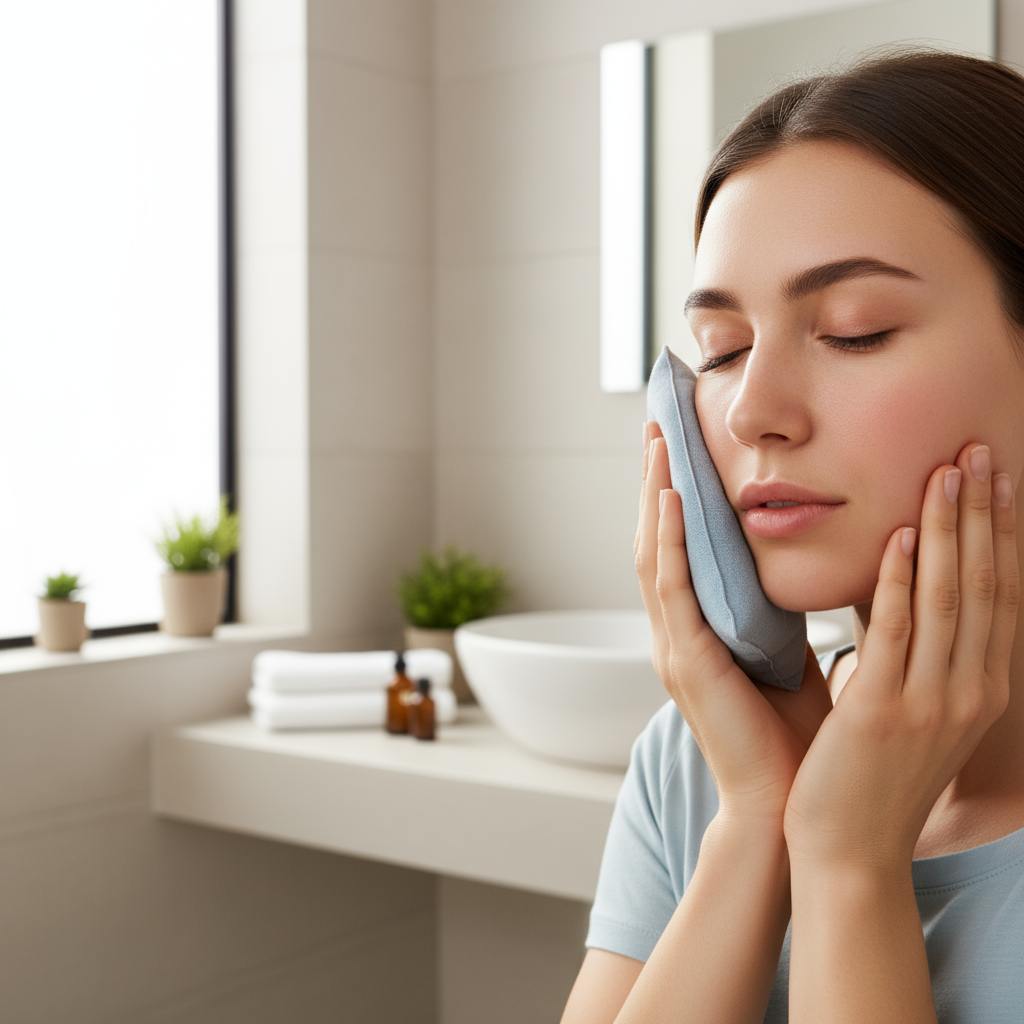
- Home-Based Remedies: Cold compresses are your first line of defense—they tell those blood vessels to chill out and stop the fluid party. Prop your head up when you sleep (extra pillows are your friend), and steer clear of anything that might aggravate the situation like spicy foods or known allergens. Over-the-counter pain relievers can take the edge off without requiring a prescription adventure.
- Medications for Infections and Allergies: When the professionals prescribe antibiotics, they’re targeting those bacterial troublemakers directly—take them exactly as directed, even if you start feeling better. Antihistamines help calm down your immune system’s overenthusiastic response, while corticosteroids are the heavy hitters for stubborn inflammation. Following the medication schedule isn’t just a suggestion—it’s the difference between getting better and dealing with this mess all over again.
- Procedures and Surgical Options: Sometimes things need to be drained, cleaned out, or repaired beyond what home care can handle. Dental procedures might be necessary if your mouth is the source of trouble, or surgical drainage if there’s a collection of fluid or pus that needs professional attention. For serious trauma or underlying conditions, specialized care ensures everything heals properly.
- Emergency Indicators and Actions: Time to drop everything and seek immediate help if you can’t breathe properly, can’t swallow, the swelling is spreading fast, or you’re running a high fever with severe pain. These aren’t “wait and see” situations—they’re “get help now” scenarios that could prevent serious complications.
The bottom line? Most facial swelling responds well to the right approach, whether that’s some strategic ice packs or prescription medication. Knowing your options puts you in control, and that’s exactly where you want to be when your face decides to stage its own little rebellion. Of course, preventing the whole situation in the first place is even better—which is exactly what we’ll cover next.

Facial swelling can catch you off guard, and honestly? It’s usually one of several culprits: infections, allergic reactions, injuries, or something else going on beneath the surface. Here’s the thing—figuring out what’s behind your swelling makes all the difference in how you handle it and whether you can head off any complications. Keep an eye out for the telltale signs: redness, warmth, pain, or trouble opening your mouth or swallowing. These are your body’s way of saying “Hey, we need some help here.” The good news? Many cases respond beautifully to simple home care—think cold compresses, propping your head up, and some over-the-counter pain relief. But when you’re dealing with something more serious or infection-related, you’ll likely need the big guns: antibiotics or allergy medications. Bottom line: stay aware and act quickly.
Smart prevention goes way beyond just treating the swelling when it happens. You want to think bigger picture—both tackling what’s happening right now and building habits that keep your skin happy long-term. Steer clear of anything that irritates your skin, stay on top of your allergies, and keep things clean. Trust me, your skin will thank you. Now, if you’re dealing with swelling that’s tied to skin conditions, gentle is the name of the game. You need targeted care that soothes without making things worse. Build a routine that works for your skin, ditch the harsh stuff, and learn to spot trouble before it gets out of hand. This approach puts you back in the driver’s seat when it comes to your skin’s health.
Ready to take action? Let’s start with the practical stuff. Check out our guide on skincare products for sensitive skin to find products that won’t irritate and actually help your skin heal. When swelling strikes, you’ll want to know how to reduce facial swelling fast with tried-and-true home remedies that actually work. If you suspect an infection might be causing problems, our comprehensive guide on how to treat skin infections will walk you through spotting the signs and getting the right treatment. And here’s something people often overlook—what you eat matters too. A balanced diet gives your skin the nutrients it needs to heal and your immune system the boost it needs to fight off problems.
Look, facial swelling might feel overwhelming at first, but you’ve got this. With the right information and a solid game plan, you’re absolutely equipped to handle whatever comes your way. Lean on skincare experts and healthcare professionals—they’re there to help you through this. Remember, the secret sauce is consistency: gentle care and smart lifestyle choices that set your skin up for success. If you’re looking for ways to calm things down during flare-ups, don’t miss our tips on how to soothe irritated skin. Stay proactive, keep learning, and give yourself credit for taking these important steps toward healthier skin and overall wellness.
Frequently Asked Questions
-
What causes sudden facial swelling?
- Sudden facial swelling is often caused by allergic reactions, infections, or injuries. Immediate attention may be required depending on severity and accompanying symptoms.
-
Can I treat facial swelling at home?
- Yes, minor swelling from injuries or mild allergies can often be managed with cold compresses, elevation, and over-the-counter pain relievers.
-
When should I see a doctor for facial swelling?
- Seek medical care if swelling is severe, rapidly worsening, accompanied by fever, difficulty breathing or swallowing, or pain that does not improve with home treatment.
-
Are antibiotics always necessary for facial swelling?
- Antibiotics are required only if a bacterial infection is the cause. Swelling from allergies or trauma usually does not need antibiotics.
-
How can I prevent facial swelling in the future?
- Maintain good skin hygiene, manage allergies, avoid irritants, protect your face from injury, and seek early treatment for infections to reduce the risk of swelling.