
Table of Contents
Introduction
Here’s something that might surprise you: that little bottle of toner sitting on your bathroom shelf? It’s doing way more work than you probably realize. I get it—toners can seem like just another step in an already complicated skincare routine. But stick with me here, because whether you’re just starting your skincare journey or you’ve been at this for years, understanding how to use facial toners properly can completely change your skin game.
Think of toners as your skin’s reset button. After you cleanse, your skin’s pH gets thrown off balance, and your pores are sitting there wide open. That’s where toners come in—they swoop in to restore that natural balance and tighten everything up, basically prepping your skin to soak up all the good stuff you’re about to put on it. Dealing with pores that look like they could fit a small car? The right toner can be a total lifesaver. Actually, when you’re putting together a tailored skincare routine for big pores, toners often become the MVP—they dive deep to clean out those pores and tighten them up for smoother, healthier-looking skin.
Now, here’s where a lot of people mess up. They either skip toners entirely or grab whatever’s cheapest at the drugstore, especially if they have sensitive skin. Big mistake. Use the wrong toner (or skip it altogether), and you might end up with dry, irritated skin that looks worse than when you started. The good news? There are toners made specifically for people with delicate skin types. Getting smart about skincare products for sensitive skin can honestly transform how your skin feels and looks. The right toner won’t just avoid irritation—it’ll actually calm things down, reduce inflammation, and give you that smooth texture everyone’s after.
But wait, there’s more. (Sorry, couldn’t resist!) Toners play incredibly well with other skincare ingredients like niacinamide, retinol, and hyaluronic acid. Picture this: you’ve got a skincare routine with niacinamide going strong, but adding the right toner can amplify those benefits—better skin tone, less redness, the works. Same goes for those powerhouse retinol and hyaluronic acid skincare routines. Toners help keep everything balanced and hydrated. The trick is knowing when and how to apply everything for the best results.
What You’ll Learn in This Guide
I’m going to walk you through everything you need to know about facial toners—from figuring out why they matter to nailing the perfect application technique. By the time we’re done here, you’ll feel confident adding toners to your routine and actually getting the results you want.
- The Role of Toners in Skincare: We’ll break down exactly why toners matter for cleansing, tightening pores, and getting your skin ready for moisturizers and serums.
- Types of Facial Toners: I’ll help you navigate the different options—hydrating, astringent, exfoliating, and balancing—so you can pick what works for your specific skin.
- How to Apply Toner Correctly: Step-by-step instructions for cotton pads, hands, or spray bottles, plus timing tips for maximum impact.
- Common Mistakes to Avoid: The pitfalls that trip people up (like using too much or picking the wrong type) and how to sidestep them for a routine that actually works.
As we dig into all this, I’ll also share some practical tips for soothing irritated skin and reducing skin inflammation that can happen from environmental stress or products that don’t agree with your skin. And if you’re dealing with puffiness or swelling (we’ve all been there), I’ve got tips on how to reduce facial swelling fast to get your skin back to feeling comfortable.
You know what else we’ll talk about? Antioxidants. They’re like bodyguards for your skin, and when you choose skincare products with antioxidants, they work hand-in-hand with your toner to protect against damage and boost those rejuvenating effects. It’s all about creating a routine that works together, not against itself.
I know you probably have questions. Can you use facial toner every day? What’s the difference between a toner and an astringent anyway? We’ll tackle these common questions with real answers backed by research and expert advice, so you can make choices that actually make sense for your skin.
For anyone dealing with conditions like eczema or extra-sensitive skin, choosing the right skincare products for eczema alongside your toner is crucial for keeping your skin barrier healthy and preventing flare-ups. Plus, I’ll share tips for managing sunburn redness and how to use toning products safely when your skin needs some TLC after too much sun.
The bottom line? Facial toners aren’t just another product trying to take up space in your routine. When you choose the right one and use it thoughtfully, they can genuinely improve how your skin looks and feels. This guide will give you the knowledge to make smart choices, apply everything correctly, avoid the common mistakes that trip people up, and know when it might be time to get professional advice.
Ready to dive in? Let’s start with the basics and work our way up to creating a toner routine that actually makes a difference in your daily skincare ritual.
You know that step in your skincare routine where you splash some liquid on your face after cleansing? That’s your toner—and honestly, it’s doing way more heavy lifting than you might realize. Think of toners as your skin’s personal prep team, getting everything ready for the main event (your moisturizer and serums). Whether you’re dealing with stubborn oily patches, parched skin that drinks up everything you put on it, or that tricky combination situation, there’s probably a toner formula that’ll click with your skin. And trust me, once you find the right one? Game changer.
What Are Facial Toners and Their Types
Here’s the deal: facial toners are those lightweight, watery products that bridge the gap between washing your face and slathering on your moisturizer. They’re like the opening act that gets the crowd (your skin) warmed up and ready for the headliner. After you cleanse, your skin’s pH can get a little wonky, and there might be some stubborn makeup or grime still hanging around. Toners swoop in to fix that pH balance, catch anything your cleanser missed, and basically roll out the red carpet for whatever you’re putting on next.
Now, here’s where it gets interesting—not all toners are created equal. You’ve got hydrating heroes that feel like a drink of water for parched skin, astringent powerhouses that mean business with oily complexions, exfoliating overachievers that gently buff away dead skin, and balancing diplomats that keep everything in harmony. The trick? Matching your toner to what your skin actually needs (not what that influencer with completely different skin swears by). Dry skin craves those moisture-boosting ingredients, while oily skin needs something that’ll help control the shine without stripping everything away. And if you’re navigating the wild world of combination skin? Well, that’s its own adventure entirely.
Types of Facial Toners Explained
Let’s break down the toner family tree, shall we? Each type has its own personality and special talents:
- Hydrating Toners: These are the nurturing types—packed with ingredients like hyaluronic acid and glycerin that basically give your skin a big, comforting hug. Perfect for anyone whose skin feels tight after cleansing or if you’re in the sensitive skin club (welcome, by the way—we have cookies and very gentle products).
- Astringent Toners: The tough-love coaches of the toner world. With ingredients like witch hazel, they’re all about tightening pores and keeping oil in check. Oily or acne-prone skin? These might be your new best friend—just don’t go overboard.
- Exfoliating Toners: The smooth operators with their gentle acids (AHAs and BHAs) that help slough off dead skin cells. Think of them as your weekly facial in a bottle. They’re fantastic for texture issues and can play really well with other actives—check out how they fit into routines with retinol and hyaluronic acid.
- Balancing Toners: The peacemakers that work for pretty much everyone. They’ve got a bit of hydration, a touch of oil control—basically, they’re the Switzerland of skincare. Great if you can’t figure out exactly what your skin wants or if it changes with the seasons.
The secret sauce? Really listening to what your skin is telling you. Is it feeling tight and uncomfortable? Go hydrating. Shiny by noon? Maybe try astringent. Bumpy texture driving you crazy? Exfoliating could be your answer. And if you’re a teenager trying to figure this whole skincare thing out, our guide for teenage skin has got your back.
So now that we’ve covered the “what” and “which type,” let’s talk about the “why”—because the benefits of using facial toners go way beyond just feeling fresh and clean.
Benefits of Using Facial Toners
Okay, let’s get real about what toners actually do for you (beyond making you feel like you have your life together). First up: pore tightening. I know, I know—you can’t actually shrink your pores permanently, but toners can definitely make them appear smaller and help keep them clear of all the gunk that wants to set up camp there. Think of it like tidying up your house before guests arrive—everything just looks better and more put-together.
But wait, there’s more. (Sorry, couldn’t resist.) Toners are also pH balance wizards. Your skin likes to hang out at a slightly acidic pH, but cleansing can throw that off balance. When your pH is happy, your skin barrier is stronger, which means less irritation and better protection against all the stuff your face encounters daily. Many toners also come loaded with soothing ingredients—aloe vera, chamomile, you name it—that calm down any redness or irritation. Some even pack antioxidants that fight off free radicals and support your skin’s natural collagen production. Speaking of which, if you want to dive deeper into boosting collagen naturally, we’ve got you covered.
Key Benefits of Facial Toners
Here’s what you can expect when you make toners a regular part of your routine:
- Deep Cleansing and Pore Tightening: They catch whatever your cleanser missed and help minimize the appearance of pores. If blackheads are your nemesis, pair this with our blackhead-fighting routine for maximum impact.
- pH Balance Restoration: Keeps your skin’s natural defenses strong and happy, which means less sensitivity and better overall skin health. It’s like giving your skin its armor back after cleansing temporarily borrowed it.
- Soothing and Calming Effects: Those anti-inflammatory ingredients work overtime to calm irritated skin. Having a particularly rough skin day? Our guide on soothing irritated skin has more tricks up its sleeve.
- Enhancement of Skincare Absorption: This might be the real MVP benefit—toners prep your skin to actually absorb all those expensive serums and moisturizers you’re layering on top. It’s like priming a wall before painting.
The beauty of a good toner routine is that it’s like compound interest for your skin—the benefits build up over time. Want that enviable glow everyone’s always talking about? Combining the right toner with a solid routine can get you there, and our glowing skin guide shows you exactly how to make it happen.
Plus, toners are incredibly adaptable. Whether you’re pregnant and need to be extra careful about ingredients (check out our pregnancy-safe skincare guide), or you want to incorporate powerhouse ingredients like niacinamide (our niacinamide routine is pure gold), there’s a toner that’ll work with your specific needs. That’s the kind of versatility that makes toners a must-have in any serious skincare arsenal.

Let’s be honest—facial toners used to get a bad rap. But here’s what we know now: they’re actually game-changers for your skincare routine. Way more than just that refreshing splash after you wash your face, toners are quietly doing some serious heavy lifting. They bring your skin’s pH back into balance, make those pores look smaller, and prep your skin so your moisturizer and serums can actually do their job properly. And the variety? It’s pretty amazing. Got dry or sensitive skin? There are hydrating formulas that’ll feel like a drink of water for your face. Dealing with oily, acne-prone skin? Astringent toners can help tackle that excess oil. Want to gently refresh your skin’s texture? Exfoliating toners have got you covered. The point is, there really is something for everyone. When you find the right match for your skin, the difference can be incredible—smoother, calmer, more balanced skin that just looks healthier.
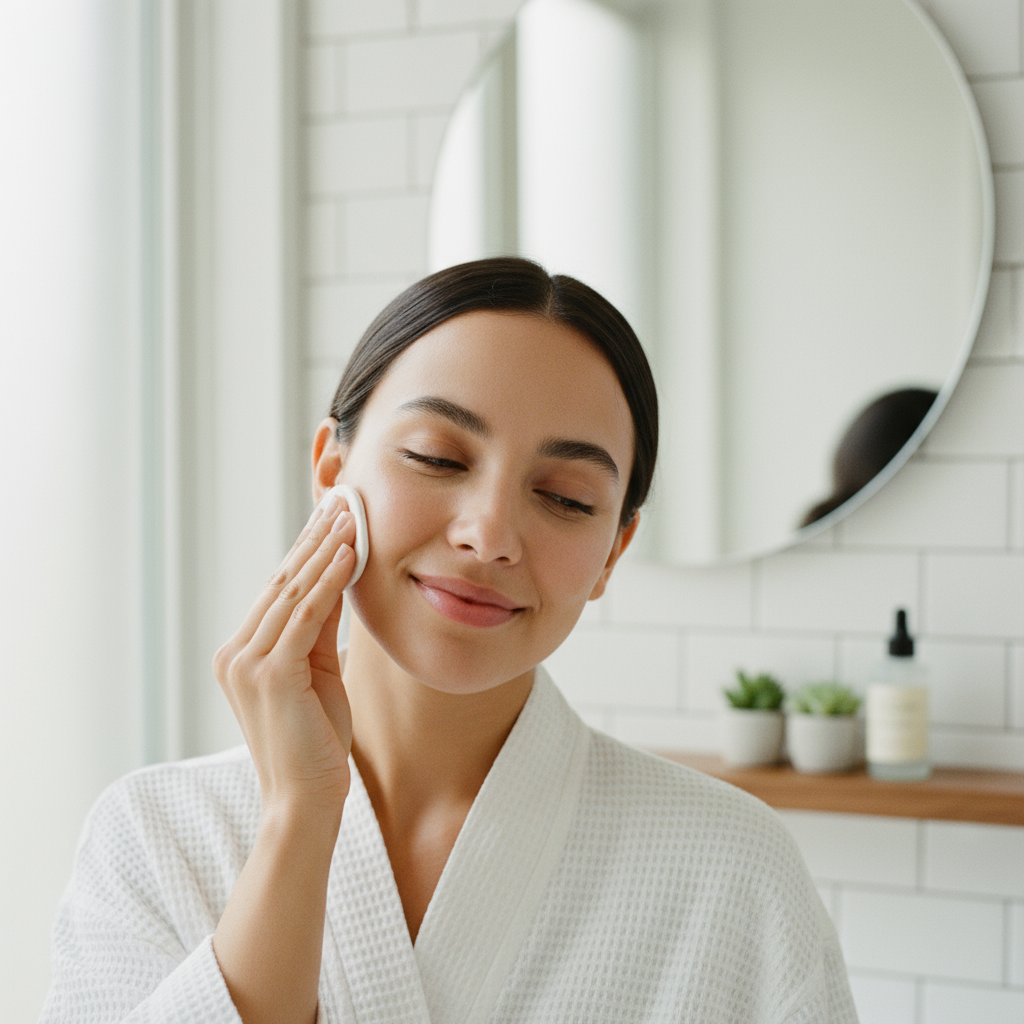
Now, knowing how to use your toner? That’s where the magic really happens. You’ve got options here. Cotton pads work great for a thorough application, especially if you want to make sure you’re getting every bit of leftover makeup or cleanser. Prefer using your hands? That’s perfect for gentle, delicate areas—and honestly, it feels pretty luxurious too. Need a quick refresh during the day? A hydrating mist is your best friend. Timing matters too. After cleansing, before moisturizer—morning and night. It’s that simple. But here’s where people sometimes go wrong: overdoing it or picking something too harsh. Your skin will tell you if you’re using too much or if the formula isn’t right. Pay attention to those ingredient lists, especially if your skin tends to be on the sensitive side. And if something’s causing irritation? Don’t tough it out—get some professional advice.
When you make toners a consistent part of your routine, you’re basically giving your other products a boost. Think about it—those serums with niacinamide, retinol, or hyaluronic acid? They work better when your skin is properly prepped. It’s like priming a wall before you paint it. Toners can even help calm inflammation and improve how well your skin absorbs everything else you’re putting on it. The key is understanding what your skin actually needs and being consistent about it. Good skin doesn’t happen overnight (wouldn’t that be nice?), but with patience and the right routine, you’ll start seeing that healthy glow everyone talks about.
Ready to take your skincare game to the next level? Since you’ve got the toner basics down, it’s time to dive deeper into application techniques that work for different skin types. Our guide on how to care for combination skin breaks down exactly how to handle those tricky areas that seem to have a mind of their own. If you’re dealing with sensitive skin (and let’s face it, more of us are than we realize), our resource on skincare products for sensitive skin will help you navigate ingredients that actually soothe instead of irritate. Want to take things even further? Learning how to boost collagen naturally is like getting the insider secrets to keeping your skin looking youthful.
Here’s something that might surprise you—great skin isn’t just about what you put on it. What you eat matters too. Our guide to maintaining a balanced diet shows you how nutrition and skincare work together. It’s all connected, and when you start thinking about skin health from the inside out, that’s when you see real, lasting results.
You’ve got all the tools now. You understand toners, you know how to use them, and you’ve got resources to keep learning and improving your routine. This isn’t just about following steps—it’s about taking care of yourself and feeling confident in your own skin. Be patient with the process, stay consistent, and remember that every good skincare routine is really about self-care. Your journey to healthier, more radiant skin starts right here, right now.
Frequently Asked Questions
-
Can I use facial toner every day?
- Yes, daily use is recommended depending on your skin type and the formulation of the toner. Hydrating toners can generally be used twice daily, while stronger astringent or exfoliating toners may be best used less frequently.
-
Do toners dry out skin?
- Some toners, especially those containing alcohol or harsh ingredients, can cause dryness if overused. Choosing hydrating and gentle formulas helps maintain skin moisture and prevent irritation.
-
What’s the difference between toner and astringent?
- Toners are generally gentler and focus on hydrating and balancing, whereas astringents are stronger, designed primarily to reduce excess oil and tighten pores, often containing alcohol or stronger ingredients.
-
Can I skip toner in my routine?
- While not absolutely essential, toner supports pH balance and skin preparation for moisturizers and serums, making it a beneficial step to include for healthier skin.
-
How do I choose the right toner for my skin type?
- Assess your skin’s needs such as dryness, oiliness, sensitivity, or combination skin. Then select a toner formulated to address those specific concerns, focusing on gentle, effective ingredients.